If your vet has recommended an X-ray for your cat, you may be wondering what it involves and how much it will cost. Cat X-rays are a vital diagnostic tool, but costs in India can vary widely depending on the clinic, the complexity of the case, and whether sedation or additional procedures are required.
On average, cat X-ray costs in India can range from ₹500 to ₹5,000. Standalone clinics with basic imaging facilities may charge on the lower end, especially for single-view X-rays without sedation. In contrast, full-service pet clinics like Vetic Pet Clinic may have slightly higher prices due to access to advanced digital X-ray machines, standardised safety protocols, and options such as pre-anaesthetic checks (PAC), sedation, and in-clinic report evaluation with treatment options. These services enhance imaging quality, minimise radiation exposure and improve the overall prognosis.
At Vetic Pet Clinic, we aim to make the process transparent and comfortable for both you and your furry companion. Here’s a detailed guide to help you understand what to expect.
What is a Cat X-Ray & How Does It Work?
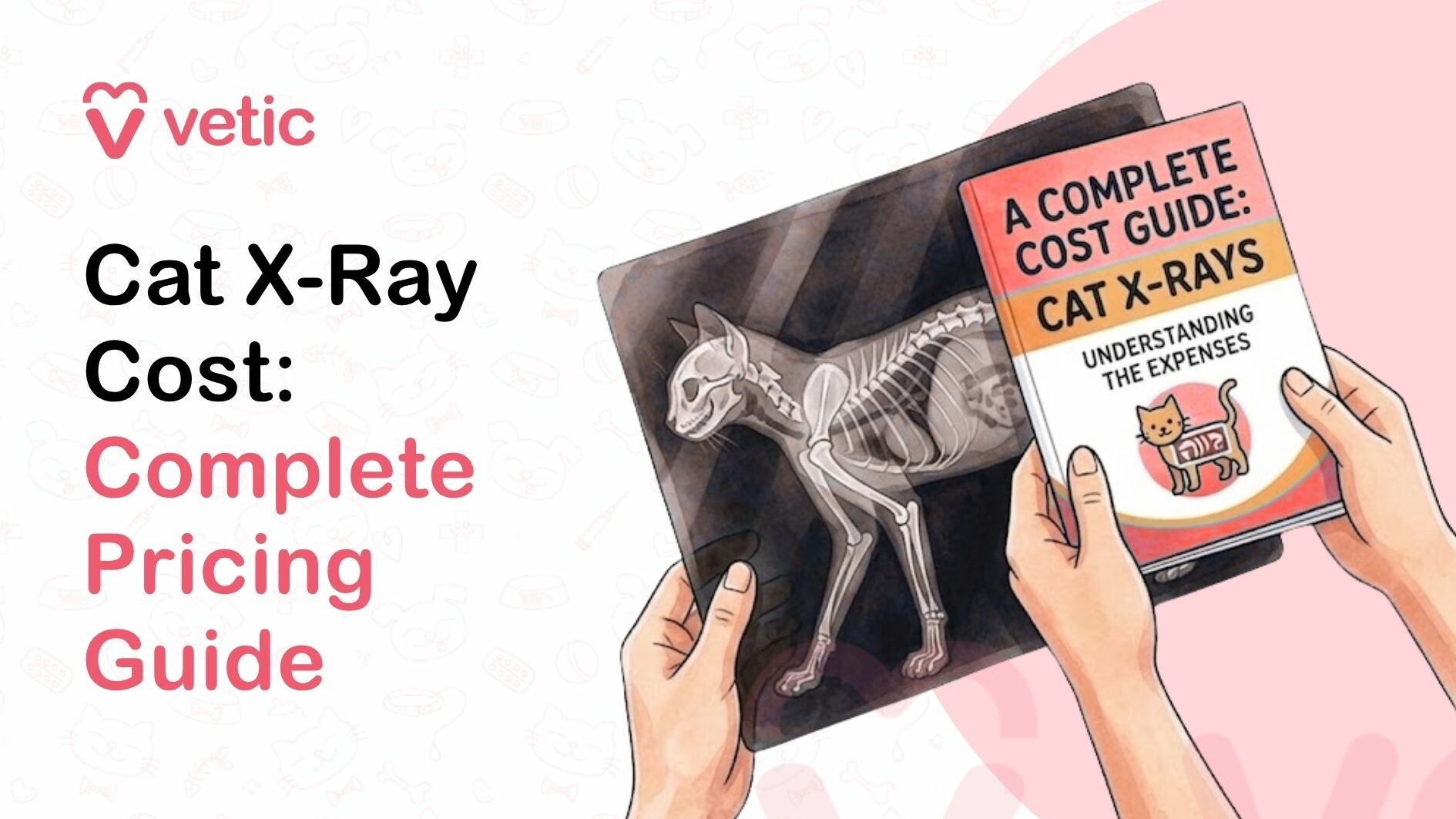
X-rays, or radiographs, are a form of imaging that allows veterinarians to see inside your cat’s body. They work by passing a small amount of radiation through the body to create an image on a digital or traditional plate. Different tissues absorb radiation differently: bones appear white, soft tissues like organs appear grey, and air spaces appear black.
Different “views” help vets understand the problem better:
- Lateral view: Side profile of the body
- VD (ventrodorsal): Cat lies on its back; beam passes from belly to spine
- DV (dorsoventral): Cat lies on its chest; beam passes from back to belly
Most conditions require at least two views to get an accurate diagnosis.
Where Can You Get Cat X-Ray Services in India?
Pricing at Vetic Pet Clinic is largely standardised across cities, so you don’t see major cost differences whether you visit a metro or a smaller city clinic.
Cat X-Ray Pricing at Vetic Pet Clinic
The table below presents an estimated cost breakdown of cat X-ray services at Vetic Pet Clinic in India, including imaging, sedation, consultations, and related diagnostic procedures.
| Component | Typical Cost (INR) |
| X-ray (per view) | ₹500 – ₹750 |
| Additional view (if required) | ₹300 – ₹600 |
| Lateral + VD/DV combination | Usually bundled or a slight add-on |
| Digital plate only | Included |
| Radiologist report (if needed) | ₹300 – ₹800 |
| Light sedation | ₹800 – ₹1,500 |
| General anaesthesia | ₹1,500 – ₹3,000 |
| PAC bloodwork | ₹800 – ₹2,000 |
| Consultation (new) | ₹300 – ₹800 |
| Follow-up consultation | ₹200 – ₹500 |
| Emergency / after-hours | Additional charges apply |
Important Note:
Prices can vary depending on your cat’s condition. For example, if your cat is squirming, anxious, or in pain, additional handling or sedation may be needed, which can slightly increase the final cost.
What’s Included in Vetic’s X-Ray Price?
At Vetic Pet Clinic, the base X-ray cost typically includes:
- Digital imaging
- Image storage and transfer
- Initial in-clinic review by a specialist vet
Additional services like sedation, radiologist interpretation, or emergency handling may be billed separately when clinically required.
When Does Your Cat Need an X-Ray?
Veterinarians recommend X-rays to diagnose a wide range of medical conditions affecting cats.
Chest & Respiratory
If your cat has breathing difficulty, a chronic cough, or a suspected infection, chest X-rays help assess the lungs and heart size.
Orthopaedic & Trauma
Falls, limping, fractures, or suspected joint issues are best evaluated with X-rays.
Abdominal & Digestive
Vomiting, constipation, or suspected foreign body ingestion (like bones or toys) often require imaging.
Dental & Head
Dental X-rays may be needed for hidden tooth decay, jaw injuries, or sinus issues.
Pre-Surgical Screening
Before certain procedures, X-rays help ensure your cat is fit for anaesthesia and surgery.
How to Prepare Your Cat for an X-Ray
You should prepare your cat for an X-ray by following your veterinarian’s instructions, which may include fasting, carrying previous medical records, and transporting your pet in a secure carrier.
Fasting Guidelines
If sedation might be required, your vet may advise fasting for 6-8 hours beforehand.
What to Bring / Tell Your Vet
Carry previous reports and medication history, and explain symptoms clearly, including their duration, severity, and changes.
Carrier & Transport Tips
Always bring your cat in a secure carrier. It reduces stress and prevents sudden escapes.
Managing Anxiety: Yours and Theirs
Cats are sensitive to stress. Staying calm yourself, covering the carrier, and minimising noise help significantly.
Will My Cat Need Sedation?
Not always, but quite often, yes. Cats rarely stay completely still during an X-ray, and even slight movement can blur the image, making it harder to get an accurate diagnosis.
If your cat is calm and the imaging required is minimal, sedation may not be needed. However, in situations where your cat is in pain (such as fractures), anxious, or multiple views are required, your vet may recommend sedation to ensure safety and clear imaging.
Before giving sedation, a pre-anaesthetic check (PAC) may be advised. This usually involves basic blood tests to ensure your cat can safely take the medication.
In most cases, vets prefer light sedation, which helps your cat relax and recover quickly. For more complex cases or when complete stillness is essential, general anaesthesia may be used.
The goal is always the same: to keep your cat comfortable while getting the most accurate results possible.
When Is an X-Ray Not Enough?
While X-rays are often the first diagnostic step, additional tests may be required for a comprehensive evaluation.
| Condition | What’s Usually Added |
| Soft tissue issues | Ultrasound, sometimes CT |
| Neurological concerns | CT / MRI |
| Organ function | Blood tests |
| Tumour suspicion | Biopsy / advanced imaging |
Your veterinarian will recommend further diagnostics based on clinical findings.
Cat X-Ray Services at Vetic near You
At Vetic Pet Clinic, all X-ray services are performed under the guidance of experienced veterinarians. From trauma assessments to routine pre-surgical screenings, everything is available under one roof, ensuring continuity of care. Pet parents can also seek a second opinion without having to visit multiple clinics.
Types of X-Rays for Cats Near You
Veterinary clinics offer various types of X-rays depending on the medical condition being evaluated.
- Chest X-rays
- Abdominal X-rays
- Orthopaedic (limb/spine) X-rays
- Dental radiographs
Each type requires specific positioning and may involve multiple views for accurate diagnosis.
How to Read Your Cat’s X-Ray Report
Understanding an X-ray report can help pet parents make informed decisions about their cat’s treatment. Common terms include:
- WNL: “Within Normal Limits” (no obvious abnormality)
- Opacity changes: May indicate fluid, infection, or masses
- Fracture lines: Breaks in bone continuity
Always discuss the report with your vet; images alone don’t tell the full story without clinical context. A radiologist’s report adds a specialist’s interpretation, which can be useful in complex cases.
FAQs
Is an X-ray safe for my cat?
Yes. Modern veterinary X-rays use very low radiation levels and are considered safe.
How long does it take?
Typically 10-20 minutes, longer if sedation is required.
Can I stay with my cat during the X-ray?
Usually, no, due to radiation safety protocols.
How many X-rays can a cat have?
There’s no strict limit, only when medically necessary.
What if my cat is pregnant?
Your vet will weigh the risks vs the benefits. Alternative imaging may be considered if possible.