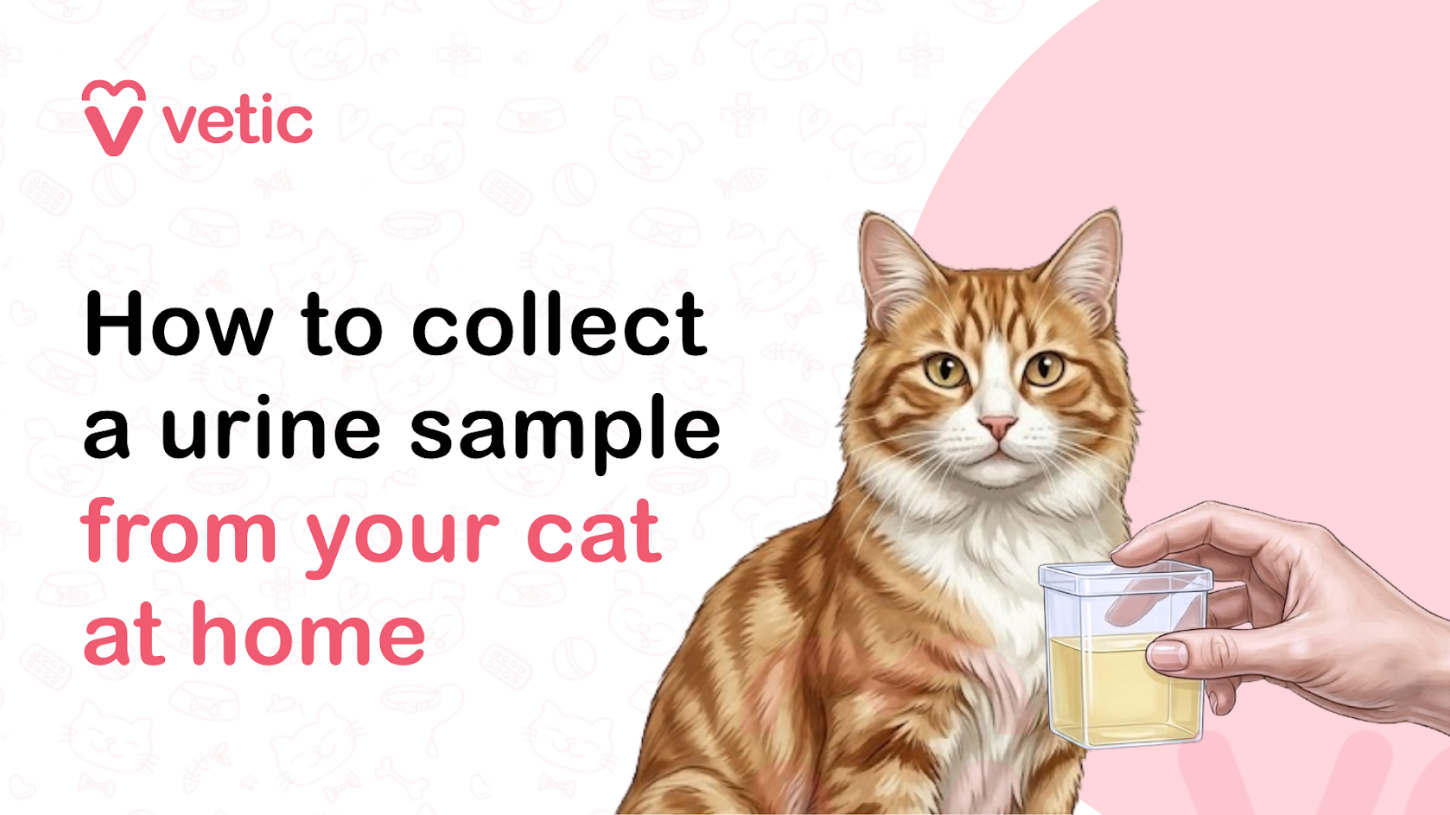
Collecting a urine sample from a cat at home can feel challenging, especially because cats are private and particular about their litter habits. However, with the right method and a bit of patience, most pet parents can successfully collect a clean urine sample for testing.
A good-quality urine sample helps your vet diagnose kidney disease, urinary issues, and other health conditions in cats early. This blog explains the easiest and safest ways to collect cat urine at home.
Why You May Need a Cat Urine Sample Test?
Vets use urine tests to check for urinary tract infections, bladder inflammation, kidney disease, diabetes, dehydration, and crystals or stones. It’s also used in routine health screenings, especially for older cats or those with ongoing medical conditions.
What Are the Challenges of Collecting Urine from Cats?
Collecting urine from cats is difficult because they are private, sensitive, and easily stressed by changes. Unlike dogs, cats use a litter box and often stop urinating if they feel watched or disturbed. Any change in litter type, box setup, or environment can make them hesitant.
Additionally, urine is quickly absorbed into regular litter, making it hard to retrieve a clean sample. This is why specific techniques and preparation are important.
What Is the Best Time to Collect a Urine Sample from a Cat?
The ideal time to collect a urine sample is during your cat’s first urination of the day. Morning urine is more concentrated and provides more accurate diagnostic information. It also increases the chances of detecting infections or abnormalities.
If morning collection is not possible, choose a time when your cat hasn’t used the litter box for several hours.
What Are the Best Methods to Collect Cat Urine at Home?
There are several effective methods to collect your cat’s urine at home, and the best one depends on your cat’s behaviour and comfort level.
Some cats adapt easily to changes in litter, while others need minimal disruption. Choosing the right method increases your chances of success without stressing your cat.
Method 1: How Does Non-Absorbent Litter Help?
Non-absorbent litter prevents urine from pooling and being soaked, allowing you to collect a clean, uncontaminated sample.
This method involves replacing your cat’s regular litter with special plastic pellets or non-absorbent beads. When your cat urinates, the urine collects at the bottom of the tray instead of being absorbed. So you can easily draw it using a dropper or syringe. This method is one of the most commonly recommended by vets.
Some cats may take time to adjust, so it’s best to introduce it when your cat is calm and not already stressed.
Method 2: How Does Special Veterinary Litter Help?
Veterinary litter is designed to mimic regular litter while still allowing urine collection. This type of litter looks more natural than plastic pellets, which makes it easier for cats to accept. It does not completely absorb urine, allowing you to collect a sample after your cat urinates. It is especially useful for cats that refuse to use unfamiliar textures.
Method 3: How to Modify Your Cat’s Regular Litter Box?
You can modify your existing litter setup to make urine collection possible without major changes. One approach is to thoroughly clean the litter box and add a minimal layer of litter or none at all. Alternatively, you can line part of the box with plastic wrap or a shallow tray to catch urine. This method works best for cats that are sensitive to changes and refuse alternative litter types.
Method 4: What Does the Free Catch Method Involve?
Direct collection involves catching urine midstream as your cat urinates. This method requires careful timing and patience. You need to quietly approach your cat while they are in the litter box and place a clean container or spoon under the urine stream.
It works best with calm, confident cats who are not easily startled. However, many cats may stop urinating if they feel disturbed.
What Are the Alternative Methods For Getting Cat Urine?
Simple household hacks can sometimes help collect urine without specialised materials.
Placing clean plastic wrap, foil, or a shallow, clean surface inside the litter box can help prevent urine from pooling rather than being absorbed. Another commonly used trick is adding frozen peas or smaller items to the litter box, which prevents absorption and creates small gaps where urine collects.
These methods can be helpful when specialised litter is not available.
What Are the Steps to Collect Cat Urine Safely?
A structured approach to collecting cat urine involves preparing the litter box, followed by catching and transferring the urine sample. It improves your chances of getting a clean sample without stressing your cat.
How to prepare the litter box?
Start by cleaning the litter box thoroughly to remove any contamination. Replace regular litter with your chosen collection method, such as non-absorbent litter or a modified setup. Place the box in its usual location so your cat feels comfortable. Avoid making multiple changes at once.
How to catch and transfer a urine sample?
Once your cat urinates, collect the urine with a dropper or syringe, or gently pour it into a clean container. Avoid touching the inside of the container or mixing debris with the sample. Seal the container immediately after collection.
How to Store and Handle a Cat Urine Sample Before Testing?
Ideally, the sample should be taken to your vet within one to two hours. If there is a delay, store it in the refrigerator to slow bacterial growth and chemical changes. Do not freeze the urine sample. Always label it with your cat’s name and the time of collection.
What Are the Common Mistakes to Avoid During Collection?
Using dirty containers, collecting urine mixed with litter debris, or leaving the sample at room temperature for too long can affect results. Changing the litter box setup too drastically may also cause your cat to avoid urinating altogether. Keeping the process simple and familiar is key.
Suggested Read: UTI in Cats: Signs, Causes and Treatment of Feline Lower Urinary Tract Disease (FLUTD)
What If Your Cat Refuses to Urinate?
If your cat does not urinate, patience and timing are essential. Try again at a time when your cat usually uses the litter box. Ensure the environment is quiet and stress-free. Avoid watching your cat too closely, as this may discourage them.
Encourage hydration by providing fresh water. If your cat still does not urinate for more than 24 hours or shows signs of straining or discomfort, seek emergency pet care immediately, as this could indicate a medical emergency.
When You Should Visit a Vet Instead of Collecting at Home?
If your cat is straining to urinate, producing little or no urine, crying in the litter box, or showing signs of pain, do not delay and visit the nearest cat clinic. These symptoms may indicate a urinary blockage or a severe infection, both of which can be life-threatening.
In such cases, your vet may collect urine directly using medical methods.
Final Thoughts: About How to Collect Cat Urine
With the right method and patience, collecting a urine sample at home becomes manageable.
Understanding your cat’s behaviour and choosing a suitable collection technique can make the process smoother. Keeping stress low and maintaining familiarity are the most important factors.
A properly collected sample helps your vet diagnose issues early and ensures your cat receives the right treatment without delay.
FAQ: About How to Collect Cat Urine
How do you collect urine from a cat at home?
You can use non-absorbent litter, modify litter setups, or collect urine midstream in a clean container.
What is the easiest way to get a cat urine sample?
Using non-absorbent litter or veterinary litter is usually the easiest and least stressful method.
Can I use normal litter for urine collection?
Regular litter absorbs urine, so it is not ideal unless modified to allow pooling.
How long can cat urine be stored before testing?
Ideally, within 1-2 hours. If refrigerated, it can be used within 6-12 hours.
What if my cat doesn’t urinate for a sample?
Wait for their usual routine and reduce stress. If your cat doesn’t urinate for 24 hours or shows discomfort, consult a vet immediately.
References
MSD Veterinary Manual. (n.d.). Advantages and Disadvantages of Urine Collection Methods. https://www.msdvetmanual.com/multimedia/table/advantages-and-disadvantages-of-urine-collection-methods
Pope, K. (2025). What is a Urinalysis Test? VIN. https://veterinarypartner.vin.com/default.aspx?pid=19239&catId=254103&id=12804280
Sanderson, S. L. (2018, August 22). Detecting Disorders of the Kidneys and Urinary Tract of Cats. MSD Veterinary Manual. https://www.msdvetmanual.com/cat-owners/kidney-and-urinary-tract-disorders-of-cats/detecting-disorders-of-the-kidneys-and-urinary-tract-of-cats
Whitbread, T. (2015). Urinalysis – Clinical Pathology and Procedures. MSD Veterinary Manual. https://www.msdvetmanual.com/clinical-pathology-and-procedures/diagnostic-procedures-for-the-private-practice-laboratory/urinalysis WSAVA. (n.d.). Principles Principles of Wellness of Wellness. https://wsava.org/wp-content/uploads/2025/06/Principles-of-Wellness-FINAL.pdf