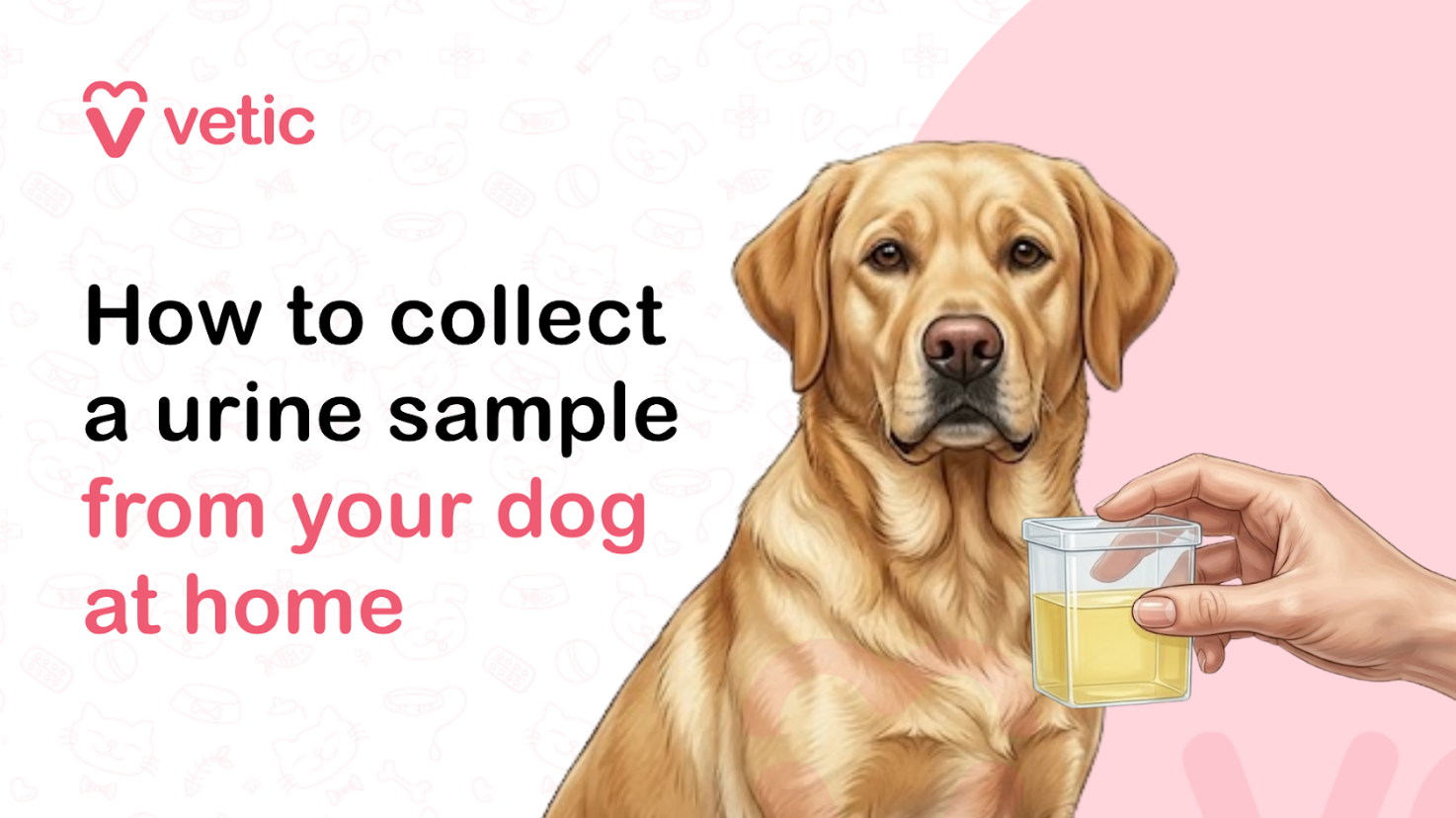
Collecting a urine sample from your dog at home can feel tricky at first, but with the right approach, it’s usually straightforward. A high-quality sample helps your vet diagnose issues in your dog, such as kidney disease or metabolic disorders, without unnecessary delays.
This blog walks you through when, why, and how to safely and effectively collect a clean urine sample at home.
Why You May Need to Collect a Dog Urine Sample?
A urine sample helps vets evaluate your dog’s urinary health and detect underlying medical conditions.
Urine testing is commonly used to diagnose urinary tract infections, kidney disease, bladder stones, diabetes, and dehydration in dogs. It also helps monitor ongoing conditions or assess how well treatment is working.
In many cases, your vet may ask you to bring a fresh sample from home because it is less stressful for your dog and easier to collect during natural urination.
What You’ll Need to Collect a Urine Sample from Your Dog?
You only need a few simple, clean tools to collect a usable urine sample at home.
The most important item is a clean, dry container with a lid. This could be a sterile sample container from your vet or a thoroughly washed plastic container. Many pet parents find it helpful to use a long-handled ladle, shallow bowl, or even a flat container to catch urine mid-stream without getting too close. You may also want paper towels and a leash to guide your dog during collection.
If needed, disposable gloves can make the process more hygienic and comfortable.
When Is the Best Time to Collect Dog Urine?
The best time to collect a urine sample is during your dog’s first urination of the day. Morning urine is usually more concentrated, which makes it more useful for diagnostic testing. It also increases the likelihood of detecting abnormalities such as bacteria, crystals, or glucose.
If collecting in the morning isn’t possible, aim for a time when your dog hasn’t urinated for a few hours, as this improves sample quality.
Suggested Read: Dog Ultrasound Cost in India: Veterinary Sonography Price Guide
How to Collect Dog Urine at Home Step by Step?
Collecting dog urine at home involves safely and calmly catching a midstream sample.
Take your dog outside as you normally would, and allow them to urinate naturally. As they start, gently place your container or ladle under the urine stream without startling them. Avoid collecting the very first few drops; instead, aim for a mid-stream sample, which is cleaner and more accurate for testing.
Once you’ve collected enough urine, carefully transfer it to a clean container, if needed, and close it securely.
Why Is the Clean Container or Ladle Method Important?
Using a ladle or flat container makes it easier to collect urine without disturbing your dog.
A long-handled ladle allows you to maintain distance and avoid interrupting your dog’s natural posture. This is particularly useful for male dogs, who tend to lift their legs, and for shy or anxious dogs.
For female dogs, a shallow container or plate may be easier to slide under the stream. The key is to stay calm and move slowly so your dog does not stop urinating mid-process.
What Are The Tips to Successfully Get a Urine Sample from a Dog?
A calm approach and preparation can greatly improve your chances of success. Take your dog to a familiar spot where they are comfortable urinating. Avoid sudden movements or unusual behaviour that may distract or startle them. Staying patient is important, especially if your dog senses something different.
If your dog is hesitant, going for a short walk can help stimulate urination naturally. Practising the process a few times without collecting can help your dog get used to the container’s presence. Keeping the process low-pressure increases the chances of success.
What Are The Common Mistakes to Avoid While Collecting Dog Urine?
Using a dirty or contaminated container can affect results and lead to misdiagnosis. Collecting urine from the ground rather than midstream may introduce bacteria and debris.
Delaying storage or leaving the sample at room temperature for too long can also degrade its quality. Additionally, forcing or rushing your dog can make them anxious and less likely to cooperate.
Also Read: What Is the Most Common Cause of Urinary Incontinence in Dogs: Signs and Care Tips
How Much Urine Sample Is Needed for Testing?
Most tests require only a small amount of dog urine, usually around 5 to 10 millilitres. This is roughly a teaspoon to a tablespoon of urine. It’s better to collect a little more if possible, but even a small sample is often sufficient for basic testing.
If your vet needs additional tests, they will inform you in advance so you can collect a slightly larger sample.
How to Safely Store and Transport a Dog Urine Sample?
Place the dog urine in a sterile, sealed container. Once collected, the sample should ideally be delivered to your vet within one to two hours. If there is a delay, store the sample in a refrigerator to slow down bacterial growth and chemical changes.
Avoid freezing the sample, as this can alter test results. Always label the container with your dog’s name and the collection time if there is any delay in transport.
What to Do If You Can’t Collect a Sample at Home?
If home collection isn’t possible, your vet can obtain a sample using clinical methods.
In-clinic collection methods include free-catch (similar to home collection), catheterisation, or cystocentesis, where a sterile needle is used to collect urine directly from the bladder. These methods provide more controlled and sterile samples when needed.
If your dog is uncooperative or unable to urinate, it’s best to seek veterinary assistance rather than delay testing.
How Vets Use Urine Samples for Diagnosis?
Veterinarians analyse urine samples to get valuable information about your dog’s overall health and internal function. Urine analysis can reveal infection, inflammation, crystals, blood, glucose, and protein levels. Urine examination is often used alongside blood tests to provide a more complete picture of your dog’s health.
When Should You Take Your Dog to the Vet Instead?
You should visit the nearest dog doctor immediately if your dog shows signs of urinary distress or is unable to urinate. Symptoms such as straining, frequent attempts to urinate, blood in urine, or complete inability to pass urine are medical concerns that require prompt attention. These may indicate blockages, infections, or other serious conditions.
In such cases, collecting a urine sample at home should not delay urgent veterinary care.
Final Thoughts: About How to Collect Dog Urine
Collecting a urine sample from your dog at home is a simple but important step in supporting your dog’s health. With the right tools, timing, and approach, most pet parents can successfully collect a clean sample without stress. Being prepared and staying patient makes the process smoother for both you and your dog.
A good-quality sample helps your vet make accurate diagnoses and ensures your dog receives the right treatment quickly.
FAQ: About How to Collect Dog Urine
How do you collect a urine sample from a dog at home?
You can collect a mid-stream urine sample using a clean container or ladle while your dog urinates naturally.
What is the easiest way to get a dog urine sample?
Using a long-handled ladle or shallow container makes it easier to collect urine without disturbing your dog.
Can I collect dog urine in any container?
It’s best to use a clean, sterile container for accurate results. Avoid containers with residue or contaminants that could affect testing.
How long is a dog urine sample good for?
Ideally, it should be tested within 1-2 hours. If delayed, refrigerate it and use within 6-12 hours.
What if my dog refuses to pee for a sample?
If your dog won’t urinate, try again later or consult your vet. Ensure your dog is hydrated and relaxed, or seek veterinary assistance for sample collection.
References
MSD Veterinary Manual. (n.d.). Advantages and Disadvantages of Urine Collection Methods. https://www.msdvetmanual.com/multimedia/table/advantages-and-disadvantages-of-urine-collection-methods
Pope, K. (2025). What is a Urinalysis Test? VIN. https://veterinarypartner.vin.com/default.aspx?pid=19239&catId=254073&id=12804280
Sanderson, S. L. (n.d.). Detecting Disorders of the Kidneys and Urinary Tract in Dogs. MSD Veterinary Manual. https://www.msdvetmanual.com/dog-owners/kidney-and-urinary-tract-disorders-of-dogs/detecting-disorders-of-the-kidneys-and-urinary-tract-in-dogs
VIN. (2026). Holding It Until She Comes Back Inside. https://veterinarypartner.vin.com/doc/?id=4951711 Whitbread, T. (2015). Urinalysis – Clinical Pathology and Procedures. MSD Veterinary Manual. https://www.msdvetmanual.com/clinical-pathology-and-procedures/diagnostic-procedures-for-the-private-practice-laboratory/urinalysis