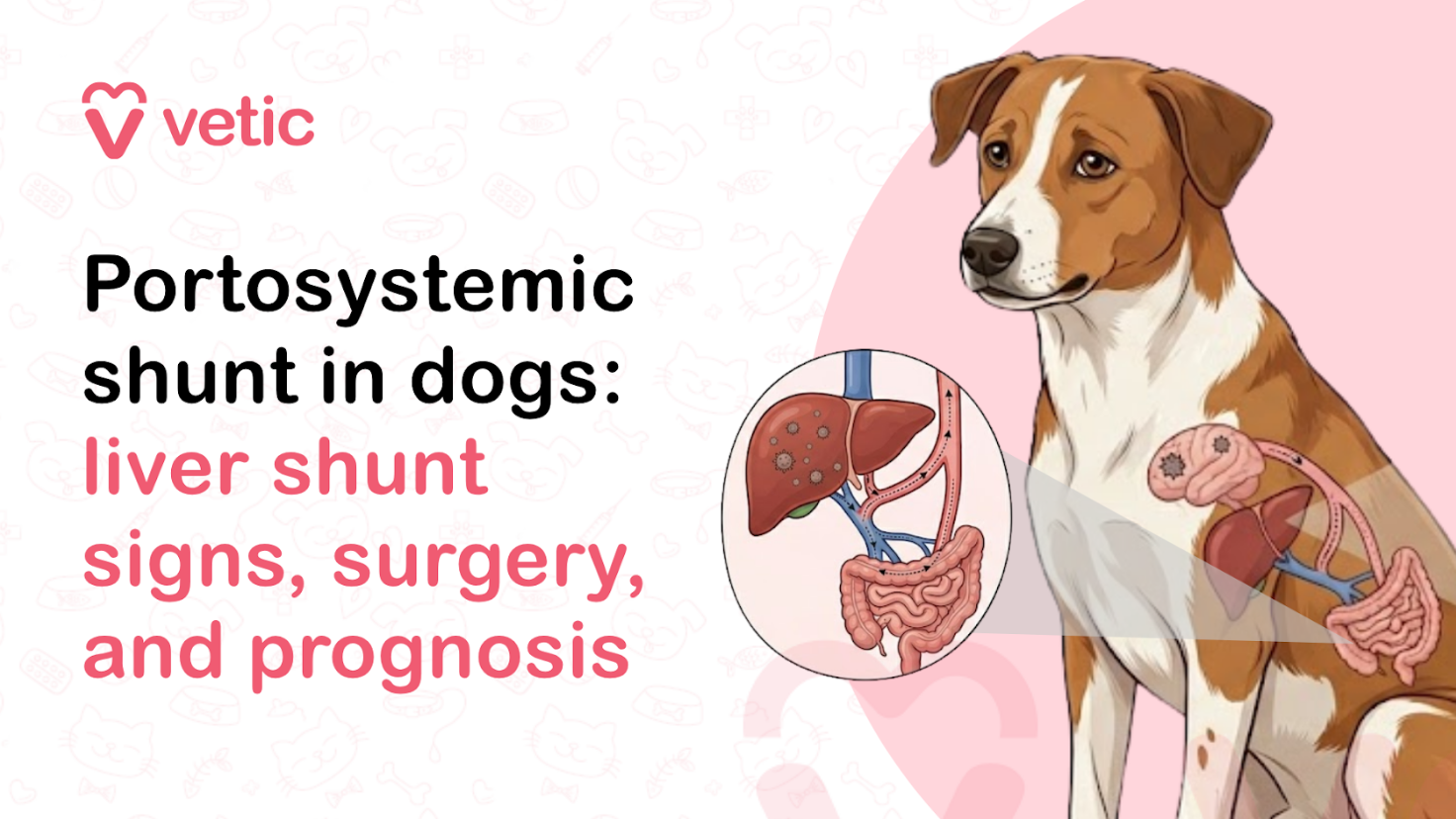
A portosystemic shunt (commonly called a liver shunt) in dogs is a serious condition that affects how blood flows through the liver. While it can sound complex, early recognition and the right treatment approach can significantly improve outcomes. Many dogs with liver shunts go on to live comfortable lives when properly managed.
This blog explains what liver shunts are, how they affect the body, signs of sickness to watch for, treatment options, including surgery, and long-term prognosis.
What Is a Liver Shunt in Dogs and How Does It Affect the Body?
A liver shunt in dogs is an abnormal blood vessel that allows blood to bypass the liver instead of flowing through it for detoxification.
Under normal conditions, blood from the digestive system travels to the liver through the portal vein. The liver processes nutrients, removes toxins, and supports metabolism. In dogs with a portosystemic shunt, some or all of this blood is diverted around the liver.
As a result, toxins such as ammonia remain in circulation instead of being filtered out. This affects multiple systems in the body, particularly the brain, leading to neurological symptoms.
Over time, the liver in dogs may also remain underdeveloped due to inadequate blood flow.
What Are The Types of Portosystemic Shunts in Dogs?
Liver shunts in dogs are classified based on when they develop and how they form.
What Are Congenital vs Acquired Liver Shunts in Dogs?
Congenital shunts are present from birth, while acquired shunts develop later due to liver disease.
Congenital shunts are the most common type and usually involve a single abnormal vessel. These are often diagnosed in young dogs, especially small breeds such as Yorkshire Terriers, Maltese, and Pugs. The abnormal vessel forms during development and persists after birth.
Acquired shunts occur as a result of chronic liver disease, where increased pressure within the liver causes multiple smaller vessels to form as bypass routes. These are more common in older dogs and are often associated with underlying liver damage.
What Are The Common Signs and Symptoms of Liver Shunt in Dogs?
Dogs with portosystemic shunts often show a combination of digestive, neurological, and growth-related symptoms. Common signs include poor growth, weight loss, and reduced appetite. Gastrointestinal issues such as vomiting or diarrhoea may occur intermittently.
Neurological signs are particularly important and may include disorientation, head pressing, seizures, or unusual behaviour. These symptoms often worsen after eating, as toxins from digestion enter the bloodstream.
Some dogs may also drink and urinate excessively or develop urinary stones due to metabolic imbalances.
Also Read: Jaundice in Dogs: Signs, Causes, Treatment and Prognosis
How Liver Shunts Affect Growth, Behaviour, and Neurological Health?
Canine portosystemic shunt impacts multiple systems because toxins circulating in the blood affect both physical development and brain function.
In young dogs, inadequate liver function can result in stunted growth and poor muscle development. Behavioural changes, such as confusion, restlessness, or dullness, are linked to toxin buildup affecting the brain, a condition known as hepatic encephalopathy.
Neurological signs may vary in severity, from mild disorientation to severe seizures. These symptoms can fluctuate depending on diet and toxin levels.
How Veterinarians Diagnose Liver Shunts in Dogs?
Diagnosis of liver shunts involves a combination of clinical signs, blood tests, and imaging techniques.
Vets often suspect a shunt based on history and symptoms, especially in young, small-breed dogs with poor growth or neurological signs. However, confirmation requires further testing to evaluate liver function and blood flow.
Blood tests may show elevated liver enzymes, low protein levels, and increased bile acids, which indicate impaired liver function. Ammonia levels may also be elevated.
Imaging plays a crucial role. Ultrasound can sometimes identify abnormal vessels, while advanced imaging, such as CT scans, provides a more detailed view of blood flow patterns.
These tests help determine whether the shunt is congenital or acquired and guide treatment planning.
What Are The Treatment Options for Liver Shunt in Dogs?
Treatment for canine portosystemic shunt focuses on reducing toxin buildup and, where possible, restoring normal blood flow.
What Is Medical Management vs Surgical Correction?
Medical management includes dietary modification with low-protein diets, medications to reduce toxin production, and antibiotics to alter gut bacteria. This approach helps manage symptoms but does not eliminate the shunt.
Surgical correction involves closing or reducing the abnormal blood vessel. This is considered the most effective treatment for congenital shunts, as it addresses the root cause.
The choice between medical and surgical treatment depends on the type of shunt, the severity of symptoms, and the dog’s overall health.
What Does Liver Shunt Surgery Involve in Dogs?
Liver shunt surgery involves gradually closing the abnormal blood vessel to redirect blood flow through the liver.
How Surgery Works and What to Expect?
Surgery in dogs is designed to restore normal circulation without suddenly overwhelming the liver. Dog veterinarians use specialised techniques such as ameroid constrictors or cellophane banding to close the shunt gradually. This gradual closure allows the liver to adapt to increased blood flow.
The procedure requires anaesthesia and careful monitoring. Hospitalisation is typically needed for several days to manage recovery and detect complications early.
What Are The Risks and Complications of Liver Shunt Surgery?
While surgery in dogs is often successful, it carries certain risks that must be carefully managed.
Post-operative complications may include seizures, especially in the first few days after surgery. These are related to sudden changes in toxin levels and brain sensitivity.
Other risks include incomplete shunt closure or the development of additional abnormal vessels. Close monitoring and follow-up care are essential to manage these risks effectively.
What Is The Prognosis for Dogs with Liver Shunts?
The prognosis for dogs with portosystemic shunts is generally good, especially when treated early.
Which Factors Affect Recovery and Outcomes?
Treatment outcome depends on the type of shunt, the timing of treatment, and the dog’s overall health.
Dogs with a single congenital shunt that undergo successful surgery often have an excellent prognosis and may live normal lifespans. Those managed medically can still have a good quality of life, but long-term monitoring is required.
Acquired shunts have a more guarded prognosis because they are linked to underlying liver disease.
What Does Effective Post-Surgery Care and Long-Term Management Involve?
Dogs typically require restricted activity, a controlled diet, and regular follow-up visits. Blood tests are repeated to assess liver function and ensure the shunt is closing properly.
Some dogs may need temporary medications even after surgery, while others may require long-term dietary management depending on recovery.
Can Liver Shunts in Dogs Be Prevented or Detected Early?
Congenital liver shunts cannot be prevented, but early detection significantly improves outcomes.
Responsible breeding practices may reduce the risk in predisposed breeds. For pet parents, early recognition of symptoms such as poor growth or unusual behaviour is key.
Routine canine vet check-ups in young dogs can help identify abnormalities before severe symptoms develop.
When Should You See a Vet for Liver Shunt Symptoms?
You should consult a veterinarian if your dog shows neurological signs, poor growth, or persistent digestive issues.
Symptoms such as disorientation, seizures, or behavioural changes after eating require immediate attention. Early diagnosis allows for timely intervention and better treatment success.
Final Thoughts: About Liver Shunts in Dogs
Liver shunts in dogs are serious but manageable conditions when diagnosed early and treated appropriately. Understanding the signs, seeking prompt veterinary care, and choosing the right treatment approach can significantly improve your dog’s quality of life. Whether managed medically or surgically, consistent care and monitoring play a vital role in long-term outcomes.
FAQ: About Liver Shunt in Dogs
What are the first signs of a liver shunt in dogs?
Early signs of canine portosystemic shunt include poor growth, vomiting, and behavioural changes such as confusion or disorientation.
Is liver shunt in dogs curable with surgery?
In many congenital cases, surgery can effectively correct the problem and lead to a normal life.
How long can a dog live with a portosystemic shunt?
With proper treatment, many dogs live for several years or reach a normal lifespan, depending on the severity of the condition.
Is surgery always required for liver shunts in dogs?
No. Some cases are managed medically, especially when surgery is not possible or when acquired shunts are present.
What happens if a liver shunt is left untreated?
Untreated shunts in dogs can lead to severe neurological issues, poor growth, and potentially life-threatening complications.
References
Center, S. A. (2023, August 4). Acquired Portosystemic Shunts in Small Animals. MSD Veterinary Manual. https://www.msdvetmanual.com/digestive-system/hepatic-diseases-of-small-animals/acquired-portosystemic-shunts-in-small-animals
Purina. (2016). Portosystemic Shunts and Hepatic Encephalopathy. https://www.purinainstitute.com/centresquare/therapeutic-nutrition/portosystemic-shunts-and-hepatic-encephalopathy
Roberts, J. N. (2022, November). Congenital and Inherited Anomalies of the Liver in Animals. MSD Veterinary Manual. https://www.msdvetmanual.com/digestive-system/congenital-and-inherited-anomalies-involving-the-digestive-system/congenital-and-inherited-anomalies-of-the-liver-in-animals
Tobias, K. M. (2015). Portosystemic Shunts. VIN. https://www.vin.com/apputil/content/defaultadv1.aspx?id=3854183&pid=11196&print=1 Willard, M. (2020). Congenital Portosystemic Shunts: Diagnosis and Treatment is More Complex Than We Thought. VIN. https://www.vin.com/apputil/content/defaultadv1.aspx?id=5124307&pid=11343