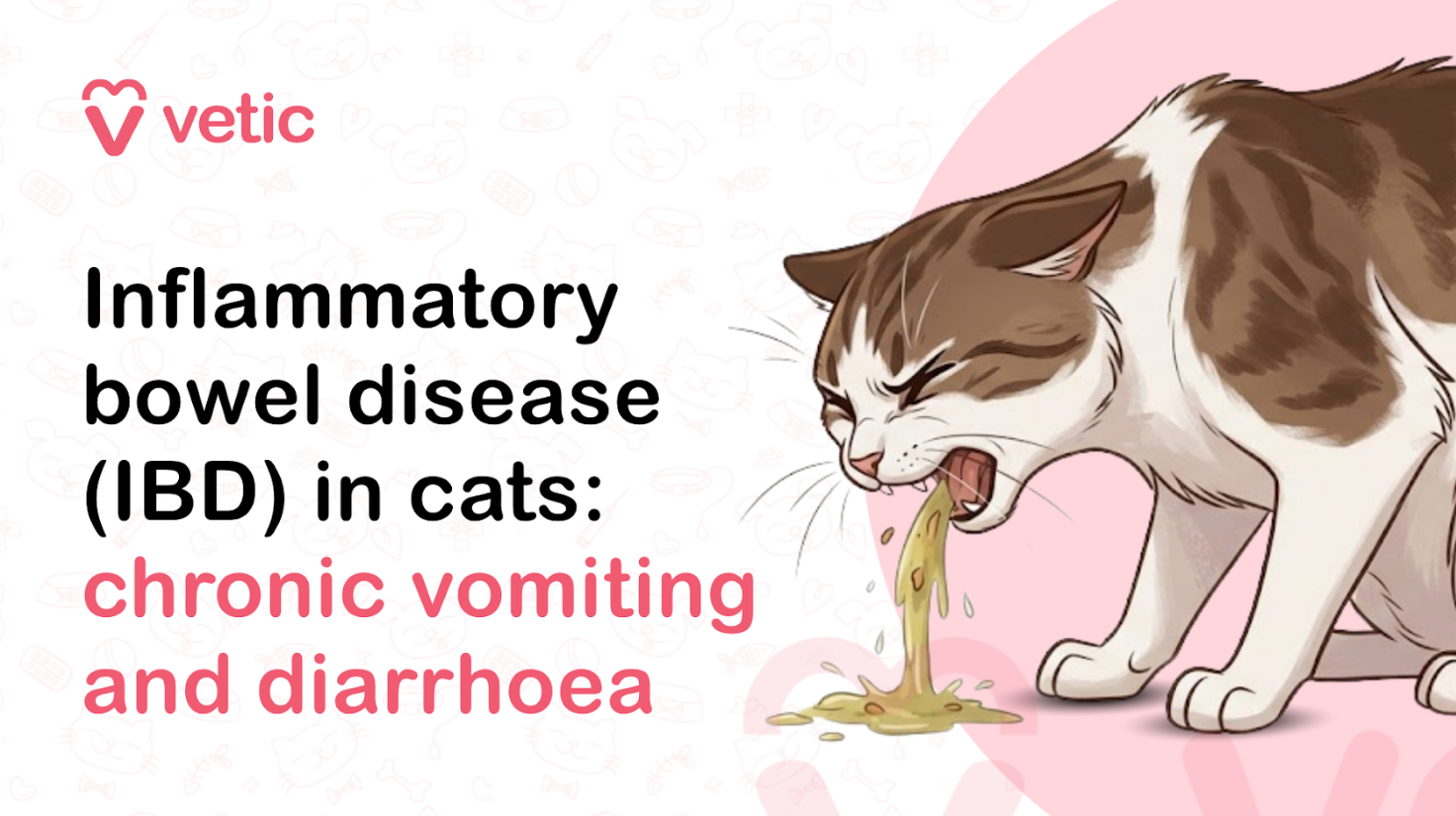
Inflammatory Bowel Disease (IBD) in cats is a chronic condition that affects the digestive tract and often presents as persistent vomiting or diarrhoea. While occasional digestive upset is common, repeated or long-term symptoms are not normal and may indicate underlying intestinal inflammation in cats. Early recognition and appropriate management can significantly improve your cat’s comfort and long-term health.
What Is IBD in Cats and How Does It Affect the Gut?
IBD in cats is a condition where inflammatory cells infiltrate the lining of the gastrointestinal tract, disrupting normal digestion and nutrient absorption.
In a healthy cat, the digestive system breaks down food efficiently, but in IBD, inflammation thickens the intestinal walls and interferes with how food is broken down and absorbed. Over time, this leads to chronic digestive symptoms, weight loss, and nutritional deficiencies in cats.
Unlike short-term stomach upset, feline IBD is a long-standing condition that requires ongoing management rather than a one-time treatment.
What Causes Inflammatory Bowel Disease in Cats?
The exact cause of IBD in cats is not always clear, but it is believed to result from an abnormal immune response within the gut.
In affected cats, the immune system overreacts to substances that are normally harmless, such as food components or intestinal bacteria. This persistent immune activation leads to chronic inflammation.
Other factors contributing to intestinal inflammation in cats include food sensitivities, changes in gut bacteria, genetic predisposition, and environmental triggers. In some cases, prior infections or long-term dietary factors may also contribute to triggering or worsening the condition.
What Are The Common Signs and Symptoms of IBD in Cats?
Cats with an inflamed bowel typically show persistent or recurrent digestive symptoms.
The most common signs of IBD in cats include frequent vomiting, chronic diarrhoea, and weight loss despite a normal or reduced appetite. Some cats may also show lethargy, poor coat quality, or increased appetite if nutrient absorption is impaired.
The pattern of symptoms often depends on which part of the intestine is affected. For example, stomach involvement leads to vomiting, while large intestine involvement may cause frequent, small-volume diarrhoea.
Why Chronic Vomiting and Diarrhoea Occur in Cats with IBD?
Chronic vomiting and diarrhoea in cats occur because inflammation disrupts the normal function of the digestive tract.
When the intestinal lining is inflamed, it cannot absorb nutrients and water effectively. This leads to irritation and abnormal movement of food through the gut. As a result, the cat’s body responds by expelling contents through vomiting or diarrhoea.
Additionally, inflammation alters the balance of gut bacteria and digestive enzymes, further worsening symptoms. This creates a cycle in which irritation leads to further inflammation and ongoing digestive upset.
How Veterinarians Diagnose IBD in Cats?
Diagnosing IBD in cats involves a process of elimination, which means ruling out other causes of chronic gastrointestinal symptoms before confirming intestinal inflammation.
Since vomiting and diarrhoea can occur with many conditions, vets take a systematic approach. They begin with a detailed history, including diet, symptom duration, and any recent changes.
A physical examination helps assess weight loss, hydration status, and abdominal discomfort. However, definitive diagnosis requires further testing to exclude infections, parasites, and other diseases.
What Are The Tests to Confirm Intestinal Inflammation in Cats?
Multiple diagnostic tests are used to identify the cause of chronic digestive symptoms and confirm suspected feline IBD.
Initial testing often includes blood work to evaluate organ function and detect inflammation or infection. Stool examinations help rule out parasites and bacterial causes.
Imaging, such as ultrasound in cats, is commonly used to assess intestinal wall thickness and identify abnormalities. In many cases, a definitive diagnosis requires an intestinal biopsy, which allows microscopic examination of inflammatory cells within the gut lining.
This step is particularly important for differentiating IBD from more serious conditions, such as intestinal lymphoma, in cats.
What Are The Treatment Options for Feline IBD?
Treatment of IBD in cats focuses on controlling inflammation, improving digestion, and managing long-term symptoms.
Management is typically tailored to the individual cat based on severity and response to therapy. Most cats require a combination of medication and dietary changes.
Which Medications Are Used to Control Inflammation?
Anti-inflammatory medications are the cornerstone of IBD treatment in cats.
Steroids, such as prednisolone, are commonly prescribed to reduce immune-mediated inflammation in the intestines. In some cases, additional immunosuppressive drugs may be required if symptoms are severe or resistant to initial treatment.
Other supportive medications may include anti-nausea drugs, antibiotics for gut bacterial imbalance, and vitamin supplementation, especially vitamin B12, which is often deficient in cats with chronic intestinal disease.
Also Read: Cat Parvo (FPV): Causes, Signs, Treatment & Prevention of Feline Panleukopenia
What Is The Role of Dietary Management In Cats with IBD?
Diet plays a critical role in managing IBD symptoms and preventing flare-ups. Many cats respond well to dietary changes alone, especially if food sensitivity is a trigger. A carefully selected diet can reduce inflammation and support digestive health.
What Are Special Diets And Feeding Strategies For Feline IBD?
Pet health experts often recommend hypoallergenic or novel protein diets, which contain ingredients the cat has not been exposed to before. These diets reduce the likelihood of triggering an immune response and support gut healing in cats with IBD.
Highly digestible diets are also used to minimise stress on the gastrointestinal system. Feeding smaller, more frequent meals can further support digestion and reduce vomiting episodes.
Strict adherence to the prescribed diet is essential, as even small deviations can trigger symptoms.
Can IBD in Cats Be Managed at Home?
IBD in cats can be managed at home with proper vet guidance, but it requires consistency and long-term commitment.
Home management involves following dietary recommendations, administering medications as prescribed, and monitoring for changes in symptoms. Regular follow-ups are important to adjust treatment as needed.
While day-to-day care happens at home, treatment decisions should always be guided by a vet.
What Are The Complications of Untreated IBD in Cats?
Untreated IBD in cats can lead to serious health complications over time.
Persistent intestinal inflammation in cats can result in severe weight loss, malnutrition, and dehydration. In some cases, long-standing IBD may increase the risk of intestinal lymphoma in cats, a type of cancer.
Chronic discomfort and poor nutrient absorption can significantly reduce a cat’s quality of life if not properly managed.
What Is The Prognosis and Long-Term Outlook for Cats with IBD?
The prognosis for cats with IBD is generally good with appropriate treatment and ongoing management.
Most cats respond well to a combination of diet and medication, with noticeable improvement in symptoms. However, feline IBD is typically a lifelong condition, meaning relapses can occur if treatment is stopped or triggers are reintroduced.
Long-term success depends on early diagnosis, consistent management, and regular monitoring.
When Should You See a Vet for Digestive Issues?
You should consult a vet if your cat shows persistent vomiting, diarrhoea, or unexplained weight loss.
Occasional digestive upset is normal, but symptoms lasting more than a few days or recurring frequently should not be ignored. Early evaluation helps identify the cause and prevents progression to more severe disease.
Immediate attention is especially important if feline IBD symptoms are accompanied by lethargy, dehydration, or refusal to eat.
Final Thoughts: About IBD in Cats
IBD in cats is a manageable condition, but it requires a structured and consistent approach to care. Understanding the roles of diet, medication, and regular monitoring helps pet parents to control symptoms and improve their cat’s comfort effectively. While the condition may not be completely curable, most cats can live stable and fulfilling lives with the right treatment plan.
FAQ: About IBD in Cats
What are the early signs of IBD in cats?
Early signs of IBD in cats include intermittent vomiting, mild diarrhoea, and gradual weight loss.
Can IBD in cats be cured or only managed?
Feline IBD is usually managed rather than cured, with long-term treatment required to control symptoms.
What is the best diet for cats with IBD?
Hypoallergenic or novel protein diets that are highly digestible are commonly recommended for feline IBD.
Are steroids safe for treating feline IBD?
Steroids are effective and commonly used, but should be monitored by a vet for long-term side effects.
How long can a cat live with IBD?
With proper management, many cats live normal lifespans and maintain a good quality of life.
References
Defarges, A., Blois, S., Hall, E. J., Gibson, T. W. G., & Mitchell, K. D. (n.d.). Disorders of the Stomach and Intestines in Cats. Veterinary Manual. https://www.msdvetmanual.com/cat-owners/digestive-disorders-of-cats/disorders-of-the-stomach-and-intestines-in-cats
Dowling, P. M. (n.d.). Drugs Used to Treat Inflammatory Bowel Disease in Monogastric Animals. MSD Veterinary Manual. https://www.msdvetmanual.com/pharmacology/systemic-pharmacotherapeutics-of-the-digestive-system/drugs-used-to-treat-inflammatory-bowel-disease-in-monogastric-animals
Mansfield, C. (2024). Management of Feline Inflammatory Bowel Disease and Intestinal Neoplasia. Vin.com. https://www.vin.com/apputil/content/defaultadv1.aspx?pId=11343&catId=34568&id=5124300
Marks, S. L. (2024). How I Treat: Inflammatory Bowel Disease. VIN. https://www.vin.com/apputil/content/defaultadv1.aspx?id=5709779&pid=11372 Purina. (2021). Food-Responsive Enteropathy in Cats. https://www.purinainstitute.com/centresquare/therapeutic-nutrition/food-responsive-enteropathy-in-cats