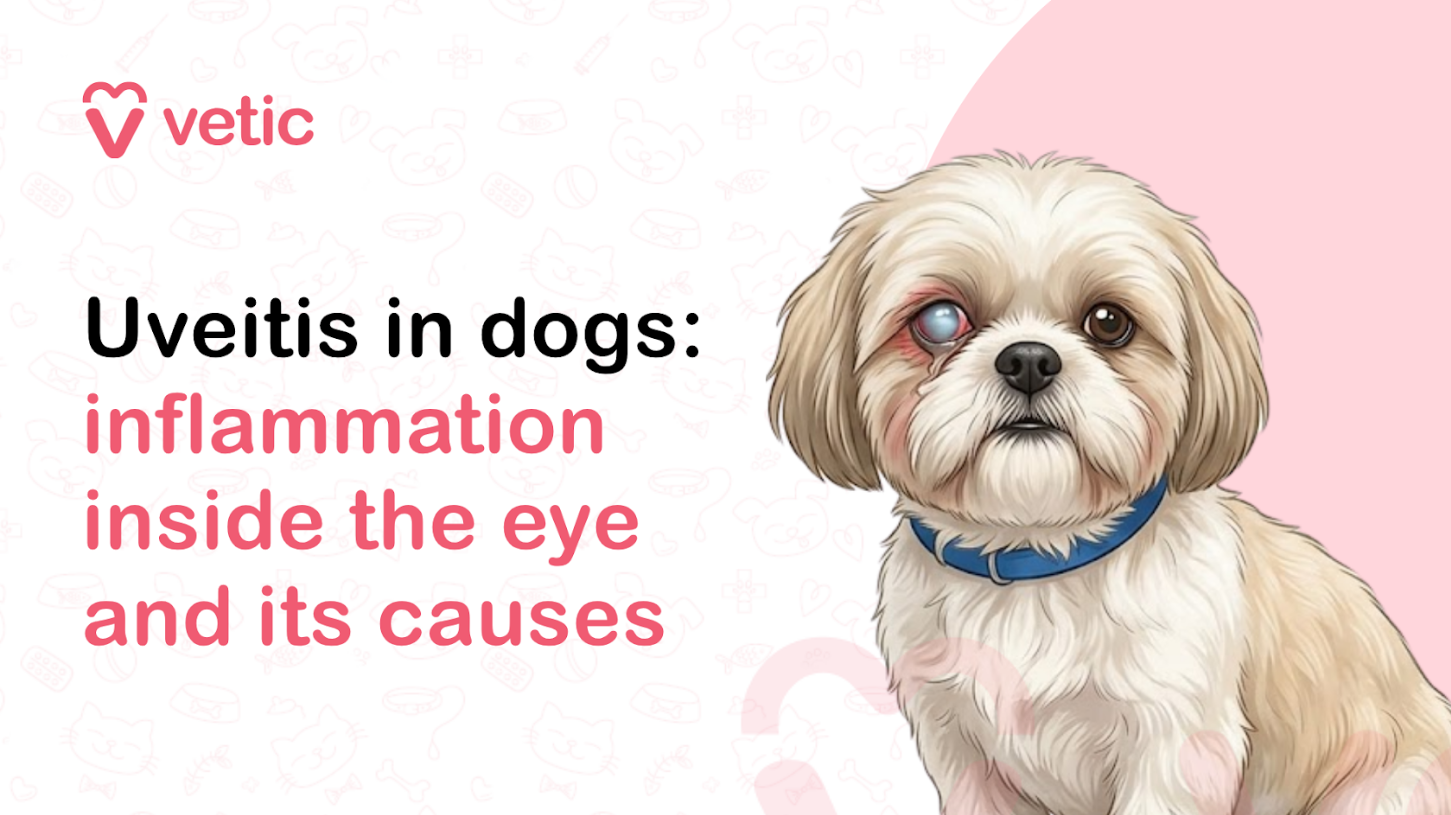
Uveitis in dogs is a serious eye condition that requires prompt attention. It affects the uvea, the middle layer of the eye, and often signals an underlying health issue. Canine uveitis can lead to pain, vision loss, or even permanent blindness in dogs if untreated. Because the causes range from simple infections to systemic diseases, recognising early signs and seeking timely care is critical.
What Is Uveitis in Dogs and Why Does It Occur?
Uveitis in dogs is inflammation of the uveal tract, which includes the iris, ciliary body, and choroid inside the eye. This inflammation occurs when the eye’s normal protective barriers break down, allowing inflammatory cells and proteins to enter. As a result, the eye’s internal environment is disrupted, leading to pain, light sensitivity, and vision problems.
Uveitis is often a secondary condition, meaning it develops as a result of another underlying issue rather than occurring on its own.
What Are the Types of Uveitis in Dogs?
Uveitis is classified by the part of the eye affected, with anterior uveitis being the most common. Other types include intermediate uveitis (affecting the ciliary body) and posterior uveitis (involving the choroid and retina).
What Is Anterior Uveitis in Dogs?
Canine anterior uveitis is inflammation of the front part of the eye, particularly the iris and ciliary body. It typically presents with visible signs in dogs, such as redness, squinting, excessive tearing, and cloudiness of the eyes. Because it affects structures that control light entry and fluid production, it can quickly affect vision and comfort.
This form is the easiest to detect because it affects the eye’s most visible structures.
Suggested Read: Entropion in Dogs: Causes, Symptoms, Surgery, Cost, and Recovery Guide
What Are the Common Causes of Uveitis in Dogs?
Uveitis in dogs can be caused by both eye-specific problems and systemic diseases affecting the entire body.
What Are Eye-Related vs Systemic Causes of Canine Uveitis?
Eye-related causes of canine uveitis originate within the eye itself, while systemic causes arise from diseases affecting the whole body.
Local causes may include eye injuries, infections (bacterial, viral, or fungal), cataracts, corneal ulcers, or lens-related issues. Systemic causes are more complex and may involve tick-borne diseases, viral infections, autoimmune disorders, or cancers in dogs.
In India, tick-borne infections are an important consideration, especially in dogs with outdoor exposure.
What Are the Signs and Symptoms of Uveitis in Dogs?
Uveitis in dogs typically presents with visible eye changes and signs of discomfort. Common signs of canine uveitis include:
- Red or bloodshot eyes
- Squinting or sensitivity to light
- Excessive tearing
- Cloudiness in the eye
- Small or irregular pupil
Dogs often show behavioural signs such as rubbing their eyes, avoiding bright light, or appearing lethargic due to discomfort.
How Do Veterinarians Diagnose Uveitis in Dogs?
Veterinarians diagnose uveitis in dogs through a thorough eye examination combined with diagnostic tools to assess internal eye structures. Early diagnosis is critical to prevent complications.
A typical exam includes:
- Visual inspection of the eye
- Use of specialised instruments like an ophthalmoscope
- Measurement of intraocular pressure
These steps help confirm the presence of inflammation and guide further testing.
What Tests Are Used to Identify the Underlying Cause?
Additional tests are often required to determine why uveitis has developed.
These may include blood tests to check for infections or systemic diseases, imaging to evaluate internal organs, and specific tests for tick-borne illnesses.
In some cases, advanced diagnostics, such as an eye ultrasound or a referral to a specialist, may be recommended.
What Are the Treatment Options for Canine Uveitis?
Treatment for canine uveitis focuses on reducing inflammation, relieving pain, and addressing the underlying cause. Prompt treatment significantly improves outcomes.
Treatment options may include:
- Anti-inflammatory medications
- Pain relief drugs
- Antibiotics or antifungals if infection is present
- Treatment for underlying systemic conditions
What Medications Are Used to Manage Uveitis In Dogs?
Medications used to treat uveitis in dogs typically include corticosteroids and nonsteroidal anti-inflammatory drugs (NSAIDs) to control inflammation. Eye drops are commonly prescribed to deliver medication directly to the affected area.
Other medications may include:
- Atropine to relieve pain and prevent complications
- Immunosuppressive drugs in autoimmune cases
The exact treatment plan depends on the severity and cause of the condition.
Can Uveitis in Dogs Be Treated at Home?
Uveitis in dogs cannot be treated at home without veterinary guidance, as improper treatment can worsen the condition.
While supportive care, such as preventing your dog from rubbing or scratching the eye, may help, medications must be prescribed based on the specific diagnosis.
Delaying professional treatment increases the risk of complications and permanent damage.
What Are the Complications of Untreated Uveitis in Dogs?
Untreated uveitis in dogs can lead to serious complications, including permanent vision loss and chronic pain. The longer inflammation persists, the greater the risk of damage.
Potential complications include:
- Glaucoma (increased eye pressure)
- Cataracts
- Retinal detachment
- Blindness
What Is the Prognosis and Recovery for Dogs with Uveitis?
The prognosis of canine uveitis depends on how early the condition is diagnosed, the dog’s response to treatment, the underlying cause, the presence of complications, and the dog’s overall health.
Dogs with mild, infection-related uveitis often recover well with timely treatment. However, cases linked to autoimmune disease or cancer may have a higher risk of recurrence.
Regular follow-up is essential to monitor healing and prevent relapse.
When Should You See a Vet for Eye Inflammation?
You should see a vet immediately if your dog shows any signs of eye inflammation, as uveitis can worsen quickly. Eye conditions are considered medical emergencies in many cases.
Seek veterinary care at the nearest dog hospital if you notice:
- Redness or swelling
- Squinting or pain
- Sudden vision changes
- Discharge or cloudiness
Prompt action can prevent serious complications of canine uveitis.
Can Uveitis in Dogs Be Prevented?
Prevention of canine uveitis is not always possible, especially when caused by internal diseases. But reducing risk factors can help lower the chances of uveitis in dogs.
Regular vaccination, parasite control, and prompt treatment of infections reduce the risk of systemic causes. Protecting dogs from trauma and maintaining overall health also plays a role.
Routine canine vet checkups help detect underlying conditions early before they affect the eyes.
Final Thoughts: About Uveitis in Dogs
Uveitis in dogs is a serious condition that requires early diagnosis and appropriate treatment. Because it often signals an underlying issue, managing uveitis involves more than just treating the eye. Prompt veterinary care, accurate diagnosis, and consistent follow-up are essential to preserve vision and ensure comfort.
Recognising early signs and acting quickly can make a significant difference in your dog’s long-term eye health.
FAQ: About Uveitis in Dogs
What causes uveitis in dogs?
Uveitis in dogs is caused by infections, trauma, autoimmune diseases, tumours, and systemic illnesses that trigger inflammation inside the eye.
Is uveitis in dogs painful?
Yes, uveitis in dogs is often painful and can cause discomfort, squinting, and light sensitivity.
Can anterior uveitis in dogs be cured?
Anterior uveitis in dogs can often be managed or resolved, especially if the underlying cause is identified and treated early.
How is canine uveitis treated?
Canine uveitis is treated with anti-inflammatory medications, pain relief, and therapies targeting the underlying cause.
Can uveitis lead to blindness in dogs?
Yes, untreated uveitis can lead to permanent vision loss due to complications such as glaucoma or retinal damage.
References
Gelatt, K. N. (2018, June 18). Disorders of the Anterior Uvea in Dogs. MSD Veterinary Manual. https://www.msdvetmanual.com/dog-owners/eye-disorders-of-dogs/disorders-of-the-anterior-uvea-in-dogs
Purina. (2022, August 5). Pigmentary Uveitis Research Aids Early Treatment. Purina pro Club. https://www.purinaproclub.com/pro-resources/learning-hub/breeding/golden-retriever-pigmentary-uveitis
Roze, M. (2026). Anterior Uveitis. Diagnosis and Treatment. VIN. https://www.vin.com/apputil/content/defaultadv1.aspx?pId=11147&catId=29502&id=3846256
Thomasy, S. M. (n.d.). Anterior Uveitis in Small Animals. MSD Veterinary Manual. https://www.msdvetmanual.com/emergency-medicine-and-critical-care/ophthalmic-emergencies-in-small-animals/anterior-uveitis-in-small-animals Whittaker, C. (2026). Uveitis in Veterinary Ophthalmology. VIN. https://www.vin.com/apputil/content/defaultadv1.aspx?pId=11242&meta=Generic&catId=31933&id=3860884