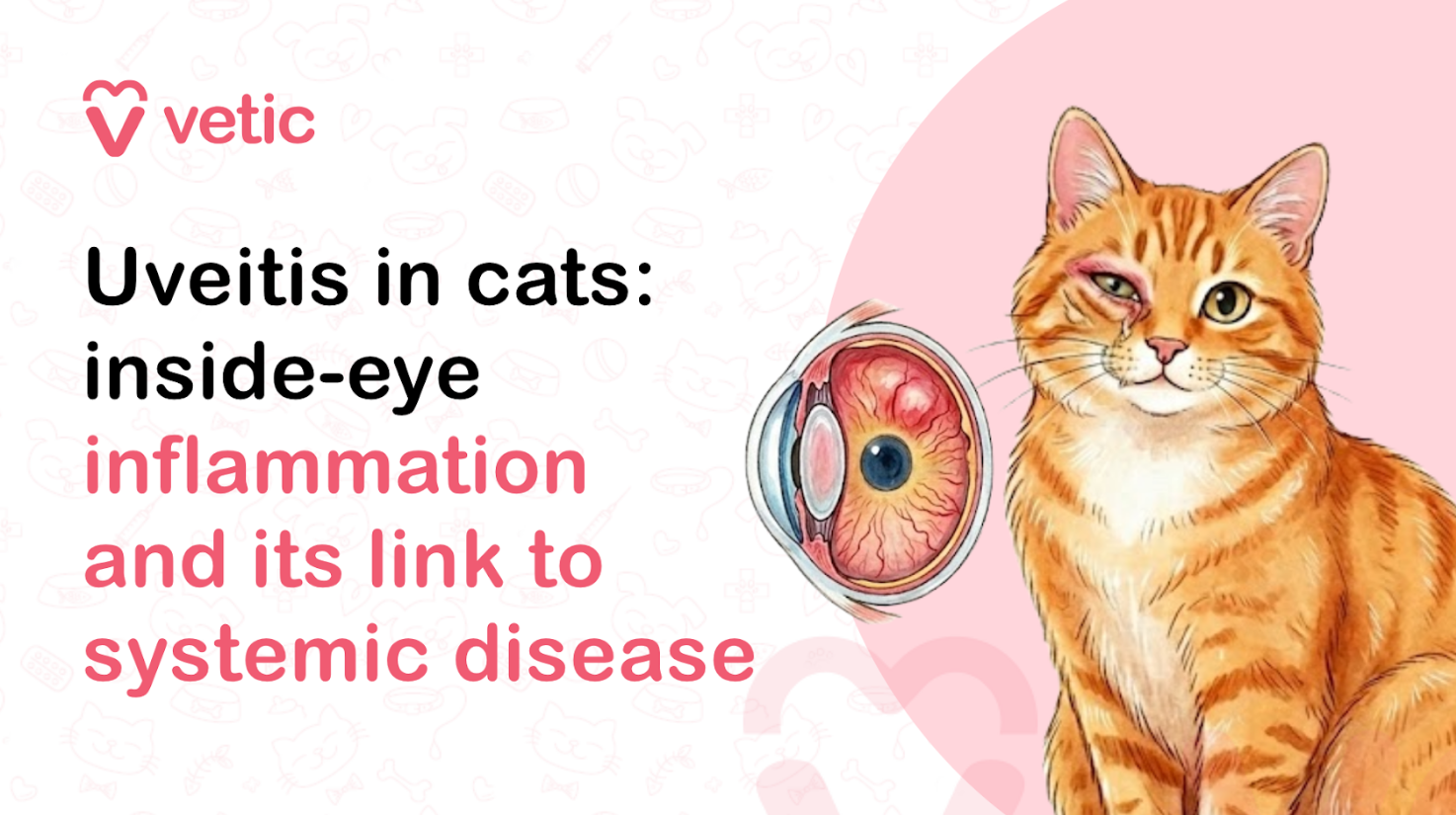
- Uveitis is inflammation inside a cat’s eye, often triggered by systemic diseases like FIV, FeLV, or FIP, and if left untreated, it can lead to blindness.
- Key signs include redness, squinting, and an unusually small or unevenly sized pupil.
- Treatment involves both eye-specific medication and addressing the underlying cause, so prompt veterinary care is essential.
Uveitis in cats is a serious eye condition that involves inflammation inside the eye. While it may initially appear to be a local eye problem, it is often linked to an underlying systemic disease. This makes early recognition and proper diagnosis especially important, as treating the eye alone is not always enough.
This blog explains what uveitis is, why it occurs, how it connects to broader health conditions, signs of emergency, and what treatment and long-term care involve.
What Is Uveitis in Cats and Why Does It Occur?
Uveitis in cats is inflammation of the uveal tract, a layer inside the eye that includes the iris, ciliary body, and choroid.
This part of the eye plays a key role in regulating light entry, fluid production, and blood supply to internal eye structures. When inflammation develops, it disrupts these functions and can quickly affect vision.
Uveitis occurs when inflammatory cells enter the eye, usually as a response to infection, immune dysfunction, or injury. Because the eye is closely connected to the bloodstream, systemic illnesses often trigger this response.
What Are The Types of Feline Uveitis?
Feline uveitis is classified based on which part of the eye is affected, and this helps determine severity and underlying cause.
What Is Anterior vs Posterior Uveitis in Cats?
Anterior uveitis affects the front of the eye, while posterior uveitis involves deeper internal structures.
Anterior uveitis in cats is the most commonly diagnosed form and involves the iris and ciliary body. It typically presents with visible signs such as redness, squinting, and changes in pupil size.
Posterior uveitis in cats affects the back of the eye, including the retina and choroid. This form may be harder to detect early because external signs are less obvious, but it can significantly impact vision.
In some cases, inflammation may involve both areas, referred to as panuveitis in cats.
Also Read: My Cat Has a Cloudy Eye: Should I Be Worried?
What Are The Common Causes of Uveitis in Cats?
Uveitis in cats can result from a wide range of infectious and non-infectious conditions.
Infectious causes of feline uveitis include viral, bacterial, fungal, and parasitic diseases. Viral infections such as feline immunodeficiency virus (FIV), feline leukaemia virus (FeLV), or feline infectious peritonitis (FIP) are commonly associated with uveitis. These conditions affect the immune system and allow inflammation to develop within the eye.
Non-infectious causes include trauma, immune-mediated diseases, and cancers such as lymphoma. Immune-mediated disorders can cause the body to attack its own tissues, including structures within the eye. Additionally, certain cancers and chronic infections may lead to secondary uveitis in cats.
In some cases, the exact cause of feline uveitis may remain unknown despite thorough investigation.
What Are The Signs and Symptoms of Uveitis in Cats?
Cats with uveitis typically show visible eye changes along with signs of discomfort or vision disturbance.
Common signs of feline uveitis include redness of the eye, squinting, and sensitivity to light. The pupil may appear smaller than normal or respond poorly to light. You may also notice cloudiness, discharge, or a change in eye colour.
Behavioural signs such as hiding, reduced activity, or reluctance to move in bright light may indicate pain or vision issues in cats.
Suggested Read: Why Does My Cat Stare at Me? 6 Reasons Cats Stare and How to Respond
How Uveitis Affects Vision and Eye Health in Cats
Uveitis can significantly impact vision by disrupting normal eye function and causing structural damage.
Inflammation inside the eye interferes with fluid balance and light transmission. This can lead to blurred vision or partial vision loss. If left untreated, uveitis may result in complications such as glaucoma, cataracts, or retinal damage.
The longer inflammation persists, the higher the risk of permanent vision impairment.
How Veterinarians Diagnose Uveitis in Cats?
Diagnosis of feline uveitis involves confirming inflammation and identifying the underlying cause.
Veterinarians begin with a detailed eye examination using specialised instruments to assess internal structures. They evaluate pupil response, eye pressure, and signs of inflammation.
Because uveitis is often linked to systemic disease, further testing is usually required to determine the root cause.
Which Tests Are Used to Identify Underlying Systemic Causes?
Blood tests in cats are commonly performed to evaluate organ function and detect infectious diseases. Specific tests may be used to screen for viral infections such as FeLV and FIV.
Imaging and advanced diagnostics may be recommended if cancer or internal disease is suspected. In some cases, fluid analysis or specialised eye imaging may be required.
A thorough diagnostic approach ensures both the eye condition and its underlying cause are addressed.
What Are The Treatment Options for Feline Uveitis?
Effective treatment of feline uveitis requires both local eye therapy and systemic management. Treatment focuses on reducing inflammation and addressing the underlying cause simultaneously.
How to Manage Inflammation and Underlying Disease?
Anti-inflammatory medications, often in the form of eye drops, are used to control inflammation and reduce pain. These may include corticosteroids or other targeted therapies.
If an infection is present, appropriate antiviral, antibiotic, or antifungal medications are prescribed. In cases linked to immune disorders or cancer, more specialised treatments may be required.
Prompt and consistent treatment of feline uveitis is essential to prevent complications.
Can Uveitis in Cats Be Managed at Home?
Uveitis in cats can be managed at home only under strict veterinary guidance and with consistent treatment.
Administering medications correctly and on schedule is critical for controlling inflammation. Regular follow-up visits at the best pet clinic are needed to monitor progress and adjust treatment if necessary.
While daily care happens at home, ongoing veterinary supervision is essential due to the complexity of the condition.
What Are The Complications of Untreated Uveitis in Cats?
Untreated uveitis in cats can lead to severe and often irreversible eye damage.
Persistent inflammation may result in glaucoma, where increased pressure damages the optic nerve. Cataracts may develop, affecting vision, and in severe cases, retinal detachment can occur.
Chronic pain and permanent blindness are possible outcomes if treatment is delayed.
What Is The Long-Term Outlook for Cats with Uveitis?
The long-term outlook of feline uveitis depends on the underlying cause, severity, and response to treatment.
What Factors Influence Recovery and Recurrence of Uveitis In Cats?
Prognosis varies based on how early the condition is diagnosed and how effectively the underlying disease is managed.
Cats with mild, treatable causes often recover well with minimal long-term effects. However, cases linked to chronic systemic disease may require ongoing management and carry a higher risk of recurrence.
Regular monitoring helps maintain eye health and prevent complications.
When Should You See a Vet for Eye Inflammation in Cats?
You should seek veterinary care at the nearest cat hospital as soon as you notice any signs of eye inflammation or discomfort.
Symptoms such as redness, squinting, discharge, or changes in pupil size require prompt evaluation. Early treatment improves outcomes and reduces the risk of permanent damage.
Delaying care can allow inflammation to progress rapidly.
Can Uveitis in Cats Be Prevented?
While not all cases can be prevented, reducing exposure to risk factors can lower the likelihood of uveitis.
Routine cat vaccinations, regular health check-ups, and early treatment of infections can help prevent some causes. Keeping cats indoors reduces exposure to infectious diseases and trauma.
Final Thoughts: About Uveitis in Cats
Uveitis in cats is more than just an eye problem; it is often a sign of a deeper health issue. Recognising symptoms early and seeking prompt veterinary care allows both the eye condition and its underlying cause to be addressed effectively. With timely treatment and proper management, many cats can maintain good vision and quality of life.
FAQ: About Uveitis in Cats
What causes uveitis in cats?
Uveitis in cats can be caused by infections, immune disorders, trauma, or systemic diseases such as viral infections or cancer.
Is feline uveitis painful?
Yes. Uveitis in cats is often painful and may cause squinting, light sensitivity, and behavioural changes.
Can uveitis in cats lead to blindness?
Yes, if left untreated, it can lead to complications that cause partial or complete vision loss.
How is uveitis in cats treated?
Treatment includes anti-inflammatory eye medications and therapy directed at the underlying cause.
Is uveitis linked to other diseases in cats?
Yes. Uveitis in cats is frequently associated with systemic illnesses, especially viral infections and immune-related conditions.
References
Bjerkås, E. (2026). Uveitis of the Cat Related to Systemic Diseases. VIN. https://www.vin.com/apputil/content/defaultadv1.aspx?id=3850121&pid=8768
Gelatt, K. N. (2018, July 31). Disorders of the Anterior Uvea in Cats. MSD Veterinary Manual. https://www.msdvetmanual.com/cat-owners/eye-disorders-of-cats/disorders-of-the-anterior-uvea-in-cats
Hamor, R. E. (n.d.). The Anterior Uvea in Animals. MSD Veterinary Manual. https://www.msdvetmanual.com/eye-diseases-and-disorders/ophthalmology/the-anterior-uvea-in-animals
Roze, M. (2026). Anterior Uveitis: Diagnosis and Treatment. Vin.com. https://www.vin.com/apputil/content/defaultadv1.aspx?pId=11181&catId=30092&id=3852268&ind=322&objTypeID=17 Thomasy, S. M. (n.d.). Anterior Uveitis in Small Animals. https://www.msdvetmanual.com/emergency-medicine-and-critical-care/ophthalmic-emergencies-in-small-animals/anterior-uveitis-in-small-animals