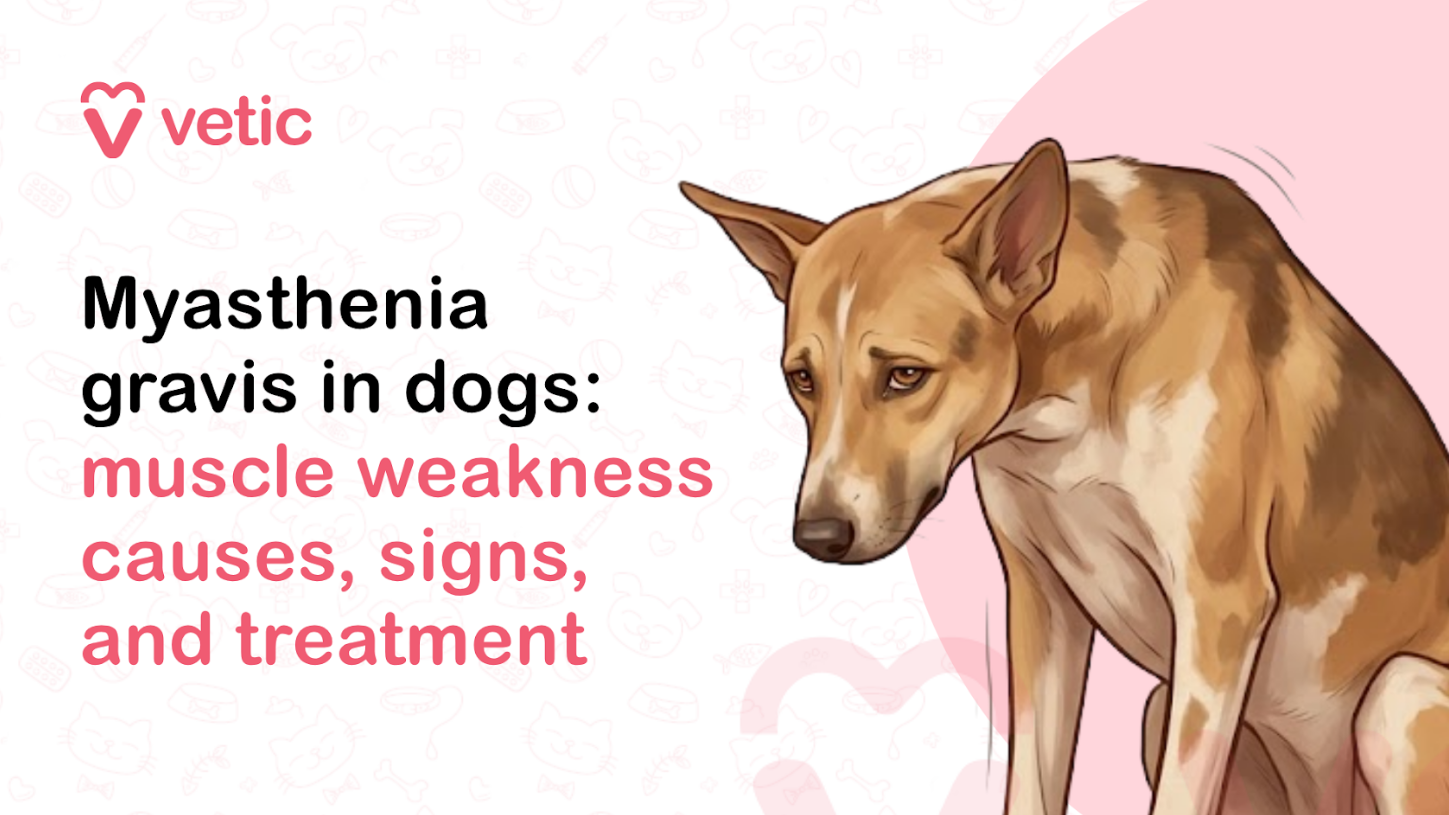
Myasthenia gravis in dogs is a neuromuscular disorder that can cause sudden or progressive weakness, often leaving pet parents confused and concerned. It occurs when communication between nerves and muscles is disrupted, leading to reduced muscle strength and fatigue or lethargy in dogs. While the condition can seem alarming, early diagnosis and appropriate management can significantly improve outcomes and quality of life.
What Is Myasthenia Gravis in Dogs and How Does It Affect Muscles?
Myasthenia gravis in dogs is a condition in which nerve signals fail to stimulate muscles, resulting in muscle weakness.
Under normal circumstances, nerves release a chemical called acetylcholine. This chemical binds to receptors on muscle cells and triggers contraction. In myasthenia gravis, these receptors are reduced or blocked, so the muscles do not respond effectively.
This leads to muscle weakness that worsens with activity and improves with rest, which is a key clinical feature used in diagnosis.
What Causes Myasthenia Gravis in Dogs?
Myasthenia gravis in dogs can be either acquired (most common) or congenital, depending on the underlying cause.
In acquired cases, the dog’s immune system mistakenly attacks the acetylcholine receptors, reducing their number and function. This is known as an autoimmune response.
In some dogs, myasthenia gravis may be associated with underlying conditions such as tumours (especially thymoma), infections, or other immune-mediated diseases. Congenital cases of canine myasthenia gravis are rare and usually seen in younger dogs due to genetic defects.
What Are the Early Signs and Symptoms of Myasthenia Gravis in Dogs?
The earliest signs of myasthenia gravis disease in dogs are exercise-related weakness and fatigue that improve after rest. Dogs may appear normal at first but develop weakness after short periods of activity. You might notice difficulty walking long distances, reluctance to exercise, or collapsing after exertion.
Other early signs can include:
- Drooping of the head or neck
- Stiff or stilted gait
- Difficulty jumping or climbing stairs
- Changes in voice
- Difficulty swallowing
- Regurgitation of food (due to oesophageal involvement)
These symptoms of canine myasthenia gravis may come and go, which can sometimes delay diagnosis.
Also Read: Why is your dog not eating: What can you do?Why is your dog not eating: What can you do?
How Does Muscle Weakness Progress in Dogs with Myasthenia Gravis?
Muscle weakness in myasthenia gravis can progress from mild fatigue to severe inability to stand or move. There are three main forms of progression: focal, generalised, and fulminant.
Initially, in focal form, weakness may occur only after exercise. But over time, it can become more persistent.
In generalised form, some dogs develop generalised weakness affecting all limbs, while others may show focal signs such as difficulty swallowing (megaesophagus).
Fulminant form is a severe, rapid-onset version that can lead to collapse and breathing difficulties. In advanced cases, dogs may struggle to stand, walk, or even hold their head up, especially after minimal activity.
How Do Veterinarians Diagnose Myasthenia Gravis in Dogs?
Diagnosis of myasthenia in dogs is based on a combination of clinical evaluation and specific diagnostic tests. A detailed history and physical examination are essential first steps.
Diagnostic methods may include blood tests to detect antibodies against acetylcholine receptors. The Edrophonium (Tensilon) test helps evaluate temporary improvement in strength. Electromyography (EMG) is used to assess muscle activity. Chest X-rays help to check for an enlarged oesophagus (megaesophagus) or tumours in dogs.
Early and accurate diagnosis is crucial for effective management.
What Are the Treatment Options for Canine Myasthenia Gravis?
Treatment for canine myasthenia gravis focuses on improving muscle function and managing underlying causes. While the condition cannot always be cured, it can often be controlled effectively. Treatment strategies include:
- Enhancing nerve-muscle communication
- Suppressing the immune response
- Addressing complications like megaesophagus
Which Medications Are Used For Myasthenia in Dogs?
Medications such as anticholinesterase drugs are the mainstay of treatment for canine myasthenia gravis.
Drugs like pyridostigmine help prevent the breakdown of acetylcholine, allowing better muscle stimulation. In some cases, immunosuppressive medications such as corticosteroids may be used to control the autoimmune response. If an underlying tumour is present in dogs, surgical removal or additional treatment may be required.
The choice of medication depends on the severity and form of the myasthenia gravis disease in dogs.
How to Manage Feeding and Daily Care?
Feeding and daily care are critical, especially in dogs with swallowing difficulties or megaesophagus.
Dogs with myasthenia gravis often need to be fed in an elevated position (e.g., a bailey chair) to reduce the risk of food entering the lungs. Keep the dog upright for 10-20 minutes after eating. Smaller, more frequent meals are usually recommended.
Daily care also involves limiting excessive exercise, maintaining a stable routine, and closely monitoring for any signs of worsening weakness.
What Complications Are Linked to Myasthenia Gravis in Dogs?
The most serious complications of myasthenia gravis in dogs involve respiratory issues and severe muscle weakness.
What is Aspiration Pneumonia?
Aspiration pneumonia is the most common and life-threatening complication in dogs with myasthenia gravis. This condition occurs when food or water enters the lungs due to swallowing difficulties. Signs of aspiration in dogs include coughing, fever, breathing difficulty, and lethargy. It requires immediate veterinary treatment at the nearest dog hospital.
What Is the Prognosis of Dogs with Myasthenia Gravis?
The prognosis of canine myasthenia gravis varies widely depending on severity, complications, and response to treatment.
Dogs without severe complications, especially aspiration pneumonia, often respond well to treatment and may improve significantly over time. Some cases even go into remission.
However, dogs with recurrent pneumonia or underlying tumours tend to have a more guarded prognosis.
Suggested Read: Breathing Difficulty in Dogs: Why Dogs Experience Heavy Breathing and What You Can Do About It?
Can Myasthenia Gravis in Dogs Be Prevented?
Myasthenia gravis cannot be prevented because it is primarily an autoimmune or genetic condition.
However, responsible breeding practices may help reduce congenital cases, and routine veterinary checkups can aid in early diagnosis. Managing associated conditions, such as tumours or infections, also improves outcomes.
When Should You See a Vet for Muscle Weakness in Dogs?
You should seek veterinary care as soon as you notice unexplained weakness, especially if it worsens with activity.
Signs such as collapse after exercise, breathing issues, difficulty swallowing, regurgitation, or persistent fatigue should never be ignored.
Final Thoughts: About Myasthenia Gravis in Dogs
Myasthenia gravis in dogs is a manageable condition when diagnosed early and treated appropriately. While it can cause significant muscle weakness and complications, many dogs respond well to medication and supportive care. The focus should always be on early recognition, consistent management, and the prevention of complications such as aspiration pneumonia. With the right approach, many affected dogs can maintain a good quality of life.
FAQ: About Myasthenia Gravis in Dogs
What are the first signs of myasthenia gravis in dogs?
Early signs of myasthenia gravis in dogs include weakness after exercise, fatigue, difficulty maintaining normal activity levels and occasional regurgitation after eating.
Is myasthenia gravis in dogs curable?
Myasthenia gravis in dogs is sometimes reversible, especially in acquired cases, but many dogs require long-term management rather than a permanent cure.
How is canine myasthenia gravis treated?
Canine myasthenia gravis is treated with medications that improve nerve-muscle communication, along with supportive care and treatment of underlying causes.
Can dogs live a normal life with myasthenia gravis?
Yes, many dogs can live a relatively normal life with proper treatment, monitoring, and adjustments to feeding and daily routines.
What complications should I watch for in affected dogs?
You should watch for complications such as aspiration pneumonia, severe weakness, regurgitation, and breathing difficulties. These conditions require immediate veterinary attention.
References
LeCouteur, R. A. (2026). Myasthenia Gravis. VIN. https://www.vin.com/apputil/content/defaultadv1.aspx?id=7054907&
MSD Veterinary Manual. (2026). Myasthenia gravis, radiograph, dog. https://www.msdvetmanual.com/multimedia/image/myasthenia-gravis-radiograph-dog
Parsley, E. (n.d.). Congenital and Inherited Neuromuscular Disorders in Dogs and Cats. MSD Veterinary Manual, 1361–1401. https://www.msdvetmanual.com/nervous-system/congenital-and-inherited-anomalies-of-the-nervous-system-in-small-animals/congenital-and-inherited-neuromuscular-disorders-in-dogs-and-cats
Rubin, M. (n.d.). Myasthenia Gravis. MSD Manual Professional Edition. https://www.msdmanuals.com/professional/neurologic-disorders/peripheral-nervous-system-and-motor-unit-disorders/myasthenia-gravis Thomas, W. B. (n.d.). Inflammatory Disorders of the Peripheral Nerves and Neuromuscular Junction in Animals. MSD Veterinary Manual. https://www.msdvetmanual.com/nervous-system/diseases-of-the-peripheral-nerves-and-neuromuscular-junction/inflammatory-disorders-of-the-peripheral-nerves-and-neuromuscular-junction-in-animals