Heatstroke in cats is a serious and potentially life-threatening condition that requires immediate attention. While cats are often seen as independent and resilient, they are not immune to extreme heat especially during Indian summers.
Understanding how heatstroke happens, recognising early warning signs, and knowing what to do in an emergency can help you protect your cat from severe complications.
What Is Heatstroke in Cats and Why It Can Be a Life-Threatening Emergency
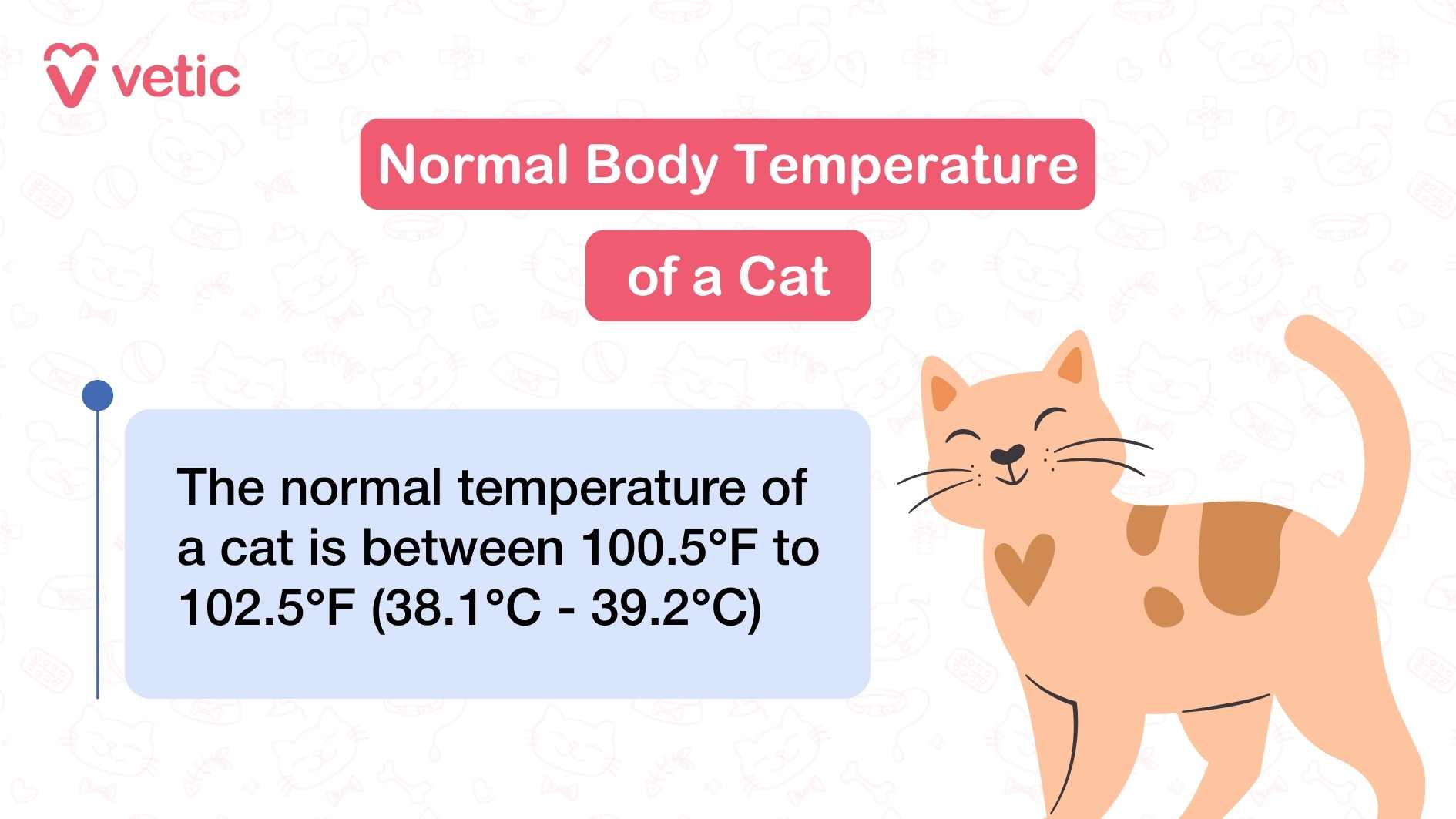
Heatstroke in cats occurs when their body temperature rises above 104°F (40°C) and they are unable to cool themselves effectively. A cat’s normal body temperature ranges between 100.5°F to 102.5°F (38.1°C to 39.2°C), and anything beyond this range can quickly become dangerous.
When the body overheats, it starts affecting vital organs such as the brain, liver, kidneys, and heart. If not treated promptly, heatstroke can lead to organ failure, seizures, and even death. This is why heatstroke in cats is always considered a medical emergency.
Heat Exhaustion vs Heatstroke in Cats: Understanding the Key Differences
Heat exhaustion is an early stage of overheating and can progress into heatstroke if not managed in time. It usually occurs when a cat has been exposed to heat or has been active in warm conditions for too long.
Common signs of heat exhaustion include:
- Restlessness and discomfort
- Panting or rapid breathing
- Drooling
- Excessive grooming
- Redness of the nose and gums
If these signs are ignored, the condition can escalate into heatstroke, where symptoms become more severe and life-threatening.
Why Cats Can Develop Heatstroke During Hot Weather or Poor Ventilation
Cats can develop heatstroke not only due to high temperatures but also due to poor ventilation and humidity. Unlike humans, cats have limited ability to regulate their body temperature. They rely on behaviours like grooming and seeking cool surfaces, but these methods are often insufficient in extreme heat.
Even indoor cats are at risk if they are kept in poorly ventilated spaces without fans, coolers, or air conditioning. Long-haired and flat-faced breeds may struggle even more to dissipate heat effectively.
Common Causes and Situations That Can Lead to Heatstroke in Cats
Heatstroke can occur in several everyday situations, many of which may not seem dangerous at first.
Some common triggers include:
- Prolonged exposure to direct sunlight
- Playing or exerting in hot weather
- Lack of access to cool drinking water
- Staying in enclosed, poorly ventilated rooms
- High humidity levels
- Thick or long coats trapping heat
Cats can even develop heatstroke on relatively moderate days if these factors combine.
Risk Factors That Make Certain Cats More Vulnerable to Heatstroke
Age, Health Conditions, and Physical Traits That Increase Heatstroke Risk
Some cats are naturally more prone to overheating due to their age, body condition, or health status. Senior cats, kittens under 4 months, and overweight cats are at higher risk because their bodies are less efficient at regulating temperature.
Cats with pre-existing conditions such as chronic kidney disease (CKD), diabetes, heart disease, or respiratory issues are also more vulnerable. Additionally, flat-faced breeds like Persians may struggle due to restricted airflow.
Indoor vs Outdoor Environments That Can Trigger Heatstroke in Cats
Both indoor and outdoor environments can pose risks if not managed properly. Outdoor cats may face direct sunlight, heat, and humidity, while indoor cats may suffer due to lack of airflow or cooling systems.
Homes without proper ventilation, especially during power cuts or peak summer afternoons, can become dangerously warm for cats.
Early Signs and Warning Symptoms of Heatstroke in Cats Pet Parents Should Watch For
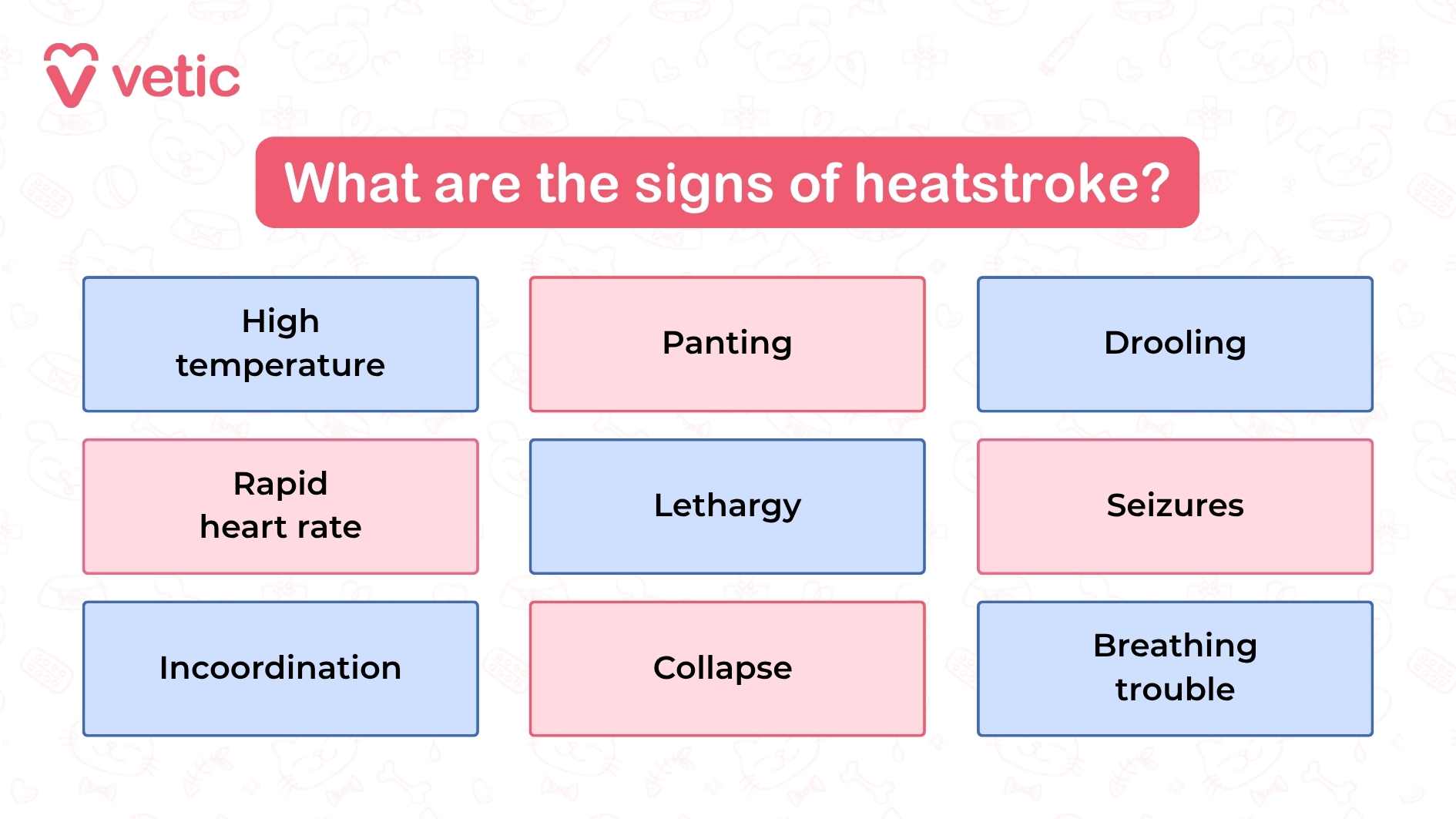
Recognising early symptoms can save your cat’s life. Heatstroke signs can escalate quickly, so prompt action is essential.
Watch for the following symptoms:
- Panting or breathing difficulty
- Rapid heart rate
- Excessive drooling
- Red nose, tongue, or gums
- Vomiting or diarrhoea
- Incoordination or weakness
- Seizures or collapse
If you notice any of these signs, treat it as an emergency and act immediately.
What To Do Immediately If Your Cat Shows Signs of Heatstroke
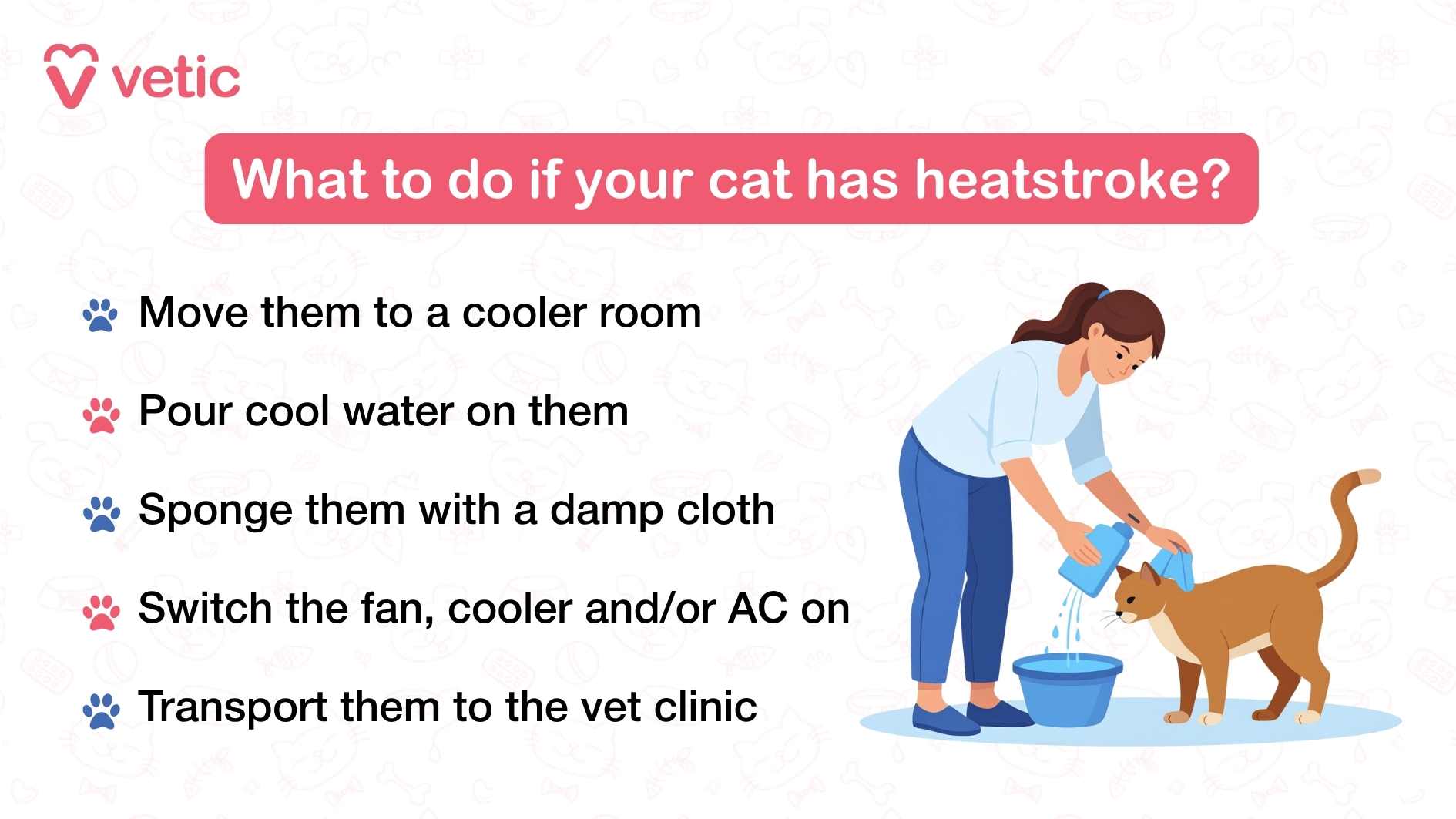
If your cat shows signs of heatstroke, your first priority should be to cool them down safely while preparing to visit a veterinarian.
Move your cat to a cool, shaded area or an air-conditioned room immediately. Begin cooling them gradually using cool (not cold) water on areas like the belly, paws, and ears. You can also gently sponge them with a damp cloth.
Offer small amounts of cool water if your cat is alert, but do not force them to drink. Avoid extreme cooling methods such as ice baths, as these can restrict blood flow and worsen the condition.
While doing this, monitor their temperature if possible and head to the nearest veterinary clinic without delay.
Here’s what you should NOT do if your cat is experiencing a heatstroke
Immerse them in cold water
Immersing your cat in cold water will harm them. It will constrict all blood vessels and prevent the release of heat.
Apply wet towels for long periods
You should never leave wet towels for longer periods on your already overheated cat. These towels will absorb heat, become hot and prevent the evaporation of water from their body, impeding the cooling effect.
Wait after signs of heatstroke in cats
The biggest mistake you can make is waiting for the signs to go away on their own. Heatstroke is a serious condition and always an emergency. It needs to be dealt with promptly and methodically. Move your cat to the nearest emergency vet clinic within the next few minutes.
Heatstroke in Cats: Risk Factors That Increase the Chances of Overheating
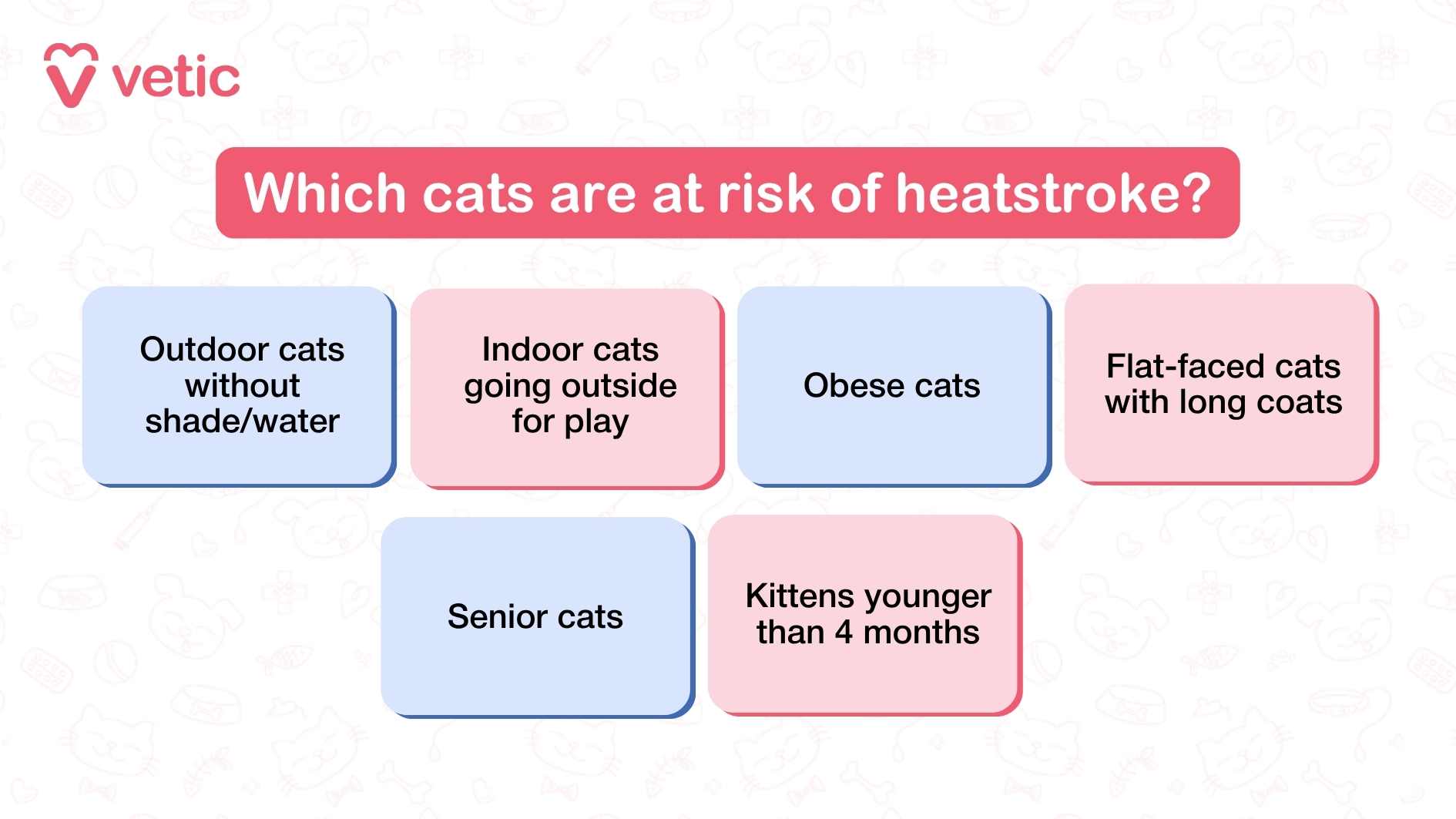
Certain conditions significantly increase the likelihood of heatstroke in cats:
- Limited access to water
- High humidity environments
- Lack of shade or cooling indoors
- Obesity or poor overall health
- Extended playtime during hot hours
Being aware of these factors can help you prevent emergencies before they happen.
How Veterinarians Diagnose Heatstroke in Cats and Assess Its Severity
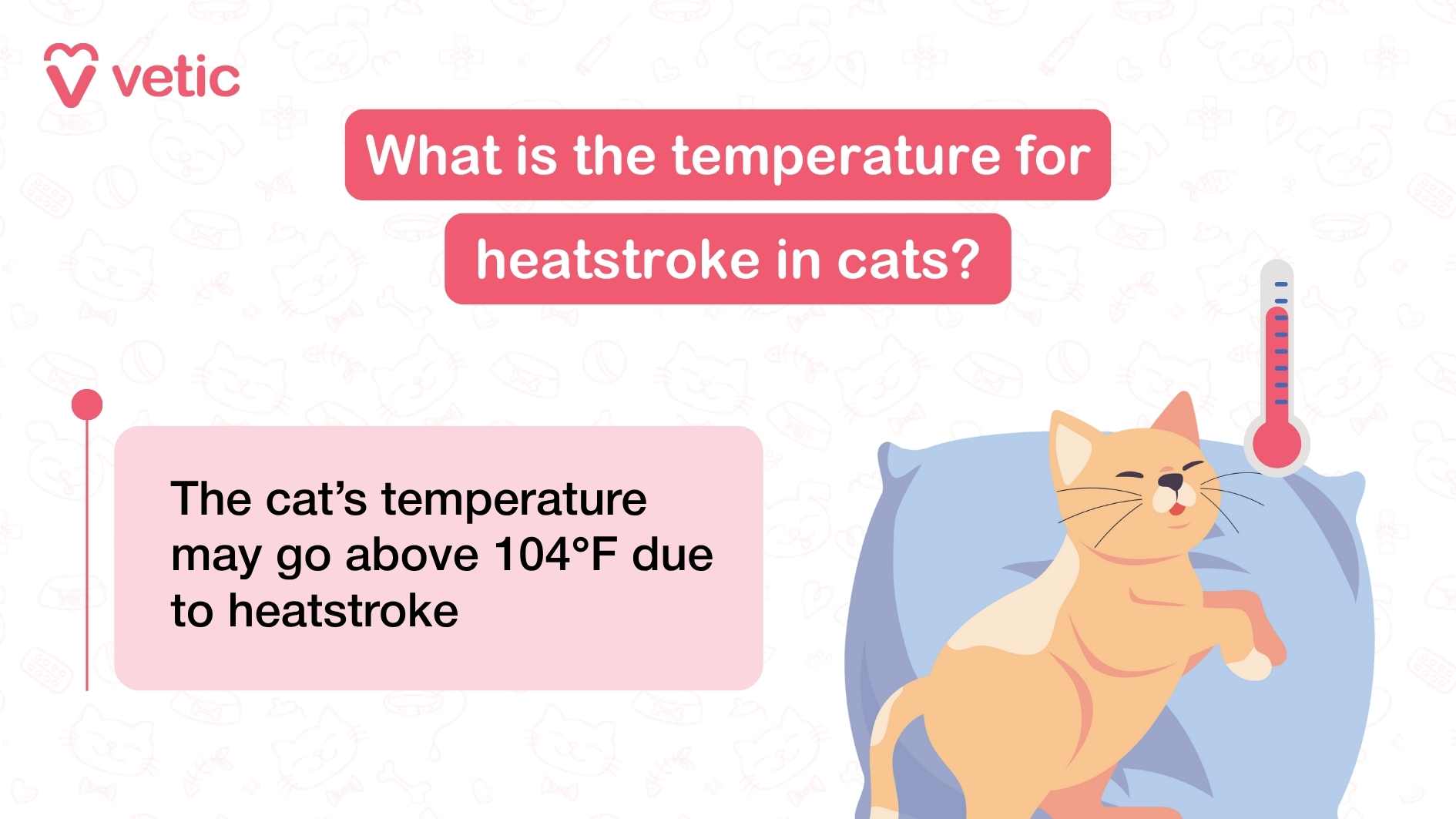
Veterinarians primarily diagnose heatstroke based on clinical signs and body temperature. A rectal temperature above 104°F is a strong indicator.
Once stabilised, the vet may perform blood tests to assess organ function and identify any internal damage. Continuous monitoring of temperature, heart rate, and breathing is critical during diagnosis and treatment.
Treatment Options for Heatstroke in Cats and Emergency Veterinary Care
Treatment for heatstroke begins immediately upon arrival at the clinic. The primary goal is to stabilise body temperature and prevent organ damage.
Veterinary care may include:
- Intravenous (IV) fluids to treat dehydration
- Temperature regulation and monitoring
- Oxygen or respiratory support if needed
- Glucose supplementation in some cases
Cats may need hospitalisation for continuous monitoring, especially in moderate to severe cases.
Recovery Timeline and Possible Complications After Heatstroke in Cats
Most cats recover well if treatment is provided early. However, severe cases can lead to long-term complications such as:
- Kidney or liver damage
- Neurological issues
- Increased risk of future heat sensitivity
Recovery may take a few days to weeks depending on severity. During this time, it is important to keep your cat cool, hydrated, and stress-free.
Practical Tips for Preventing Heatstroke in Cats During Hot Weather
Preventing heatstroke is always easier than treating it. Simple daily care can significantly reduce the risk.
Keep your cat indoors during peak heat hours and ensure they always have access to fresh, cool water. Limit playtime during hot afternoons and create cool resting spots around the house.
Preventing Heatstroke in Cats: Practical Tips to Keep Your Cat Safe During Hot Weather
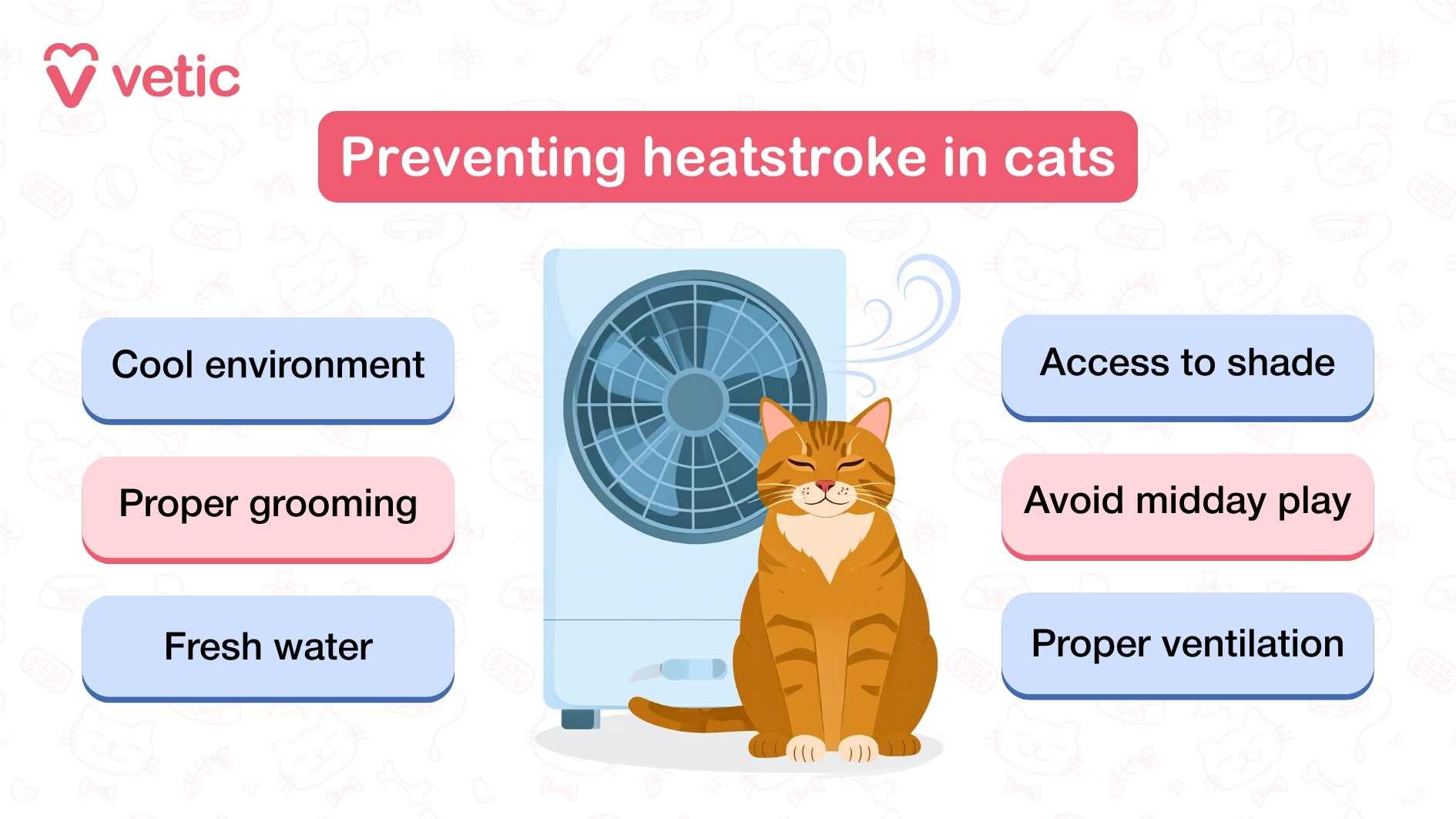
To protect your cat during summer, focus on maintaining a cool and comfortable environment.
- Keep curtains closed during the day to reduce heat
- Use fans, coolers, or air conditioning when needed
- Provide shaded areas and cooling surfaces
- Avoid shaving your cat’s coat completely, as it helps regulate temperature
- For outdoor cats, ensure access to shade and water at all times
Simple adjustments in your home and routine can make a big difference in keeping your cat safe.
Frequently Asked Questions
Can cats get heatstroke?
Yes, cats can develop heatstroke when their body temperature rises above safe levels and they cannot cool down effectively.
What are the early signs of heatstroke in cats?
Early signs include panting, drooling, restlessness, and red gums.
How is heatstroke in cats different from heatstroke in dogs?
Cats are less likely to show early signs like panting, making heatstroke harder to detect until it becomes severe.
What should I do if my cat is having a heatstroke at home?
Move them to a cool area, start gentle cooling with cool water, and take them to a vet immediately.
How do I cool down an overheating cat safely?
Use cool water on the body and ensure airflow. Avoid ice or very cold water.
Which cats are most at risk of heatstroke in India?
Flat-faced breeds, senior cats, kittens, overweight cats, and those with health issues.
Can indoor cats get heatstroke in Indian summers?
Yes, especially in poorly ventilated homes without cooling systems.
How much water should my cat drink in summer to stay safe?
Cats should always have access to fresh water; intake varies, but hydration is critical.
Can heatstroke in cats cause long-term health damage?
Yes, severe cases can lead to kidney, liver, or neurological damage.
When should I take my cat to the vet for a heat-related illness?
Immediately, if you notice any signs of overheating or unusual behaviour.
References:
American Society for the Prevention of Cruelty to Animals (ASPCA). (n.d.). Hot weather safety tips. Retrieved from https://www.aspca.org/pet-care/general-pet-care/hot-weather-safety-tips
Cornell University College of Veterinary Medicine. (n.d.). Heat stroke in cats. Retrieved from https://www.vet.cornell.edu
Merck Veterinary Manual. (n.d.). Heat stroke in animals. Retrieved from https://www.merckvetmanual.com
Royal Veterinary College. (n.d.). Heat-related illness in pets. Retrieved from https://www.rvc.ac.uk
The Humane Society of the United States. (n.d.). Keep pets safe in hot weather. Retrieved from https://www.humanesociety.org/resources/keep-pets-safe-hot-weather
World Small Animal Veterinary Association (WSAVA). (n.d.). Guidelines on recognizing and managing heat-related illness in pets. Retrieved from https://wsava.org