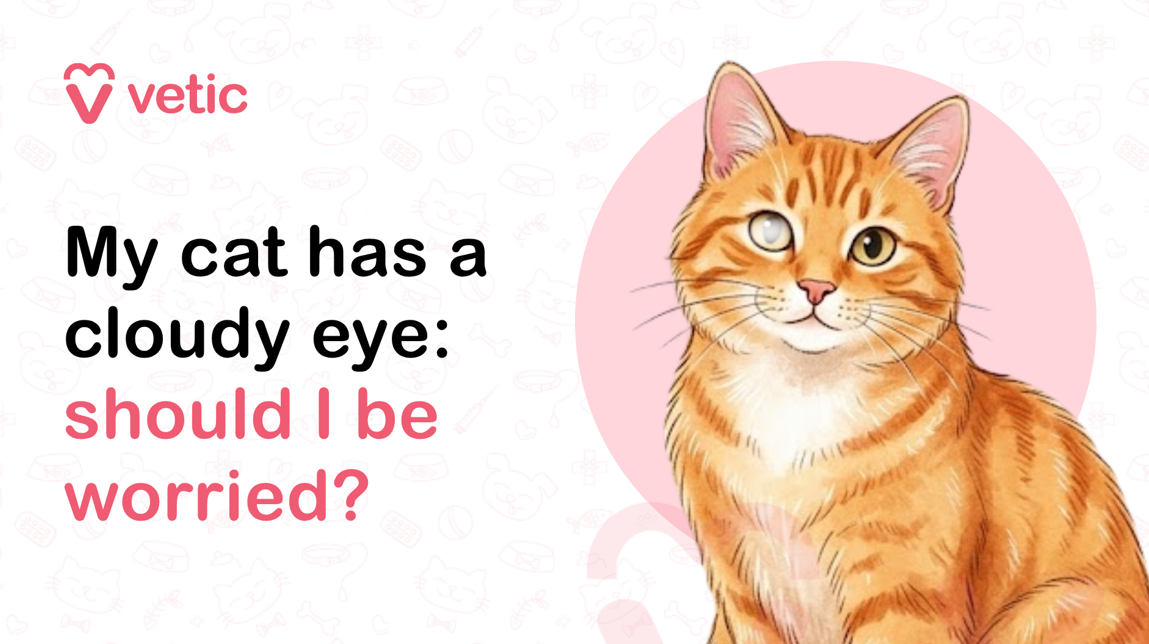
A cloudy or milky appearance in your cat’s eye can be alarming, especially if it appears suddenly. While some causes are mild and reversible, others can affect vision or indicate serious eye disease. The key is recognising what’s normal, what’s not, and when to act.
This blog explains what a cloudy eye in cats means, common causes, emergency signs, and how it’s treated.
What Does a Cloudy Eye in Cats Look Like?
A cloudy eye in cats appears as a hazy, bluish, grey, or white film over part or all of the eye.
The cloudiness may affect the clear front surface (cornea) or appear deeper inside the eye (lens or internal structures). In some cats, the eye looks dull or “foggy,” while in others, it may appear opaque or milky.
You may also notice accompanying changes such as redness, squinting, discharge, or a difference in pupil size. Whether the cloudiness is subtle or obvious, any change in eye clarity should be taken seriously.
Why Do Cats Develop Cloudy or Milky Eyes?
Cloudiness develops when the normally transparent parts of the eye become inflamed, damaged, or structurally altered.
The eye relies on clear tissues to allow light to pass through and reach the retina. When inflammation, infection, injury, or internal pressure disrupts these tissues, they lose transparency and appear cloudy.
The exact reason for a foggy cat eye depends on which part of the eye is affected. Surface problems usually involve the cornea, while deeper cloudiness often relates to the lens or internal eye conditions.
What Are The Causes of Cloudy Eye in Cats?
Several eye conditions can cause a milky eye in cats, ranging from mild irritation to serious disease.
Corneal ulcers or infections are among the most common causes. These occur when the eye’s surface is damaged, often leading to pain, redness, discharge, and cloudiness.
Cataracts involve the lens becoming opaque and are more commonly seen in older cats or those with underlying metabolic issues. These usually cause a white or grey appearance deeper in the eye.
Glaucoma is a serious condition in which increased pressure inside the eye leads to swelling, cloudiness, and pain. This condition can progress quickly and may result in permanent vision loss if not treated promptly.
Other causes of feline cloudy eyes include conjunctivitis, uveitis (inflammation inside the eye), trauma, viral infections, and degenerative changes associated with ageing.
Also Read: Why Does My Cat Stare at Me? 6 Reasons Cats Stare and How to Respond
Is a Cloudy Eye in Cats an Emergency?
A cloudy eye in cats can be an emergency depending on how quickly it develops and what other symptoms are present.
Sudden cloudiness, especially when accompanied by pain, redness, squinting, discharge, excessive tearing, changes in behaviour or vision, or your cat avoiding light, should be treated as an urgent matter. If your cat is bumping into objects or seems disoriented, vision may already be affected. Conditions like glaucoma or corneal ulcers can worsen rapidly and require immediate attention at the nearest pet clinic.
On the other hand, gradual cloudiness without discomfort may still need evaluation but is less likely to be an immediate emergency.
Can a Cloudy Eye in Cats Clear Up on Its Own?
Some mild causes of cloudiness may improve on their own, but most cases require expert feline evaluation to ensure proper treatment.
Minor irritation or temporary inflammation can occasionally resolve, especially if there is no underlying damage. However, it is difficult to distinguish mild conditions from serious ones at home.
Because eye conditions can progress quickly, waiting too long can lead to complications or permanent damage. It is safer to have the eye examined early rather than assume it will improve.
How Veterinarians Diagnose Cloudy Eyes in Cats?
Diagnosis of foggy cat eyes involves examining the eye closely and identifying which structure is affected.
Vets use specialised tools to evaluate the cornea, lens, and internal eye structures. Tests may include staining the eye to detect ulcers, measuring eye pressure to check for glaucoma, and examining the retina.
In some cases, additional tests such as blood work or imaging may be required to identify underlying systemic causes.
What Are The Treatment Options for Cloudy Eye in Cats?
Treatment of feline cloudy eyes depends entirely on the underlying cause.
For infections or corneal ulcers, medicated eye drops or ointments are commonly prescribed. These may include antibiotics, antivirals, or anti-inflammatory medications.
In cases of uveitis, treatment focuses on reducing inflammation and addressing the underlying trigger.
Glaucoma requires medications to lower eye pressure, and in severe cases, surgical intervention may be necessary.
Cataracts may not always require treatment unless they significantly affect vision, but they still need monitoring.
Early and appropriate treatment improves outcomes and helps preserve vision.
How To Care for a Cat with a Cloudy Eye at Home?
Home care supports recovery but should always follow veterinary guidance.
Administering medications exactly as prescribed is essential, as missed doses can delay healing or worsen the condition. Keeping the eye clean and preventing your cat from rubbing or scratching it also helps protect the area.
A calm, low-stress environment supports healing, especially if the eye is sensitive to light or touch. Monitoring for changes in symptoms is equally important, as worsening signs require prompt reassessment.
What Happens If a Cloudy Eye Is Left Untreated?
Untreated eye conditions in cats can lead to serious complications, including permanent vision loss or chronic pain.
Infections can spread or deepen, leading to corneal damage or rupture. Conditions like glaucoma can permanently damage the optic nerve if pressure is not controlled.
Chronic inflammation can also lead to structural changes in the eye, reducing vision over time.
Can Cloudy Eyes in Cats Be Prevented?
Not all causes of cloudy eyes can be prevented, but risk can be reduced with proper care and monitoring.
Routine health checks, timely cat vaccination, and prompt treatment of minor eye issues can help prevent complications. Keeping your cat indoors or supervised reduces the risk of trauma and exposure to infectious agents.
Regular observation of your cat’s eyes allows early detection of subtle changes before they become serious.
What Are The Special Considerations for Kittens with Cloudy Eyes?
Cloudy eyes in kittens often require urgent evaluation, as they are more prone to infections and developmental issues.
Young kittens are especially vulnerable to viral infections that can affect the eyes early in life. These infections can lead to long-term damage if not treated promptly.
Congenital conditions may also present as cloudiness, making early diagnosis important for managing vision and overall eye health.
Because kittens are still developing, delays in treatment can have lasting effects.
Final Thoughts: About a Cloudy Eye In Cats
A cloudy eye in cats should never be ignored, even if it appears mild at first.
While some causes are minor, others can progress quickly and permanently affect vision. Early veterinary evaluation is the safest way to identify the cause and begin appropriate treatment.
Paying attention to changes in your cat’s eyes and acting promptly can make a significant difference in both comfort and long-term eye health.
FAQ: About a Cloudy Eye In Cats
What causes a cloudy eye in cats?
Milky cat eyes can be caused by infections, corneal ulcers, cataracts, glaucoma, or internal inflammation of the eye.
Is a cloudy eye in cats painful?
Some causes of feline cloudy eyes, such as ulcers or glaucoma, are painful, while others may not cause obvious discomfort.
Can a cat’s cloudy eye heal on its own?
Mild irritation may improve, but most cases require veterinary evaluation to prevent complications.
How is a cloudy eye treated in cats?
Treatment of cloudy eyes in cats depends on the cause and may include medicated eye drops, anti-inflammatory drugs, or surgery in severe cases.
When should I take my cat to the vet for a cloudy eye?
You should seek veterinary care if the cloudiness appears suddenly, worsens, or is accompanied by redness, discharge, or behavioural changes.
References
Fries, W. C. (n.d.). Cat Eye Discharge and Eye Problems. WebMD. https://www.webmd.com/pets/cats/eye-discharge-in-cats
Gelatt, K. N. (2018a, July 31). Disorders of the Lens in Cats. MSD Veterinary Manual. https://www.msdvetmanual.com/cat-owners/eye-disorders-of-cats/disorders-of-the-lens-in-cats
Gelatt, K. N. (2018b, July 31). Glaucoma in Cats. MSD Veterinary Manual. https://www.msdvetmanual.com/cat-owners/eye-disorders-of-cats/glaucoma-in-cats
Morgan, R. (2017). Uveitis in Dogs and Cats. VIN. https://veterinarypartner.vin.com/default.aspx?pid=19239&catId=102903&id=9116587 Woerdt, A. van der . (2026). Feline Ophthalmology. VIN. https://www.vin.com/apputil/content/defaultadv1.aspx?pId=11132&catId=29216&id=3844152