Looking for Advanced, Human-Grade Care for Your Pet?
Insulin (Insulin) - Uses, Dosage and Side Effects

Insulin (Insulin) - Uses, Dosage and Side Effects
Insulin (Insulin) - Uses, Dosage and Side Effects
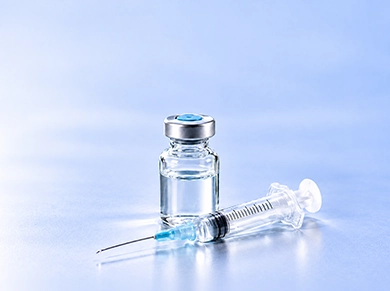
Overview of Insulin for Dogs and Cats
Insulin for dogs and cats is a hormone used to manage diabetes mellitus, a condition in which the body cannot produce or effectively use insulin to regulate blood glucose levels. Dogs and cats with diabetes require lifelong insulin therapy and daily monitoring.
In India, diabetes mellitus is increasingly diagnosed in middle-aged to senior pets, particularly in intact female pets (where repeated hormonal cycles can induce insulin resistance) and obese animals.
What Is Insulin Used for in Dogs and Cats?
Insulin for dogs and cats is prescribed to manage diabetes mellitus.
Vets commonly prescribe it for:
- Type 1 diabetes in dogs, where the pancreas cannot produce sufficient insulin
- Type 2 diabetes in cats, where insulin resistance causes inadequate glucose regulation
- Insulin-resistant diabetes secondary to Cushing's disease, acromegaly, or prolonged progestogen use
- Diabetic ketoacidosis (DKA) management during hospitalisation using short-acting insulin protocols
- Long-term outpatient glucose control following initial stabilisation
Feline insulin requirements can change significantly over time. Cats occasionally achieve diabetic remission with appropriate weight management and insulin therapy, meaning insulin may be successfully withdrawn in some cases. This is far less common in dogs.
How Does Insulin Work for Dogs?
Insulin is a hormone that acts as a key, unlocking cells to allow glucose to enter and be used for energy. In diabetic dogs, this key is absent or ineffective, leaving glucose stranded in the bloodstream while cells are starved of energy. Dog insulin injection delivers synthetic or animal-derived insulin into the subcutaneous tissue, where it is absorbed into the bloodstream and restores cells' ability to take up glucose. This lowers blood glucose and prevents the complications of chronic hyperglycaemia.
How Does Insulin Work for Cats?
Feline insulin works the same way, but cats are more commonly affected by Type 2 diabetes, where cells resist insulin's signal rather than the pancreas failing to produce it. Feline insulin works in much the same way. In many diabetic cats, the body still produces insulin, but the cells do not respond to it properly, so glucose remains in the bloodstream instead of moving into cells to be used for energy. Insulin injections act like the key that helps glucose enter the cells, lowering blood glucose and giving the body the energy it needs. Weight loss and dietary management alongside insulin can improve insulin sensitivity and, in some cats, may contribute to diabetic remission over time.
What Are the Insulin Injection Directions for Dogs?
Insulin dosage for dogs is strictly weight-based and individualised through a glucose curve, a series of blood glucose measurements taken throughout the day to assess the insulin's peak effect and duration. Canine insulin dosage is never a fixed universal amount; it is adjusted based on each dog's individual response. Give dog insulin subcutaneously once or twice daily, ideally at consistent times and after a meal, to match the insulin's action with food-related glucose rises.
What Are the Insulin Directions for Puppies?
Diabetes in puppies is rare. If diagnosed, puppies need immediate specialist assessment and careful, weight-based dosing. Glucose monitoring must be frequent, as young dogs have variable energy demands and can develop hypoglycaemia rapidly.
What Are the Insulin Directions for Small Dogs?
Small dogs are more susceptible to hypoglycaemia from insulin overdosing due to lower body mass. Canine insulin dosage starts conservatively and increases only based on glucose curve results.
What Are the Insulin Directions for Medium Dogs?
Medium dogs are dosed based on body weight and glucose curve response. Consistent meal timing and injection scheduling reduce glucose variability between doses.
What Are the Insulin Directions for Large Dogs?
Large dogs may require higher total insulin volumes. The twice-daily injection schedule is commonly used in large breeds. Body weight changes, which are more visible in large dogs, should prompt a glucose curve recheck, as weight loss or gain significantly affects insulin requirements.
What Are the Insulin Injection Directions for Cats?
Insulin dosage for cats is also individually titrated through serial blood glucose monitoring. Feline insulin is typically administered subcutaneously twice daily, 12 hours apart. Cats that are fed a low-carbohydrate, high-protein diet may require less insulin overall. Your vet will determine the starting dose and adjustment protocol based on your cat's body weight, diet, and concurrent conditions.
What Are the Insulin Directions for Kittens?
Diabetes in kittens is extremely rare. Any young cat with suspected glucose dysregulation needs specialist assessment to rule out other metabolic causes before starting insulin. Dosing requires precise calculation and very close monitoring.
How Do You Give an Insulin Injection Safely?
Administer insulin subcutaneously by gently tenting a fold of skin, typically along the back of the neck or flank. Insert the needle at a shallow angle directly into the tented skin. Inject slowly and withdraw the needle smoothly. Rotate injection sites between doses to prevent lipodystrophy (localised fat changes from repeated injection at the same site). Never inject into muscle. Always use a fresh needle for each injection and dispose of sharps safely. Shake insulin gently before drawing the dose; never shake vigorously, as this damages the protein structure.
What Are the Side Effects of Insulin for Dogs and Cats?
The most significant and common side effect is hypoglycaemia from excessive dosing.
What Are the Side Effects of Insulin in Dogs?
Possible side effects in dogs include:
- Hypoglycaemia (low blood glucose) causing weakness, tremors, seizures, and collapse
- Somogyi effect (rebound hyperglycaemia from overcorrection of low blood glucose)
- Lipodystrophy at injection sites from repeated dosing in the same area
- Weight gain with over-insulinisation
What Are the Side Effects of Insulin in Cats?
Cats may experience hypoglycaemia, weakness, ataxia (loss of coordination), and collapse from excess insulin. Diabetic remission, where the cat's own insulin production recovers, can cause sudden hypoglycaemia if external insulin continues at the previous dose. Regular glucose monitoring is essential to detect remission early.
Veterinary supervision is essential, particularly for first-time use.
What Is Insulin Overdose Information for Dogs?
Insulin overdose in dogs causes severe hypoglycaemia. Signs include disorientation, muscle weakness, tremors, seizures, unconsciousness, and death if untreated. If a dog is conscious and able to swallow, apply glucose gel or honey to the gums and contact your vet immediately. If unconscious, do not attempt oral glucose and seek emergency veterinary care without delay. Never give a second injection if unsure whether the first dose was administered.
What Is Insulin Overdose Information for Cats?
Hypoglycaemia from insulin overdose in cats presents as sudden weakness, inability to walk, seizures, or collapse. Apply glucose gel or a small amount of honey to the gums if the cat is conscious and not at risk of biting. Seek emergency veterinary care at a 24/7 feline care facility immediately. Cats can deteriorate rapidly with hypoglycaemia due to their smaller glucose reserves.
How Should You Store Insulin for Dogs and Cats?
Store insulin in the refrigerator between 2°C and 8°C. Do not freeze. Remove from refrigeration only briefly for injection. Keep away from direct sunlight and heat. Most opened vials are stable for 28 to 56 days depending on the product; check the specific product instructions. Store out of reach of children and pets. Discard cloudy or discoloured insulin that does not clear with gentle rolling.
When Should You Call Your Veterinarian?
Contact your pet health expert immediately if your pet develops tremors, seizures, unconsciousness, or sudden severe weakness, as these indicate hypoglycaemia requiring emergency treatment. Also contact your vet if your pet stops eating before an injection is due, vomits repeatedly, has persistently high glucose readings despite correct dosing, or loses significant body weight. Intercurrent illness always disrupts diabetic control and requires prompt veterinary reassessment.
Conclusion: About Insulin for Dogs and Cats
Insulin for dogs and cats is the cornerstone of diabetes mellitus management and requires lifelong commitment, consistent administration, and regular glucose monitoring. Canine and feline insulin protocols differ in type, frequency, and dose-adjustment approach. Working closely with your vet, maintaining a consistent feeding and injection schedule, and recognising the signs of hypoglycaemia early are the three most important factors in keeping a diabetic pet safe and stable.
FAQs: About Insulin for Dogs and Cats