Looking for Advanced, Human-Grade Care for Your Pet?
Imidocarb(Imidocarb) - Uses, Dosage and Side Effects

Imidocarb(Imidocarb) - Uses, Dosage and Side Effects
Imidocarb(Imidocarb) - Uses, Dosage and Side Effects
Overview of Imidocarb in Dogs
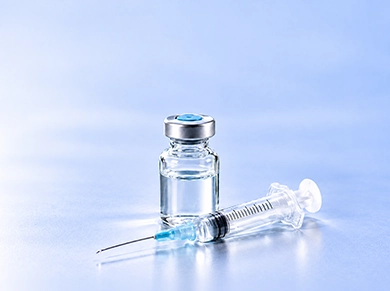
Imidocarb for dogs is an antiprotozoal medication used to treat babesiosis, a tick-transmitted protozoal disease caused by Babesia species that infect and destroy red blood cells. The infection can cause fever, weakness, pale or yellow gums, anaemia, dark urine and other systemic signs in dogs.
In India, Babesia gibsoni and Babesia canis are the most clinically significant species affecting dogs, particularly in regions with high tick burden and outdoor dog populations.
What Is Imidocarb Used for in Dogs?
Vets prescribe imidocarb injection for dogs in cases of:
- Acute babesiosis with haemolytic anaemia (destruction of red blood cells causing weakness and pale gums)
- Subclinical or carrier-state Babesia infection
- Babesiosis relapse after initial treatment
Doxycycline is the standard first-line antibiotic treatment for canine ehrlichiosis.
How Does Imidocarb Work for Dogs?
Imidocarb acts against susceptible protozoal parasites within red blood cells. Its exact mechanism is not completely understood, but the drug interferes with parasite metabolism and nucleic acid processes, helping reduce or eliminate susceptible Babesia organisms.
By reducing the parasite burden, imidocarb helps control the underlying infection. However, dogs with babesiosis may also develop anaemia, dehydration, kidney problems or other complications, so treatment may include supportive care such as fluids, blood transfusion or other therapies when clinically necessary.
What Is the Imidocarb Dosage for Dogs?
The dose of imidocarb in dogs is typically 6.6 mg/kg (3 mg/lb) of body weight. Imidocarb dosage for dogs is weight-based and administered by intramuscular or subcutaneous injection. A standard babesiosis protocol involves two injections given 14 days apart.
Your pet health expert will determine the correct dose based on your dog's body weight and infection severity. The exact dosage and schedule also depend on the product label and Babesia species. Do not attempt to source or administer imidocarb outside a veterinary clinic.
What Should You Expect After the First Imidocarb Injection for Dogs?
Some dogs experience cholinergic side effects within minutes to hours of the first injection. Mild salivation, vomiting, restlessness, and panting are common and typically resolve within 30 to 60 minutes without intervention. Your vet may administer atropine alongside or shortly after the injection to reduce the severity of these reactions. Clinical improvement in red blood cell parameters may begin within 48 to 72 hours of the first injection in some dogs.
What Should You Expect After a Follow-Up Imidocarb Dose for Dogs?
The second injection, given 14 days after the first, follows the same protocol. Cholinergic side effects from imidocarb dosage in dogs are generally less severe at the follow-up dose in most patients. Your vet will recheck blood parameters before the second injection to assess the response to the first dose and confirm the clinical picture warrants continuing the protocol.
What Are the Side Effects of Imidocarb in Dogs?
Side effects are manageable with appropriate monitoring.
What Are the Common Injection-Site Reactions?
Injection-site pain and swelling are common after imidocarb injection for dogs. Dogs may show localised muscle soreness, temporary swelling, and mild heat at the injection site. These reactions are generally self-limiting and resolve within 24 to 48 hours. Report significant swelling, abscess formation, or persistent pain at the site beyond 48 hours to your vet.
What Are the Common Injection-Site Reactions?
Injection-site pain and swelling are common after imidocarb injection for dogs. Dogs may show localised muscle soreness, temporary swelling, and mild heat at the injection site. These reactions are generally self-limiting and resolve within 24 to 48 hours. Report significant swelling, abscess formation, or persistent pain at the site beyond 48 hours to your vet.
What Are the Cholinergic Side Effects?
Proper storage helps maintain the medication’s effectiveness and reduces the risk of accidental exposure.
What Happens After an Imidocarb Overdose in Dogs?
Imidocarb overdose sharply intensifies cholinergic side effects. Signs may include severe vomiting, profuse salivation, muscle tremors, respiratory distress, bradycardia (abnormally slow heart rate), collapse, and seizures in severe cases. Overdose is a veterinary emergency. Do not wait for signs to worsen before seeking emergency care at the nearest pet clinic if overdose is suspected.
What Happens If an Imidocarb Dose Is Missed or Delayed?
When a two-dose protocol is prescribed by your veterinarian, maintaining the scheduled interval is important for treatment efficacy. If a follow-up dose is delayed or missed, contact your vet promptly. Do not skip or alter scheduled doses on your own, as incomplete treatment may fail to eliminate the parasite load and increase the risk of relapse. Your veterinarian will determine whether a second injection is necessary based on your dog's clinical progress and recheck blood work.
When Should You Call Your Veterinarian?
Seek emergency veterinary attention if your dog develops severe weakness, collapse, pale or yellow gums, bloody urine, breathing difficulty, or seizures during or after treatment. Also contact your vet if clinical signs of babesiosis return after completing the two-dose protocol, as relapse may require retreatment or combination antiprotozoal therapy. Dogs that remain lethargic, refuse food, or show worsening anaemia after the first injection require urgent reassessment before the second dose.
Conclusion: About Imidocarb for Dogs
Imidocarb for dogs is an injectable antiprotozoal medication commonly used to treat babesiosis caused by susceptible Babesia species. Because treatment response varies by Babesia species and the dog's overall condition, veterinary diagnosis, appropriate dosing, and supportive care are key to successful treatment.
FAQs: About Imidocarb for Dogs