Looking for Advanced, Human-Grade Care for Your Pet?
Desoxycorticosterone Pivalate(Desoxycorticosterone Pivalate) - Uses, Dosage and Side Effects

Desoxycorticosterone Pivalate(Desoxycorticosterone Pivalate) - Uses, Dosage and Side Effects
Desoxycorticosterone Pivalate(Desoxycorticosterone Pivalate) - Uses, Dosage and Side Effects
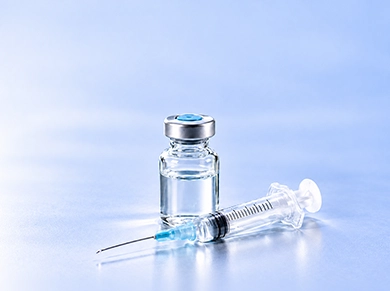
Overview of Desoxycorticosterone Pivalate (DOCP) for Dogs and Cats
Desoxycorticosterone Pivalate (DOCP) for dogs and cats is a long-acting injectable mineralocorticoid used to manage primary hypoadrenocorticism, commonly known as Addison's disease.
Addison's disease is most commonly diagnosed in young to middle-aged female dogs, with breeds such as Standard Poodles, Bearded Collies, and Portuguese Water Dogs being more prone to it.
What Is DOCP Used for in Dogs and Cats?
Desoxycorticosterone Pivalate (DOCP) for dogs and cats is prescribed for long-term mineralocorticoid replacement in adrenal insufficiency.
Vets commonly prescribe it for:
- Primary hypoadrenocorticism (Addison's disease) in dogs as the primary mineralocorticoid replacement
- Primary hypoadrenocorticism in cats, where it offers an injectable alternative to daily Fludrocortisone
- Long-term mineralocorticoid maintenance following adrenal crisis stabilisation
- Patients where pet parents compliance with daily oral Fludrocortisone administration is problematic
- Dogs and cats requiring consistent, predictable mineralocorticoid levels between injection intervals
DOCP provides mineralocorticoid activity only. It has no significant glucocorticoid activity. Most dogs and cats with Addison's disease still require a concurrent low-dose glucocorticoid supplement, such as prednisolone, alongside DOCP therapy.
How Does DOCP Work for Dogs?
In a healthy dog, the adrenal glands naturally produce a hormone called aldosterone, which tells the kidneys to keep the right balance of salt (sodium) and potassium in the blood. Dogs with Addison's disease cannot make enough of this hormone, leading to dangerous electrolyte imbalances, dehydration, and severe illness. DOCP replaces this missing hormone. After injection under the skin or into the muscle, the medication dissolves slowly into the dog's system over an entire month. This steady, continuous release helps the kidneys retain salt and flush out extra potassium, keeping your dog's electrolyte levels stable and preventing life-threatening crises.
How Does DOCP Work for Cats?
It works identically in cats. The depot formulation releases desoxycorticosterone steadily over the injection interval, maintaining mineralocorticoid receptor activation in the renal tubules and stabilising sodium and potassium balance. Cats with Addison's disease are uncommon but require lifelong mineralocorticoid replacement, as adrenal function does not recover. DOCP's monthly injection schedule can simplify long-term management for cats that resist daily tablet administration.
What Is the DOCP Injection Schedule for Dogs?
Desoxycorticosterone Pivalate (DOCP) dosage for dogs is weight-based and administered by subcutaneous or intramuscular injection. The standard initial injection interval is every 25 days. Electrolyte monitoring (sodium and potassium) is performed approximately 10 to 14 days after each injection and just before the next scheduled injection. This testing confirms whether the injection interval needs adjustment. Some dogs require a shorter interval of 21 to 23 days; others remain stable on 28 to 30 days. Your vet will individualise the schedule based on electrolyte results throughout the patient's life.
Concurrent low-dose prednisolone is administered daily at home to replace glucocorticoid function.
What Is the DOCP Injection Schedule for Cats?
- Desoxycorticosterone Pivalate (DOCP) dosage for cats is also weight-based and given by subcutaneous injection every 21 to 30 days depending on individual electrolyte response. Cats tend to require more frequent monitoring during dose stabilisation, as their requirements can differ significantly from dogs. Electrolyte rechecks at 10 to 14 days post-injection and before each injection are standard during the first 3 to 6 months of treatment. Once a stable interval is confirmed, monitoring frequency may be extended to every 3 to 6 months. Most cats require concurrent prednisolone supplementation alongside DOCP.
What Are the Side Effects of DOCP for Dogs and Cats?
- DOCP side effects generally relate to mineralocorticoid excess or insufficiency, depending on dose accuracy and injection interval.
What Are the Side Effects of DOCP in Dogs?
Possible side effects in dogs include:
- Increased thirst and urination from sodium and water retention at higher doses
- Hypertension with excessive mineralocorticoid activity
- Peripheral oedema (fluid accumulation in the limbs) at very high doses
- Hypokalaemia (low potassium) if the dose is too high
- Local injection-site reactions including mild swelling or discomfort
Electrolyte monitoring identifies most dose-related issues before significant clinical signs develop.
What Are the Side Effects of DOCP in Cats?
Cats may experience increased thirst and urination, hypertension, and fluid retention at excessive doses. Cats with pre-existing cardiac disease are at greater risk of complications from fluid overload. Any signs of laboured breathing, significant weight gain, or limb swelling in a cat on DOCP warrant prompt veterinary assessment to rule out fluid accumulation.
What Is DOCP Overdose Information for Dogs?
DOCP overdose in dogs causes excessive mineralocorticoid activity, leading to sodium and water retention, hypertension, hypokalaemia, and in severe cases, cardiovascular arrhythmias from low potassium. Because DOCP is a depot injection, its effects persist for weeks. Supportive management under veterinary supervision is required for the duration of the injection's activity. Contact your pet health expert immediately if overdose is suspected or if a dog develops sudden hypertension, significant oedema, or severe weakness.
What Is DOCP Overdose Information for Cats?
- Cats are more sensitive to mineralocorticoid excess because of their smaller cardiovascular reserve. Signs of DOCP overdose in cats include significant fluid retention, laboured breathing, hypertension, weakness from hypokalaemia, and cardiovascular changes. Because the depot effect cannot be reversed, intensive supportive care is required until the drug clears. Seek emergency veterinary attention at a 24/7 feline care facility immediately if overdose is suspected in a cat.
When Should You Call Your Veterinarian?
Contact your vet immediately if your dog or cat develops sudden profound weakness, collapse, vomiting, reduced urine output, significant limb swelling, laboured breathing, or cardiovascular signs between DOCP injections. These may indicate electrolyte imbalance from an injection interval that is too long, a concurrent illness disrupting adrenal hormone requirements, or overdose effects. Also contact your vet before any surgical procedure or significant stressor, as stress dosing protocols are mandatory in Addisonian patients on DOCP.
Conclusion: About DOCP for Dogs and Cats
- Desoxycorticosterone Pivalate (DOCP) for dogs and cats is a practical, long-acting injectable mineralocorticoid that offers an effective alternative to daily oral Fludrocortisone in Addison's disease management. Successful long-term management depends on consistent electrolyte monitoring, individualised injection intervals, concurrent glucocorticoid supplementation, and prompt communication with your vet during illness or stress. Most Addisonian dogs and cats managed with DOCP maintain a good quality of life with appropriate monitoring.
FAQs: About DOCP for Dogs and Cats
Everything you need to know about DOCP for Dogs and Cats