Looking for Advanced, Human-Grade Care for Your Pet?
Amikacin(Amikacin) - Uses, Dosage and Side Effects

Amikacin(Amikacin) - Uses, Dosage and Side Effects
Amikacin(Amikacin) - Uses, Dosage and Side Effects
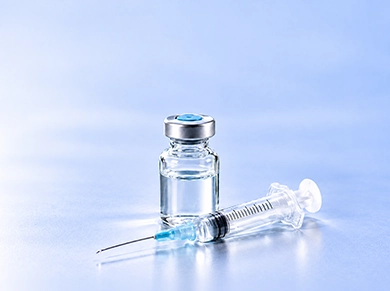
Overview of Amikacin for Dogs and Cats
Amikacin for dogs and cats is a prescription aminoglycoside antibiotic used to treat certain serious bacterial infections, particularly those caused by bacteria resistant to other antibiotics. Veterinarians usually give it by injection and monitor closely because it can affect the kidneys and hearing.
Amikacin is generally reserved for infections where it is genuinely needed rather than being used routinely for minor infections. A veterinarian may recommend bacterial culture and antibiotic susceptibility testing to determine whether the bacteria are susceptible to amikacin and whether another, safer antibiotic would be appropriate.
What Is Amikacin Used for in Dogs and Cats?
Vets prescribe amikacin for dogs and cats for severe bacterial infections caused by susceptible Gram-negative organisms.
Vets commonly use it for:
- Septicaemia (bacterial infection in the bloodstream) from Gram-negative organisms
- Resistant Pseudomonas aeruginosa infections, including chronic otitis and wound infections
- Urinary tract infections caused by multidrug-resistant bacteria
- Respiratory infections in hospitalised patients
- Post-surgical infections from resistant Gram-negative organisms
- Peritonitis and intra-abdominal infections in combination with other antibiotics
- Neonatal infections in puppies and kittens
Amikacin is not a first-line antibiotic. Use it when culture sensitivity confirms aminoglycoside susceptibility and other antibiotic classes have failed or are inappropriate.
How Does Amikacin Work for Dogs?
Amikacin works by interfering with the bacteria's ability to make essential proteins. Without these proteins, susceptible bacteria cannot survive, and the infection can be controlled.
Amikacin is particularly useful against many Gram-negative bacteria and can remain effective against some bacteria that have developed resistance to other aminoglycoside antibiotics. However, resistance to amikacin can also occur, so bacterial culture and susceptibility testing can be important in serious infections.
How Does Amikacin Work for Cats?
In cats, amikacin works the same way: it interferes with bacterial protein production and kills susceptible bacteria.
It may be considered when a cat has a serious bacterial infection that is unlikely to respond to commonly used antibiotics. Because cats can be vulnerable to kidney injury from aminoglycosides, the pet health expert may check kidney function and hydration before and during treatment.
What Are the Amikacin Injection Directions for Dogs?
Amikacin dosage for dogs is weight-based and administered by intravenous, intramuscular, or subcutaneous injection under veterinary supervision. Amikacin injection for dogs is typically given once daily using a single large daily dose protocol, which is preferred over multiple smaller daily doses. This once-daily approach achieves higher peak drug concentrations against susceptible bacteria while allowing renal drug clearance between doses, reducing the risk of nephrotoxicity (kidney damage). The treatment duration depends on infection severity and clinical response, typically 5 to 10 days. Assess renal function and hydration status before and during treatment.
What Are the Amikacin Injection Directions for Cats?
Amikacin dosage for cats is also weight-based and administered by injection under veterinary supervision. Cats are more sensitive to aminoglycoside nephrotoxicity than dogs, making adequate hydration before and during treatment a critical safety requirement. Once-daily dosing is standard in cats. Renal function monitoring through blood urea nitrogen and creatinine measurements before starting treatment and every 2 to 3 days during treatment is standard practice in cats receiving amikacin. Keep treatment as short as clinically effective.
How Do You Give Amikacin Injections at Home?
Amikacin is rarely dispensed for home administration. If a vet has specifically trained a pet parent to give subcutaneous injections at home and provided a treatment schedule, follow these principles. Use a fresh sterile needle and syringe for each injection. Draw the correct volume from the vial as instructed. Administer subcutaneously by tenting the skin at the back of the neck or flank, inserting the needle at a shallow angle, and injecting slowly. Rotate injection sites between doses. Dispose of sharps safely in a puncture-resistant container. Never adjust the dose or frequency without veterinary instruction, and attend all scheduled renal function monitoring appointments without exception.
What Are the Side Effects of Amikacin for Dogs and Cats?
Amikacin's most significant clinical risks are nephrotoxicity and ototoxicity, both of which require active monitoring throughout treatment.
What Are the Side Effects of Amikacin in Dogs?
Possible side effects in dogs include:
- Nephrotoxicity (kidney damage) causing elevated creatinine and blood urea nitrogen
- Ototoxicity (damage to the inner ear) causing hearing loss or vestibular signs
- Reduced urine output or increased thirst
- Mild injection-site reactions with subcutaneous administration
- Neuromuscular blockade at very high doses
Maintaining adequate hydration during treatment is the single most important factor in reducing nephrotoxicity risk in dogs.
What Are the Side Effects of Amikacin in Cats?
Cats are more sensitive to aminoglycoside nephrotoxicity than dogs. Signs of renal damage include reduced urine output, increased thirst, lethargy, and loss of appetite. Ototoxicity may also present as head tilt, loss of balance, or hearing loss. Any of these signs during or after amikacin treatment require an immediate feline vet checkup and likely discontinuation of the antibiotic.
What Is Amikacin Overdose Information for Dogs?
Amikacin overdose in dogs causes severe acute kidney injury, neuromuscular blockade (potentially causing breathing difficulty from respiratory muscle paralysis), and vestibular toxicity. Seek emergency veterinary care at the nearest dog clinic if an overdose is suspected. Treatment includes aggressive intravenous fluid therapy to support renal clearance, respiratory support if needed, and discontinuation of the drug.
What Is Amikacin Overdose Information for Cats?
Cats develop acute kidney injury and vestibular signs rapidly with amikacin overdose. Severe lethargy, vomiting, loss of balance, reduced urine output, and respiratory changes may occur. This is a veterinary emergency. Intensive supportive care with fluid therapy and close monitoring is required. The drug cannot be reversed once administered, so treatment duration and dose accuracy are critical from the first injection.
How Should You Store Amikacin for Dogs and Cats?
Store amikacin vials at room temperature away from direct sunlight and heat. Keep vials tightly sealed when not in use. Use opened multi-dose vials within the period specified on the product label. Do not use if the solution is discoloured or contains visible particles. Store out of reach of children and pets. Do not use after the expiry date.
When Should You Call Your Veterinarian?
Contact your vet immediately if your pet develops sudden weakness, loss of balance, head tilt, significant reduction in urine output, complete loss of appetite, or vomiting during amikacin treatment. These signs may indicate nephrotoxicity or ototoxicity requiring immediate treatment reassessment. Also contact your vet if clinical signs of infection fail to improve within 3 to 5 days, as treatment failure may indicate resistant bacteria requiring a different antibiotic protocol.
Conclusion: About Amikacin for Dogs and Cats
Amikacin for dogs and cats is a powerful antibiotic reserved for serious, resistant Gram-negative infections where other options have been exhausted or are inappropriate. Adequate hydration, once-daily dosing, short treatment duration, and regular renal function testing are the four non-negotiable safety requirements for safe amikacin use in veterinary patients.
About Amikacin for Dogs and Cats