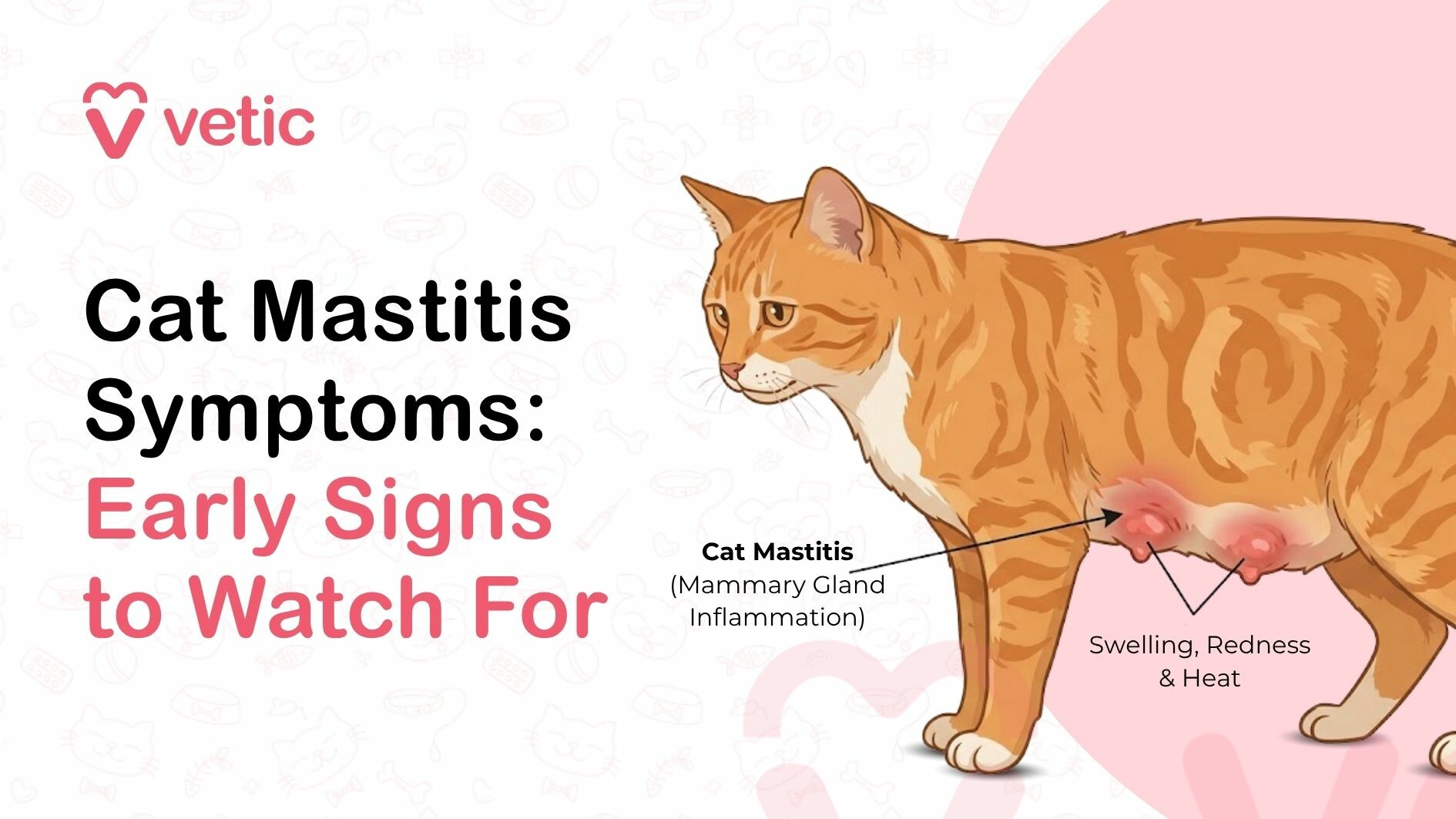
Mastitis in cats is a painful inflammation of the mammary glands, most commonly seen in nursing (lactating) queens. However, it can also occur in non-nursing cats, including spayed cats, in rare cases. Early recognition is critical because untreated feline mastitis can quickly progress to infection, abscess formation, and systemic illness.
This blog focuses on early signs of cat mastitis, along with causes, treatment, and practical care tips for pet parents.
What Is Mastitis in Cats and How Does It Affect Nursing and Non-Nursing Cats?
Mastitis is an inflammatory condition of one or more mammary glands. This is usually caused by a bacterial infection entering through the teat canal or by a skin injury. It most commonly affects:
- Nursing cats, due to active milk production and bacterial exposure
- Cats with injury to the mammary area
- Rarely, non-lactating cats, due to an underlying infection or hormonal imbalance
In nursing queens, mastitis can make feeding painful, reduce milk supply, and directly affect kitten nutrition and survival.
What Are the Common Cat Mastitis Symptoms?
Cat mastitis symptoms vary depending on severity, but early detection is critical to prevent complications.
What Are the Early Signs of Mastitis in Cats?
Early mastitis presents as local inflammation of the mammary glands before systemic illness develops.
- Enlarged or firm mammary glands
- Redness or dark discolouration of the skin
- Increased warmth over the affected area
- Pain on touch, causing the cat to avoid lying on her abdomen
Cats may become irritable or aggressive when the area is handled due to pain.
What Are the Signs of Advanced or Severe Mastitis?
As infection progresses, systemic signs and abnormal changes in milk become evident.
- Milk may appear thick, yellow, bloody, or pus-like
- Fever may develop
- Lethargy and weakness increase
- Appetite decreases
These signs suggest infection and systemic involvement in cats.
How Does Mastitis Affect Kitten Feeding Behaviour?
This is often one of the earliest indirect signs that pet parents notice.
- Avoid feeding from affected glands due to altered milk taste or flow
- Cry more due to hunger
- Shows poor weight gain or weakness
What Are the Main Causes of Mastitis in Cats?
The most common cause of feline mastitis is bacterial infection, often involving organisms such as E. coli or Staphylococcus. These bacteria can enter through:
- Small cuts or abrasions on the nipples
- Poor hygiene in the nesting area
- Contaminated bedding
Injury to the mammary glands, such as scratches from kittens’ claws, can also create an entry point for infection. Additionally, milk accumulation due to incomplete nursing can lead to blocked ducts, increasing the risk of inflammation and infection.
Suggested Read: Why Cats Sleep So Much: Normal Patterns & Health Signs
What Are the Risk Factors for Mastitis in Cats?
Certain conditions increase susceptibility to mastitis in cats:
Recent Pregnancy and Lactation
High milk production combined with uneven nursing leads to milk accumulation and duct blockage. This creates pressure within glands, making them prone to inflammation and infection.
Blocked Milk Ducts and Trauma to Mammary Glands
Unused glands can become swollen. Trauma from kitten claws or rough nursing can damage the skin, allowing bacteria to enter.
Weak Immunity and Unclean Environments
Low immunity reduces the body’s ability to fight infection, while poor hygiene increases exposure to bacteria. Dirty bedding and damp environments are common contributors in Indian home settings.
How Veterinarians Diagnose Feline Mastitis?
Diagnosis is usually straightforward but may include:
- Physical examination of mammary glands
- Evaluation of milk discharge
- Blood tests (to assess infection severity)
- Bacterial culture in severe or recurrent cases
This helps guide the treatment of feline mastitis.
Suggested Read: Why Cats Sleep So Much: Normal Patterns & Health Signs
What Are Cat Mastitis Treatment Options?
Treatment for cat mastitis depends on the severity of the infection and whether systemic illness is present.
What Medications Are Used to Treat Cat Mastitis?
Medical management is the primary treatment approach in most cases.
- Antibiotics to control bacterial infection
- Anti-inflammatory drugs to reduce swelling
- Pain relief medications to improve comfort and allow nursing
Drug selection is based on clinical condition and safety for lactating cats.
When Are Surgical or Advanced Treatments Required?
Severe or neglected cases may require more intensive intervention.
- Abscess drainage under sterile conditions
- Removal of necrotic tissue in advanced infections
- Hospitalisation with IV fluids for systemic illness
These cases are considered medical emergencies in veterinary practice.
Is Home Treatment Safe for Mastitis in Cats?
Home care can support recovery but should never replace veterinary treatment in moderate-to-severe cases. Supportive measures include:
- Warm compresses to improve blood flow and milk drainage
- Gentle cleaning of affected glands
- Encouraging safe nursing if advised by a veterinarian
Unsupervised home treatment can delay proper care and worsen the infection.
Suggested Read: Bored Cat: Signs, Symptoms, and How to Tell If Your Cat Is Bored
How Should You Care for a Cat Recovering From Mastitis?
Proper aftercare is essential to ensure healing and prevent recurrence.
- Keep bedding clean and dry
- Apply warm compresses (10-15 minutes, a few times daily)
- Monitor kittens’ feeding and weight
- Ensure the cat stays hydrated
- Administer medications exactly as prescribed
Avoid forcefully squeezing glands, as this can worsen tissue damage.
How Long Does It Take for Mastitis to Heal in Cats?
Recovery time depends on severity and how early treatment is started.
- Mild cases: 3 to 7 days
- Moderate infections: 1 to 2 weeks
- Severe infections: longer with close monitoring
Follow-up care at the best vet clinic is important to prevent recurrence and ensure complete healing.
What Are the Complications of Untreated Mastitis in Cats?
Untreated mastitis can quickly become life-threatening. Possible complications include:
- Abscess formation
- Tissue death (necrosis)
- Systemic infection (sepsis)
Severe cases require emergency medical attention at the nearest 24/7 cat hospital.
When to Visit a Vet for Mastitis Treatment in Cats?
Seek immediate veterinary care if you notice these signs of emergency:
- Glands are extremely swollen or painful
- Discharge is bloody or foul-smelling
- Your cat has a fever or stops eating
- Kittens are not feeding or gaining weight
Early intervention can prevent serious complications.
How Can Mastitis Be Prevented in Cats?
Prevention focuses on hygiene, monitoring, and proper lactation management.
- Keep the nesting area clean
- Trim kittens’ nails regularly to prevent scratches
- Ensure all glands are being used during feeding
- Gradually wean kittens to avoid milk buildup
- Monitor mammary glands daily
Good care during lactation significantly reduces risk.
Final Takeaway: About Mastitis in Cats
Mastitis in cats is a treatable but potentially serious condition. The key is recognising early signs, such as swelling, pain, and changes in feeding behaviour, and seeking timely veterinary care. With proper treatment and supportive home care, most cats recover well and continue to nurse their kittens safely.
Frequently Asked Questions: About Mastitis in Cats
Can mastitis in cats heal without treatment?
Mild cases may improve, but most require veterinary care to prevent complications.
What is the best mastitis treatment for cats at home?
Warm compresses and hygiene support recovery, but antibiotics are often necessary.
How long does feline mastitis take to heal?
Most cases improve within 1-2 weeks with proper treatment.
Can non-nursing or spayed cats get mastitis?
Yes, though rare, it can occur due to infection or hormonal issues.
Is mastitis in cats dangerous for kittens?
Yes. It can reduce milk supply and expose kittens to infection, affecting their growth and survival.
References
Aakool, K. (2016). Gangrenous Mastitis in Local Shorthaired Feline. Vin.com. https://veterinarypartner.vin.com/apputil/project/defaultadv1.aspx?pid=19840&catid=&id=8250071&meta=&authorid=
Burstyn, U. (2009). Management of mastitis and abscessation of mammary glands secondary to fibroadenomatous hyperplasia in a primiparturient cat. AVMA, 236(3), 326–329. https://avmajournals.avma.org/view/journals/javma/236/3/javma.236.3.326.xml
Memon, M. A. (n.d.). Reproductive Disorders of Female Cats. Veterinary Manual. https://www.msdvetmanual.com/cat-owners/reproductive-disorders-of-cats/reproductive-disorders-of-female-cats
Scully, C. M. (n.d.). Mastitis in Small Animals. Veterinary Manual. https://www.msdvetmanual.com/reproductive-system/reproductive-diseases-of-the-female-small-animal/mastitis-in-small-animals Whitten, C. (n.d.). What Is Mastitis in Cats? WebMD. https://www.webmd.com/pets/cats/what-is-mastitis-in-cats