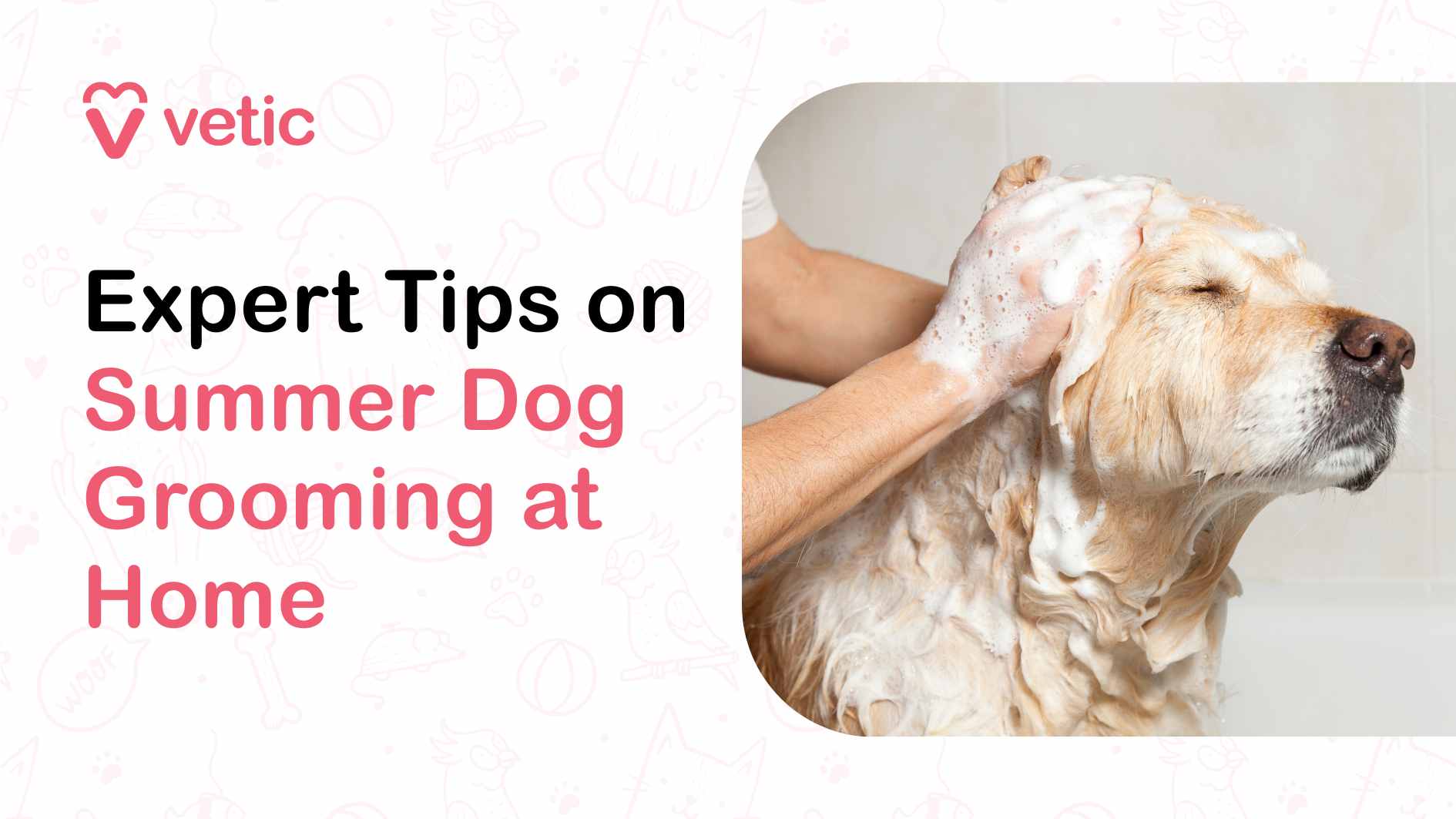
Summer in India can be harsh not just for us, but for our dogs too. With rising temperatures, dust, and a higher risk of parasites, grooming becomes more than just a hygiene routine. It becomes an essential part of your dog’s overall care.
Proper summer grooming helps your dog stay cool, prevents skin issues, and allows you to detect early signs of health problems. It also strengthens your bond with your pet while keeping them comfortable through the hottest months.
Why Special Summer Dog Grooming Is Necessary to Protect Dogs from Heat and Skin Problems
Summers in India can be especially difficult for dogs with long or thick coats. Dogs can feel overheated, itchy, and uncomfortable if their coat and skin are not maintained properly. Heat, sweat, and environmental exposure can easily lead to skin irritation and infections.
Regular grooming plays a crucial role in maintaining your dog’s health during this season. It helps keep the coat breathable, removes accumulated dirt and sweat, and improves air circulation across the skin. Grooming also allows you to spot early signs of infections or parasite infestations before they become serious.
Summer Dog Grooming Don’ts: Common Mistakes Pet Owners Should Avoid
Don’t Shave Your Dog’s Coat Completely or Give a Zero Cut in Summer
One of the most common misconceptions about summer grooming is that shaving your dog will help them stay cool. In reality, a dog’s coat acts as a natural insulating layer that protects them from extreme heat and harmful sun exposure.
Double-coated breeds such as Labradors, Huskies, and Golden Retrievers, as well as long-haired breeds like Shih Tzus and Lhasa Apsos, rely on their coat to regulate body temperature. Removing this layer can do more harm than good.
A complete shave can:
- Increase the risk of heatstroke
- Lead to sunburn and skin damage
- Disrupt natural coat regrowth
It is always better to opt for a light trim instead of shaving, unless a veterinarian specifically recommends it for medical reasons.
Don’t Leave Your Dog Wet After a Bath in Hot and Humid Weather
Leaving your dog damp after a bath is a common but serious mistake, especially in humid conditions. Moisture trapped in the coat creates the perfect environment for fungal and bacterial growth.
This can lead to several problems:
- Fungal infections such as yeast overgrowth
- Painful hot spots
- Paw infections like pododermatitis
To prevent this, you should always dry your dog thoroughly after a bath. Start by using a towel to remove most of the moisture, and then use a dryer on a low or cool setting. Pay close attention to areas where moisture tends to get trapped, such as the paws, belly, armpits, and ears.
10 Expert Tips for Summer Dog Grooming at Home to Keep Your Dog Comfortable
1. Brush Your Dog’s Coat Regularly to Remove Loose Hair and Prevent Matting
Regular brushing is one of the simplest yet most effective ways to maintain your dog’s coat during summer. It helps remove loose hair, dirt, and dead skin while also distributing natural oils that keep the coat healthy and shiny.
Daily brushing is especially important for long-haired breeds, as it prevents tangles and mats that can trap heat and moisture.
2. Bathe Your Dog Properly to Remove Dirt, Sweat, and Odor
Bathing helps remove sweat, dust, and allergens that build up during the summer months. The frequency of bathing depends on your dog’s coat type and lifestyle.
As a general guideline:
- Dogs that spend more time outdoors may need weekly baths
- Indoor dogs with short coats may need a bath every 10–14 days
Always use a dog-specific shampoo and rinse thoroughly to avoid residue that can irritate the skin.
3. Dry Your Dog Thoroughly After Every Bath or Swim
Drying your dog properly is just as important as bathing them. Leaving even slight moisture in the coat can lead to infections.
A proper drying routine should include:
- Towel drying to remove most of the moisture
- Using a dryer on a low or cool setting
- Avoiding direct airflow on sensitive areas like the face and ears
This step significantly reduces the risk of fungal and bacterial issues.
4. Clean Your Dog’s Ears to Prevent Moisture and Infections
During summer, humidity increases the likelihood of ear infections in dogs. Regular ear cleaning helps prevent wax buildup and infection.
You can follow these simple steps:
- Use a vet-recommended ear cleaning solution
- Apply a few drops into the ear canal
- Gently massage the base of the ear
- Wipe the outer ear with a cotton ball
It is important to avoid inserting anything deep into the ear, as this can cause injury.
5. Check and Protect Your Dog’s Paw Pads from Heat and Rough Surfaces
Hot pavements and rough surfaces can damage your dog’s paw pads during summer. Regular checks help prevent burns, cuts, and infections.
You should:
- Walk your dog during cooler hours of the day
- Wipe their paws after every walk
- Check for debris, cuts, or dryness
Using a paw balm can also help soothe and protect the pads.
6. Trim Your Dog’s Nails to Maintain Comfort and Proper Movement
Overgrown nails can cause discomfort and affect your dog’s posture and movement. If you hear your dog’s nails clicking on the floor, it is a clear sign that they need trimming.
Use a good-quality nail clipper with a safety guard and avoid cutting into the quick, as this can cause pain and bleeding.
7. Prevent Fleas and Ticks That Thrive in Warm Weather
Warm weather creates ideal conditions for fleas and ticks to thrive. Regular grooming gives you the opportunity to check for parasites and take action early.
Focus on inspecting areas such as:
- Behind the ears
- Under the tail
- Between the toes
- Around the neck
Using vet-recommended preventive treatments can help keep infestations under control.
8. Keep Your Dog Hydrated and Cool During Grooming Sessions
Grooming sessions themselves can be tiring for dogs, especially in hot weather. It is important to ensure that your dog stays comfortable throughout the process.
Make sure your dog has access to fresh drinking water and that grooming is done in a well-ventilated or cool environment. Taking short breaks can also help prevent overheating.
9. Maintain a Regular Grooming Routine Throughout the Summer
Consistency is key when it comes to summer grooming. Instead of occasional intensive sessions, it is better to follow a simple and regular routine.
For example:
- Daily brushing and paw cleaning
- Weekly ear checks and deshedding
- Bathing every 2–4 weeks depending on your dog’s needs
This approach helps prevent problems before they develop.
10. Watch for Skin Irritation, Hot Spots, or Signs of Heat Stress
It is important to stay alert to any changes in your dog’s skin or behaviour during summer. Early signs of discomfort should never be ignored.
Watch for:
- Redness or rashes
- Excessive scratching or licking
- Foul odour
- Lethargy or excessive panting
If you notice any of these signs, it is best to consult a veterinarian promptly.
Additional Expert Tip for Summer Dog Grooming at Home
Even with the best intentions, grooming at home can sometimes be challenging. Some dogs may be anxious, difficult to handle, or require more precise grooming than you can safely provide.
In such situations, professional grooming services can be extremely helpful. Trained groomers can handle tasks like hygiene trimming, deshedding, and detailed cleaning more efficiently. They can also identify early signs of skin issues that you might miss at home.
Know When to Ask for Professional Grooming Help
Even with the best efforts we often lack the expertise required to provide hygiene cuts and facial grooming to our dogs. There’s no shame in admitting that. Your dog may dislike baths, be scared of the trimmer or be too energetic for a proper trim. If you are unable to bathe or groom him by yourself, you should definitely ask for help from the best dog grooming team near you.
Opt for grooming services that include free post-grooming check-ups. Bathing and haircuts can reveal parts of your dog’s skin that couldn’t be seen before – revealing bruises, rashes or redness. Getting a veterinarian’s opinion on the same day can help you and your dog relax!
Summer Grooming for Dogs at Home: Why It’s Essential for Your Dog’s Health and Comfort
Summer grooming is not a luxury but a necessity for every dog. It helps prevent overheating, reduces the risk of infections, and keeps your dog clean and comfortable.
A consistent grooming routine improves your dog’s overall well-being and ensures they remain active and happy even during extreme weather conditions.
Frequently Asked Questions About Summer Dog Grooming
Should I shave my dog in summer to keep them cool?
No, shaving removes the natural insulation of the coat and can increase the risk of heatstroke and sunburn.
How often should I bathe my dog in summer in India?
Most dogs need a bath every 1–2 weeks, depending on their coat type and activity level.
How do I dry my dog properly after a bath in summer?
Use a towel first to remove excess moisture, followed by a dryer on a low or cool setting.
What is deshedding and how does it help dogs in summer?
Deshedding removes loose undercoat hair, which improves airflow and helps regulate body temperature.
How do I protect my dog’s paws from hot pavements in summer?
Walk your dog during cooler hours, clean their paws after walks, and use protective balms if needed.
Can I use human sunscreen on my dog in summer?
No, only use vet-approved sunscreen made specifically for dogs.
How do I prevent fungal infections in dogs during summer?
Ensure your dog is completely dry after baths and keep their coat clean and well-maintained.
How do I check my dog for ticks and fleas during summer grooming?
Inspect areas like the ears, neck, paws, and under the tail regularly during grooming sessions.
What is a hygiene trim for dogs and why does my dog need one in summer?
It involves trimming fur around sensitive areas to maintain cleanliness and prevent infections.
When should I take my dog to a professional groomer in summer instead of grooming at home?
If your dog has heavy matting, skin issues, or is difficult to groom safely at home, professional help is recommended.