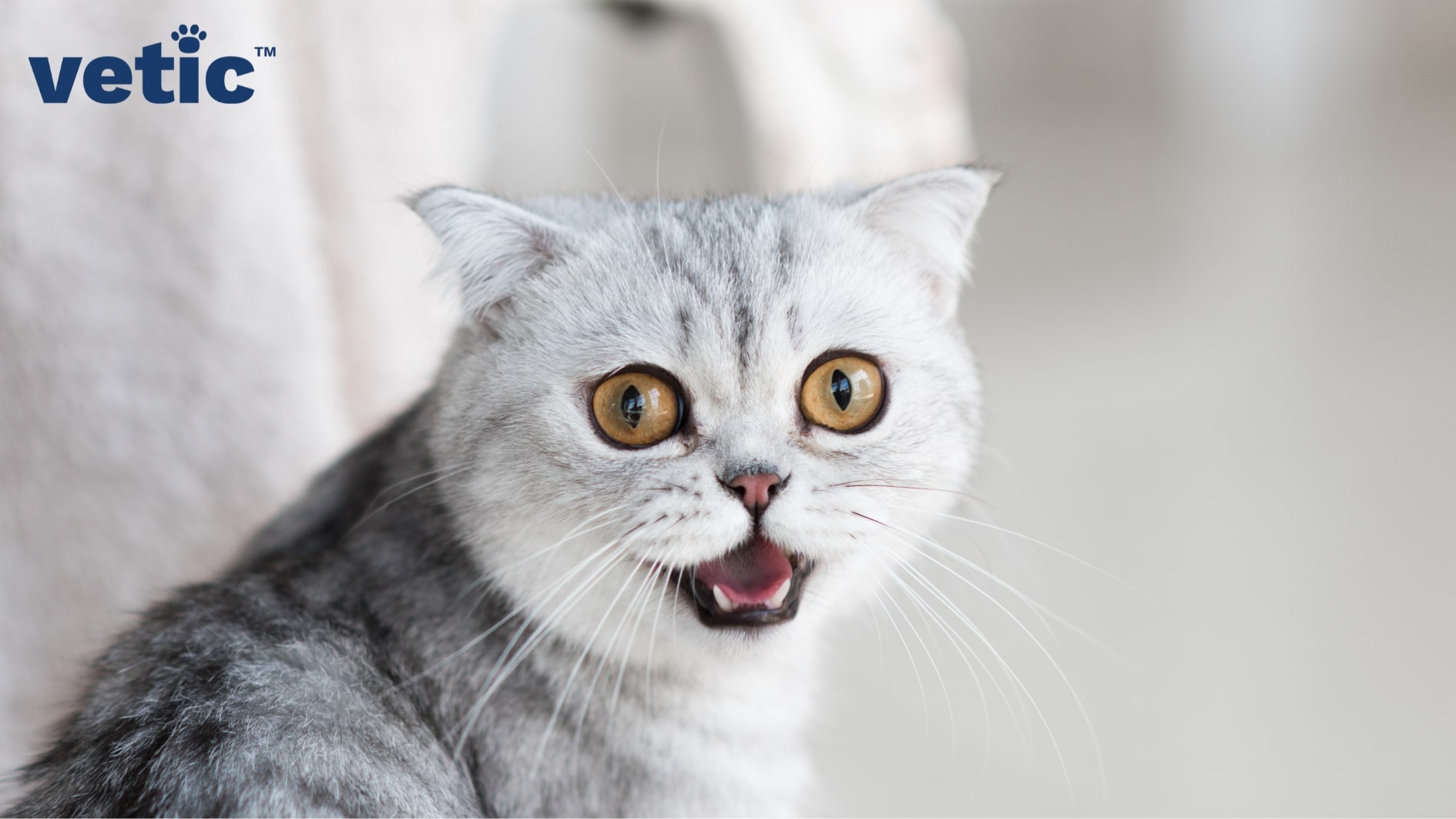
• Unlike dogs, healthy cats almost never pant – panting in cats is a warning sign indicating respiratory distress, pain, heart disease, anxiety, or extreme overheating.
• Open-mouth breathing combined with pale or blue gums, reluctance to move, or neck stretching while breathing is a respiratory emergency.
• Any cat panting without obvious stress cause should be seen at Vetic same-day – do not wait for it to resolve on its own.
Seeing your cat panting can be alarming, especially since cats rarely breathe with their mouths open. Unlike dogs, panting in cats is often a sign of stress, overheating, or a potential medical concern. Understanding why your cat is panting helps ensure timely help and proper care.
When is it alright for cats to pant?
Normal scenarios of panting in cats
Although cat panting is unusual, there are a few normal situations when open-mouth breathing may occur. Cats might pant after:
- Intense play or exercise sessions
- Exposure to heat or sunlight
- Short-term anxiety, excitement, or travel stress
If your cat starts panting with her mouth open after play or on a hot day, let her rest in a cool room. Offer fresh water, switch on the fan or AC, and monitor her breathing. If panting persists beyond a few minutes, contact a vet to rule out medical issues.
My cat is panting: Signs of emergency in cats
Symptoms that need urgent vet care
When your cat is panting heavily or showing other signs of respiratory distress, it may indicate an emergency. Common red flags include:
- Blue, white, or pale gums
- Wheezing or noisy breathing
- Coughing or drooling
- Hiding or extreme lethargy
- Refusal to eat or drink
- Head held above the body
- Cat holds mouth open constantly or breathes rapidly
If your cat exhibits any of these symptoms, rush to an emergency cat clinic for immediate care.
What are the possible causes of panting in cats?
Cat panting or open mouth breathing may stem from medical or environmental reasons.
Medical causes often include infections, asthma, or heart issues. Environmental triggers may include heat, exhaustion, or stress.
1. Upper respiratory tract infection in cats (URTI or URI)
A common reason for cat open mouth breathing is an upper respiratory infection, usually caused by viruses such as Feline Rhinotracheitis Virus or Calicivirus.
Symptoms may include nasal congestion, coughing, fever, and drooling. The cat may appear to breathe through the mouth because the nasal pathways are blocked.
Treatment for URI should always be managed by a vet. Avoid giving human antibiotics or fever medicines. Your vet may recommend nebulisation, fluids, and supportive therapy for faster recovery.
2. Asthma in cats
Cat heavy breathing with mouth open can also result from feline asthma, a chronic allergic condition. Common triggers include dust, smoke, or indoor plants.
Symptoms include wheezing, persistent coughing, and rapid, open-mouth breathing.
Asthma treatment in cats may involve corticosteroid injections and bronchodilator nebulisation.
To reduce asthma-related panting episodes, install air purifiers and regularly clean dusty areas.
3. Heat stroke in cats
Heat stroke is a life-threatening condition where a cat’s internal temperature rises dangerously high. Although cats handle heat better than dogs, prolonged exposure to the sun or lack of ventilation can cause panting.
Prevention tips and care
(Infographic suggestion: “How to Keep Cats Cool in Summer”)
If your cat is panting after heat exposure:
- Move her to a shaded or air-conditioned room
- Gently apply cool (not ice-cold) water to her abdomen and neck
- Offer clean water or veterinary ORS
- Contact your nearest veterinary emergency clinic immediately
Without rapid treatment, heatstroke can be fatal for cats.
4. Heartworm in cats
Heartworm infection in cats can lead to open-mouth breathing due to cardiovascular strain. Though relatively rare in India, heartworm is transmitted via mosquito bites.
Symptoms of heart problems in cats include coughing, weakness, and panting after activity.
Treatment focuses on symptom management—usually corticosteroids to reduce inflammation and supportive therapy. Prevent future risk by controlling mosquitoes at home, installing nets, and cleaning outdoor spaces.
5. Heart Disease
Cardiomyopathy and other heart diseases can cause your cat to pant or struggle to breathe through the mouth. Cats with heart issues may also show fatigue, poor appetite, or pale gums.
In some cases, congestive heart failure may develop. Diagnosis often requires a cardiac ultrasound, X-rays, and blood work.
Other conditions such as anxiety, pain, obesity, or exposure to toxins can also trigger panting. Always consult a vet if you notice unusual breathing patterns.
Other possible causes of panting in cats
Additional causes for open-mouth breathing cat behaviour include:
- Abdominal pain or bloating
- Anaemia
- Physical trauma
- Poison ingestion or internal bleeding
Prompt veterinary attention is essential to evaluate these conditions accurately.
Why should you take panting in cats seriously?
Panting in cats, whether mild or severe, should not be ignored. Since cats rely primarily on nose breathing, any open-mouth breathing signals a struggle to get oxygen.
Early diagnosis improves outcomes
Timely veterinary assessment prevents complications. Untreated respiratory or cardiac causes can be life-threatening. Clinics with oxygen and nebulisation facilities can provide immediate relief and stabilisation.
How Vets Diagnose Panting in Cats
Veterinarians follow a step-by-step approach to find the underlying cause of cat panting.
Common diagnostic methods include:
- Physical examination: Listening to heart and lung sounds, checking gum colour
- X-rays: Detecting fluid buildup, pneumonia, or cardiac enlargement
- Ultrasound (Echocardiogram): Assessing structural heart issues
- Blood tests: Checking oxygen levels, infections, and organ function
Treatment & Home Care for Panting Cats
Treatment depends on the underlying condition:
- URI: Antibiotics (if bacterial), fluids, and nebulisation
- Asthma: Corticosteroids and bronchodilators
- Heat stroke: Cooling therapy, IV fluids, and oxygen support
- Heart disease: Cardiac medications and periodic monitoring
At home, keep your cat calm and hydrated.
Avoid self-medicating, as human drugs can be toxic to pets.
Prevention Tips: Reducing Panting Episodes in Cats
To reduce risks of panting or heavy breathing:
- Maintain a cool indoor temperature
- Keep your cat hydrated and shaded during summers
- Prevent obesity through measured feeding and play
- Reduce stress with quiet, familiar spaces
- Schedule regular veterinary check-ups and vaccinations
Consistent care ensures that your cat breathes comfortably and stays healthy.
Cat Panting FAQs
1. Why is my cat panting with her mouth open?
Your cat may be overheated, stressed, or dealing with respiratory or cardiac problems. If panting continues, seek veterinary evaluation.
2. Why do cats breathe with their mouths open sometimes?
Cats breathe through their mouth when nasal passages are blocked or when they are under severe physical or emotional stress.
3. What does it mean if my cat holds their mouth open while breathing?
This can signal respiratory distress, asthma, or overheating. Observe gum colour and visit a vet immediately if symptoms persist.
4. Can cats breathe through their mouths normally?
No, cats typically breathe only through their nose. Persistent mouth breathing indicates a medical issue that needs prompt attention.
5. My cat is breathing through her mouth after play—is it serious?
Short-term panting after vigorous play may be normal. Let her rest and cool down. If breathing doesn’t return to normal, consult a vet.
6. Is cat ‘s heavy breathing with mouth open always an emergency?
Not always. It may occur after exercise or heat exposure—but if it happens at rest, treat it as an emergency.
7. How can I help a cat with open mouth breathing at home?
Keep her calm, cool, and hydrated. Switch on the AC, remove stressors, and contact your vet for evaluation.