Dental cleaning and dental hygiene are of utmost importance for any dog. Dental diseases are extremely common in our canine friends. In fact, it comes only second to ear infections in dogs. So, cleaning your dog’s teeth is extremely important no matter their age or breed.
Why Dog Dental Cleaning Matters?
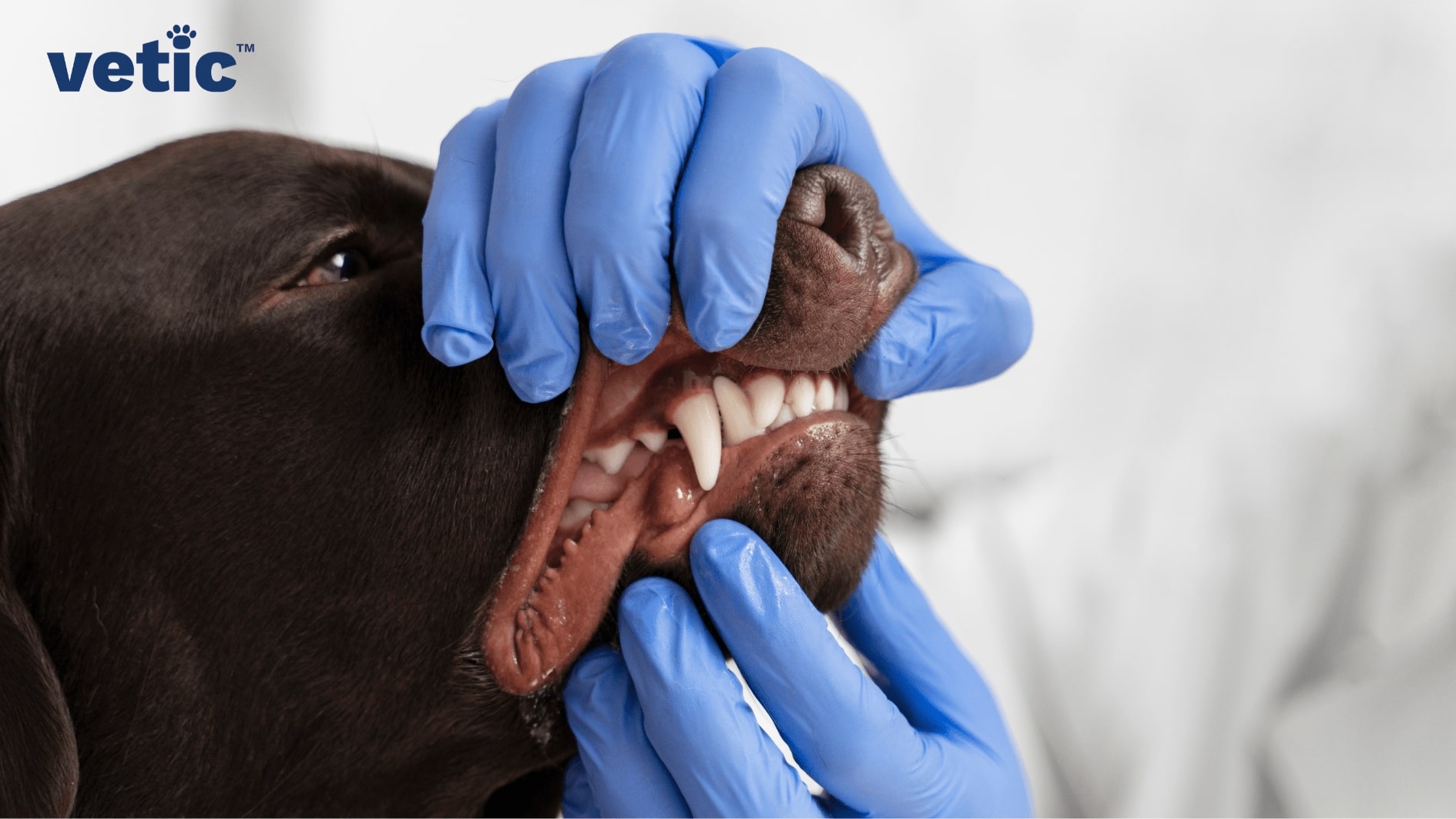
Dog dental hygiene is directly linked to your pet’s overall health and lifespan. The mouth contains millions of bacteria. And bacteria from infected gums can enter the bloodstream and spread to vital organs such as the heart, liver, and kidneys. This process, known as bacteremia, significantly increases the risk of heart disease, kidney damage, and chronic inflammation.
Regular dog dental hygiene is important as it helps prevent painful oral disease, reduces medical costs in the long run, and improves your dog’s quality of life. Early and consistent care is far simpler and safer than late-stage treatment.
Why do I need to clean my dog’s teeth?
Did you know? By the time your dog is just 3 years old, they can show the first signs of dental disease. In veterinary terms, canine periodontal disease means the buildup of plaque (soft bacterial deposits) and tartar (hardened plaque) on your dog’s teeth. It can lead to:
- Gingivitis (inflamed, bleeding gums)
- Persistent bad breath (halitosis)
- Gum infections and abscesses
- Tooth decay and eventual tooth loss
It can be extremely painful for any dog to experience periodontal disease. At the same time, the infections can spread from your dog’s gums to their heart. Without proper cleaning and treatment at the right time, dogs can experience severe health risks by the time they are only 4 years old!
How can I keep my dog’s teeth clean?
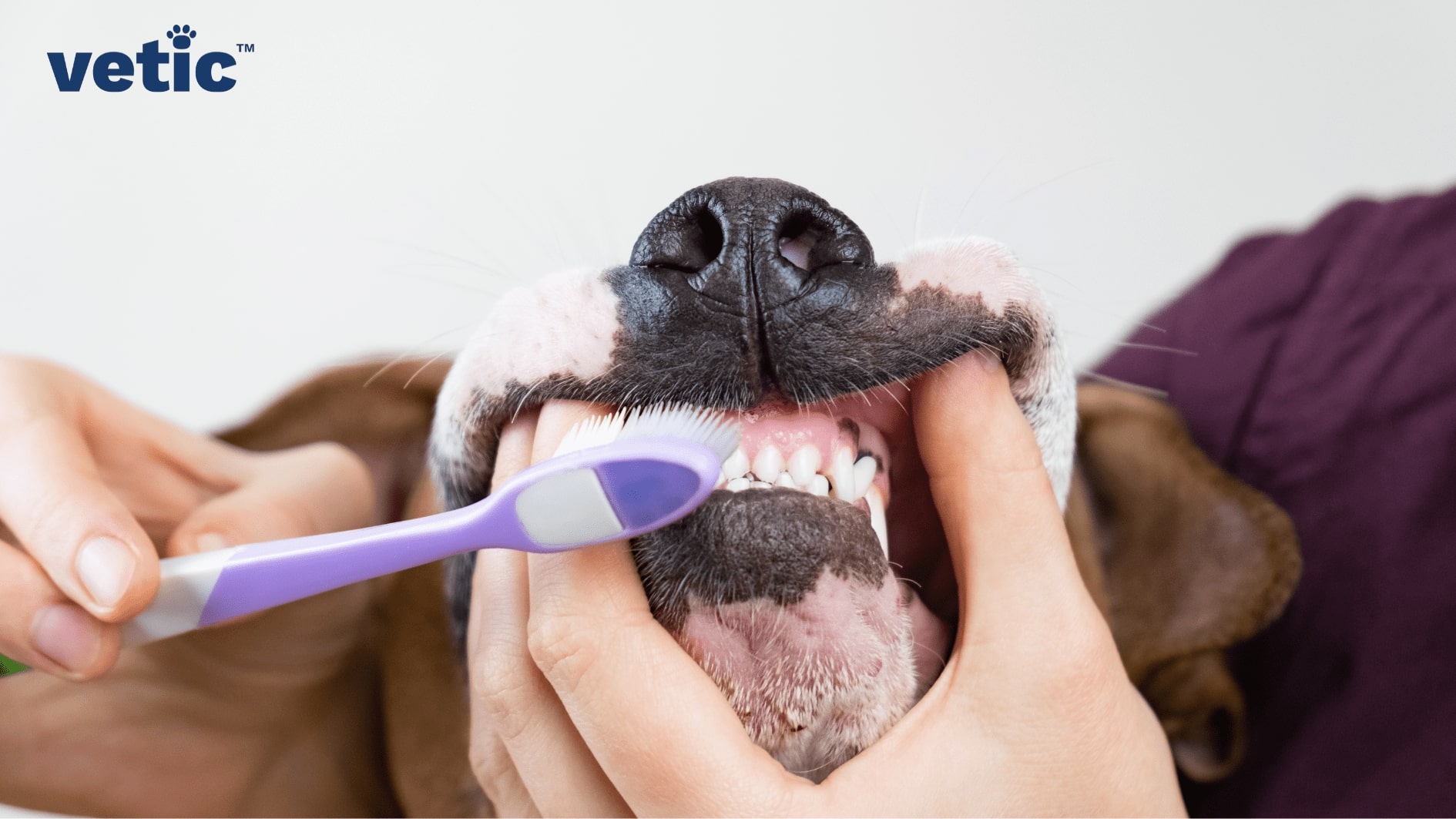
Keeping your dog’s teeth clean is not a challenge. You can prevent plaque buildup at home with the right tools, proper technique, and consistency. Today, we have several products that can help you maintain their dental hygiene. Some of the best veterinary clinics offer complete grooming services that include dental cleaning for all dogs and puppies.
However, not all dogs prefer the same methods of dog teeth cleaning and hygiene. So, we have a few options our veterinarians recommend for every pup and dog.
If you are unsure where to start, book a professional cleaning with Vetic for deeper oral care, based on your dog’s age, breed, and dental condition.
Step 1: How Do I Choose the Right Toothbrush and Dog-Safe Toothpaste?
Toothbrushes and toothpaste for dogs are very different from human products.
Never use human toothpaste for dogs. Most contain xylitol and fluoride, both of which are toxic when swallowed by pets.
- Choose dog-specific toothpaste that is safe to swallow and often flavored (chicken, meat, or malt).
- Use a soft-bristled dog toothbrush or finger brush designed to gently clean canine teeth without injuring gums.
Finger brushes are especially helpful when introducing brushing to puppies or anxious adult dogs.
Step 2: How Do I Start Brushing My Dog’s Teeth and Build a Consistent Routine?
Learning how to brush your dog’s teeth correctly is more important than brushing forcefully.
- Let your dog lick the toothpaste off your finger first.
- Gradually introduce the brush and start with a few teeth at a time.
- Focus on the outer surfaces where plaque accumulates the most.
- Increase brushing duration slowly over 1–2 weeks.
Daily brushing is ideal, but brushing at least 3–4 times a week still provides measurable benefits.
Step 3: How Can I Make Tooth Brushing a Positive and Rewarding Experience for My Dog?
Dogs are more cooperative when dental care feels safe and rewarding.
Use verbal praise, gentle handling, and a healthy reward after brushing.
Avoid restraining or forcing the process – fear can create long-term resistance.
Consistency and positive reinforcement are more effective than occasional aggressive brushing.
What Sprays, Wipes, and Chew Tools Can Help With Dog Dental Care?
An effective dog dental care routine usually combines brushing, supportive hygiene products, and safe chewing options. Each of these plays a distinct role in reducing plaque, controlling bacteria, and maintaining healthy gums.
Do Dental Sprays and Oral Hygiene Aids Really Work for Dogs?
Dog dental sprays and wipes help reduce oral bacteria and freshen breath, especially in dogs who resist brushing. Doggy dental sprays now come in different flavours that your dog can try. Most of these dental cleaning sprays have chlorhexidine in them which cleans plaque and reduces the chances of dental infection.
While dog dental wipes and sprays are helpful adjuncts, brushing remains the gold standard for effective dog dental hygiene. If your pet already has dental plaque, you may need to clean their teeth more than once a day. However, speak to your veterinarian first to find out what type of dental spray your pooch needs right now.
Do Dental Treats Help Clean My Dog’s Teeth?
Dental treats do work in minimising plaque and tartar formation. However, if you want to go with dental treats, make sure they do not contain any additives that upset your dog’s stomach. They should be low in calories and fat. If your dog is already overweight, you should definitely watch how many dental treats they are having per day.
Dental treats work pretty well when there is minimal plaque. If your dog already has periodontal disease, then you will need a more aggressive dog teeth cleaning. These treats can remove plaque and freshen up your dog’s breath.
Chews can help scrape plaque but should complement, not replace, brushing. Always choose vet-approved dental treats.
Do Chew Sticks and Chew Toys Help Clean a Dog’s Teeth?
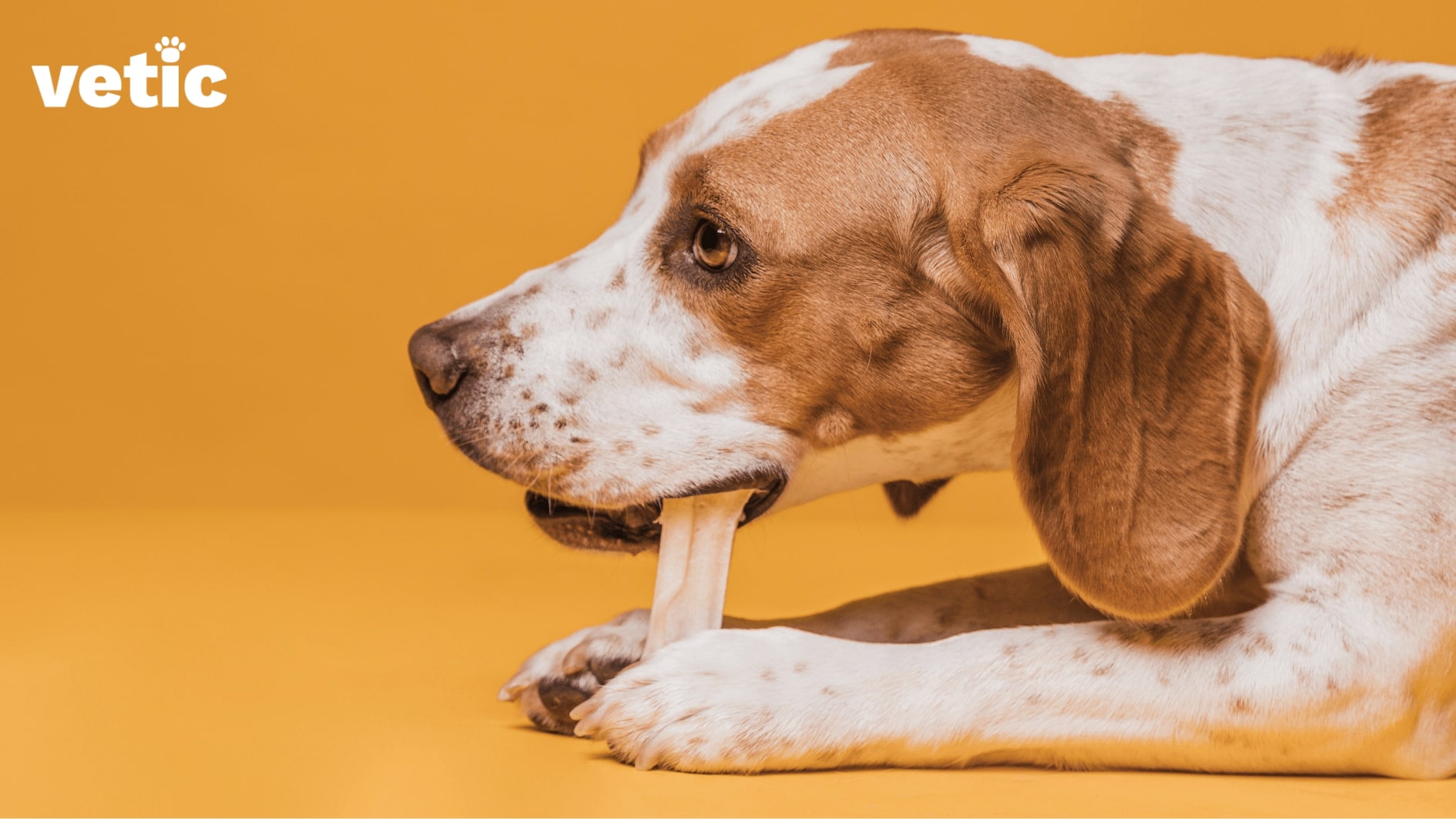
It is a fantastic time for all dogs since there are literally hundreds of chew stick styles and flavours to explore! Doggy chew sticks almost always have the power to clean teeth. They have a texture hard enough to scrape off the plaque buildup.
Apart from helping the teething process in puppies, dental chew sticks are effective in staving off canine periodontal disease. Many of these doggy chew sticks are all-natural. They mostly contain meat with a hint of veggies. They are antibacterial. If you want zero-calorie chewies, you can opt for chew toys. Rubber chew toys or dental bones can help massage gums and clean teeth when used appropriately.
Avoid:
- Cooked bones
- Very hard nylon toys
- Objects that can fracture teeth or damage enamel
For guided dental care and safe add-ons, explore Vetic Dog Grooming Services (Dental Add-on).
How my Doggy Diets Affect Their Dental Health?
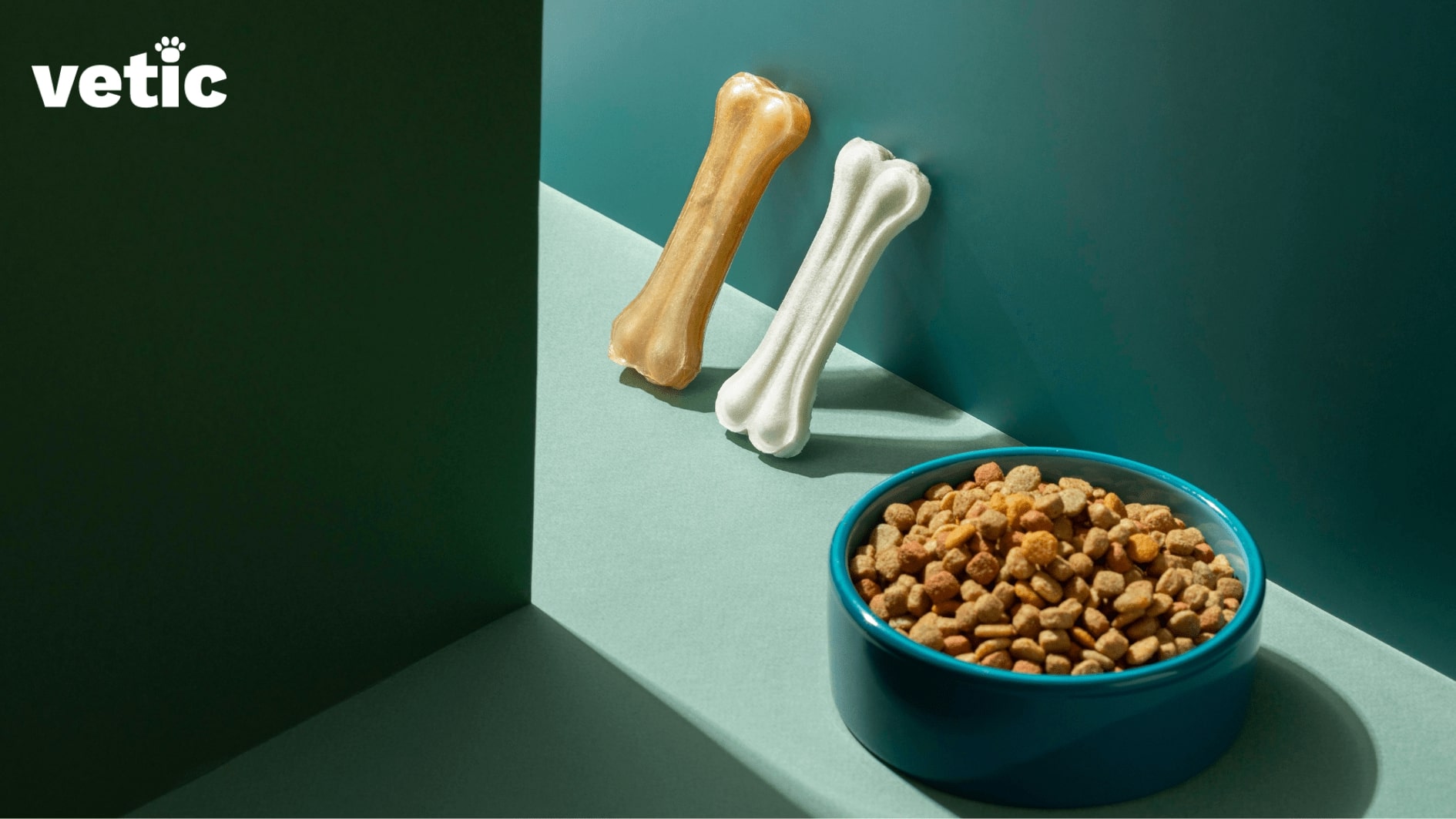
Diet and the best food for dog teeth health play a significant role in oral hygiene. Dogs that eat wet food or homemade food are sadly more likely to have plaque buildup within 4 to 5 years. Although soft food may be easier to chew and digest, they don’t clean your dog’s teeth optimally. Adding bones is NEVER a good idea to their food since they can cause teeth and mouth injuries, and increase the chances of choking and injuries to the digestive tract. Similarly, avoid sticky, sugary, or overly processed treats
It’s always better to switch to crunchy kibbles or other dental diet food for dogs. The latter is difficult to find in India, but not impossible. Some brands have kibbles specifically designed to promote plaque removal.
Why Professionally Cleaning your Dog’s Teeth is Important?
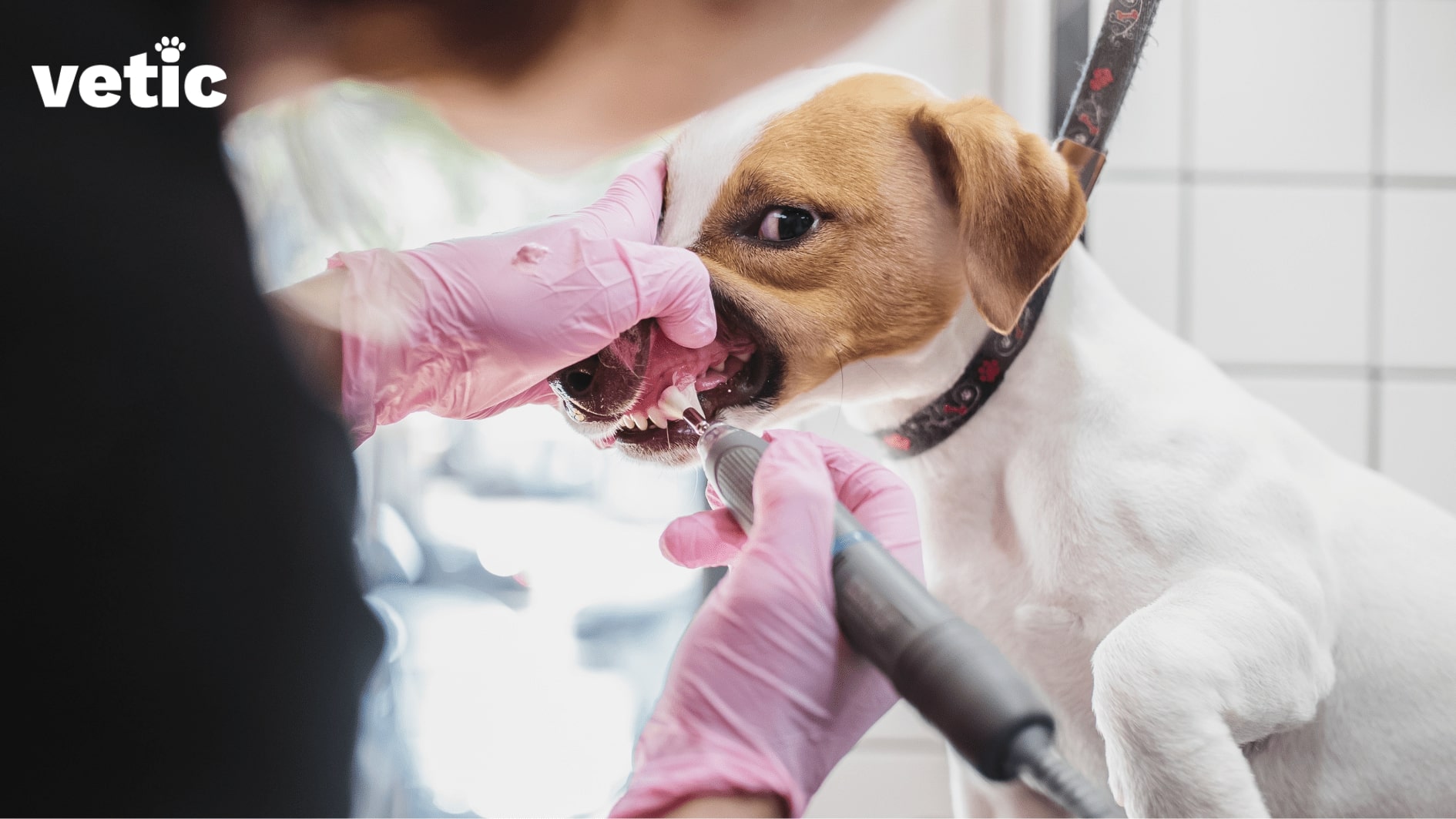
If your dog has periodontal disease or excessive plaque formation, professional dental cleaning is essential. This procedure includes:
- Ultrasonic scaling above and below the gumline
- Polishing to smooth enamel and prevent reattachment of plaque
For the safety of your dog, they will be under mild anaesthesia when the veterinarian cleans their teeth. Dogs with a particular propensity for dental plaques and tartar may need professional dental cleaning once a year. Due to the involvement of anaesthesia, your vet will also recommend extensive pre-anaesthetic testing before the procedure. Switch to a dental diet and use dental chew sticks to keep plaque build-up to a minimum after a professional dental cleaning.
What Happens During a Professional Dental Cleaning Procedure?
- Pre-anesthetic physical exam and blood tests
- Removal of plaque and tartar using scaling tools
- Polishing of teeth to slow future buildup
- Oral rinse and monitored recovery
How Often Should Dogs Get Professional Dental Cleaning?
- Most dogs benefit from annual dental cleaning
- Small breeds and brachycephalic dogs may require more frequent dog teeth cleaning
Your veterinarian will recommend timing based on plaque accumulation and gum health.
Are some dogs more prone to dental diseases as compared to others?
Yes. Dental disease is more common in:
- Aadults and older dogs
- In younger dogs, flat-faced breeds and some mixed breeds
- Brachycephalic breeds with crowded or misaligned teeth
High-risk breeds include:
- Pugs, Shih Tzus, French Bulldogs
- Pomeranians, Dachshunds
- Toy Poodles, Chihuahuas
They can have severe underbites and uneven teeth. Therefore plaque buildup is fairly common even by the time they are only 1 year old.
Small breed dog dental care should begin early, ideally from 8–10 weeks of age. If your pupper is brachycephalic, make it a habit of brushing their teeth from the time they are around 60 days old. Before they are 60 days, clean their gums and teeth softly but firmly using your fingers. It will familiarise them with the feeling of dental brushing and dog teeth cleaning.
Should I opt for professionally cleaning my dog’s teeth?
You should strongly consider professional dental cleaning if your dog has:
- Persistent bad breath
- Yellow or brown teeth
- Bleeding or swollen gums
- Drooling or difficulty eating
First, you should take your dog for a dental checkup. It can be a part of their routine health checkup as well. At Vetic, our veterinarians always check a dog’s dental condition before progressing with further physical examination and treatment.
Secondly, at Vetic, we offer dental cleaning for dogs and puppies during grooming. Check out our grooming services to know more about the products and processes our expert groomers use to clean your dog’s teeth.
Finally, if your veterinarian confirms that your dog has excessive plaque and tartar buildup then you should definitely opt for professional cleaning services. Dental infection is a serious health risk for any dog since it can easily spread through the blood vessels directly into the heart.
However, always ensure that the dog dental clinic or animal hospital has state-of-the-art medical infra just like Vetic. Since your pooch will require multiple blood tests and anaesthesia for the procedure.
Book a same-day appointment with Vetic for a dental exam and expert guidance.
How to Prevent Dental Disease in Dogs?
Preventive care is always better than treatment. Key steps include:
- Regular tooth brushing
- Using dental chews and sprays
- Maintaining a balanced, dental-friendly diet
- Scheduling annual veterinary dental exams
How Dental Care Affects Overall Health?
Good oral health improves:
- Digestion and nutrient absorption
- Inflammation control
- Kidney and heart health
Poor dental hygiene significantly increases the risk of systemic diseases and chronic infections in dogs.
What is the Cost of Dog Dental Cleaning in India?
The cost of dog dental cleaning in India typically ranges from ₹2,000 to ₹10,000, depending on:
- Severity of dental disease
- Use of anesthesia
- Diagnostic tests required
- Dog dental clinic infrastructure
FAQs on Dog Dental Cleaning and Oral Care
How often should I schedule dog dental cleaning for my pet?
Most dogs need dog dental cleaning once a year, while small or brachycephalic breeds may require more frequent checkups.
Is professional dental cleaning for dogs safe?
Yes. Professional dental cleaning for dogs is safe when performed under veterinary supervision with proper pre-anesthetic testing.
Can I use a dog teeth brushing service instead of brushing at home?
A dog teeth brushing service helps maintain oral hygiene, but daily brushing at home remains the most effective approach.
What are the signs my dog needs dental cleaning?
Bad breath, yellow teeth, bleeding gums, drooling, or difficulty eating are all signs your dog needs dog teeth cleaning.
Is anesthesia necessary for professional dog dental cleaning?
Yes. Professional dental cleaning for dogs requires anesthesia so the vet can safely clean above and below the gumline.
Can dental treats replace dog dental cleaning?
No. Dental treats support dog dental care but cannot remove tartar like professional cleaning or brushing can.
How early should I start brushing my dog’s teeth?
You can start dog teeth brushing as early as 8–10 weeks to help them get comfortable with the routine.
What products should I use for safe dog dental care?
Use dog-specific toothpaste, soft toothbrushes, dental sprays, and vet-approved chews designed for dog dental care.
Does dog teeth cleaning help prevent heart and kidney disease?
Yes. Proper dog dental cleaning reduces bacterial spread, lowering the risk of heart, liver, and kidney complications.
10. How much does professional dental cleaning for dogs cost in India?
The cost of professional dental cleaning for dogs in India ranges from ₹2,000 to ₹10,000, depending on disease severity and diagnostics.