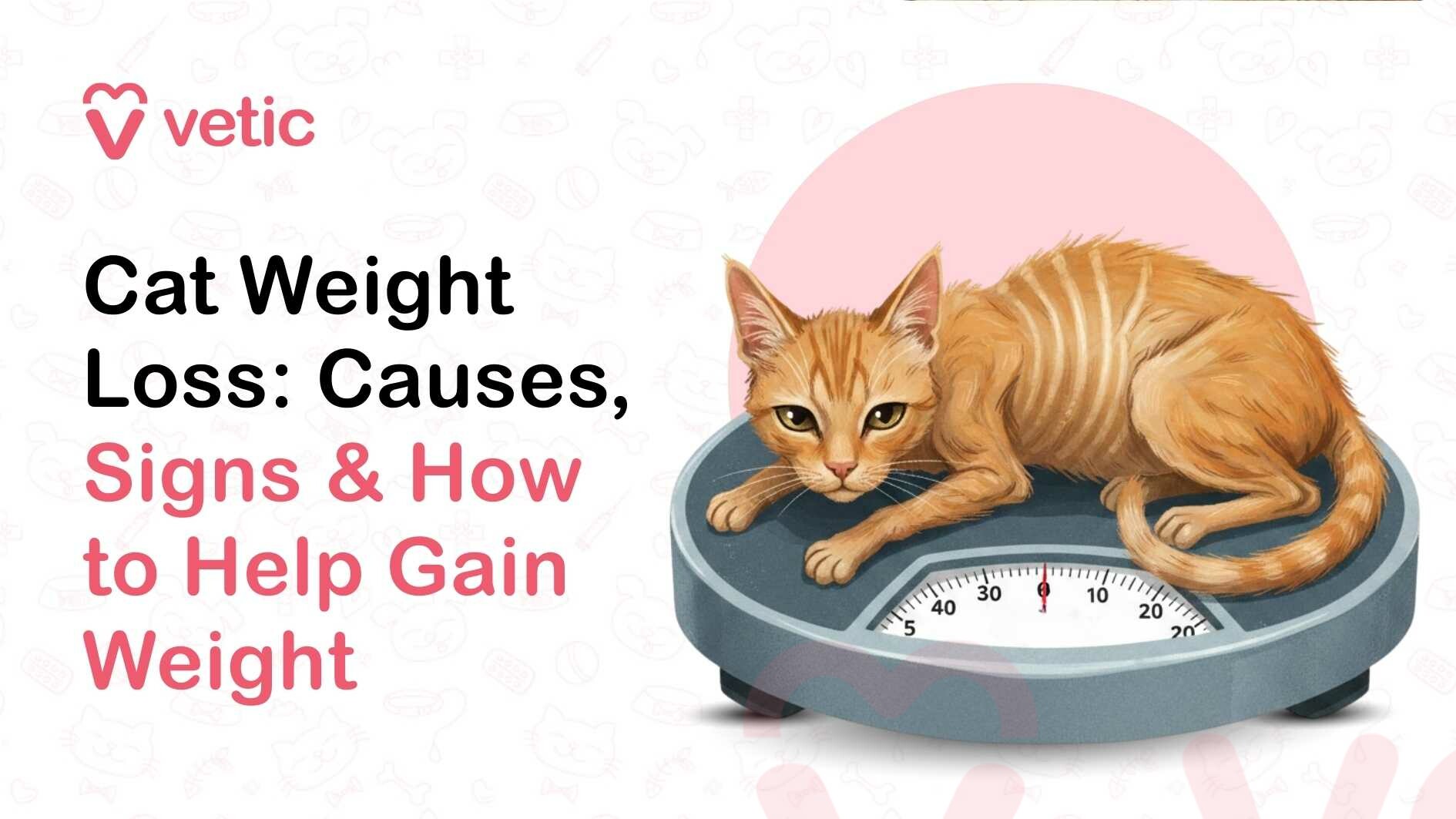
Noticing that your cat looks thinner than usual can be unsettling. Cats are masters at hiding illness. So weight loss is often one of the earliest visible signs that something is not quite right. While minor fluctuations can be normal, ongoing or sudden weight loss in cats should never be ignored.
This blog explains what it means when a cat is skinny, the most common causes of feline weight loss, how to tell if your cat is underweight, and practical ways to help your cat regain healthy body weight, along with clear signs that veterinary care is essential.
What “Cat Is Skinny” Usually Indicates for Pet Parents
When pet parents say their “cat is skinny,” they usually mean one of three things:
- The cat’s ribs, spine, or hips feel more prominent than before.
- The cat looks thinner compared to other cats.
- The cat has visibly lost weight over a short period.
Not all slim cats are unhealthy. Some breeds, such as Siamese or Oriental Shorthairs, naturally have leaner builds. Kittens and highly active young cats may also appear slim as they grow.
However, if your cat has:
- Lost noticeable muscle mass
- Developed a bony appearance
- Dropped weight despite eating normally
- Become less active or withdrawn
…it’s time to investigate further.
Unlike dogs, cats cannot safely tolerate long periods of inadequate nutrition. Even short-term underfeeding can lead to serious complications, such as fatty liver disease, especially in adult and senior cats.
Common Reasons for a Cat Losing Weight at Home
Sometimes, the reason your cat is losing weight is relatively simple and manageable. Environmental and feeding factors are among the most common non-medical causes.
Not Eating Enough or Selective Feeding
Cats are famously picky eaters. If they dislike the texture, smell, or temperature of a new food, they may eat less than usual.
Common feeding-related causes include:
- Switching food too quickly
- Dislike of a new food
- Changes in texture, smell, or brand
- Expired or stale kibble
- Dental pain, making chewing uncomfortable
- Reduced appetite from mild illness
- Feeding competition in multi-cat homes
Even a small reduction in daily intake can lead to noticeable weight loss over time, especially in lean or older cats.
Suggested Read: Why Is My Cat Not Eating Food? Causes, Vomiting Concerns, and Treatment
Stress, Anxiety, or Environmental Changes
Cats are highly sensitive to changes in their surroundings. Stress can significantly affect appetite and metabolism.
Common stressors include:
- Moving house
- New pets or people
- Loud noises or construction
- Changes in the feeding schedule
- Litter box location changes
- Loss of a companion animal
A stressed cat may hide, eat less, groom excessively, or display behavioural changes. In some cases, stress alone can cause sudden weight loss, especially in already anxious cats.
Book affordable cat diagnostics near you if weight loss persists to rule out medical causes.
Health Conditions That Can Cause Feline Sudden Weight Loss
When weight loss in cats happens quickly or continues despite normal eating, medical causes must be considered.
Parasites, Digestive Issues, or Infections
Internal parasites, such as roundworms, hookworms, and tapeworms, can steal nutrients from your cat’s body. Digestive disorders may include:
- Chronic diarrhoea
- Inflammatory bowel disease (IBD)
- Bacterial or viral infections
- Food allergies or intolerances
- Malabsorption syndromes
Infections, bacterial, viral, or fungal, may also increase metabolic demand, leading to weight loss.
Diabetes, Hyperthyroidism, or Kidney Disease
These are among the most common medical causes of weight loss in adult and senior cats.
- Hyperthyroidism increases metabolism, causing weight loss despite increased appetite. Cats may drink and urinate more frequently.
- Diabetes affects how the body uses glucose, leading to muscle and fat loss. Cats may also develop increased thirst, urination, and appetite.
- Chronic kidney disease reduces appetite and alters nutrient balance. Cats may also have decreased appetite.
These conditions require veterinary diagnosis and long-term management.
How to Tell If Your Cat Is Underweight or Malnourished
Determining whether your cat is skinny or underweight involves more than visual inspection.
Veterinarians use a Body Condition Score (BCS) system ranging from 1 to 9. A score of 4-5 is ideal. A score of 1-3 indicates an underweight cat.
Visible Ribs, Spine, and Muscle Loss
Signs of being underweight or a skinny cat include:
- Ribs are easily visible or sharply defined
- Prominent spine or hip bones
- Narrow waist when viewed from above
- Reduced muscle over the shoulders and thighs
- The abdomen appears tucked dramatically
- Loose or sagging skin
A healthy cat should have ribs that are easily felt but not clearly seen.
Suggested Read: Can I Feed a Cat Dog Food? Risks and Nutritional Differences
Behavioural Changes or Low Energy Levels
Skinny cats may also show:
- Reduced playfulness
- Sleeping more than usual
- Weakness or reluctance to jump
- Poor coat quality
- Increased irritability or withdrawal
- Less grooming
These signs in skinny cats suggest the body is lacking adequate energy or nutrients.
Diet and Feeding Strategies to Support Weight Gain
Once medical causes are ruled out or managed, nutrition plays a central role in healthy weight gain.
High-Calorie Cat Diet Food: Weight Loss Recovery Alternatives
Veterinarians often recommend:
- High-calorie veterinary recovery diets
- Energy-dense wet foods
- Diets higher in protein and fat
- Easily digestible formulations
- Nutritional gels or supplements
Wet food for skinny cats is often preferred because it:
- Is more palatable
- Provides hydration
- Is easier to chew for cats with dental issues
Avoid switching foods abruptly, as this can worsen appetite loss.
Gradual Meal Increases and Appetite Stimulation Tips
Effective feeding strategies include:
- Offering smaller, more frequent meals
- Warming food slightly to enhance aroma
- Providing a quiet, stress-free feeding area
- Separating cats during meals if competition exists
- Keeping feeding times consistent
- Ensure fresh water is always available
- Consider puzzle feeders for enrichment
For skinny cats or cats with poor appetite, veterinarians may recommend appetite stimulants or supportive feeding plans.
Suggested Read: Veterinarian Recommended Cat Food Across Life Stages: Newborn, Kitten, Adult and More
When Sudden Weight Loss in Cats Needs Veterinary Attention
Some situations require prompt medical evaluation.
Persistent or Rapid Weight Loss
Seek veterinary care if:
- Weight loss continues beyond a week
- Your cat loses more than 5-10% of its body weight
- Weight drops despite normal or increased appetite
- Appetite changes suddenly
- Your cat refuses food for more than 24 hours
Rapid weight loss is especially dangerous in overweight cats, as it increases the risk of fatty liver disease.
Accompanying Symptoms Like Vomiting, Diarrhoea, or Lethargy
Urgent attention is needed if the cat’s weight loss occurs alongside:
- Vomiting or diarrhoea
- Increased thirst or urination
- Breathing changes
- Yellow gums or eyes
- Pain, hiding, or collapse
These signs suggest systemic illness rather than simple dietary issues in cats.
How Vets Diagnose Feline Weight Loss
Veterinary evaluation typically includes:
- Physical examination and body condition scoring
- Weight tracking and diet history
- Blood tests to assess organ function
- Thyroid testing in adult and senior cats
- Urine analysis
- Imaging if needed (X-rays or ultrasound)
- Parasite screening
Diagnosis helps ensure that weight-gain efforts address the root cause of skinny cats, not just the symptom.
Long-Term Care and Monitoring for Cats and Weight Loss
Managing feline weight loss is often an ongoing process. Long-term strategies include:
- Regular weight checks at home or the clinic
- Feeding measured portions rather than free-feeding
- Adjusting diet as your cat ages
- Monitoring appetite and litter box habits
- Managing chronic conditions consistently
For senior skinny cats, maintaining muscle mass and quality of life is often more important than hitting a specific number on the scale.
Keeping a simple log of your cat’s weight, appetite, and behaviour can help detect small changes before they become serious.
Visit the top cat clinic near you for tailored long-term guidance.
Final Thoughts: About “Cat Is Skinny”
A skinny cat is not just a cosmetic concern; it can be a sign of underlying nutritional, environmental, or medical issues. Early recognition and timely action make a significant difference in outcomes.
If your cat is losing weight, trust your instincts. Careful observation, proper nutrition, and veterinary support can help your cat regain strength, comfort, and long-term health.
Frequently Asked Questions: About “Cat Is Skinny”
Is it normal for a cat to lose a few grams occasionally?
Yes. Minor fluctuations of a few grams can happen due to hydration changes or daily variations. However, consistent downward trends over weeks should be evaluated.
Can stress or moving house cause sudden weight loss in cats?
Yes. Environmental stress can reduce appetite significantly. Most cats stabilise once they feel secure again. However, a persistent refusal to eat for 24-48 hours requires veterinary attention.
How do I know if my cat is losing weight too fast?
A loss of more than 5% of body weight within a few weeks is concerning. Regular weighing helps detect changes early. Your vet can confirm whether the rate of loss is concerning.
Can older cats lose weight without showing illness?
Sometimes, early disease presents subtly in senior cats. Hyperthyroidism, kidney disease, and dental pain can initially cause weight loss before other symptoms appear.
What diet changes can safely help a skinny cat gain weight?
High-protein, calorie-dense diets fed gradually, with veterinary guidance, are the safest way to promote healthy weight gain in the skinny cats.
References
Graff, E. C., Lea, C. R., Delmain, D., Chamorro, E. D., Ma, X., Zheng, J., Zhang, Y., Brinker, E., Kittell, K., Hicks, M., Pfister, C., Hamilton, H., Li, Q., Martin, D. R., & Wang, X. (2025). Inter-evaluator bias and applicability of feline body condition score from visual assessment. Frontiers in Veterinary Science, 12. https://www.frontiersin.org/journals/veterinary-science/articles/10.3389/fvets.2025.1604557/full
Mansfield, C. (2019). Clinical Approach to the Cat that Is Losing Weight – WSAVA 2019 Congress – VIN. Vin.com. https://www.vin.com/apputil/content/defaultadv1.aspx?pId=24437&id=9382899
Purina. (2021). 6 Small Cat Breeds That Will Always Stay Kitten-like. Purina.co.uk. https://www.purina.co.uk/find-a-pet/articles/cat-types/breed-guides/small-cat-breeds
Purina. (2023). Why is My Cat Losing Weight? 7 Common Causes. Purina.com. https://www.purina.com/articles/cat/health/symptoms/cat-losing-weight
Purina. (2026). Unexplained Weight Loss. Purina Institute. https://www.purinainstitute.com/centresquare/therapeutic-nutrition/unexplained-weight-loss