
• Transmissible Venereal Tumour (TVT) is a sexually transmitted cancer unique to dogs – it spreads through direct contact between mucous membranes during mating.
• Tumours appear on the genitalia and are often cauliflower-like in appearance – they can also spread to the nose, mouth, and occasionally other organs.
• TVT is highly responsive to chemotherapy (vincristine) – spaying and neutering prevent transmission; consult a Vetic vet for diagnosis and treatment.
What is vaginal cancer in dogs?
Vaginal cancer in dogs is the most common type of cancer among all female dogs across the world. It is most commonly called TVT or Transmissible Venereal Cancer.
Why is my dog bleeding from his penis?
Dogs commonly bleed from their penis due to TVT or Transmissible Venereal Cancer. It is the most common genital cancer among male dogs and in most cases TVT is curable.
However, there can be other reasons including hematuria. Either way, you must consult your veterinarian immediately.
What is TVT or Transmissible Venereal Cancer in Dogs?
TVT or Transmissible Venereal Cancer in dogs is a type of sexually-transmissible cancer that can affect both male and female dogs.
TVT is also known by several other names, such as –
- Canine Transmissible Venereal Tumour (CTVT)
- Canine Transmissible Venereal Sarcoma
- Sticker’s sarcoma
- Sticker tumour
- Contagious venereal tumor
- Transmissible lymphosarcoma
- Venereal granuloma
- Infectious granuloma
- Canine condyloma
- Infectious sarcoma
- Contagious lymphosarcoma
As you can probably understand from the different names, TVT is transmitted cancer/tumor that is malignant.
The TVT growths can range between 5 mm to larger than 10 cm. They are typically firm, swollen, and bleed easily. TVTs are almost always located on the penis or vulva of a dog, and there can be a single or multiple growth in the same area.
What Causes TVT in dogs?
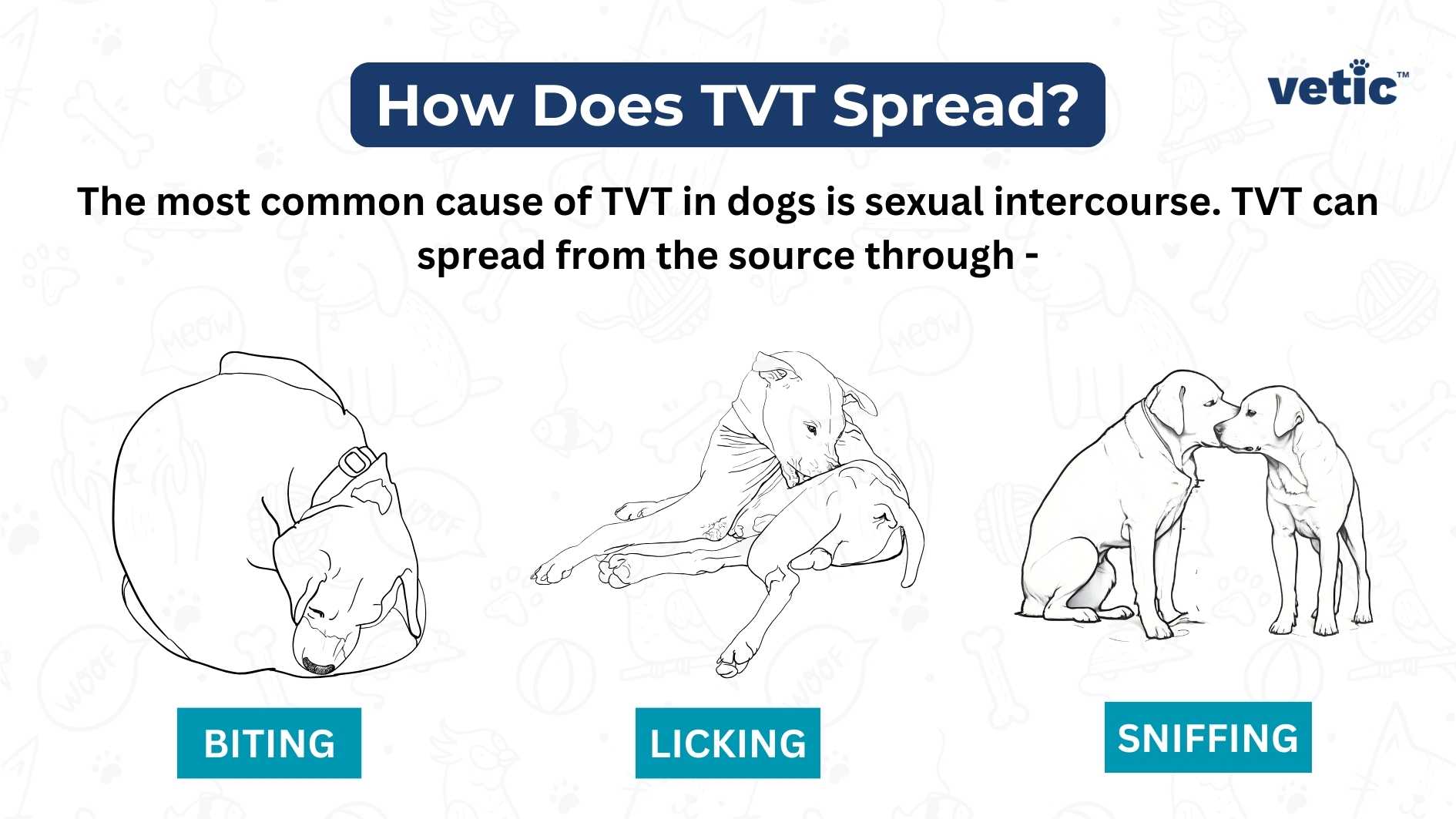
The most common cause of TVT in dogs is sexual intercourse. Nonetheless, other means of transmission include biting, licking, and sniffing the TVT-affected area of another dog.
Nasal Cancer in Dogs: Nasal Tumour, Bleeding and Discharge
TVT spreads quite easily since the tumours are firm but easily broken. The cells from the source tumour can pass on to another dog’s genitalia, nose, or mouth.
When a female with TVT is in heat and a male licks or sniffs her genitalia, the male’s nose is exposed to TVT. The cells can easily stick to the nasal passage and later grow into visible tumors.
The same process can happen if an affected male or female licks and sniffs their genitalia.
As the nasal tumor keeps growing, it creates immense pressure around the muzzle area – which can cause rupture of blood vessels and skin breakage leading to discharge.
Is Canine TVT Metastatic? Can TVT Occur Anywhere Else?
TVT is a malignant form of tumour. However, it typically doesn’t metastasise in adult dogs.
Metastasis is seen in immunocompromised dogs, pups and dogs who have not been affected by TVT for years!
Only 5% of the entire diagnosed dog population experience metastasis of TVT. However, metastasis is possible without the presence of a primary genital growth.
In the event of Canine Transmissible Venereal Tumour metastasis, the cancer typically spreads to the lymph nodes. Rarely, TVT may also spread to the skin, eye, kidney, spleen, brain and pituitary gland of the dog without the presence of any genital TVT symptoms.
Can puppies get TVT?
It is quite common for puppies born to mothers with TVT to get TVT as well.
If the mother licks her infected genitalia and then licks the puppies clean, the litter will become infected.
Unlike adult dogs, pups have a weaker immune system, so the TVT can metastasise and affect the overall life expectancy of the puppies.
What are The Common Signs of TVT?
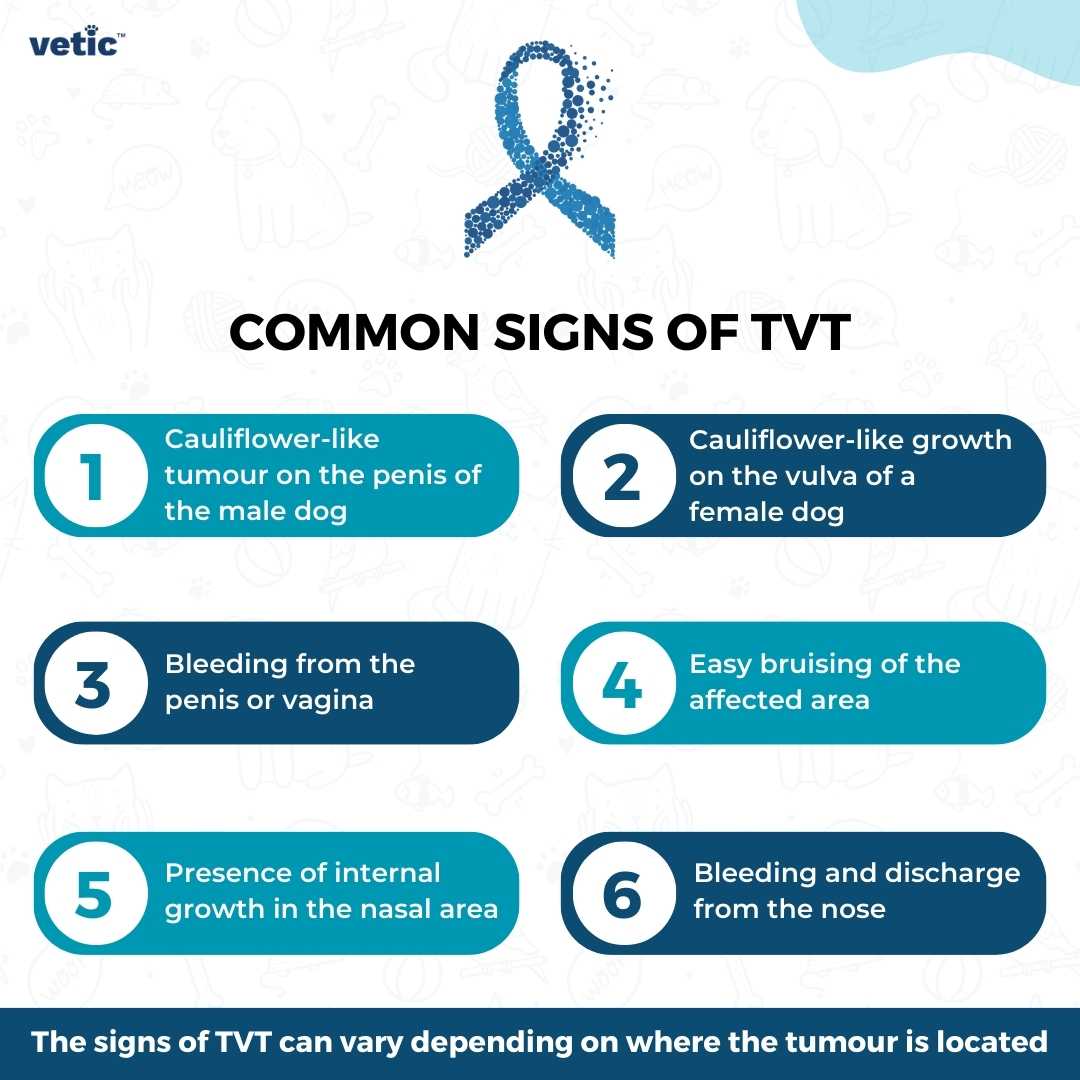
Common signs of TVT include –
- Cauliflower-like tumour(s) or growth(s) on the penis of the male dog
- Cauliflower-like tumour(s) or growth(s) on the vulva of a female dog
- Bleeding from the penis or vulva
- Easy bruising of the affected area
- Presence of internal growth (visible as swelling, externally) in the nasal area of male or female dogs
- Bleeding and discharge from the nose
The signs of TVT can vary depending on where the tumour is located. We have mentioned the common signs associated with transmissible cancerous growths on the penis, vagina, and nose of dogs.
How is TVT Diagnosed?
TVT is apparent from the cauliflower-like growths in the genital regions of male and female dogs. Nonetheless, differential diagnosis is necessary since the presentation may be similar to other round-cell tumours that occur in the genital locations.
TVT cells can be easily recognized under the microscope following a biopsy (FNAC) and impression smears.
Is TVT Curable?
Almost 95% of cases of TVT in adult dogs are curable as long as they have been detected in the early stages and proper treatment has already begun.
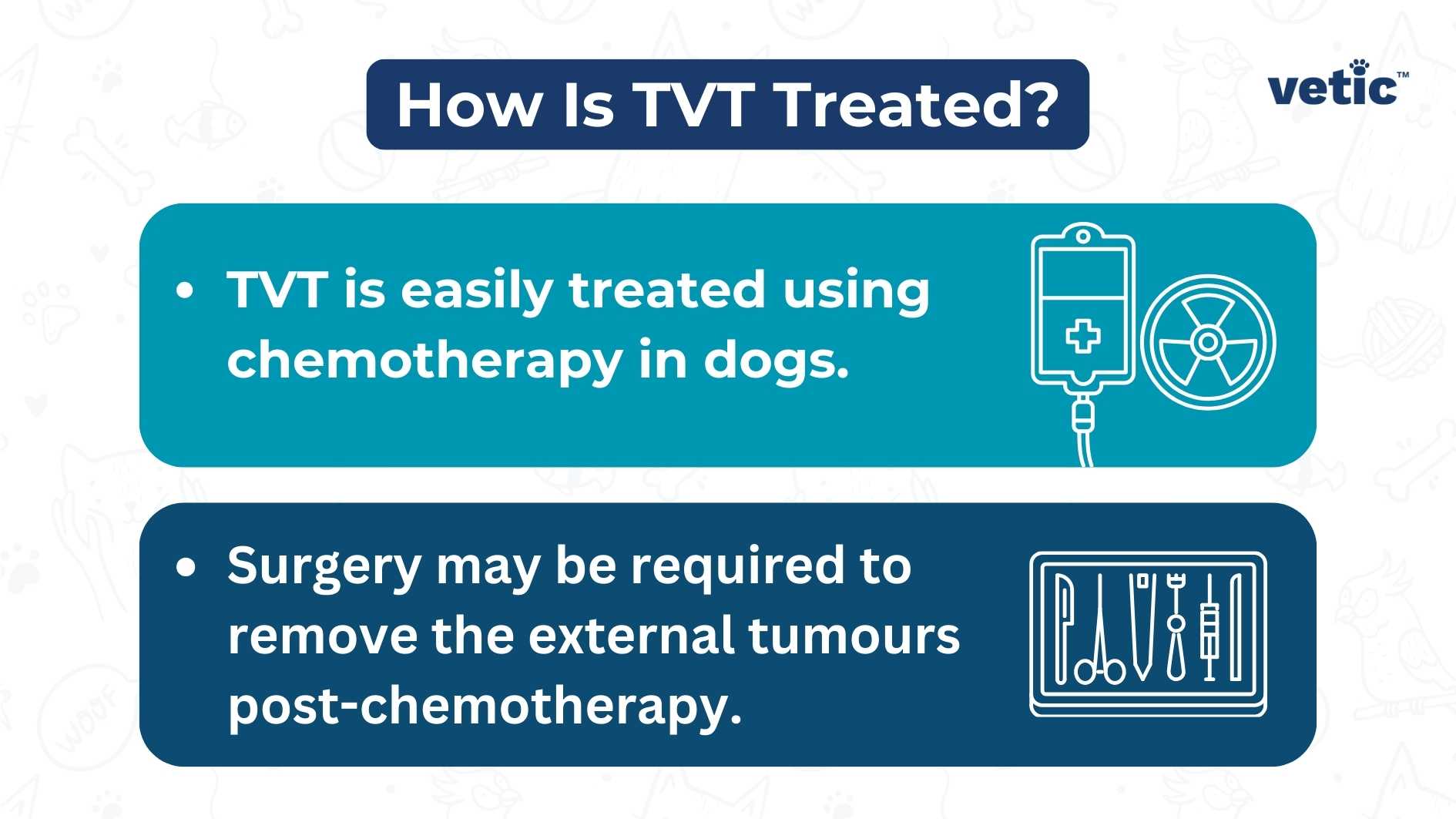
TVT is easily treated using chemotherapy in dogs. It is a cost-effective and highly efficient treatment of transmissible venereal tumours in both male and female dogs.
In some cases, doctors may suggest surgery to remove the external growths post-chemotherapy.
In other cases, especially in the case of streetie babies, veterinarians recommend spaying or neutering to prevent further relapse of TVT from sexual intercourse.
The dose and duration of chemotherapy for TVT should be determined by a veterinary oncologist.
Any dog can continue to live a healthy and cancer-free life following the complete course of chemotherapy.
How to Prevent TVT?
TVT in dogs is easily preventable. You can follow these points strictly to ensure that your dog remains free from genital cancer and nasal tumours –
- Do not let them sniff other infected dogs
- Do not let them mate with other dogs unless the said dog is certified as “fit” by a veterinarian
- Do not let your dog mingle with other dogs freely
- Neuter or spay your dog if you do not want puppies
If you notice any (pet or street) dog showing signs of TVT take them to the nearest veterinary clinic. The treatment of TVT is not costly and almost all dogs recover fully and live a long happy life. At the same time, try to get your dog as well as your community dogs neutered/spayed on time to prevent the spread of TVT!