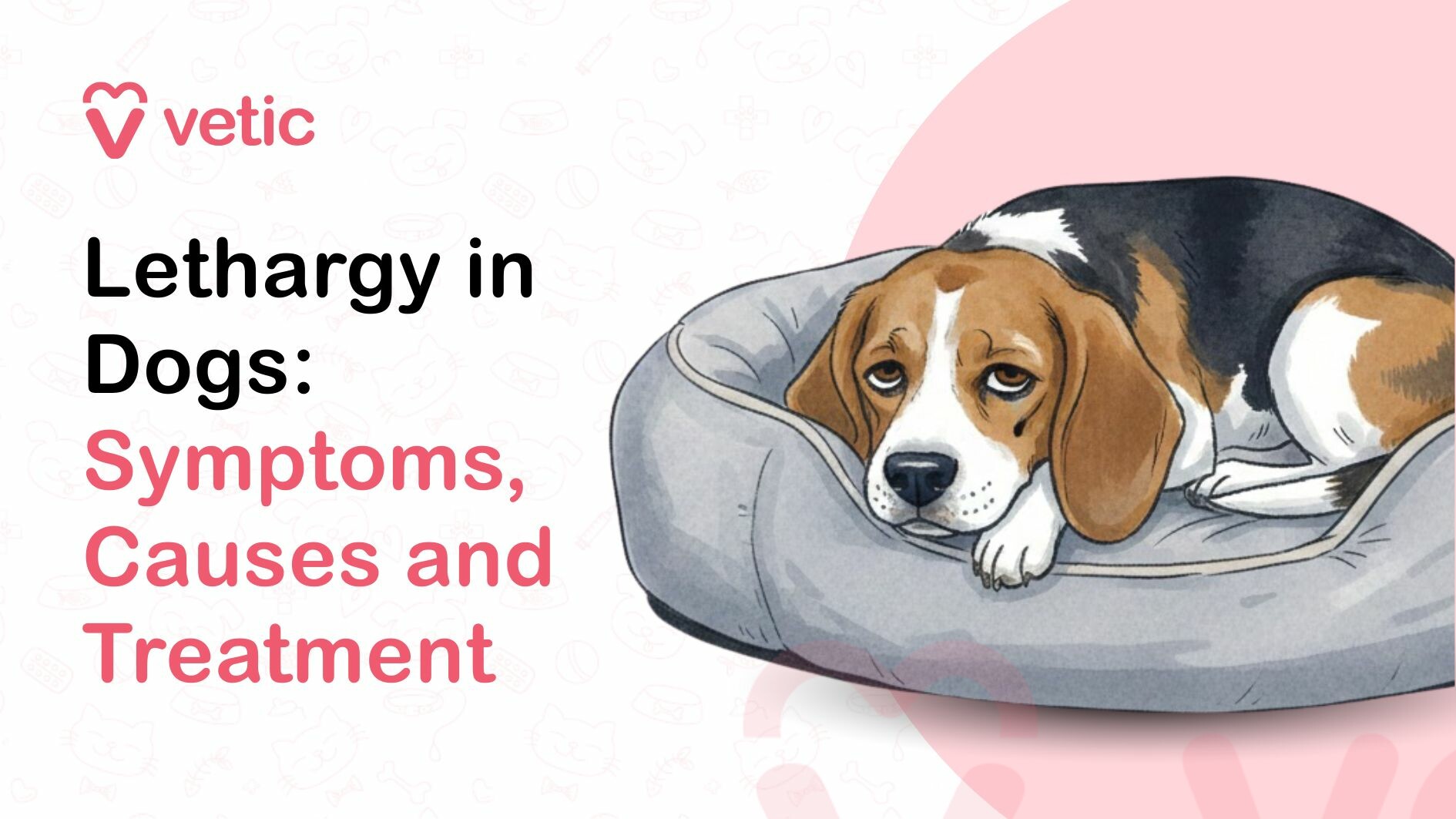
Dogs are usually eager, alert, and responsive to their surroundings. When that energy suddenly fades, it can worry even the most experienced pet parent. Lethargy in dogs is a common but important symptom that can range from harmless tiredness to a sign of serious illness. Understanding what lethargy looks like, why it happens, and when it needs veterinary care can help you act quickly and appropriately.
What Is Dog Lethargy?
Lethargy refers to an abnormal lack of energy, enthusiasm, or alertness. A lethargic dog may sleep more than usual, show little interest in walks or play, respond slowly to commands, or seem mentally “dull.”
Occasional tiredness after exercise, heat exposure, or a busy day is normal. However, dogs experiencing lethargy can be concerning for the pet parent, when low energy is persistent, sudden, or accompanied by other symptoms such as appetite loss, vomiting, or behavioral changes.
In simple terms, lethargy is not a disease; it is a sign that something in the body may not be right.
What Causes Lethargy in Dogs?
The causes of lethargy in dogs can be broadly grouped into mild, moderate, and serious conditions.
What Are the Mild Causes of Lethargy in Dogs?
Mild causes of lethargy in canines are usually temporary and improve with rest and monitoring:
- Physical exertion after long walks, travel, or intense play
- Hot or humid weather, leading to heat exhaustion
- Mild dehydration
- Minor dietary changes or eating something unusual
- Recent vaccination, which can cause short-term fatigue
- Stress or anxiety, such as boarding, guests at home, or routine changes
A lethargic puppy may also seem tired after vaccinations or growth spurts, which is usually normal if appetite and play return quickly.
What Are the Moderate Causes of Lethargy in Dogs?
Moderate causes of lethargy in canines often require veterinary attention but are not always emergencies:
- Gastrointestinal upset (mild infections, parasites, dietary intolerance)
- Pain from injury, arthritis, or dental disease
- Hormonal imbalances such as hypothyroidism
- Anemia, leading to reduced oxygen delivery to tissues
- Nutritional deficiencies, including iron or B-vitamins
- Low-grade infections
Many pet parents complain, “My dog is lethargic but eating and drinking.” This can still indicate illness, especially if the dog’s behavior is noticeably different from normal.
What Are the Serious Causes of Lethargy in Dogs?
The serious causes in dogs often require urgent veterinary evaluation:
- Severe infections (parvovirus, leptospirosis, sepsis- this can be correctly diagnosed only after a check-up, but you may observe other signs and symptoms along with lethargy, like vomiting, diarrhoea, melena, dizziness, etc.)
- Organ disease (kidney failure, liver disease, heart disease)
- Poisoning or toxin exposure
- Internal bleeding or trauma
- Immune-mediated diseases
- Cancer
- Heatstroke
If a dog is lethargic and not eating for more than 24 hours, it should always be taken seriously, especially if vomiting, diarrhea, or weakness is present.
Symptoms of Lethargy in Dogs
Lethargy in dogs, including puppies, often appears alongside other signs, including:
- Sleeping excessively or having difficulty waking
- Lack of interest in play, walks, or interaction
- Slow or stiff movement
- Reduced appetite or refusal to eat
- Weight loss
- Vomiting or diarrhea
- Pale gums
- Changes in breathing
- Hiding or unusual behavior
A lethargic puppy showing weakness, poor feeding, or collapse should be seen by a veterinarian immediately.
When Is Dog Lethargy Considered an Emergency?
Dog lethargy is considered an emergency if you see the following signs:
- Refusal to eat or drink for over 24 hours
- Vomiting, diarrhea, or blood in stool
- Difficulty breathing
- Collapse or inability to stand
- Pale, yellow, or blue gums
- High fever
- Seizures
- Known toxin ingestion
Sudden, severe canine lethargy is always more concerning than gradual tiredness.
Treatment for Lethargic Dogs
Treatment depends entirely on the underlying cause. A veterinarian may recommend:
- Physical examination and blood tests
- Urine or stool analysis
- Imaging such as X-rays or ultrasound
- IV fluids for dehydration or infection
- Medications (antibiotics, pain relief, anti-nausea drugs)
- Dietary changes or supplements
- Hospitalization for serious conditions
There is no single treatment for lethargy in dogs; addressing the root cause is essential for recovery.
Home Remedies for Dog Lethargy
Home care is only appropriate for mild, short-term lethargy when your dog is otherwise alert and eating.
You can:
- Ensure constant access to fresh water
- Offer a balanced, easily digestible diet
- Allow adequate rest in a quiet, cool space
- Avoid strenuous activity during recovery
- Monitor appetite, energy, and bowel movements
Suggested Read: Is Your Dog at Risk of Rat Fever?
Do not give human medications or supplements without veterinary advice. If lethargy persists beyond 24-48 hours, seek professional care.
Key Takeaways
- Lethargy in dogs means an unusual lack of energy, alertness, or interest in everyday activities.
- Occasional tiredness can be normal, but persistent or sudden canine lethargy is not.
- Causes range from mild issues like heat, stress, or dehydration to serious conditions affecting vital organs.
- A dog that is lethargic but still eating and drinking may still be unwell and needs close monitoring.
- A dog that is lethargic and not eating should always be evaluated by a veterinarian as soon as possible.
- Lethargy often appears alongside other symptoms such as vomiting, diarrhea, pain, weight loss, or behavior changes.
- Puppies with lethargy, especially if they’re showing signs of weakness or collapse, require prompt veterinary attention.
- Lethargy becomes an emergency when it is sudden, severe, or accompanied by breathing issues, collapse, fever, or toxin exposure.
- Treatment depends on identifying and addressing the underlying cause—there is no single cure for lethargy in dogs.
- Home care is only suitable for mild, short-term lethargy when the dog is otherwise alert and eating normally.
Concerned about lethargy in your dog? Contact our dog clinic
Lethargy in Dogs FAQs
What are common causes of lethargy?
Common causes of canine lethargy include dehydration, infections, pain, digestive issues, anemia, hormonal disorders, and environmental stress.
When should you worry about a lethargic dog?
You should worry if lethargy in a dog is sudden, severe, lasts more than a day, or comes with appetite loss, vomiting, breathing difficulty, or weakness. A lethargic dog that is not eating should always be evaluated by a veterinarian.
What deficiencies can cause canine lethargy?
Deficiencies in iron, vitamin B12, or other B-complex vitamins can lead to anemia and reduced energy levels, contributing to canine lethargy. These deficiencies are diagnosed through blood tests.
What is the best vitamin for lethargy?
There is no single “best” vitamin. Supplements should only be given if a deficiency is confirmed. Giving unnecessary vitamins can be harmful and may delay proper diagnosis.
References:
American Animal Hospital Association. (2023). When your dog is lethargic. https://www.aaha.org
PetMD. (2024). Lethargy in dogs: Causes, symptoms, and treatment. https://www.petmd.com/dog/symptoms/lethargy-in-dogs
Vientós-Plotts, A. I., et al. (2022). Clinical assessment of systemic illness in dogs. Topics in Companion Animal Medicine, 47, 100620. https://www.sciencedirect.com/science/article/pii/S1938973622001052
Merck Veterinary Manual. (2023). Overview of clinical signs in dogs. https://www.merckvetmanual.com