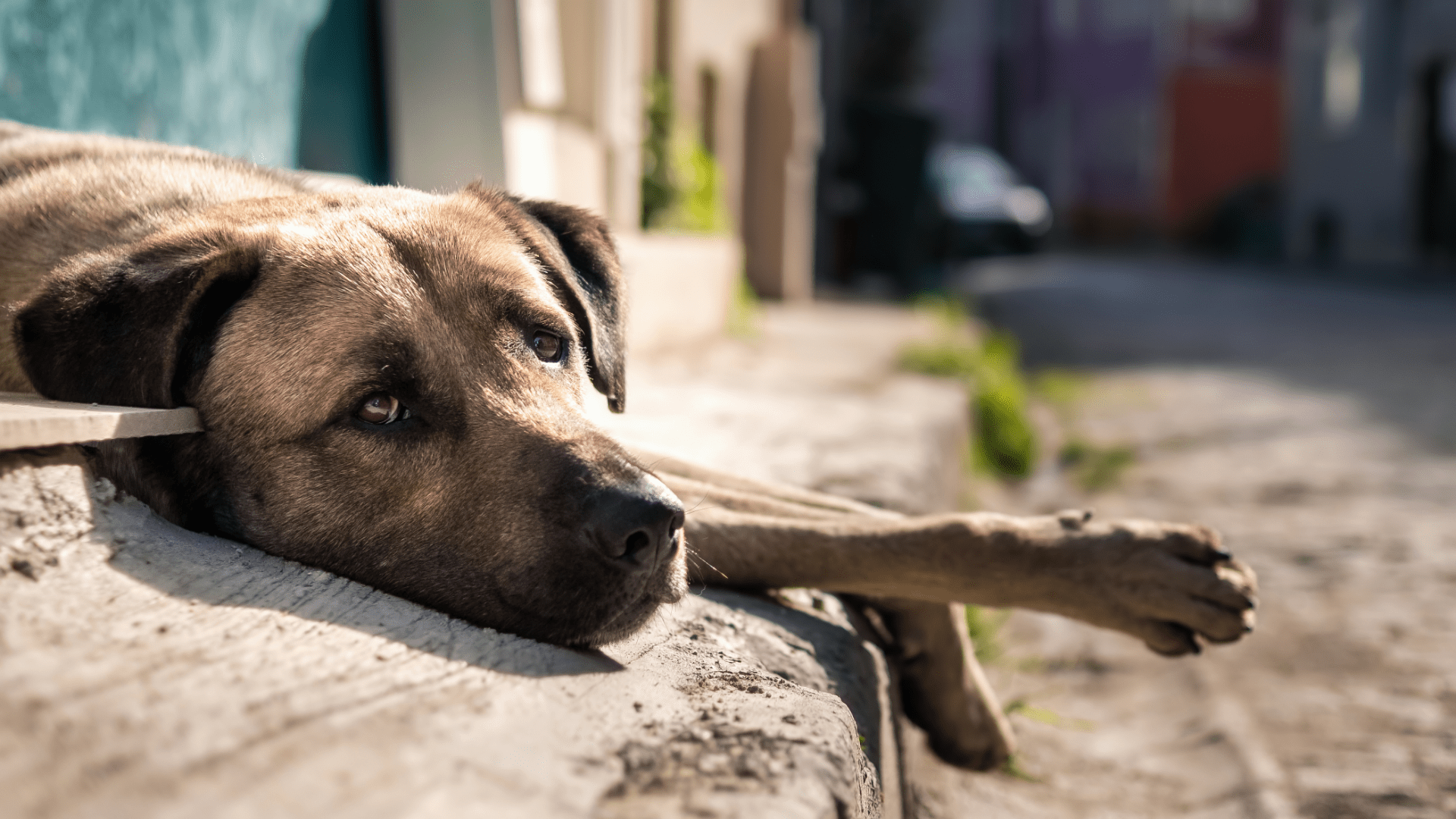
• Heatstroke (hyperthermia) occurs when a dog’s body temperature exceeds 41°C – it can cause brain damage, organ failure, and death within minutes.
• Signs include excessive panting, drooling, bright red gums, weakness, vomiting, and collapse – it can happen during walks, in parked cars, or even in the home.
• Move to cool shade, apply cool (not cold) water to paws and armpits, and get to a Vetic emergency clinic immediately – never use ice as it constricts blood vessels.
Heat stroke is a serious and life-threatening condition caused by excessive heat. It occurs when a dog’s body is unable to regulate its temperature due to rising environmental heat. Since dogs cannot sweat like humans and rely mainly on panting to cool down, they are especially vulnerable during Indian summers.
Understanding heat stroke, recognising early signs, and acting quickly can save your dog’s life.
What Is Heatstroke in Dogs and Why It Is a Serious Medical Emergency
Dogs have very limited ability to cool themselves because they only have sweat glands in their paws. Their normal body temperature ranges up to about 102.5°F (39.2°C). When their temperature rises above 103°F, it is considered abnormal, and during heatstroke, it can exceed 105°F.
In severe cases, when the body temperature crosses 107°F, it can cause irreversible damage to internal organs. This condition is called hyperthermia and requires immediate medical intervention.
It is important not to rely on touch alone to assess your dog’s temperature. Always use a thermometer or seek veterinary help immediately if you suspect overheating.
Signs and Symptoms of Heatstroke in Dogs Pet Parents Should Never Ignore
The signs of heatstroke can escalate quickly and may be difficult to recognise initially. However, early detection is critical.
Watch out for:
- Excessive panting and rapid breathing
- Dry, sticky, very red, or pale gums
- Lethargy or unusual tiredness
- Disorientation or confusion
- Difficulty walking or inability to stand
- Vomiting or signs of distress
- Seizures or unresponsiveness
These symptoms indicate a medical emergency. If you notice any of them, you should begin cooling your dog immediately and rush them to the nearest veterinary clinic.
Normal Dog Body Temperature Compared to Heat Stroke Levels
Dogs’ normal body temperature ranges from 101 to 102.5°F. Heat stroke symptoms usually start when the temperature exceeds 103°F and become life-threatening above 107°F.
Early Warning Symptoms of Heat Stroke in Dogs:
- Panting
- Drooling
- Lethargy
Severe and Advanced Symptoms of Heat Stroke in Dogs:
- Seizures
- Bloody diarrhea
- Collapse
How Do Dogs Get Heatstroke? Common Causes and Risk Factors
Environmental Conditions That Trigger Heatstroke in Dogs
Heatstroke does not only occur on extremely hot days. High humidity and poor ventilation can also make it difficult for dogs to cool down.
Common environmental causes include:
- Being left inside a parked car without air conditioning, even for a few minutes
- Staying in enclosed or poorly ventilated spaces without shade
- Walking or exercising during peak daytime heat
- Lack of access to cool drinking water
- Living in homes without proper cooling or airflow
Even indoor dogs can suffer from heatstroke if their environment is not adequately ventilated or cooled.
Breed, Age, and Physical Traits That Increase the Risk of Heatstroke
Certain dogs are more prone to heatstroke due to their physical characteristics. Dogs with flat faces, known as brachycephalic breeds, have shorter airways that make it harder for them to cool down through panting.
Breeds at higher risk include:
- Pugs
- Bulldogs
- Shih Tzus
- Boxers
- Mastiffs
In addition to breed, older dogs and overweight dogs are more susceptible to overheating. These dogs require extra care and should be kept in cool environments, especially during the day.
Which Dogs Are Most Susceptible to Heatstroke in Hot Weather
While any dog can suffer from heatstroke, some are at significantly higher risk. Dogs with thick coats, limited heat tolerance, or underlying health conditions may struggle more in hot and humid weather.
Dogs most at risk include:
- Brachycephalic (flat-faced) breeds
- Puppies
- Geriatric (senior) dogs
- Obese dogs
- Dogs with respiratory or heart conditions
- Dogs kept outdoors without proper shade
These dogs should be monitored closely and kept indoors or in cool areas during peak heat hours.
Can Heatstroke in Dogs Be Fatal? Understanding the Risks and Complications
Heatstroke can be fatal if not treated immediately. Prolonged exposure to high temperatures and severe dehydration can lead to serious complications.
These may include:
- Seizures due to rising body temperature
- Cardiovascular stress and collapse
- Multi-organ failure when temperatures exceed 107°F
Heatstroke progresses rapidly, and delaying treatment can significantly reduce survival chances.
Long-Term Health Effects Dogs May Experience After Heatstroke
Even if a dog survives heatstroke, there may be long-term consequences. Damage caused by high body temperatures can affect vital organs and overall health.
Possible long-term effects include:
- Kidney damage
- Liver dysfunction
- Neurological issues
- Increased sensitivity to heat in the future
This is why early treatment and proper recovery care are essential.
Treatment for Heatstroke in Dogs: What Pet Parents and Vets Should Do
Heatstroke is always an emergency and requires immediate veterinary care. At-home treatment alone is rarely sufficient, as symptoms are often recognised late.
Veterinary treatment may include:
- Controlled cooling methods
- Intravenous (IV) fluids to treat dehydration
- Oxygen or respiratory support
- Medications to stabilise vital functions
The sooner your dog receives professional care, the better their chances of recovery.
Immediate First Aid Steps to Take if Your Dog Has Heatstroke
If you suspect heatstroke, you must act quickly while arranging transport to a veterinary clinic.
Follow these steps:
- Move your dog to a cool, shaded, or air-conditioned area
- Offer small amounts of cool (not cold) drinking water
- Use cool water to gently lower body temperature
- Turn on fans or air conditioning to aid cooling
- Transport your dog to a clinic immediately
These steps are only temporary measures and should never replace professional treatment.
Professional Veterinary Treatment for Heatstroke in Dogs:
- IV fluids for hydration and cooling
- Oxygen supplementation if respiratory distress is present
- Rectal temperature monitoring to track cooling progress
- Medications to support organ function and control seizures if any
Can Dogs Fully Recover from Heatstroke? Recovery and Prognosis
Dogs can recover from heatstroke if they receive timely and appropriate treatment. The chances of recovery depend on how quickly treatment begins and how severe the condition is.
During recovery, your dog may require:
- Continued monitoring at the clinic
- Hydration support and medication
- A cool and stress-free environment at home
You should also watch for any unusual symptoms during recovery, as complications can develop later.
How to Prevent Heatstroke in Dogs During Hot Weather
Prevention is always better than treatment when it comes to heatstroke.
You can reduce the risk by:
- Avoiding walks during peak daytime heat
- Ensuring constant access to clean, cool drinking water
- Keeping your dog in a well-ventilated or air-conditioned space
- Providing adequate shade if outdoors
- Never leaving your dog in a parked car
- Limiting physical activity during hot weather
If you feel hot, your dog is likely feeling even hotter. Always prioritise their comfort during summer months.
What Pet Parents Should Never Do If Their Dog Is Overheating
In emergency situations, certain actions can worsen your dog’s condition instead of helping.
Avoid the following:
- Do not rely only on a ceiling fan, as dogs cannot cool themselves through sweating
- Never use ice or ice packs, as they can constrict blood vessels and trap heat inside
- Do not use very cold water; use cool water instead
- Never transport your dog in a car without air conditioning
- Do not wait or delay seeking veterinary help
Quick and correct action can make the difference between life and death.
Want to Know More About Heatstroke in Dogs?
Staying informed and prepared is key to protecting your dog from heat stroke. Consult your veterinarian for personalized advice and make sure your dog has a safe and cool environment, especially in hot climates.
Heat stroke in dogs is a life-threatening condition that requires immediate attention and proactive prevention. Understanding the signs, causes, and proper response can save your dog from severe organ damage and even death. By keeping your dog cool, hydrated, and avoiding heat exposure, especially in vulnerable breeds, you can protect their health and well-being during hot weather. Early recognition and quick veterinary care are critical for survival and recovery.
- https://pmc.ncbi.nlm.nih.gov/articles/PMC11295878/
- https://vetmed.agriculturejournals.cz/pdfs/vet/2022/07/03.pdf
- https://todaysveterinarypractice.com/emergency-medicine-critical-care/todays-technician-heatstroke-in-dogs/
- https://www.rvc.ac.uk/Media/Default/VetCompass/Documents/pet-gazette-heatstroke-in-dogs.pdf
- https://www.tvmf.org/articles/heatstroke-heat-can-be-fatal-to-your-pet/
- https://www.nature.com/articles/s41598-020-66015-8
- https://vcahospitals.com/know-your-pet/heat-stroke-in-dogs
Frequently Asked Questions About Heatstroke in Dogs
What are the signs of heatstroke in dogs?
Common signs include excessive panting, red or pale gums, lethargy, disorientation, vomiting, and seizures.
What is the difference between heat exhaustion and heatstroke in dogs?
Heat exhaustion is an early stage where the dog is overheated but still stable. Heatstroke is a severe condition where body temperature rises dangerously and can cause organ failure.
What should I do immediately if my dog has heatstroke?
Move your dog to a cool place, offer water, begin cooling, and rush to a veterinary clinic immediately.
How do I cool down a dog with heatstroke at home?
Use cool (not cold) water, ensure airflow, and provide hydration while arranging immediate veterinary care.
Can heatstroke in dogs be fatal?
Yes, heatstroke can be fatal if not treated promptly.
How long does it take for a dog to recover from heatstroke?
Recovery time varies depending on severity, but it may take several days to weeks with proper care.
Which dog breeds are most at risk of heatstroke in India?
Flat-faced breeds like Pugs, Bulldogs, and Shih Tzus are at higher risk.
Can heatstroke cause brain damage or organ failure in dogs?
Yes, severe heatstroke can lead to neurological damage and multi-organ failure.
Should I give water to a dog having a heatstroke?
Yes, offer small amounts of cool water, but do not force it.
When should I take my dog to the vet for heatstroke?
Immediately at the first sign of symptoms. Heatstroke is always a medical emergency.