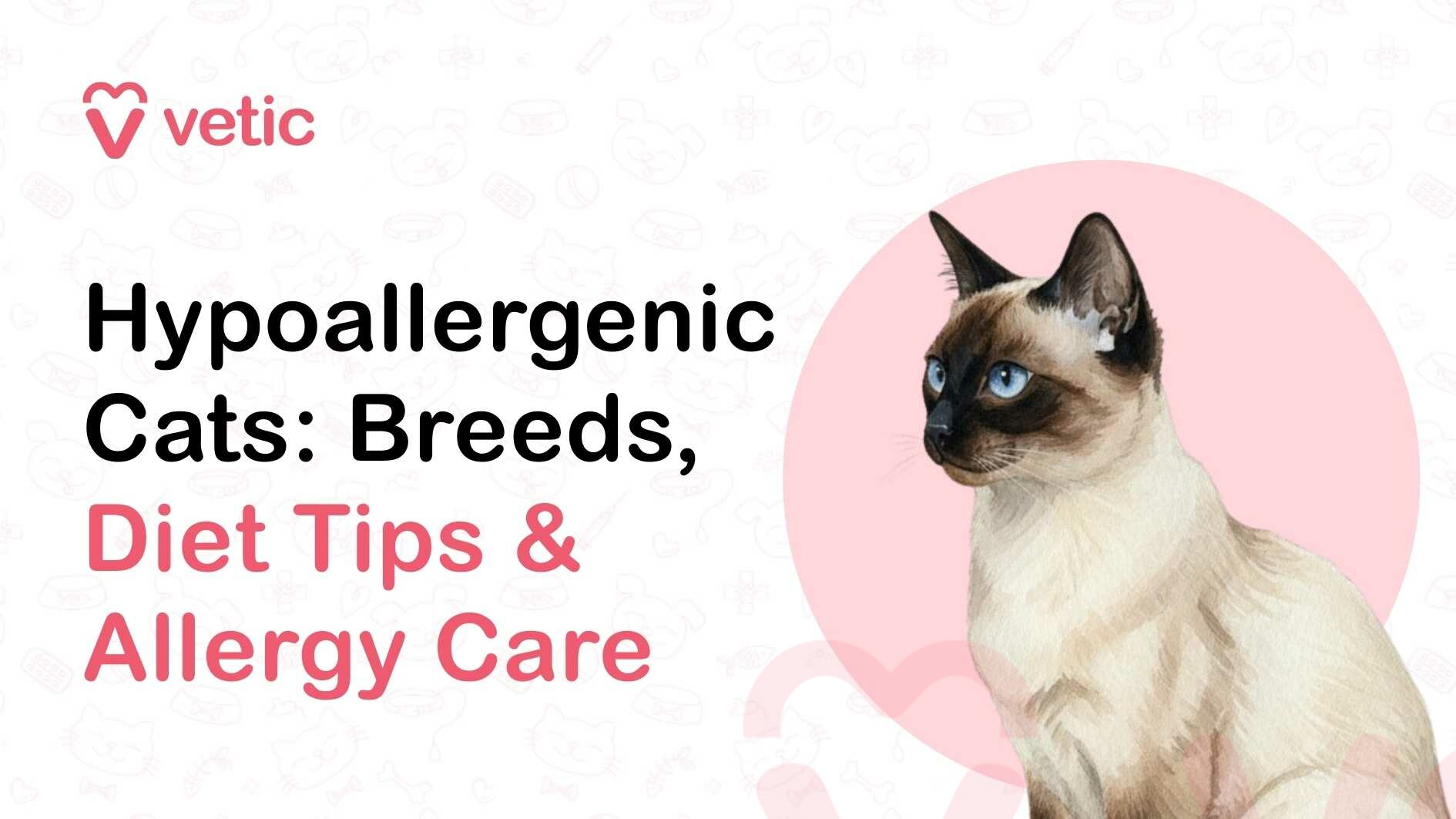
For many animal lovers, cat allergies create a painful dilemma: the desire for feline companionship versus sneezing, itchy eyes, congestion, or asthma flares. This is where the idea of hypoallergenic cats often comes up. Some breeds, such as Siamese cats, are said to cause fewer allergic reactions. But certain diets and care routines may help reduce allergen exposure at home.
This blog explains what hypoallergenic cats really are, which breeds may be better tolerated, how diet influences allergens, and what practical steps allergy-sensitive pet parents can take to live comfortably with cats.
What Hypoallergenic Cats Really Mean for People With Cat Allergies
The term hypoallergenic does not mean allergy-free. Instead, it refers to cats that may produce fewer allergens or spread them less effectively than others. People with mild to moderate cat allergies may tolerate these cats better, but reactions can still occur.
Cat allergies are immune responses, and sensitivity varies widely. One person may react strongly to a specific cat while another experiences minimal symptoms around the same animal.
Are There Truly Hypoallergenic Cats or Just Low-Allergen Breeds?
There are no cats that are completely hypoallergenic. All cats produce allergens. However, some breeds:
- Produce lower levels of Fel d 1, the primary allergenic protein
- Shed less fur, reducing allergen spread
- Groom differently, limiting saliva transfer onto the coat
- Have coat characteristics that trap allergens rather than dispersing them
Fel d 1 levels vary between individual cats, not just breeds. This explains why reactions are sometimes unpredictable.
So instead of searching for a “safe” breed, it’s more realistic to look for low-allergen breeds. Spending time with a specific cat before adoption is often more informative than relying on the breed alone.
Suggested Read: Alopecia in Cats: Causes, Symptoms, and Treatment for Cat Hair Loss
Why Some Cats Trigger Fewer Allergy Symptoms Than Others
Allergy severity depends on several biological and behavioral factors:
- Genetic variation in Fel d 1 production
- Coat type and density
- Grooming frequency
- Skin health and oil production
- Intact males often produce more allergens
Even environmental conditions, like humidity and ventilation, affect how allergens circulate.
How Cat Dander, Saliva, and Grooming Habits Affect Allergies
Contrary to popular belief, cat hair itself is not the allergen. The main culprit is Fel d 1, found in:
- Saliva
- Skin secretions
- Dander (dead skin flakes)
- Urine
When cats groom, saliva spreads across the fur. As the coat sheds or dander becomes airborne, allergens disperse throughout the environment. It settles on furniture, bedding, and clothing.
Additionally, long-haired cats aren’t automatically worse for allergies. A heavily shedding short-haired cat may spread more allergens than a minimally shedding long-haired breed.
Hypoallergenic Cat Breeds Often Recommended for Allergy Sufferers
While no breed is allergy-proof, some are commonly better tolerated.
Siberian Cats and Lower Fel d 1 Protein Levels
Siberian cats are unique because some individuals naturally produce lower Fel d 1 levels, despite their long, dense coats. This makes them surprisingly suitable for some allergy-sensitive households.
Siamese and Other Short-Haired Hypoallergenic Cat Breeds
Siamese, Balinese, and related breeds:
- Have short, fine coats
- Shed less dander into the environment
- Groom less excessively than some long-haired cats
Their sleek coats may reduce allergen spread, though saliva allergens are still present.\
Suggested Read: 20 Popular Cat Breeds in India: Cat Breeds with Photos, Description and Everything You Need to Know
Hairless and Curly-Coated Cats Like Sphynx and Rex Breeds
Hairless and curly-coated cats often produce fewer airborne allergens:
- Sphynx cats lack fur but still produce Fel d 1 on the skin
- Devon and Cornish Rex cats have minimal, curly coats that trap fewer allergens
These breeds require frequent skin care to prevent oil buildup, which can otherwise worsen allergen exposure.
Small and Low-Shedding Cats Considered More Hypoallergenic
Smaller cats may produce fewer total allergens simply because of their body size. Low-shedding breeds, especially those with fine or curly coats, often disperse fewer particles into the environment.
However, allergen production is biochemical, not purely coat-related. A small cat that produces high Fel d 1 may still trigger symptoms.
Cats for Hypoallergenic Homes Versus Cats That Still Cause Reactions
Some cats may initially seem tolerable but trigger symptoms in the pet parents after prolonged exposure. Allergy sensitivity can increase over time, particularly in closed indoor environments with high allergen accumulation.
This is why allergen control strategies matter just as much as breed selection.
Choosing the Right Hypoallergenic Cat Breed for Your Lifestyle
Before adopting:
- Spend extended time with the specific cat
- Visit the shelter multiple times
- Monitor delayed reactions (24-48 hours later)
Lifestyle factors such as grooming ability, home size, ventilation, and willingness to maintain allergen-reducing routines all influence long-term success.
Can Diet Affect Allergies in Cats and Their Owners?
Yes. A cat’s diet plays a significant role in:
- Skin barrier health
- Coat quality
- Shedding frequency
- Inflammation
Healthier skin reduces dander production, which may indirectly lower allergen spread.
Hypoallergenic Diet for Cats and How It May Reduce Allergens
Some diets are formulated to:
- Support skin integrity
- Reduce excessive shedding
- Improve coat hydration
Certain veterinary diets are designed to neutralise Fel d 1 proteins in saliva. This may reduce airborne allergens during grooming.
Feline Hypoallergenic Diet and Skin Health
Some veterinary-formulated diets contain ingredients that bind to Fel d 1 in saliva, neutralizing it before it spreads through grooming.
Key nutritional components include:
- Omega-3 and omega-6 fatty acids
- High-quality protein sources
- Zinc, biotin, and vitamin E
These nutrients strengthen the skin barrier, helping limit the release of allergens.
Consult a veterinarian at a top cat clinic near you before changing your cat’s diet, especially if allergies are severe.
Foods That Support Coat Quality and Reduce Shedding
Consistent nutrition helps maintain:
- Smooth, hydrated skin
- Less flaking and dander
- Reduced shedding during seasonal coat changes
Hydration is equally important. Wet food can help maintain skin hydration, reducing dryness and dander.
Diet changes alone will not eliminate allergies. But they can complement environmental control.
Daily Care Tips to Reduce Allergens From Hypoallergenic Cats
Practical strategies include:
- Regular grooming (preferably by a non-allergic household member)
- Weekly bathing for hairless or low-coat breeds
- Frequent washing of bedding and soft furnishings
- Use of High-Efficiency Particulate Air (HEPA) purifiers
- Remove carpets if possible
- Restricting cats from bedrooms if symptoms are severe
- Wash your hands after handling cats
- Avoid touching your face after petting
- Change your clothes if heavily exposed
Consistency is more effective than occasional deep cleaning.
Schedule a primary pet health check to assess your cat’s allergies and overall health.
Common Myths About Hypoallergenic Cats Busted
Myth: Hairless cats don’t cause allergies.
Reality: They still produce Fel d 1 through skin and saliva.
Myth: Short hair in cats means no allergies.
Reality: All cats produce allergens regardless of coat length.
Myth: Diet alone can eliminate allergies.
Reality: Diet helps, but environmental management is essential.
Myth: Long-haired cats are worse for allergies.
Reality: Not necessarily. Allergen production depends more on Fel d 1 levels than hair length.
Myth: You can build immunity to any cat.
Reality: Some people experience reduced sensitivity over time, but this is unpredictable.
Myth: Hypoallergenic means allergen-free.
Reality: No. It simply means a lower likelihood of triggering symptoms.
Things to Consider Before Adopting a Cat If You Have Allergies
Before bringing a cat home:
- Get allergy testing to confirm cat-specific sensitivity.
- Consider immunotherapy (allergy shots) if recommended by your doctor.
- Plan for regular cleaning routines.
- Discuss expectations with all household members.
- Ask yourself:
- Can you commit to daily cleaning routines?
- Are allergy medications or immunotherapy part of your plan?
- Are symptoms manageable rather than severe or life-threatening?
Adoption is a long-term commitment. Make sure your health and lifestyle can support it.
People with asthma or severe allergies should consult a healthcare professional before adopting any pet.
Final Thoughts: About Hypoallergenic Cats
Hypoallergenic cats are best understood as lower-allergen options, not allergy-free solutions. Breed selection, individual variation, diet, grooming habits, and home management all work together to determine whether living with a cat is comfortable for allergy-sensitive pet parents.
With realistic expectations, thoughtful planning, and consistent care, many people with cat allergies successfully enjoy life with a feline companion without constant discomfort.
Frequently Asked Questions: About Hypoallergenic Cats
Can cats be completely hypoallergenic?
No. Every cat produces Fel d 1 protein. Some produce less, but none are allergen-free.
Which cat breed is best for severe allergies?
There is no universal best breed. Siberian, Balinese, Rex, and Sphynx cats are often better tolerated, but individual response varies. Testing your sensitivity with a specific cat is crucial.
Does a hypoallergenic diet for cats really help with allergies?
A hypoallergenic diet for cats can reduce allergen spread by improving skin health and neutralising saliva proteins. But it is not a guaranteed solution and works best alongside environmental controls.
Are hairless cats better for people with allergies?
Breeds like the Sphynx may shed less fur, but they still produce allergens. Regular bathing is required to manage skin oils that contain allergenic proteins.
How can I reduce cat allergens at home?
Use air purifiers, wash fabrics regularly, groom consistently, manage diet, and limit allergen exposure in sleeping areas. Pet parents should wash their hands and clothes after close contact with their pets and maintain optimal humidity.
References
James, J. (2022, June). Pet Allergy. Asthma & Allergy Foundation of America. https://aafa.org/allergies/types-of-allergies/pet-dog-cat-allergies/
Purina. (2025). Cat Allergies: The Myth of Hypoallergenic Cats. Purina India. https://www.purina.in/care-and-advice/cat/health/myth-hypoallergenic-cats
Satorina, J., Szalai, K., Willensdorfer, A., Mothes-Luksch, N., Lukschal, A., & Jensen-Jarolim, E. (2014). Do hypoallergenic cats exist? — Determination of major cat allergen Fel d 1 production in normal and hypoallergenic cat breeds. Clinical and Translational Allergy, 4(S2). https://pmc.ncbi.nlm.nih.gov/articles/PMC4072467/
WebMD. (n.d.). Information on Cat Allergies. WebMD. https://www.webmd.com/allergies/cat-allergies Wogan, L. (2020). Can cats be made hypoallergenic? Vin.com. https://news.vin.com/default.aspx?pid=210&catId=-1&id=9606101