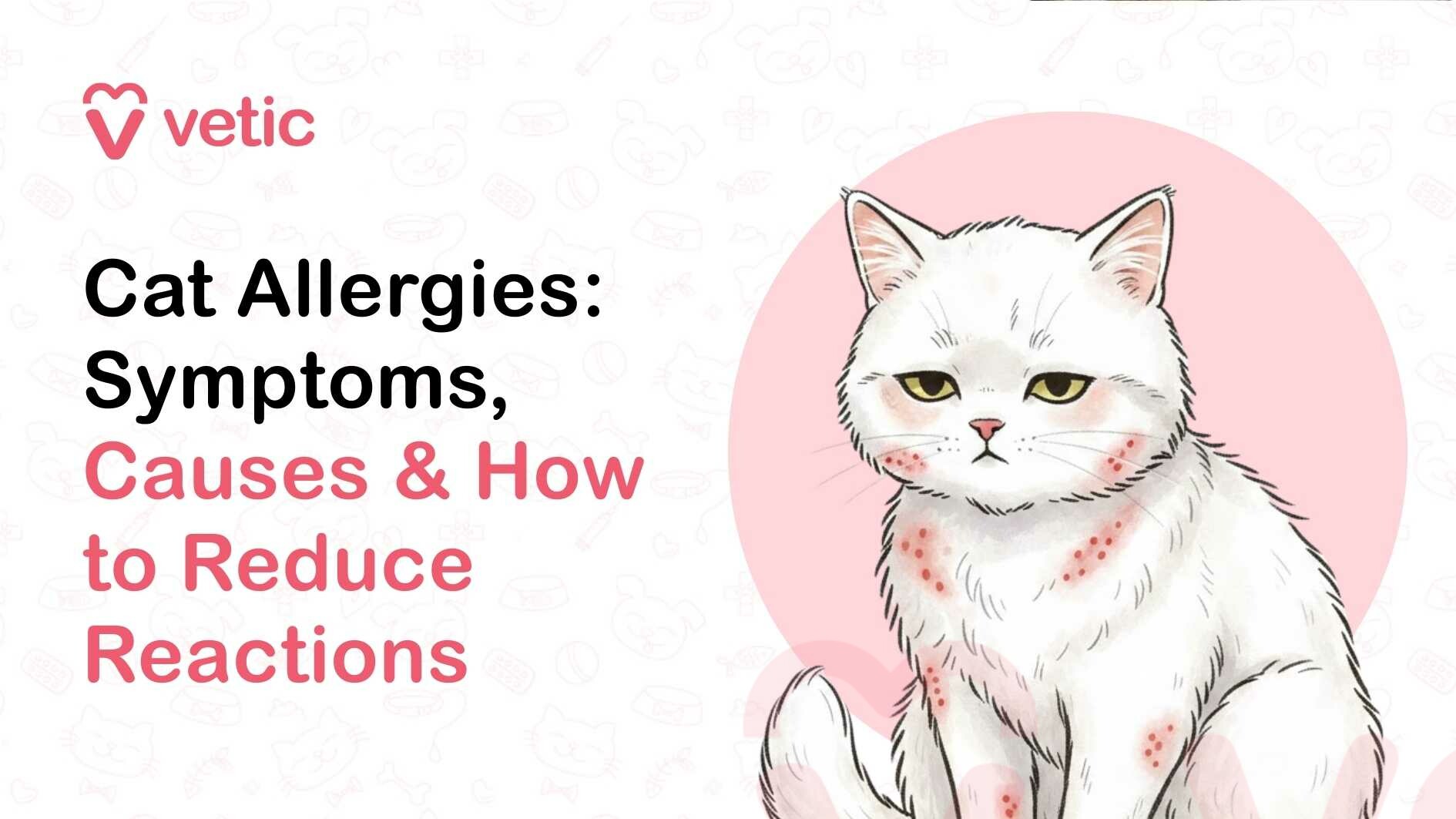
Cat allergies are far more common than many people realise. Some people develop symptoms immediately after contact with a cat. But others notice subtle signs that worsen gradually over months or years. Allergic reactions can affect both humans living with cats and cats themselves, though the symptoms and causes differ.
This blog explains how cat allergies develop, how symptoms, such as cough and cold, differ in people and cats, why reactions worsen over time, and what practical steps can reduce allergy flare-ups without giving up your pet.
What Cat Allergy Symptoms Mean for People Living With Cats
If you live with a cat and regularly experience sneezing, congestion, or itchy eyes, you may be reacting to allergens your cat produces. Cat allergies are one of the most common indoor allergies worldwide. Symptoms can range from mild and occasional to persistent and severe.
For pet parents, this can create emotional conflict. You love your cat, but your body may be responding as if your pet is a threat. The good news is that, in many cases, symptoms can be significantly reduced through environmental management, medical treatment, or both.
Understanding your symptoms is the first step toward regaining control and continuing to enjoy life with your cat.
Suggested Read: Feline Eosinophilic Granuloma Complex: Symptoms, Causes, and Treatment in Cats
Understanding How Allergic Reactions to Cats Develop
An allergic reaction happens when your immune system mistakenly identifies a harmless substance as dangerous. In the case of cat allergies, your immune system reacts to specific proteins found in:
- Cat skin flakes (dander)
- Saliva
- Urine
- Sebaceous gland secretions
When these proteins become airborne or settle on surfaces, they can be inhaled or come into contact with your skin. Your immune system then releases chemicals such as histamine, triggering inflammation and the familiar symptoms of allergies.
Importantly, it’s not cat hair itself that causes allergies. Hair can carry allergens, but the true triggers are microscopic proteins attached to skin flakes and dried saliva.
Common Cat Allergy Symptoms People Experience at Home
Cat allergy symptoms often resemble seasonal allergies, but they may persist year-round if you live with a cat.
Sneezing, Runny Nose, and Nasal Congestion
Frequent sneezing is one of the earliest and most common signs. You may also notice:
- Clear, watery nasal discharge
- A stuffy or blocked nose
- Postnasal drip
- Sinus pressure or headaches
Symptoms often worsen after direct contact with your cat or when cleaning areas where dander accumulates.
Itchy Eyes, Skin Rashes, or Hives
Allergens can irritate the eyes and skin, leading to:
- Red, watery, or itchy eyes
- Swollen eyelids
- Facial itching
- Raised red welts or hives after touching cats or contaminated surfaces
Some people develop a localised rash where the cat touched them.
Coughing, Wheezing, or Breathing Discomfort
Lower respiratory symptoms may include:
- Chest tightness
- Shortness of breath
- Wheezing or persistent dry cough
In people with allergic asthma, symptoms can escalate quickly and require medical treatment.
Symptoms of an Allergic Reaction to Cats That May Worsen Over Time
Cat allergy symptoms can intensify with repeated exposure to allergens. What begins as occasional sneezing may progress to:
- Nighttime coughing
- Daily nasal congestion
- Chronic sinus infections
- Asthma flare-ups
- Reduced exercise tolerance
- Frequent use of inhalers
This progression occurs because ongoing exposure keeps the immune system in a constant state of activation.
Suggested Read: Pet Health: 5 Signs of Sickness in Your Pet You Should Never Ignore
What Causes Cat Allergy Symptoms in Humans
Cat Dander, Saliva, and Skin Proteins
Fel d 1 is lightweight and sticky. These characteristics allow it to remain airborne for long periods and cling to surfaces even after cats leave a room.
Litter Dust and Environmental Triggers
Dust from litter, combined with environmental allergens, can worsen symptoms. Poor ventilation, carpeting, and soft furnishings allow allergens to accumulate.
How to Tell If Your Symptoms Are Caused by Cats
Signs that point specifically to cat allergies include:
- Symptoms worsen at home but improve outdoors
- Reactions after petting or grooming cats
- Nighttime congestion if cats enter sleeping areas
- Flare-ups when cleaning litter boxes
- Symptoms are triggered even when cats are not present (due to lingering allergens)
To confirm, a healthcare provider may recommend:
- Skin prick testing
- Blood tests measuring specific IgE antibodies
Accurate diagnosis ensures you’re targeting the correct allergen.
Cat Allergies Symptoms in Cats and How They Appear Differently
While humans often react to cats, cats themselves can also develop allergies. However, feline allergy symptoms look very different from human ones.
In cats, allergies most commonly affect the skin, ears, and digestive tract. Respiratory symptoms are far less common in cats than in people.
Common Signs of Allergies in Cats Pet Parents Should Notice
Cats can’t tell you they feel itchy or uncomfortable, so it’s important to recognize behavioral and physical changes.
Excessive Scratching, Licking, or Overgrooming
Persistent grooming can lead to bald patches, especially on the belly, legs, or back. You might also notice:
- Constant scratching around the head and neck
- Repeated licking of paws or belly
Over time, this can lead to open sores or infection.
Hair Loss, Skin Redness, or Scabs
Skin reactions may appear as:
- Bald patches
- Red, inflamed areas
- Small crusty bumps (sometimes called miliary dermatitis)
- Thickened skin from chronic irritation
These signs often appear on the head, neck, and back.
Digestive Upset or Ear Issues
Food allergies can lead to digestive symptoms such as increased flatulence, vomiting, and diarrhoea in cats.
Ear infections are also common, with symptoms like head shaking, scratching at the ears, or discharge.
Suggested Read: What are Ear Mites in Cats: Signs, Causes, Treatment, Prevention and More
Causes of Allergies in Cats and Why They Develop
Cats may develop allergies due to:
- Flea saliva (most common)
- Environmental allergens like dust mites, mold, or pollen
- Food ingredients
- Contact irritants
Genetics may play a role, and allergies can develop at any age, even if your cat previously tolerated certain foods or environments.
When Cat Allergy Symptoms in Humans Require Medical Advice
Seek medical guidance if:
- Breathing becomes difficult
- Symptoms interfere with sleep or daily activities
- Asthma symptoms worsen
- Over-the-counter medications provide little relief
Early intervention helps prevent chronic respiratory complications.
When Cat Allergy Symptoms in Cats Need Veterinary Attention
Veterinary care is needed if a cat shows:
- Persistent itching or skin infections
- Open sores or hair loss
- Recurrent ear infections
- Ongoing digestive upset
Untreated allergies can lead to secondary infections and long-term skin damage.
Does your cat have persistent itching or ear infections? Schedule a cat allergy test at the most affordable cat diagnostics center to prevent complications!
Treatment Options for Allergic Reactions to Cats in People
Human allergy management may include:
- Antihistamines to reduce sneezing and itching
- Nasal corticosteroid sprays to control inflammation
- Decongestants for short-term relief
- Asthma inhalers if breathing is affected
For persistent cases, allergen immunotherapy (allergy shots or sublingual tablets) may reduce sensitivity over time by gradually retraining the immune system.
Treatment plans depend on symptom severity and individual health history.
Managing and Treating Allergies in Cats Safely
For cats, management focuses on:
- Flea prevention
- Hypoallergenic (less likely to cause allergy) or elimination diets
- Anti-itch medications
- Environmental allergen control
- Medicated shampoos
Treatment is tailored to the specific trigger identified by a veterinarian. Never give your cat human allergy medication without consulting a pet health expert at Vetic. This is because some drugs are toxic to cats.
Practical Ways to Reduce Cat Allergy Symptoms at Home
Daily habits make a significant difference:
- Regular vacuuming with High-Efficiency Particulate Air (HEPA) filters
- Washing bedding and fabrics weekly
- Using air purifiers
- Grooming cats frequently
- Keeping cats out of bedrooms
- Improving ventilation
- Dust with damp cloths instead of dry ones
- Remove carpets if possible
- Choose hard flooring over fabric upholstery
- Use low-dust litter and clean boxes daily
- Wear a mask while scooping
Consistency matters more than occasional deep cleaning.
Living Comfortably With Cats Despite Allergy Symptoms
Many people with mild to moderate cat allergies successfully live with their pets. The key is combining:
- Medical management
- Environmental controls
- Regular cleaning
- Consistent pet grooming
Bathing cats can temporarily reduce surface allergens, but it must be done safely and not too frequently to avoid skin irritation.
Complete avoidance is not always necessary, especially for mild to moderate allergies.
Final Thoughts: About Cat Allergy Symptoms
Cat allergies are complex, involving both immune sensitivity and environmental exposure. While reactions can be frustrating, understanding the causes and symptoms empowers pet parents to manage allergies effectively, often without having to give up their feline companions.
With the right combination of medical care, home management, and realistic expectations, many people and cats with allergies can enjoy healthier, more comfortable lives together.
Frequently Asked Questions: About Cat Allergy Symptoms
Can you suddenly develop allergies to cats?
Yes. Allergies can develop at any age, even after years of symptom-free exposure. Changes in your immune system, environment, or overall health may contribute to new sensitivities.
Are cat allergy symptoms in cats the same as in humans?
No. Humans typically experience respiratory symptoms like sneezing and congestion. Cats are more commonly affected by skin irritation, ear infections, or digestive issues than by sneezing or watery eyes.
Do hypoallergenic cats prevent allergy symptoms?
No cat is truly 100% hypoallergenic. Some breeds may produce lower levels of certain proteins. But they can still trigger reactions in sensitive individuals.
Can diet affect allergies in cats or people?
Cat diets that support skin health may reduce allergen spread, but they do not eliminate allergies.
How long do cat allergy symptoms last after exposure?
Symptoms may last hours to days, depending on sensitivity and environmental allergen levels.
References
American College of Allergy, Asthma, and Immunology. (2018, April 23). Pet Allergies. ACAAI Patient. https://acaai.org/allergies/allergic-conditions/pet-allergies/
Griffin, R. M. (n.d.). Are You Allergic to Cats? WebMD. https://www.webmd.com/allergies/cat-allergies