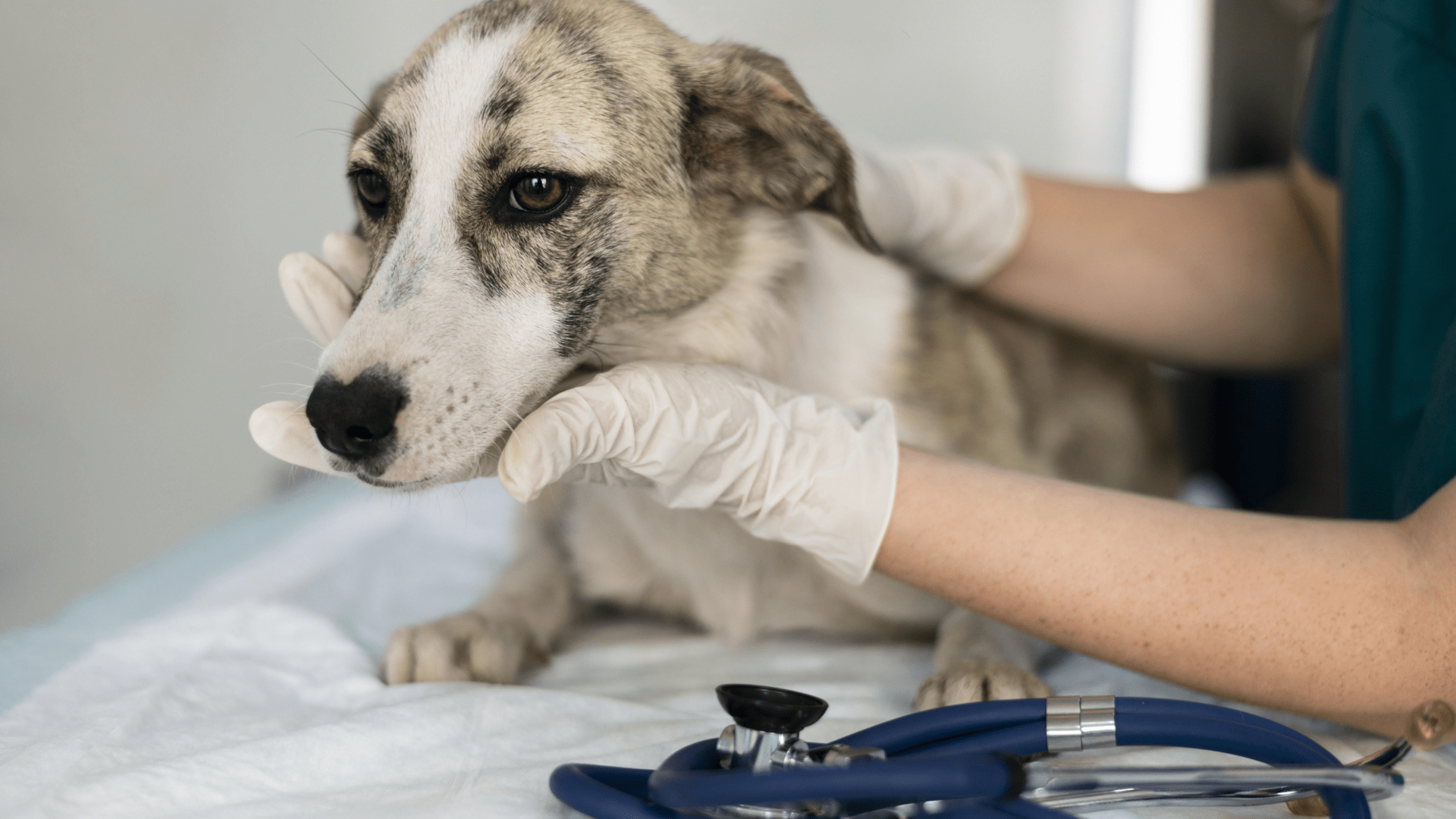
Pet surgery is indeed a stressful time for pet parents, often more so than for the pets themselves. To help ease this anxiety, here is a detailed, revamped guide on how to properly care for your pet after surgery, focusing on dog surgery and related concerns such as leaving your dog alone after surgery, pyometra surgery recovery, GDV surgery recovery, and recovery from spleen-related surgeries.
How do I Prepare for My Pet’s Surgery?
Pet surgery can range from routine procedures like spaying or neutering to more complex operations such as tumor removal or splenectomy.
Preparation starts with strictly following your veterinarian’s instructions; this includes food, water, and medication restrictions.
It’s important to have clear communication with your vet, especially about pre-operative tests like liver and kidney function, which reduce surgery risks.
Opting for veterinary clinics with 24/7 facilities is wise to handle post-surgery emergencies such as vomiting or loss of appetite that can arise unexpectedly.
Should I Stay With My Cat Or Dog After Surgery?
Stay with your pet immediately after surgery while they regain consciousness, which typically takes 20-30 minutes. Your pet may feel dizzy, disoriented, or nauseous coming out of anesthesia.
Offering familiar items like a blanket or your clean t-shirt can comfort them. Use this time to discuss post-op care, medication, diet, and follow-ups with your vet. Prepare a list of questions before surgery to ensure all concerns are addressed.
How Soon Can I Take My Pet Home After Surgery?
Only take your pet home once the vet gives the green signal. Avoid rushing, even for routine procedures like neutering or spaying. Prepare your vehicle with clean towels, pee-absorbent pads, or a crate appropriate for your pet’s size. Carry your pet carefully, avoid allowing them to jump or run, and ensure a smooth, calm car ride.
How Can I Care for My Cat or Dog at Home after Pet Surgery?
Setting Up a Safe and Comfortable Recovery Space
Create a quiet, familiar spot with your pet’s bed or crate, possibly with their favorite blanket. Keep their area warm or cool as needed to maintain comfort. Restrict their movement to prevent injury or strain on the surgical site.
Managing Pain and Administering Medications
Pain medication prescribed by your vet is crucial; it helps your pet stay comfortable and recover better. Never give human painkillers as they can be toxic for pets. Administer medications exactly as prescribed and keep an eye out for adverse reactions.
Checking and Caring for the Surgical Site
Use an E-collar to prevent your pet from licking or biting stitches, which is common especially in neutered dogs or after pyometra or tumor-related surgeries. Monitor the site daily for redness, swelling, or discharge and report any abnormalities to your vet immediately.
Providing Proper Nutrition and Hydration Support
Feed your pet small portions of their regular or vet-recommended diet after surgery, avoiding heavy meals initially due to nausea from anesthesia. Soft, easily digestible food may be advised for the first 24 to 48 hours depending on the surgery type (such as pyometra surgery). Ensure fresh water is always available.
Maintaining Hygiene and Bathroom Routines
Do not allow your pet outdoors for bathroom needs until cleared by your vet, usually for about 7 to 10 days. Use pee pads if necessary and maintain cleanliness in their recovery area to reduce infection risks.
How Can I Keep My Dog Comfortable After Surgery?
Keep your dog resting in familiar places like their crate or bed. Maintain gentle temperature control with AC or heaters. Watch for common post-op behaviors like licking or biting at stitches, and use protective collars to prevent these. Ensure accessibility to water and bathroom areas without exertion.
Can I Leave My Dog Alone After the Operation?
No, it is not safe to leave your dog unsupervised immediately after surgery. Continuous observation is recommended especially for at least the first 72 hours post-op because pets may disorient or injure themselves.
If your schedule is busy, consider veterinary facilities offering post-op dog boarding with round-the-clock care. This is especially important after major surgeries like GDV, pyometra, or spleen tumor removals.
What Should I Feed My Pet After Surgery?
Consult your vet whether your pet can return to their normal diet right away. Often, soft food is preferred initially post-surgery. Feed small portions to minimize nausea and vomiting risks, particularly within the first 24 hours.
Should I Exercise My Pet After Surgery?
Restrict your pet’s physical activity until the vet says otherwise. No running, jumping, or vigorous play is allowed for 7 to 10 days or more depending on surgery type.
For surgeries requiring rehabilitation like TPLO, follow vet-approved physiotherapy schedules strictly.
Will My Pet Require Extra Treatment And Medicine After Surgery?
Post-op care varies by individual case, surgery type, and pet health. Some pets might need antibiotics or additional medications to prevent infection or manage pain. Your vet will provide a personalized plan based on comprehensive pre-surgery blood tests and ongoing assessments.
Can Complications Arise from a Simple Pet Surgery Such As Spaying or Neutering?
Yes, complications can occur even with routine surgeries, often influenced by the pet’s age or pre-existing health conditions. Knowing the location of 24/7 emergency vets with trauma care and diagnostic imaging before surgery is essential for quick response in any emergency.
The Takeaway about Caring for Pets After Surgery
Caring for your pet post-surgery involves preparation, careful monitoring, pain management, diet control, and restricting physical activity. Do not leave your pet alone immediately after surgery without proper supervision. If needed, avail professional post-op boarding services. Always follow your veterinarian’s advice and have emergency contacts ready. With attentive care, your furry friend can recover safely and comfortably from dog surgery or any pet operation.