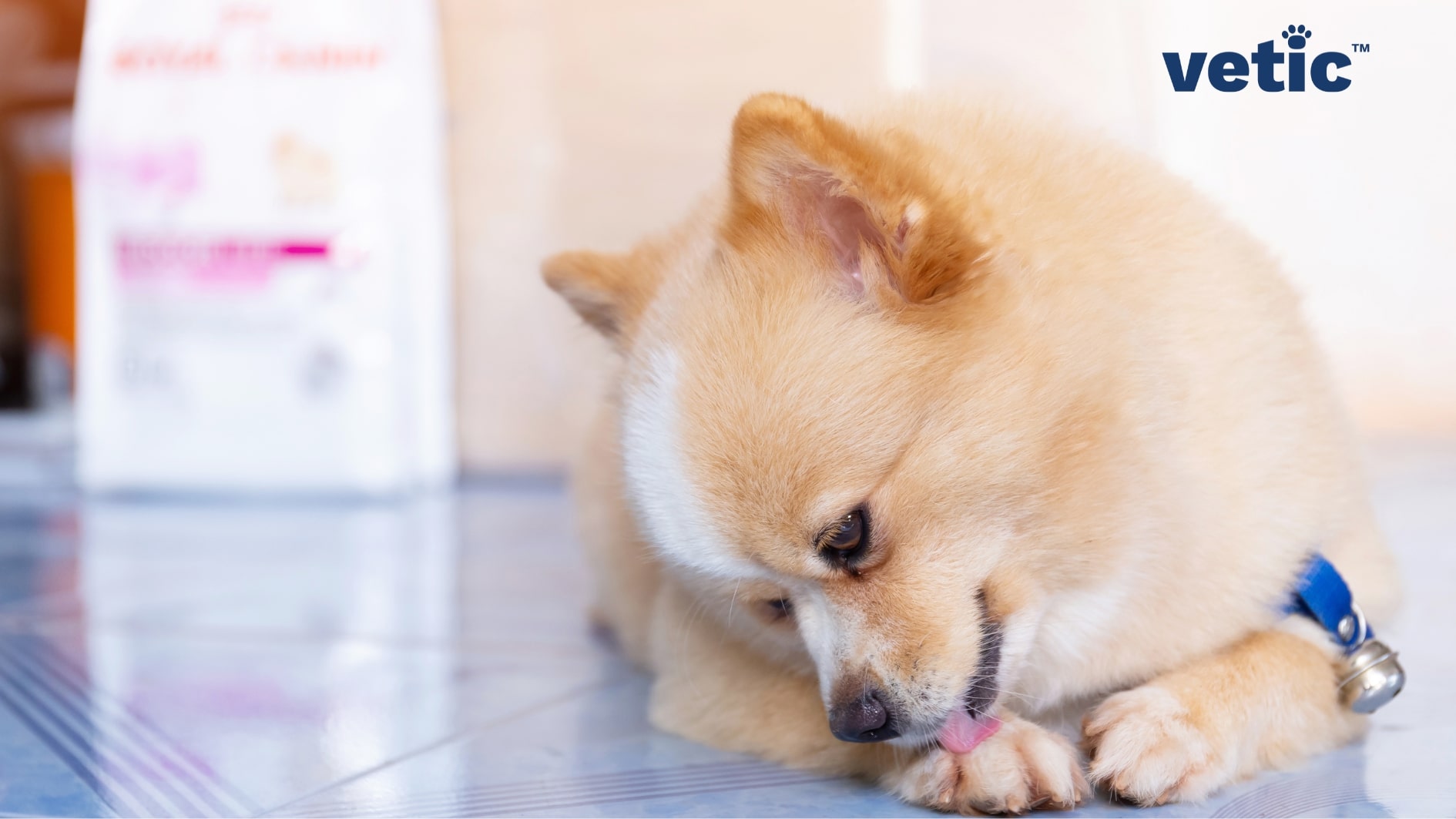
Podo means foot and dermatitis means skin irritation. So, pododermatitis refers to the inflammation and irritation of the foot or paws of a dog that leads to excess foot licking.
If you notice excessive paw licking you should contact a veterinarian immediately. Pododermatitis can become serious when left undiagnosed and untreated.
What are the potential causes of pododermatitis in dogs?
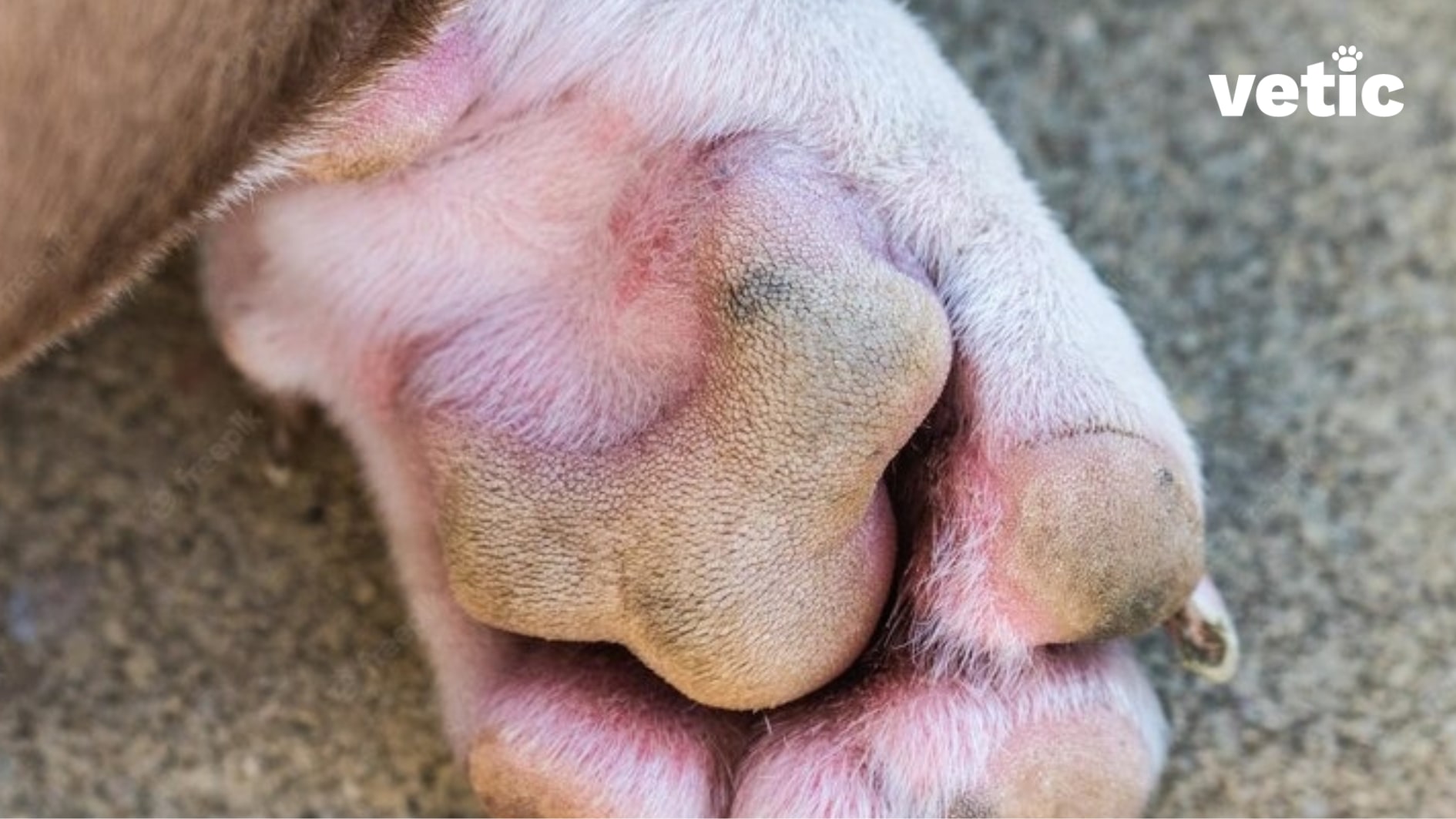
Pododermatitis can have one or more causes. Here are some of the common causes of excessive foot licking in dogs –
- Allergic reactions such as seasonal allergies, contact dermatitis and food hypersensitivity.
- Infectious diseases such as bacteria, fungi and parasites.
- Immune-mediated reactions due to acute allergies
- Metabolic or hormonal causes that disrupt skin texture
- Tumours and cancers of the skin
- Contact dermatitis due to clipper burns, excessive running on hard surfaces or exposure to irritants.
What are the signs of pododermatitis in dogs?
One of the most generic signs of pododermatitis in dogs is excessive foot licking.
Other than the common sign of pododermatitis, other clinical signs may shed some light on a specific cause.
What are the different causes and types of canine pododermatitis?
Excess Foot Licking Due to Allergies
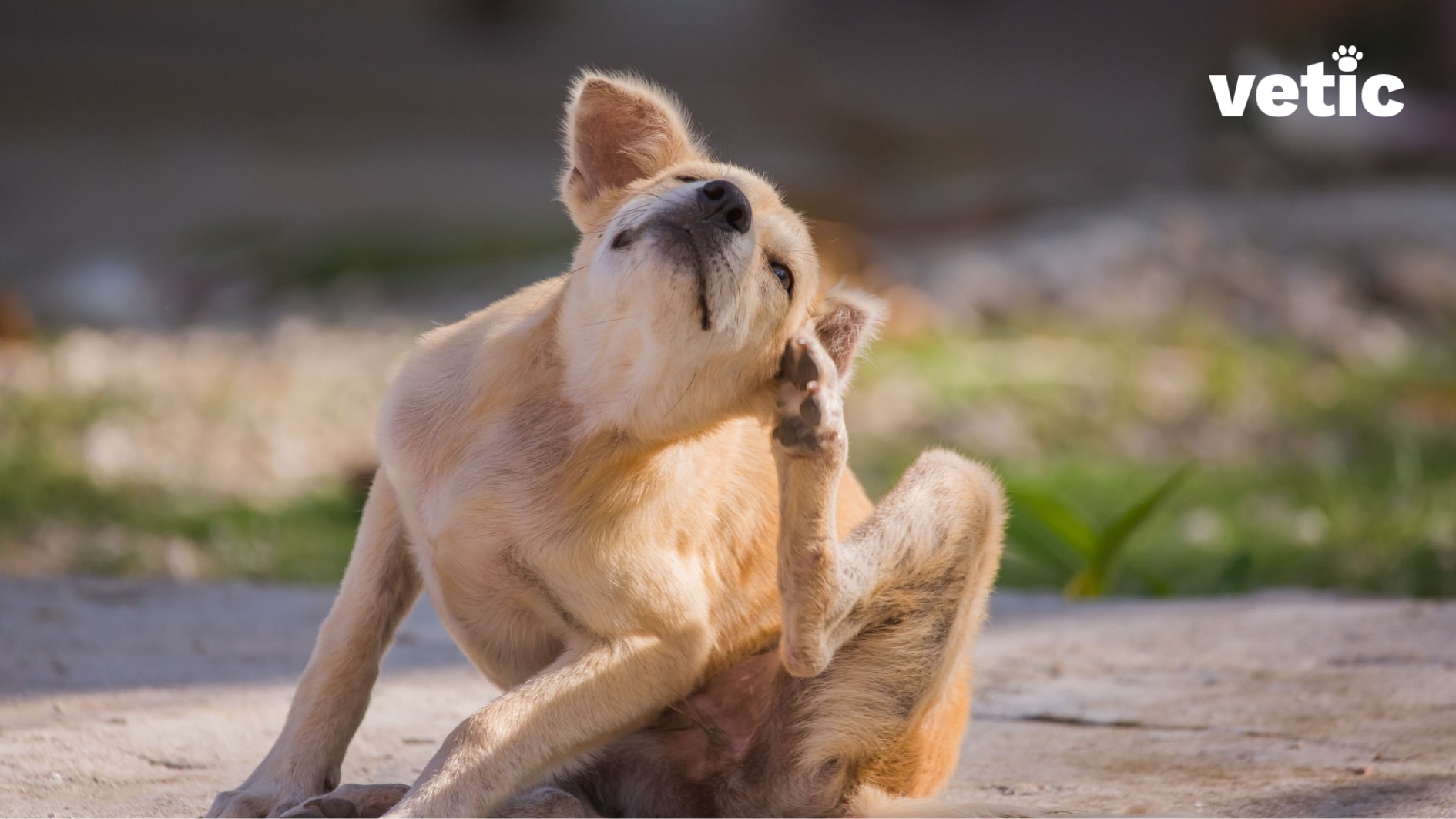
Allergic pododermatitis may be the most common form of foot or paw irritation and inflammation among household pets in India. Itching is indeed one of the most issues followed by darkening of the coat on the foot due to saliva or secondary fungal growth.
Contact pododermatitis is also possible when the dog is walking on something that’s irritating their paw pads. Although, soon the inflammation spreads to the entire paw.
Foot Licking and Itching due to Infections
Infectious pododermatitis can have one or multiple causal organisms. The most common ones include bacteria, fungi, parasites, and viral (Canine Distemper Virus).
Parasitic Causes of Excess Foot Licking
Parasites like mites (Demodex and Sarcoptes) can cause irritation, redness and swelling of the paws. It might eventually lead to loss of fur from the infected area.
Immune-mediated Pododermatitis
Some dogs are particularly prone to severe immunological reactions against common substances present in the environment. These reactions can cause painful ulcers, blisters and scabs.
Typically, all four paws are involved if it’s an instance of immune-mediated pododermatitis. The tissues in and around the paws can be excessively thickened and darkened, and the footpads can become crusty.
Metabolic or Hormonal Pododermatitis
These are less common among dogs as compared to fungal, bacterial, parasitic and allergic pododermatitis.
The lesions are due to secondary skin infections. Metabolic or hormonal pododermatitis can cause redness, swelling and pustules.
Paw Licking and Itching Due to Tumours or Cancers
Tumours typically affect only one foot. However, in the case of squamous cell carcinoma of the nail bed, multiple paws and multiple lesions might be present.
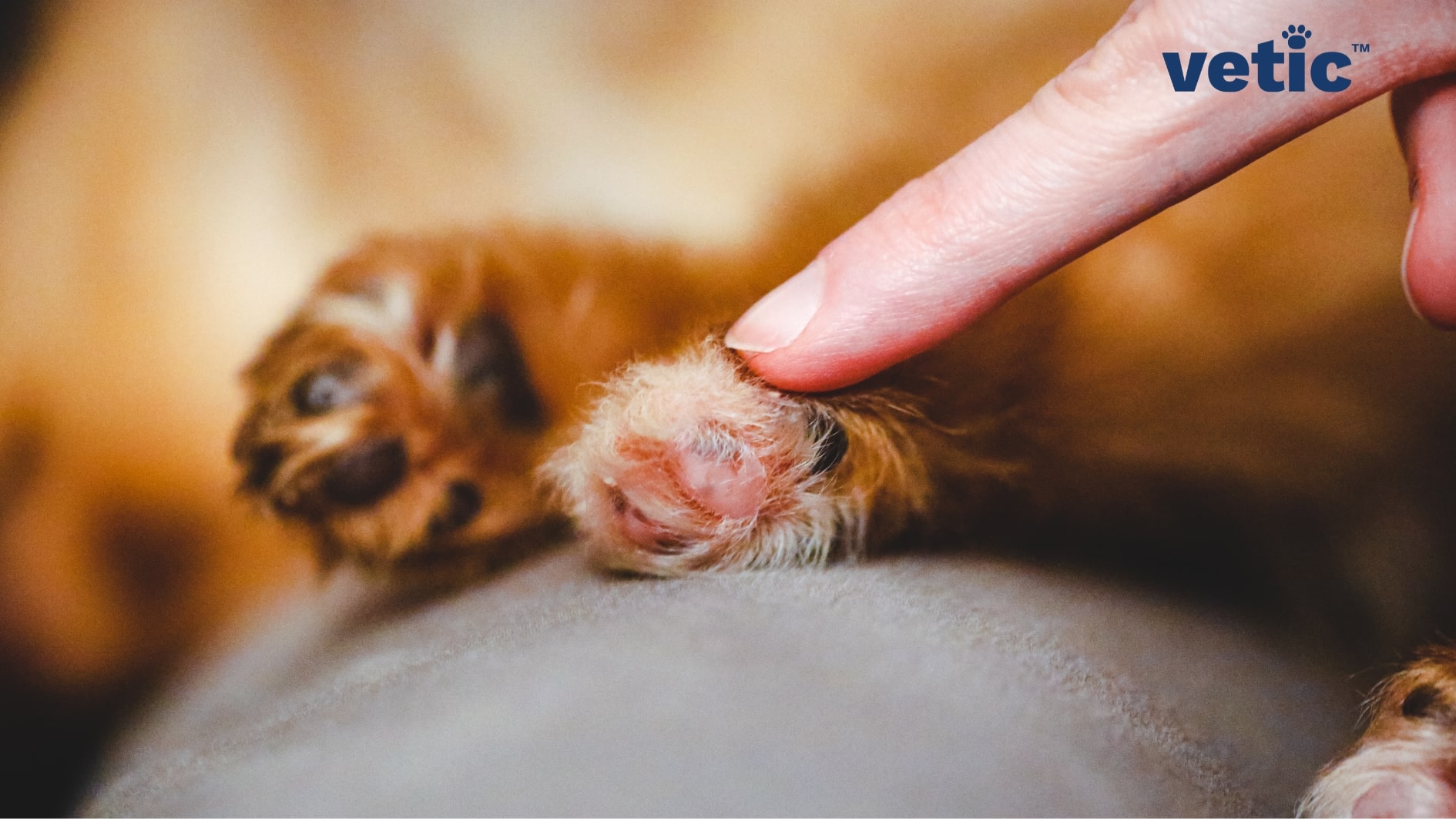
There is no particular shape or size that you can expect to see even if the cause of a dog’s paw irritation is a tumour. There may be one nodule. Or, there may be multiple nodules and ulcers.
Vets can recognise signs of pododermatitis during regular veterinary check-ups. Any discolouration or swelling in your dog’s paws will tell the veterinarian that it needs immediate attention.
How will the veterinarian determine the cause of your dog’s excess foot licking?
First, your veterinarian will ask several questions about your dog’s paw licking intensity and habit. They will also ask about the type of ground or floor on which your dog walks, your dog’s diet, the type of cleaners used inside your home and more.
You can expect questions such as –
- Does the excess paw licking persist all year round or is it seasonal?
- Have you changed the floor cleaner or surface on which your dog runs/walks?
- What is the general condition in which your dog walks, runs and lives?
- Are there other lesions or hotspots on any other part of your dog’s body?
- Have you changed your dog’s diet?
- What is your dog’s diet? Does he receive table scraps or scrounge the dustbin?
- Has your pupper travelled anywhere new recently?
- What other medical or health issues does your dog have?
However, the only way to confirm the specific cause of canine pododermatitis is by running diagnostic tests.
These tests can include –
- Skin scrapings
- Bacterial cultures
- Fungal cultures
- Biopsies
- Blood tests
- Urine tests
The veterinarian can determine the exact cause only after receiving the reports of all these tests. Sometimes, more than one factor is involved in causing pododermatitis.
Contact the best vet clinic in your neighbourhood that has in-house diagnostics. Early diagnosis improves the prognosis of canine pododermatitis.
What is the treatment of canine pododermatitis?
Excessive paw licking can mean anything from an increase in Demodex mites to open bacterial wounds. So, the treatment of canine pododermatitis will depend on these cause(s).
In most cases, it’s a combinatorial approach since metabolic, hormonal and allergic reactions can often lead to secondary bacterial and fungal infections.
So, along with the treatment for the root cause, treatment for secondary treatment as well as symptomatic management of the swelling and itching. Without symptomatic treatment, your dog will keep up with the excessive paw licking and itching, which will not help minimise the infections.
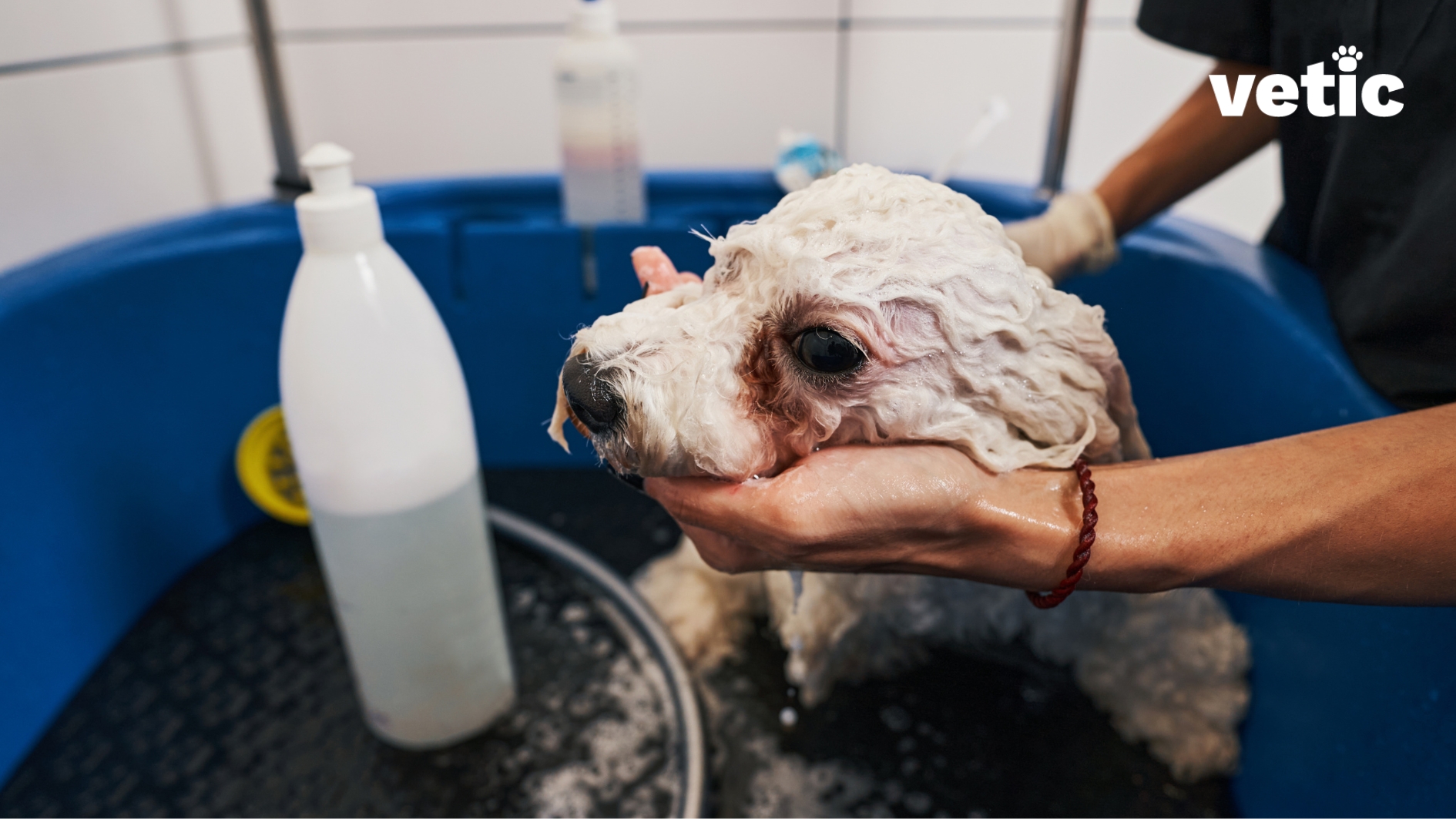
The treatments of excess paw licking due to canine pododermatitis can include –
- Special shampoo washes
- Foot soaks
- Foot creams
- Topical treatment for bacterial and/or yeast infections
- Topical ointments to reduce inflammation and itchiness
- Oral antibiotics
- Oral antifungals
- Steroids
- Immune-modulators
- Immunotherapeutic drugs (injections)
- Antiallergics
If it is allergic pododermatitis, your veterinarian will recommend oral and topical medication along with an exclusion diet or moderate diet changes for your dog.
Do not try to medicate your dog without consulting a veterinarian. Even a veterinarian should prescribe oral medication or injectables only after completing the battery of tests mentioned above.
Many of the medicines mentioned in the list above can have side effects. Speak to the best veterinarian near you if you wish to give any medicine to your dog.
Will my dog recover from excessive foot licking due to pododermatitis?
Pododermatitis is quite common among dogs in India. The prognosis for pododermatitis will depend upon the cause of the disease.
Your dog might need lifestyle changes, diet changes, medications or all three to enjoy a healthy and long life.
However, you have to stop your dog from compulsive paw licking. If necessary, invest in a sturdy Elizabethan collar for your dog.
Is your dog showing signs of pododermatitis, such as excessive paw licking? Can you see their paw fur darken from their saliva? Find out the exact cause, treatment and prognosis. Contact your neighbourhood veterinary clinic without any delay. Choose the best pet clinic with in-house diagnostics for faster reports and quicker recovery.