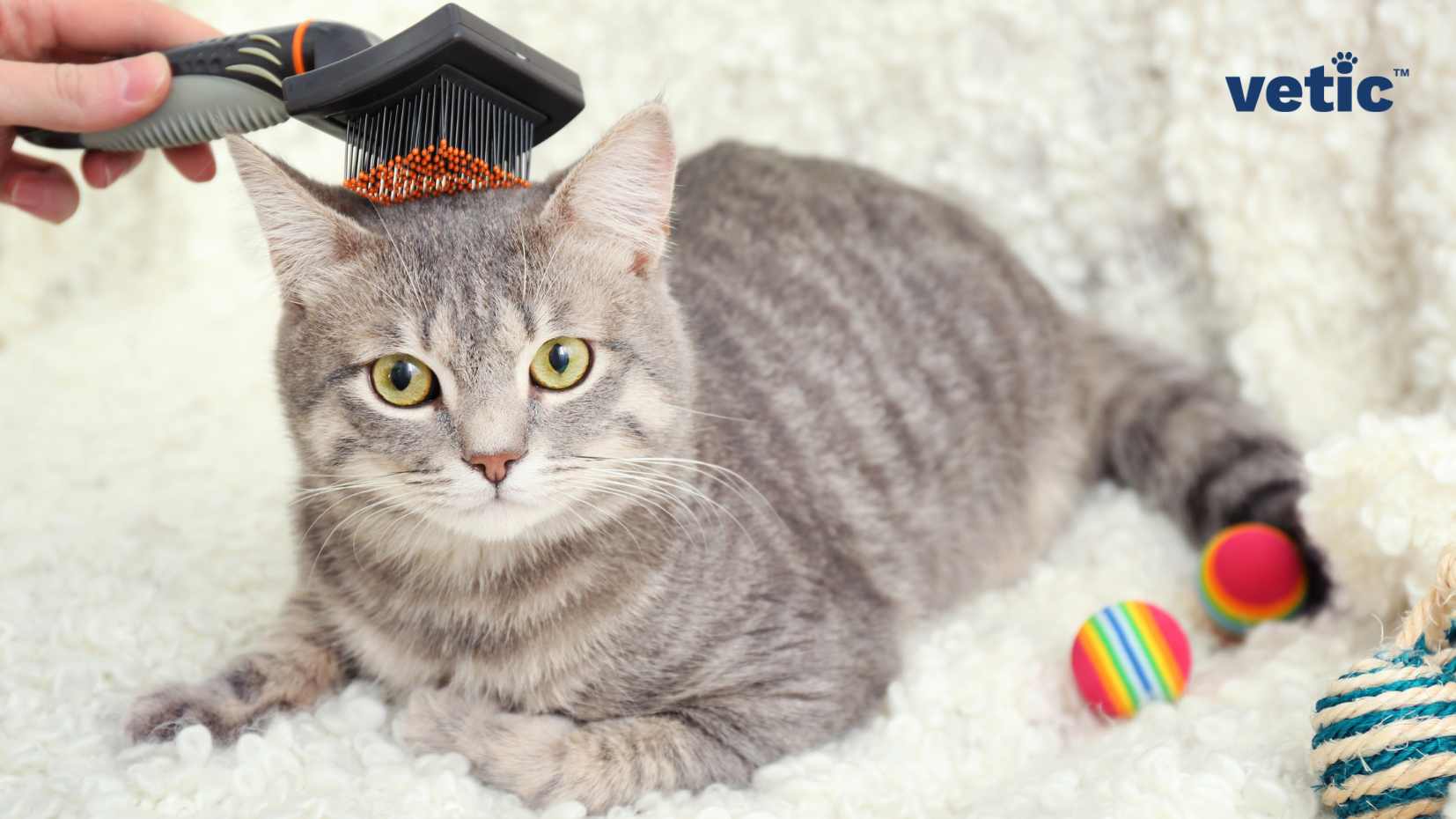
Many pet parents believe that short-haired cats do not need grooming because their coat is easier to manage. However, this is a common misconception. Even though they have less fur than long-haired breeds, short-haired cats still require regular grooming to maintain healthy skin, reduce shedding, and prevent common issues like hairballs, parasites, and skin infections.
If you want your cat to stay clean, comfortable, and healthy, grooming should be a consistent part of your routine, not an occasional task.
Essential Grooming Tools You Need for Maintaining a Short-Haired Cat’s Coat, Skin, and Hygiene
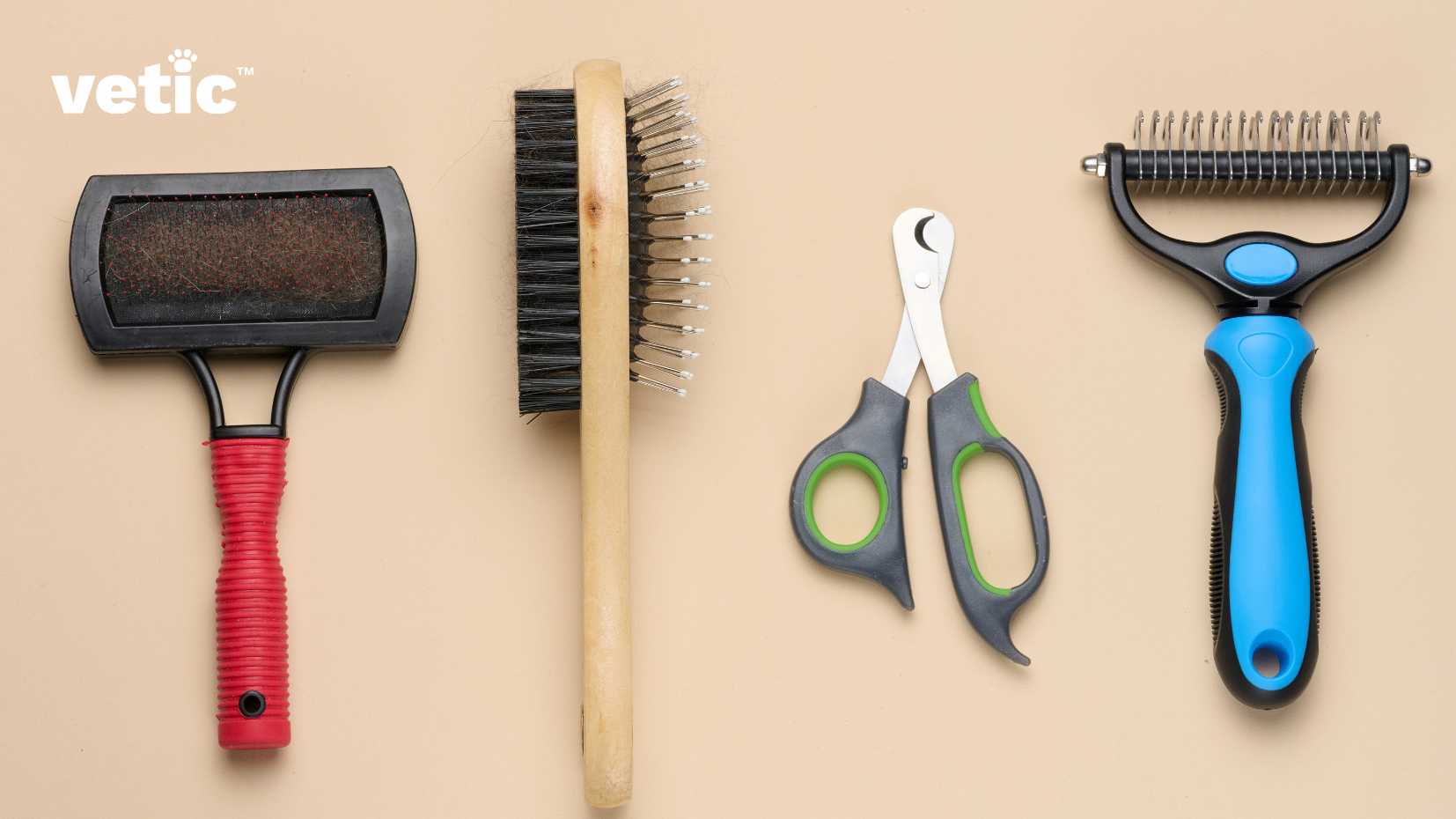
Grooming a short-haired cat does not require a large toolkit, but using the right tools makes a significant difference in effectiveness and comfort.
- A flea comb is one of the most important tools. Its fine teeth help detect and remove fleas, ticks, and dirt from your cat’s coat. This is especially useful in India’s warm climate where parasites are common.
- A de-shedding tool helps remove loose undercoat hair that your cat would otherwise ingest while self-grooming. This reduces shedding and lowers the risk of hairballs.
- A soft-bristle brush is ideal for regular grooming. It helps distribute natural oils across the coat, keeping the fur smooth and shiny while removing dust and debris.
- A nail clipper is necessary to maintain paw health and prevent overgrown or sharp nails that can cause injury or damage furniture.
- A mat splitter, although rarely needed for short-haired cats, can be useful in case of minor tangles or clumps that form due to neglect or illness.
Using the right tools ensures that grooming is both effective and safe for your cat.
Step-by-Step Guide on How to Groom Your Short-Haired Cat Safely and Comfortably at Home
Grooming your cat at home can be a calm and bonding experience if done correctly. The key is to keep the process gentle, gradual, and stress-free.
Start by choosing a quiet, comfortable space where your cat feels secure. Avoid loud noises or distractions. Begin grooming sessions when your cat is relaxed, such as after a nap or meal.
First, use a flea comb to check for parasites. Focus on areas like the neck, tail base, belly, and behind the ears. Early detection of fleas or ticks helps prevent larger infestations.
Next, use a de-shedding tool gently along the direction of hair growth. This removes loose hair without damaging the coat. Be careful not to apply too much pressure, as this can irritate the skin.
Follow up with a soft brush to smooth the coat and remove any remaining debris. This step also helps improve blood circulation and coat health.
Trim your cat’s nails carefully using a nail clipper. Always avoid the quick, which is the pink area inside the nail that contains blood vessels. Cutting too close can cause pain and bleeding.
If you notice any small mats, use a mat splitter gently. However, regular brushing usually prevents this issue in short-haired cats.
Take breaks if your cat becomes uncomfortable. Grooming should always feel safe and positive.
Why Grooming Your Short-Haired Cat Is Important for Coat Health, Skin Care, and Hairball Prevention
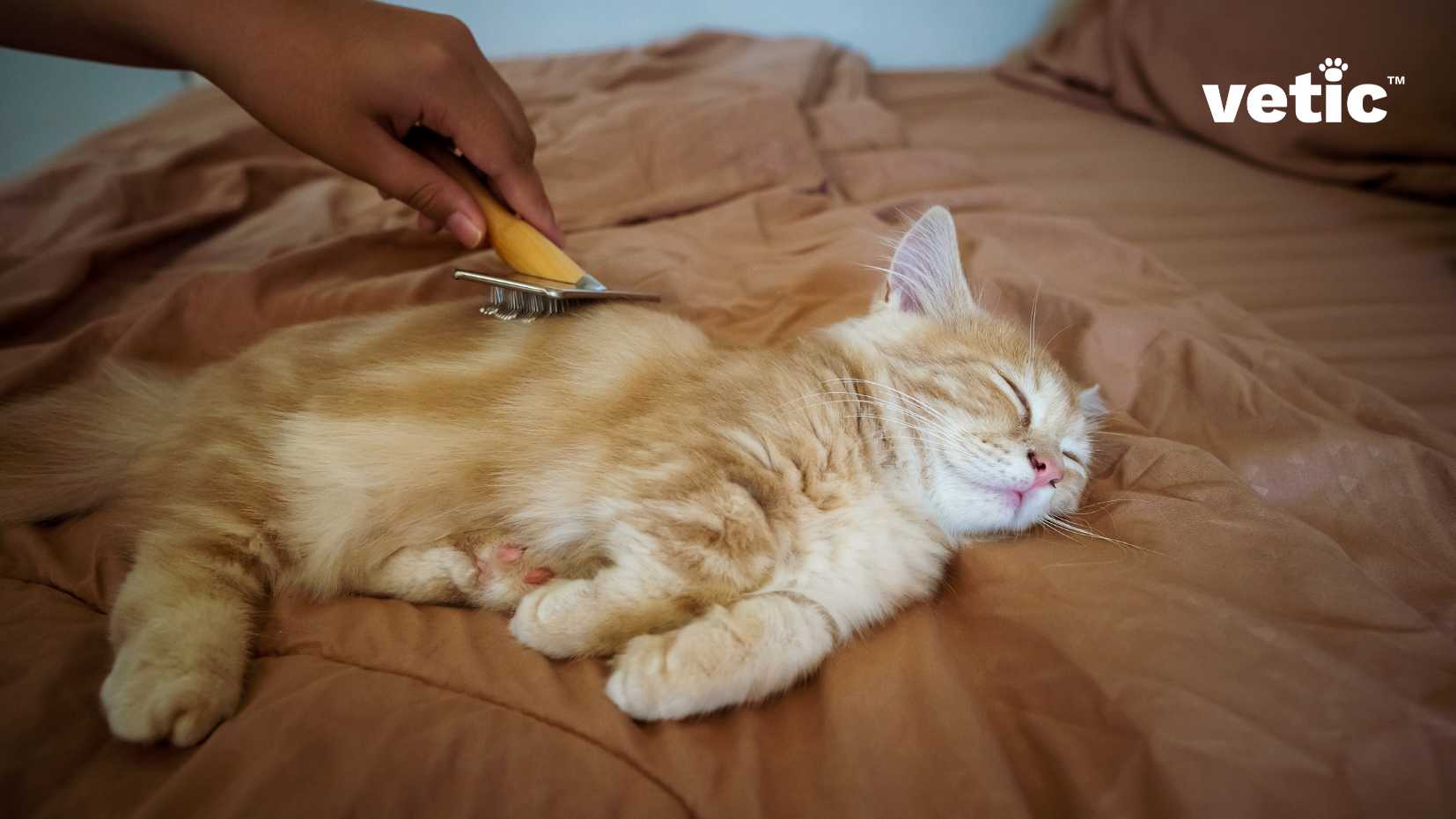
Regular grooming plays a vital role in maintaining your cat’s overall health. Even though cats groom themselves, they cannot remove all loose hair, dirt, or parasites effectively.
Brushing helps remove dead hair and distributes natural oils, which keeps the coat shiny and prevents dryness or irritation. It also reduces the amount of hair your cat swallows, which directly lowers the risk of hairballs.
Grooming sessions also give you an opportunity to check your cat’s skin for signs of infections, lumps, parasites, or injuries. Early detection can prevent serious health issues.
Additionally, regular nail trimming prevents discomfort, posture problems, and accidental scratches.
In simple terms, grooming is not just about appearance; it is essential for your cat’s comfort and long-term health.
Common Misconception: Why Short-Haired Cats Still Need Regular Grooming and Maintenance
One of the biggest myths among cat parents is that short-haired cats are “low maintenance” and do not need grooming. While their coat may not tangle easily, they still shed regularly and can develop skin and hygiene issues.
Short-haired cats can accumulate dirt, dander, and loose hair, especially in indoor environments. Without grooming, this can lead to excessive shedding, hairballs, and even skin infections.
They are also equally prone to fleas and ticks, which can go unnoticed without regular inspection.
Grooming helps maintain hygiene, improves coat quality, and ensures that any health concerns are identified early. So, while short-haired cats may require less grooming than long-haired breeds, they still need consistent care.
How Often Should You Groom Your Short-Haired Cat to Maintain a Healthy Coat and Reduce Shedding
The ideal grooming frequency depends on your cat’s lifestyle, health, and shedding pattern. However, as a general guideline, brushing your short-haired cat once or twice a week is sufficient for most cats.
During seasonal shedding periods, such as spring and autumn, you may need to increase grooming frequency to manage excess hair.
Nail trimming should typically be done every 2 to 4 weeks, depending on how quickly your cat’s nails grow.
Flea checks should be done weekly, especially if your cat has any exposure to other animals or outdoor environments.
Consistency is more important than frequency. A regular grooming routine keeps your cat comfortable and prevents problems before they start.
How to Handle Grooming Challenges If Your Cat Dislikes Being Groomed
Not all cats enjoy grooming, especially if they were not introduced to it early. If your cat resists grooming, the key is patience and gradual training.
Start with short sessions and slowly increase the duration as your cat becomes more comfortable. Use treats and positive reinforcement to create a positive association with grooming.
Avoid forcing your cat, as this can create fear and long-term resistance. Instead, observe their body language and stop if they show signs of stress.
You can also try grooming tools that are softer and less intimidating. Sometimes, even changing the grooming location can make a difference.
If your cat is extremely anxious or aggressive, professional grooming services can help. Trained groomers know how to handle difficult cats safely and calmly.
Conclusion: Creating a Healthy Grooming Routine for Your Short-Haired Cat
Grooming your short-haired cat is not just about keeping them clean—it is about ensuring their overall well-being. With the right tools, techniques, and consistency, grooming can become a simple and enjoyable routine for both you and your cat.
By investing a small amount of time each week, you can prevent shedding issues, reduce hairballs, maintain healthy skin, and detect potential health concerns early.
A well-groomed cat is not only healthier but also happier and more comfortable in their daily life.
Frequently Asked Questions About Grooming Short-Haired Cats
Do short-haired cats need grooming at all?
Yes, short-haired cats do need grooming. While they may not develop heavy mats, they still shed, accumulate dirt, and are prone to parasites and skin issues.
How often should I groom my short-haired cat at home?
You should brush your cat once or twice a week, trim nails every 2–4 weeks, and check for fleas weekly.
What tools do I need to groom a short-haired cat at home?
Basic tools include a flea comb, de-shedding tool, soft brush, nail clipper, and occasionally a mat splitter.
How do I reduce shedding in my short-haired cat?
Regular brushing, a balanced diet, and proper hydration can significantly reduce shedding.
How do I check my cat for fleas and ticks at home?
Use a flea comb and check areas like the neck, belly, tail base, and behind the ears. Look for small black specks or live parasites.
Can I groom my short-haired cat at home or do I need a professional?
Most grooming can be done at home. However, professional groomers can help if your cat is uncooperative or needs specialized care.
How do I prevent matting in short-haired cats?
Regular brushing usually prevents matting. Even though it is rare, neglect can still lead to small tangles.
How do I know if my cat’s skin is healthy during grooming?
Healthy skin should be clean, smooth, and free from redness, flakes, wounds, or parasites.
How do I get my cat comfortable with being groomed?
Start early, keep sessions short, use treats, and maintain a calm environment to build positive associations.
When should I take my short-haired cat to a professional groomer?
You should consider professional grooming if your cat resists handling, has skin issues, or requires thorough cleaning and inspection.