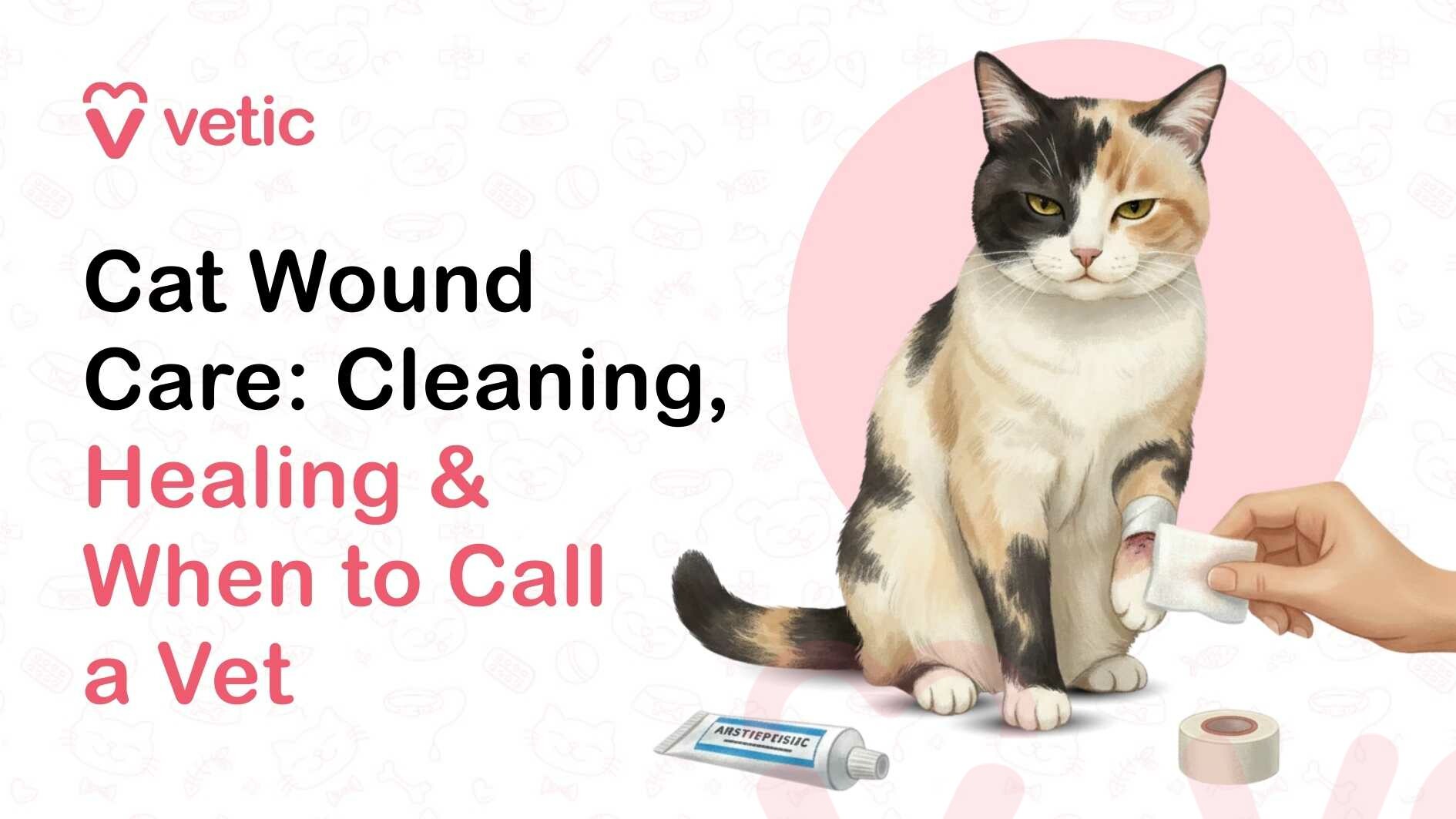
Cats are agile, curious, and independent, but these same traits make them prone to wounds. Scratches from play, bites from fights, accidents indoors, or even incisions from pet surgeries can all result in wounds that need proper care. While some minor injuries heal well with basic home care, others can worsen quickly if not handled correctly.
This blog explains how to identify different types of cat wounds, how to clean and manage them safely at home, how to support healing, and when veterinary care is essential. Good wound care for cats is not just about cleaning; it’s about preventing infection, managing pain, and ensuring proper recovery.
What a Cat Wound Is and the Different Types You Might See
A wound is any break or damage to the skin and underlying tissues. In cats, wounds often appear deceptively small on the surface but can be more serious beneath the skin.
Superficial Scratches, Punctures, and Abrasions
Superficial wounds affect only the top layers of the skin. Abrasions are scrapes where the top layer of skin is rubbed off. Scratches are shallow linear cuts. Punctures are small holes caused by sharp objects or teeth.
These are the most common minor wounds and may occur due to:
- Play with other cats
- Scratching against rough surfaces
- Minor accidents indoors
- Climbing mishaps
They may show mild redness, a small scab, or slight bleeding. While superficial wounds may look minor, punctures in particular can seal over quickly and trap bacteria inside, increasing the risk of infection.
With proper cleaning and monitoring, many superficial cat wounds heal without complications.
Suggested Read: What are Ear Mites in Cats
Deep Cuts, Lacerations, and Bite Wounds
Deep wounds involve multiple layers of skin and sometimes underlying tissue or muscle. These wounds are more serious and require close attention. These may be caused by animal bites, sharp objects, and accidents involving machinery or fencing.
- Bite wounds often appear as tiny puncture marks. But a cat’s sharp teeth can inject bacteria deep under the skin.
- Lacerations may gape open or bleed more heavily.
- Swelling, pain, or heat around the wound often develops within 24-72 hours.
Bite wounds are especially dangerous in cats and frequently become infected or form abscesses.
Surgical Wounds and Healing Incisions
If your cat has recently undergone surgery, such as a spay or neuter procedure, the incision is a controlled wound created under sterile conditions. While they are clean at the time of surgery, improper aftercare can lead to:
- Infection
- Suture breakdown
- Delayed healing
These wounds require careful monitoring and strict adherence to post-operative instructions.
How to Know If Your Cat’s Wound Is an Emergency
Some wounds require immediate veterinary care and should not be treated at home.
Heavy Bleeding, Swelling, or Foul Odour
Seek urgent help if you notice:
- Bleeding that does not stop within a few minutes of gentle pressure
- Rapidly increasing swelling around the wound
- A strong, foul, or rotting smell from the wound
- Thick discharge or pus (yellow, green, or bloody)
These signs often indicate deep tissue damage or infection.
Signs of Infection or Severe Pain
Cats hide pain well, so subtle signs matter. Watch for:
- Hiding more than usual
- Reduced appetite
- Fever (warm ears, paws, or body)
- Limping, hissing, or guarding the injured area
- Aggression or vocalisation when touched
If your cat appears lethargic, in extreme pain, or has a wound that looks inflamed and hot to the touch, immediate veterinary evaluation is essential.
Essential Supplies Every Cat Parent Needs for Wound Care at Home
Having basic wound-care supplies at home allows you to respond quickly and safely.
Clean Dressings, Antiseptic Solutions, and Gloves
Keep these essentials on hand:
- Disposable gloves
- Non-stick wound dressings
- Medical tape or self-adhesive bandage wrap
- Sterile saline or clean boiled-and-cooled water for rinsing
- Diluted antiseptic solutions (chlorhexidine or povidone-iodine, properly diluted)
- Clean gauze pads
Avoid hydrogen peroxide or alcohol for routine wound cleaning. They can damage healthy tissue and delay healing.
Specialized Ointments, Bandages, and Protective Collars
Additional helpful items for cat wound treatment include:
- Vet-approved topical antibiotic ointments
- Non-stick dressings
- Soft, elastic bandage wrap (used only if appropriate)
- An Elizabethan collar (cone) to prevent licking or chewing
- Soft recovery suits for post-surgical care
Always consult a pet health expert before applying a new medicated ointment to ensure it is safe for cats.
Step-by-Step Guide on How to Treat a Cat Wound Safely
If the wound appears minor and your cat is calm, you can provide basic care at home.
Cleaning the Wound Without Causing Stress
- Stay calm and restrain gently
Wrap your cat in a towel if needed, exposing only the wounded area. - Clip fur around the wound
If safe to do so, trimming fur improves visibility and hygiene (Use blunt-ended scissors and extreme caution). - Flush the wound gently
Use saline or diluted antiseptic to remove debris. Do not scrub. - Dry the area carefully
Pat dry with clean gauze.
Never force your cat if they become aggressive or panicked. This increases stress and risk of injury to both of you.
Suggested Read: 20 Most Common Cat Diseases
Applying Ointments or Topical Medications
Once the wound is clean:
- Apply only a thin layer of vet-approved medication
- Avoid thick layers that trap moisture.
- Do not overuse ointments, as they can trap bacteria
- Do not use human creams unless explicitly advised to do so.
- Avoid products containing steroids unless prescribed
Less is more; overapplication can interfere with oxygen exposure needed for healing.
Dressing the Wound and Preventing Licking
Not all wounds need bandaging. However, for areas prone to contamination or licking:
- Place a sterile non-stick pad over the wound.
- Wrap lightly with gauze.
- Secure with medical tape or cohesive wrap (not too tight).
Ensure you can comfortably slip a finger under the bandage to avoid restricting circulation.
Tips to Promote Faster Healing and Prevent Complications in Cat Wound Treatment
Healing depends on cleanliness, reduced stress, and careful monitoring.
Monitoring for Signs of Infection or Delayed Healing
Check the wound daily for:
- Increasing redness or swelling
- Heat or pain
- Discharge or foul smell
- Opening of previously closed wounds
Healthy healing wounds typically show mild redness at first, then gradually form a scab or close cleanly.
If improvement isn’t visible within a few days, or if it worsens, immediately contact a 24-hour cat emergency care near you.
Managing Your Cat’s Activity and Environment
- Keep your cat indoors during healing
- Restrict jumping, rough play, and outdoor roaming
- Provide a clean, quiet resting area
- Ensure proper nutrition and hydration
- Use soft bedding
Overactivity and stress in cats slow recovery.
When to Call Your Veterinarian for Cat Wound Care
Persistent Bleeding, Swelling, or Foul Smell
Call your vet if you notice:
- Bleeding that resumes after stopping
- Increasing swelling
- Pus-like discharge
- A strong odour
These signs often indicate deeper tissue damage.
Wounds From Bites, Deep Punctures, or Surgical Complications
Always consult a vet for:
- Cat bite wounds
- Deep or gaping cuts
- Wounds older than 24 hours
- Your cat removes sutures
- Any surgical incision showing redness, discharge, or opening
These almost always require antibiotics, pain relief, or further intervention.
Preventing Future Cat Wounds and Keeping Your Feline Safe
While not all injuries are avoidable, you can significantly reduce risk.
Safe Indoor and Outdoor Practices
- Keep cats indoors or supervise outdoor time
- Avoid territorial conflicts with other cats
- Remove sharp hazards from the home
- Secure windows and balconies
Indoor cats experience significantly fewer serious wounds.
Regular Health Checks and Vaccinations
Routine veterinary care:
- Reduces infection risk
- Helps detect skin or immune issues early
- Ensures surgical wounds heal properly
Healthy cats heal faster and more reliably.
Final Takeaway: About Wound Care for Cats
Cat wound care is about early recognition, gentle cleaning, close monitoring, and knowing when home care is not enough. Cats often hide pain, and wounds may look smaller than they actually are. Erring on the side of caution helps protect your cat from serious complications.
If a wound looks deep, painful, infected, or fails to improve, veterinary care is always the safest choice. Prompt, appropriate treatment of cat wounds not only speeds healing but also prevents life-threatening infections and long-term problems.
Frequently Asked Questions: About Wound Care for Cats
Can cats heal their own open wounds without help?
Very small scratches may heal on their own, but cats are prone to infections. Monitoring is essential, and any worsening requires vet care.
What ointment is safe to put on a cat’s wound?
Only vet-approved antiseptic or antibiotic ointments should be used for feline wound care. Human products and essential oils can be toxic or delay healing.
How do I know if my cat’s wound is serious?
Depth, swelling, pain, discharge, behavioural changes, and location (face, abdomen, joints) all indicate seriousness.
Can I leave a small wound uncovered, or should it always be bandaged?
Many small wounds heal better uncovered. Bandaging is only advised in specific cases and should be done carefully.
How long does it usually take for a cat’s wound to heal?
Minor wounds heal in 5-10 days. Deeper wounds or bites can take 2-4 weeks or longer to heal. Surgical wounds heal in typically 10-14 days. Healing time depends on the type of wound, the presence of infection, and overall health.
References
Bohling, M. W., Henderson, R. A., Swaim, S. F., Kincaid, S. A., & Wright, J. C. (2004). Cutaneous Wound Healing in the Cat: A Macroscopic Description and Comparison with Cutaneous Wound Healing in the Dog. Veterinary Surgery, 33(6), 579–587. https://pubmed.ncbi.nlm.nih.gov/15659012/
Brooks, W. (2025). Wound Healing in Dogs and Cats. Vin.com. https://veterinarypartner.vin.com/doc/?id=6028962&pid=19239
Weir, M., Williams, K., Llera, R., & Ward, E. (2025). Care of Open Wounds in Cats | VCA Animal Hospitals. Vca. https://vcacanada.com/know-your-pet/care-of-open-wounds-in-cats
Winkler, K. (2023). Initial Wound Management in Small Animals – Emergency Medicine and Critical Care. MSD Veterinary Manual. https://www.msdvetmanual.com/emergency-medicine-and-critical-care/wound-management-in-small-animals/initial-wound-management-in-small-animals
Winkler, K. P. (2023, July). General Principles of Wound Healing in Small Animals – Emergency Medicine and Critical Care. MSD Veterinary Manual. https://www.msdvetmanual.com/emergency-medicine-and-critical-care/wound-management-in-small-animals/general-principles-of-wound-healing-in-small-animals