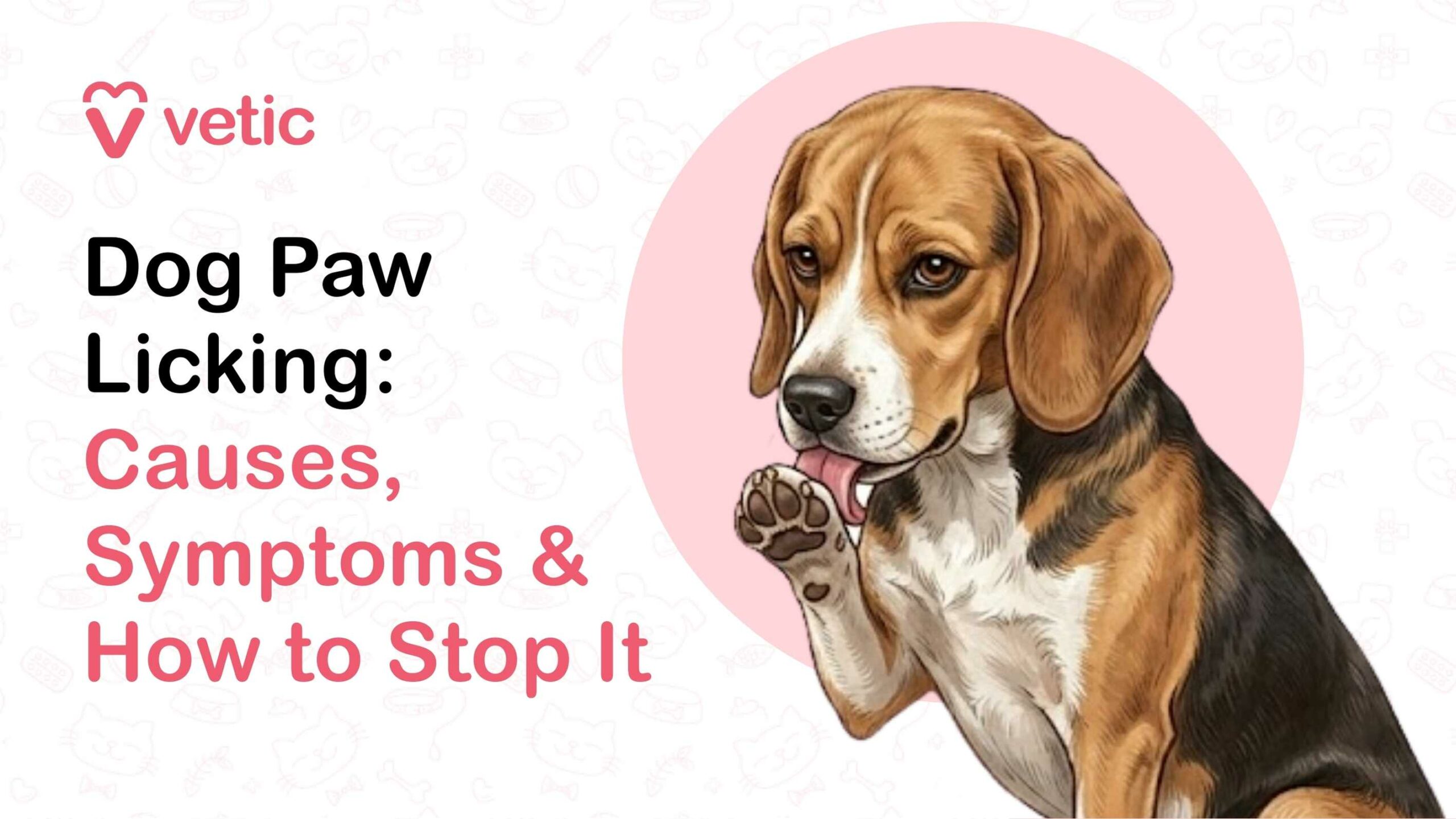
Occasional paw licking is a normal part of canine grooming. Dogs use their tongues to clean dirt, soothe minor irritation, or remove something stuck between their toes. However, frequent, intense, or obsessive paw licking is not normal. It often signals an underlying medical, environmental, or behavioural issue in dogs.
Understanding why your dog licks their paws, and knowing when and how to intervene, can prevent infections, chronic skin problems, and long-term discomfort.
Why Dogs Lick Their Paws: Common Medical Causes
Injuries or Pain in the Paws
One of the most straightforward reasons for paw licking is localised pain or injury. Dogs instinctively lick areas that hurt.
Common triggers include:
- Cuts, scrapes, or abrasions
- Thorns, glass shards, or splinters
- Cracked paw pads or burns from hot pavement
- Torn nails or nail bed injuries
If your dog focuses on one specific paw, pain or injury is especially likely. Even small wounds can cause persistent licking if not properly cleaned and protected.
Allergies Causing Paw Licking
Allergies are among the most common causes of chronic paw licking in dogs.
Dogs may react to:
- Environmental allergens (pollen, grass, dust mites, mould)
- Food ingredients (certain proteins, grains, or additives)
- Contact allergens (cleaning agents, lawn chemicals, salt on roads)
Allergic dogs often lick multiple paws, particularly after walks or during certain seasons. The paws become itchy, inflamed, and uncomfortable. It leads to repeated licking that worsens irritation.
Suggested Read: Dog Food Guide 101: What Should Your Dog Eat?
Fleas, Ticks, and Parasites
External parasites can cause intense itching, even if you don’t see them.
- Fleas can trigger hypersensitivity reactions, especially around the paws and legs
- Mites may burrow into the skin, causing inflammation
- Ticks can irritate the skin at the attachment site
Some dogs lick their paws excessively in response to generalised itchiness, not just irritation at the bite site.
Arthritis and Joint Pain
In older dogs, constant paw licking may reflect joint discomfort rather than a skin problem.
Dogs with arthritis may lick:
- Front paws (elbow or shoulder pain)
- Rear paws (hip or knee pain)
Licking can be a self-soothing behaviour in response to chronic pain, especially when stiffness worsens after rest or at night.
Environmental and Behavioural Reasons for Paw Licking
Anxiety, Stress, or Boredom
Paw licking in dogs can become a compulsive behaviour linked to emotional distress. Similar to nail-biting in humans, repetitive licking can temporarily reduce stress.
Common stressors include:
- Separation anxiety
- Changes in routine or household members
- Loud noises (thunder, fireworks)
- Lack of physical or mental stimulation
In these cases, paw licking in dogs often occurs during quiet moments, such as when the dog is alone, resting, or preparing to sleep.
Habitual Grooming Behaviour
Dogs naturally groom themselves, and occasional paw licking is normal. Some dogs simply groom more frequently than others. Normal grooming behaviour occurs briefly and does not cause redness or sores. It stops when the dog is distracted.
But sometimes, what starts as occasional grooming can turn into repetitive behaviour. This is especially true if licking provides comfort or attention.
Over time, habitual licking of paws, toes, and feet in dogs can lead to:
- Thickened skin
- Discolouration from saliva staining
- Secondary infections
Dry Skin or Irritation from Surfaces
Environmental factors can dry or irritate paw skin, including:
- Cold weather and dry indoor air
- Salted winter sidewalks
- Hot pavement or sand
- Rough surfaces
After walks, dogs may lick to remove debris or soothe irritation. If licking increases during certain seasons, environmental exposure may be the cause.
Suggested Read: Summer Dog Grooming at Home – Expert Tips
How to Recognise When Paw Licking in Dogs Is a Problem
The key difference between normal and problematic licking lies in frequency, intensity, and the presence of visible damage.
Signs of Infection or Inflammation
Excessive paw licking creates moisture and damages the skin barrier. It creates the perfect environment for bacterial or yeast infection.
Warning signs include:
- Redness or swelling between toes
- Moist, oozing skin
- Foul odor
- Yellow or green discharge
- Darkened skin
These are signs that paw licking in dogs has progressed beyond a habit and now requires medical care.
Infections require comprehensive veterinary care and won’t resolve on their own.
Hair Loss or Redness Around the Paws
Constant moisture and friction from licking can cause:
- Bald patches on paws or lower legs
- Darkened or thickened skin
- Thinning fur
- Staining of fur (often reddish-brown) from saliva
Hair loss in dogs combined with redness strongly suggests ongoing irritation or allergy.
Behavioural Changes Linked to Paw Licking
Problematic paw licking is often accompanied by:
- Restlessness or agitation
- Increased scratching elsewhere on the body
- Licking that interrupts sleep or play
- Irritability when paws are touched
- Decreased appetite
- Withdrawal
- Compulsive behaviour
If licking interferes with daily activities, a deeper issue is likely present.
Diagnosis: How Veterinarians Determine the Cause of Paw Licking in Dogs
Physical Examination and History
Your veterinarian will examine:
- The paws, nails, and pads
- Skin between toes
- Gait and joint movement
They will also ask about:
- Diet changes
- Seasonality of symptoms
- Parasite prevention
- Behavioural triggers
This history helps narrow down whether the cause is medical or behavioural for dogs licking their paws incessantly.
Allergy Testing
If allergies are suspected, your vet may recommend:
- Elimination diet trials
- Blood or skin allergy testing
Identifying the allergen is essential for long-term control, not just symptom relief.
Parasite Screening
Skin scrapings, flea combing, or microscopic evaluation may be used to detect:
- Mites
- Yeast
- Bacterial overgrowth
Even if parasites aren’t visible, testing helps rule them out.
Suggested Read: Scabies in Dogs: The Signs, Causes, and Treatment of Sarcoptic Mange (Mites) in Dogs
Treatment Options for Dogs That Lick Their Paws
Treatment depends entirely on the underlying cause. Addressing symptoms without identifying the cause often leads to recurrence.
Medications and Topical Treatments
Depending on the cause, treatment for toe licking in dogs may include:
- Anti-inflammatory medications
- Antihistamines or allergy medications
- Antibiotics for bacterial infections
- Antifungal treatments for yeast
- Medicated shampoos
- Pain relief for arthritis
Topical therapies, such as medicated wipes or sprays, can provide localised relief while the underlying issue is addressed.
Allergy Management and Dietary Changes
For allergic dogs, treatment focuses on long-term management, which may include:
- Prescription hypoallergenic diets
- Omega-3 fatty acid supplementation
- Environmental allergen reduction
- Immunotherapy in some cases
- Regular bathing to remove allergens
- Air purifiers in the home
Dietary changes are often gradual but can significantly reduce foot licking in dogs over time.
Behavioural Therapy and Enrichment
When stress or boredom plays a role, addressing mental health is essential. Helpful strategies include:
- Increased exercise
- Puzzle toys and interactive play
- Consistent routines
- Training sessions to redirect behaviour
- Calming supplements (as recommended by a vet)
In severe cases of constant paw licking in dogs, veterinary-guided behavioural therapy may be recommended.
Parasite Control and Preventive Care
Consistent flea and tick prevention is crucial, even for indoor dogs. Preventing parasites reduces one of the most common triggers of itching.
Home Remedies and Paw Care Tips
Supportive home care may include:
- Rinsing paws after walks to remove allergens
- Drying paws thoroughly
- Using dog-safe moisturisers for dry pads
- Trimming hair between toes to reduce moisture buildup
- Keep bedding clean
Home care should complement, not replace, pet health care and veterinary treatment.
Preventing Excessive Paw Licking in Dogs
Environmental Adjustments
Reduce exposure to irritants by:
- Avoiding treated lawns
- Cleaning floors with pet-safe products
- Using booties in extreme weather
Regular Grooming and Paw Cleaning
Routine paw checks help catch problems early. Keeping nails trimmed and pads clean reduces discomfort and the risk of infection.
Stress Reduction and Enrichment Activities
Mental stimulation reduces anxiety-driven behaviours. Try:
- Scent games
- Agility exercises
- Obedience training
- Rotating toys to maintain interest
A well-exercised dog is less likely to develop compulsive habits.
Final Takeaway: About Dogs Licking Their Paws
Dog paw licking is more than a harmless habit when it becomes frequent or intense. It often signals allergies, pain, infection, or emotional distress. Early recognition and proper treatment prevent long-term skin damage and improve your dog’s comfort and quality of life. If paw licking persists, worsens, or is accompanied by skin changes or behaviour shifts, veterinary evaluation is essential for effective and lasting relief.
FAQs: About Dogs Licking Their Paws
Can dogs keep licking their paws to show affection?
Generally, no. Paw licking is usually associated with grooming, irritation, or stress rather than with affection. Dogs show affection through tail wagging, leaning, licking people, and seeking physical closeness.
Is it normal if my dog licks only one paw?
Occasional licking of one paw can be normal grooming. However, persistent focus on a single paw often suggests injury, a foreign object, or localised pain and should be examined.
Can paw licking lead to hair loss or infections?
Yes. Chronic moisture and friction from licking can cause hair loss, skin thickening, and secondary bacterial or yeast infections.
Should I clean my dog’s paws after every walk?
If your dog walks on treated sidewalks, muddy areas, or grassy fields, cleaning paws after walks is beneficial. In low-risk environments, daily cleaning may not be necessary, but regular inspection is recommended.
Can diet affect how often my dog licks their paws?
Absolutely. Food allergies and nutritional imbalances are common contributors to chronic paw licking. Switching to a vet-recommended elimination diet may significantly reduce symptoms if food is the trigger.
References
Johnstone, G. (2024, February 12). Pododermatitis in Dogs: What to Know. American Kennel Club. https://www.akc.org/expert-advice/health/pododermatitis-in-dogs/
Parker, H. (n.d.). Compulsive Licking, Biting, and Scratching in Dogs. WebMD. https://www.webmd.com/pets/dogs/dogs-and-compulsive-scratching-licking-and-chewing
Purina. (2017). Common Dog Paw & Paw Pad Injuries. https://www.purina.com/articles/dog/health/symptoms/paw-pad-injuries
Purina. (2024). Why Do Dogs Lick Things? Purina.com. https://www.purina.com/articles/dog/behavior/understanding-dogs/why-do-dogs-lick
WebMD. (n.d.). Care Tips for Your Dog’s Paws. https://www.webmd.com/pets/dogs/paw-care-tips-dogs