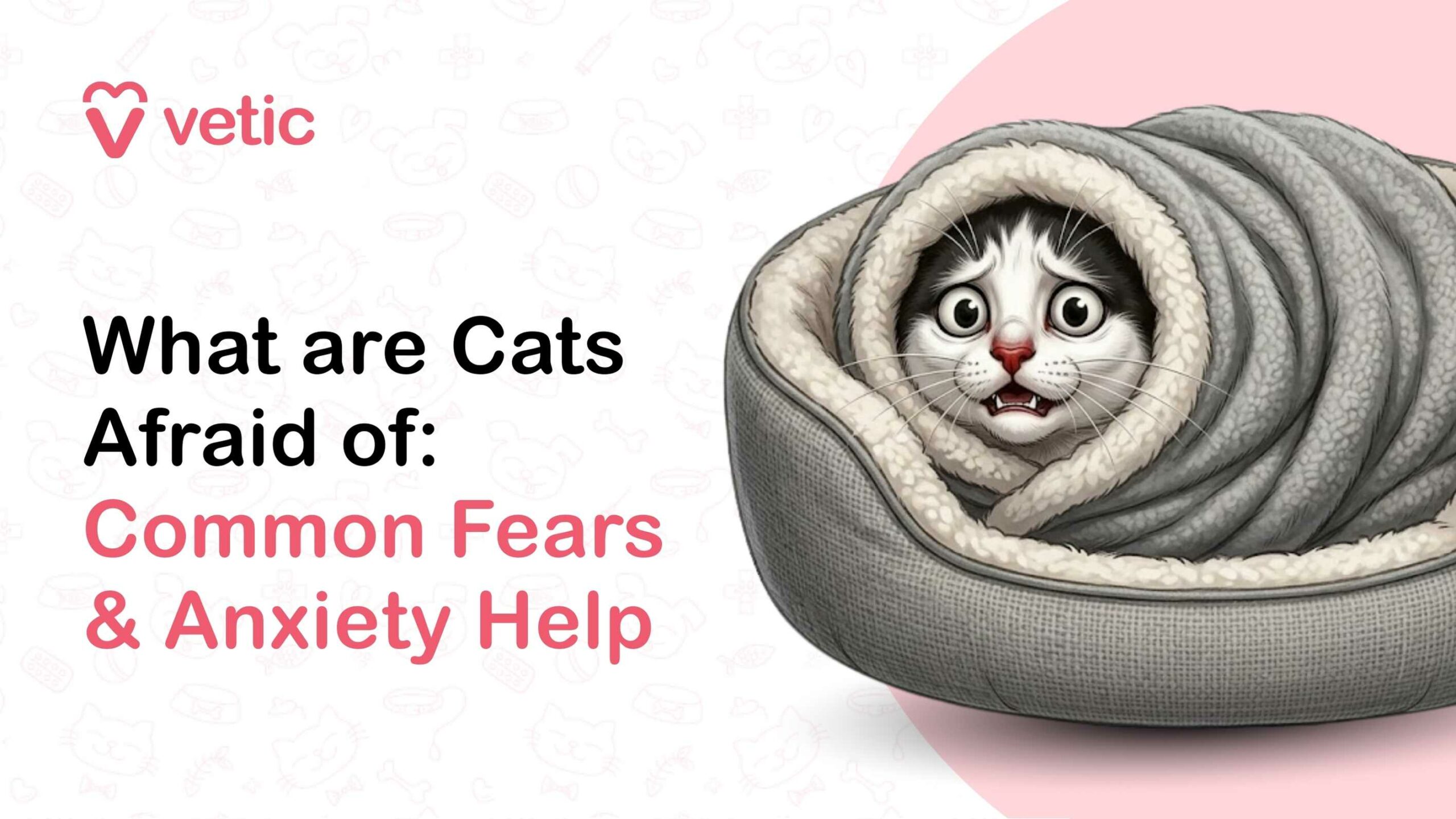
If you have ever seen your cat bolt under the bed at the sound of a vacuum cleaner or freeze when a stranger walks in, you may have wondered what cats are afraid of.
Fear in cats is not a flaw; it is a survival mechanism. As both predators and prey in the wild, cats evolved to be alert and cautious. However, when fear becomes frequent or intense, it can impact your cat’s well-being. Understanding common triggers and learning how to reduce stress can make a significant difference in your cat’s quality of life. If you’re new to cat parenting, this article will answer many of your questions about cat fears.
Why Cats Develop Fear and Anxiety: Causes and Triggers
Fear responses are shaped by biology, life experiences, and environment.
The role of genetics and early socialisation
Some cats are naturally more cautious due to genetic temperament. Early socialisation, particularly between 2 and 7 weeks of age, plays a major role in shaping confidence. Kittens gently exposed to people, sounds, and handling during this period often grow into more adaptable adults.
Limited early exposure can make adult cats more reactive to new stimuli.
Negative experiences or trauma that contribute to fear
Cats have strong associative memories. A single frightening event, such as being startled during grooming or experiencing rough handling, can create lasting fear linked to specific people, places, or objects.
Rescue cats may display heightened vigilance if they have experienced instability or neglect in the past.
Sudden changes in environment or routine
Cats thrive on predictability. Changes such as moving homes, rearranging furniture, or altering feeding schedules can trigger anxiety. Even subtle environmental shifts can make a cat feel insecure.
Health problems or pain can increase anxiety
Pain and illness lower tolerance for stress. A cat experiencing arthritis, dental pain, or gastrointestinal discomfort may appear more fearful or reactive. Behavioural change should always prompt a health check.
Common Noises That Scare Cats and How to Help Them Cope
Loud and sudden sounds are among the most common triggers of fear in cats. With highly sensitive hearing, everyday household noises can feel intense or unpredictable to them. Understanding how noise affects your cat is the first step in helping them feel safe and secure.
Loud household appliances (vacuum, blender, hairdryer)
These sounds are sudden, high-pitched, and unpredictable. Cats’ hearing is far more sensitive than ours, so these everyday noises can feel overwhelming.
How to help:
- Allow access to a quiet room.
- Avoid forcing exposure.
- Gradually introduce sounds at low intensity if desensitisation is needed.
Fireworks, thunder, and sudden outdoor noises
Fireworks and storms combine loud noise with vibrations and flashing lights, making them particularly distressing.
Support strategies:
- Close windows and curtains.
- Play soft background noise.
- Provide covered hiding spots.
Using desensitisation and safe hiding spaces
Systematic desensitisation, i.e., slowly exposing your cat to mild versions of the trigger paired with positive experiences, can reduce fear over time. However, it must be gradual and never forced.
Suggested Read: Managing Stress in Cats: Is My Cat in Stress or Sick? Distinguishing Signs of Stress and Sickness in Cats
Why Strangers or Unknown People Can Frighten Cats
Cats rely heavily on scent and familiarity. New people bring unfamiliar smells, movements, and voices. Direct eye contact, sudden reaching, or loud greetings can intensify fear.
Allow your cat to approach at their own pace. Guests should sit quietly, avoid staring, and offer a gentle hand at your cat’s level. Over time, repeated calm exposure builds trust.
Water and Other Sensory Fears in Cats
Common fear of baths or wet surfaces
Many pet parents wonder if bath time is stressful for cats. While some cats tolerate water, many dislike it due to:
- Lack of body temperature control
- Reduced ability to move quickly
- Sensory overload
Cats groom themselves effectively, so routine bathing is rarely necessary unless medically indicated.
Strategies for safe and stress-free grooming
- Introduce grooming tools gradually.
- Use positive reinforcement.
- Keep sessions short and calm.
- Avoid forced restraint whenever possible.
Changes in the Environment That Trigger Anxiety
Moving furniture, remodelling, or new pets
Cats map their territory mentally. Changing layouts disrupts their sense of control. Strong smells from paint or cleaning products can also be overwhelming.
Introducing new household members
New babies, roommates, or visiting relatives can shift routines. Gradual introductions and scent familiarisation help ease transitions.
Maintaining familiar scents and safe spaces
Leave familiar bedding untouched during changes. Provide consistent resting areas so your cat retains a sense of stability.
Fears Related to Other Animals and Pets
Territorial instincts with other cats or dogs
Cats are territorial by nature. Sudden introductions can provoke defensive behaviour. Fear-based aggression is common when cats feel cornered.
Gradual introductions and supervised interactions
- Begin with scent swapping.
- Allow visual contact through barriers.
- Progress to short supervised meetings.
Rushing introductions often lead to setbacks.
Recognising signs of stress during interactions
Watch for:
- Flattened ears
- Dilated pupils
- Hissing or growling
- Tail puffing
- Freezing posture
Intervene calmly if tension escalates.
Suggested Read: Bored Cat: Signs, Symptoms, and How to Tell If Your Cat Is Bored
Why Cats Fear Veterinary Visits and How to Reduce Stress
Veterinary visits can be overwhelming for many cats, even those who are usually calm at home. The moment a carrier appears, resistance often begins not out of stubbornness, but because cats associate it with unfamiliar smells, restraint, and previous stressful experiences. Understanding this fear helps pet parents approach clinic visits with more empathy and preparation.
Unfamiliar smells, sounds, and handling
Veterinary clinics contain unfamiliar animal scents, clinical sounds, and physical restraint, all of which can feel threatening.
Carrier training and positive reinforcement techniques
- Leave the carrier open at home year-round.
- Place bedding and treats inside.
- Associate the carrier with positive experiences.
Tips for calm checkups and medication administration
- Use pheromone sprays or catnip in carriers.
- Cover the carrier during travel.
- Schedule calm appointment times if possible.
Reducing stress improves both emotional well-being and diagnostic accuracy.
Confined Spaces and Lack of Hiding Options: Why Cats Need Security
Understanding the feline need for vertical and covered spaces
Cats feel safest when they can observe from above or retreat to enclosed areas. Lack of hiding spots increases stress levels.
Providing hiding spots and perches at home
Offer:
- Cat trees
- Window perches
- Covered beds
- Cardboard boxes
These options provide psychological security.
Unusual Fears in Cats: Cucumbers, Shadows, and Other Surprises
Videos often circulate showing cats jumping at cucumbers. While entertaining to some, these reactions reflect a strong startle response.
Why some cats react to sudden objects like cucumbers
The sudden appearance of an unfamiliar object behind them may trigger a defensive reflex, similar to that triggered by a perceived predator.
The role of novelty and startle response
Cats rely on environmental predictability. Suddenly, unexpected changes activate instinctive survival responses.
Avoiding intentional scares can cause trauma
Intentionally frightening a cat for amusement can damage trust and create lasting anxiety. Respecting their emotional safety is essential.
How to Identify and Reduce Fear and Anxiety in Cats
Recognising fear early is essential to preventing it from escalating into chronic stress or behavioural problems. Cats rarely vocalise anxiety the way dogs do; instead, they communicate through subtle body language and behavioural shifts. By learning to read these signals and adjusting the environment accordingly, pet parents can create a safer, more predictable space that supports emotional well-being.
Observing body language and behavioural signs
Common signs of fear:
- Crouching low
- Trembling
- Rapid breathing
- Hiding
- Overgrooming
- Aggression
Creating a predictable, low-stress environment
Consistency in feeding, play, and rest routines provides reassurance.
Using interactive play and positive reinforcement
Play channels predatory energy constructively and builds confidence. Reward calm behaviour rather than punishing fear.
When to consult a veterinarian or animal behaviourist
Persistent fear, aggression, or stress-related health issues (such as urinary problems or overgrooming) require professional guidance. Medical causes must always be ruled out first.
Key Points
- Fear is a natural survival response in cats.
- Loud noises, strangers, environmental changes, and unfamiliar animals are common triggers.
- Early socialisation strongly influences adult confidence.
- Sudden behavioural changes may indicate health problems.
- Safe hiding spaces and routine reduce anxiety.
- Avoid intentionally startling your cat.
- Professional help is advisable for persistent or severe fear.
Frequently Asked Questions About Cat Fears
Is it normal for cats to be scared of loud noises?
Yes. Cats have highly sensitive hearing, making sudden or intense sounds overwhelming. Providing safe hiding areas helps them cope.
Can fearful cats learn to trust strangers?
With gradual exposure and positive experiences, many fearful cats can improve their tolerance. Patience and consistency are essential.
How can I stop my cat from hiding all the time?
Ensure adequate hiding options, reduce environmental stressors, and rule out medical issues. Gradual confidence-building through play can help.
Are certain cat breeds more prone to anxiety?
Individual temperament varies more than breed. However, some lines may be genetically more cautious. Early socialisation remains the strongest predictor.
Can fear in cats lead to aggression or health issues?
Yes. Chronic stress can contribute to aggression, inappropriate elimination, overgrooming, and even urinary or gastrointestinal disorders. Addressing fear early improves long-term health.
References:
Overall, K. L., Rodan, I., Beaver, B. V., Carney, H., Crowell-Davis, S., Hird, N., Kudrak, S., Wexler-Mitchel, E., Panel on Feline Behaviour Guidelines, & American Association of Feline Practitioners (2005). Feline behaviour guidelines from the American Association of Feline Practitioners. Journal of the American Veterinary Medical Association, 227(1), 70–84. https://doi.org/10.2460/javma.2005.227.70
Rodan, I., & Heath, S. (2016). Feline behavioural health and welfare. Journal of Feline Medicine and Surgery, 18(4), 261–274. https://doi.org/10.1177/1098612X16631234
Sparkes, A. H., et al. (2020). ISFM consensus guidelines on stress in cats. Journal of Feline Medicine and Surgery, 22(9), 821–838. https://journals.sagepub.com/doi/10.1177/1098612X17693500
Tateo, A., Zappaterra, M., Covella, A., & Padalino, B. (2021). Factors influencing stress and fear-related behaviour of cats during veterinary examinations. Italian Journal of Animal Science, 20(1), 46–58. https://doi.org/10.1080/1828051X.2020.1870175