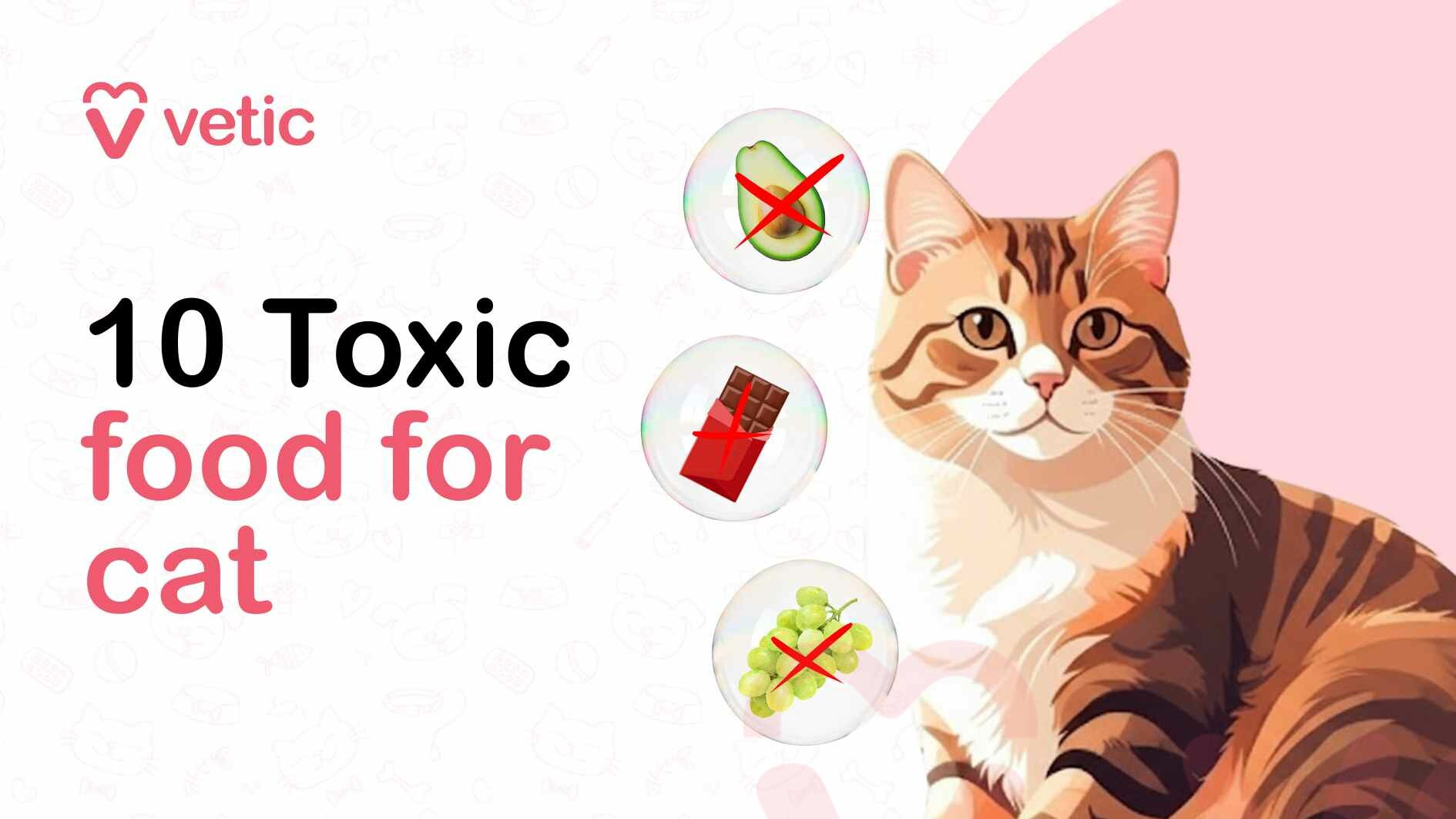
Cats have a very different metabolism compared to humans and even dogs, particularly in how their liver processes chemicals from food. Many foods that are harmless for humans or dogs can be toxic to cats. These toxic foods for cats can cause serious sickness, organ damage, or sudden collapse.
This blog lists 10 toxic foods for cats, explains why they are harmful, and outlines what to do if accidental exposure happens.
Why Some Human Foods Are Harmful and Toxic to Cats
Many pet parents ask which foods are poisonous to cats because it’s difficult to understand how complex or sensitive a cat’s metabolism can be. Cats are obligate carnivores with specialised digestive systems. They cannot safely metabolise many plant compounds, additives, or chemicals found in human food.
Cats lack certain liver enzymes (glucuronyl transferase activity) that help detoxify many substances such as theobromine and caffeine in other species.
This explains why some foods lethal to cats may cause only mild issues in other species.
What are the Top 10 Toxic Foods for Cats? A Comprehensive List of Dangerous Foods
Below are the most well-documented 10 dangerous foods for cats. This list is based on veterinary toxicology and clinical reports.
1. Chocolate & Cocoa: Lethal Foods for Cats
Chocolate contains theobromine and caffeine, both of which are foods lethal to cats. Cats are more sensitive than dogs, and even small amounts can cause:
- Vomiting
- Tremors
- Abnormal heart rhythm
- Seizures
Dark chocolate and baking chocolate are especially dangerous.
2. Onions and Garlic: Foods That Are Poisonous to Cats
Onions, garlic, leeks, and chives are classic examples of foods that are toxic to cats. They contain organosulfur compounds that damage red blood cells in cats. This can lead to haemolytic anaemia (destruction of red blood cells). It can eventually lead to liver damage and kidney failure.
Toxicity can occur from raw, cooked, powdered, or dehydrated forms.
3. Grapes and Raisins: Dangerous Foods for Cats to Avoid
Grapes and raisins are considered deadly foods for cats. While grape toxicity is better documented in dogs, cats are also at risk. Ingestion may lead to kidney failure. The exact toxic compound remains unidentified, which means there is no known safe dose, and reactions can vary widely between individual cats, making exposure unpredictable.
4. Alcohol: Harmful Substance That Can Poison Cats
Alcohol is seriously toxic for cats. It is rapidly absorbed in cats and affects their nervous system. Even licking alcoholic beverages or fermented foods can cause:
- Disorientation
- Slowed or difficult breathing
- Dangerously low blood sugar
- Coma
Cats are extremely sensitive to ethanol, which means even small exposures can rapidly affect the nervous system, blood sugar levels, and breathing, leading to life-threatening intoxication.
5. Caffeine (Coffee, Tea, Energy Drinks): Toxic to Cats
Caffeine stimulates the central nervous system and heart. Cats cannot metabolise caffeine efficiently, allowing it to accumulate in the body and intensify its effects. Even small amounts can lead to hyperactivity, restlessness, rapid heart rate, abnormal breathing, tremors, and seizures.
Common household sources include coffee, tea, energy drinks, cola, caffeine-containing supplements, and even coffee grounds or tea bags.
6. Xylitol & Artificial Sweeteners: Poisonous Additives for Cats
Xylitol is a sugar substitute commonly found in sugar-free gum, candies, baked goods, toothpaste, and some medications. While xylitol toxicity is well documented in dogs, data in cats is limited, but veterinary toxicology authorities strongly advise avoidance.
Cats who have ingested xylitol may be vulnerable to hypoglycaemia (dangerously low blood sugar) and potential liver injury. Because cats have unique carbohydrate metabolism and limited detoxification pathways, exposure is considered unpredictable and potentially serious, making xylitol-containing products unsafe for cats under all circumstances.
7. Raw Dough (Yeast): Foods That Can Be Deadly for Cats
Raw yeast dough poses a dual risk to cats. When ingested, the dough can expand in the stomach due to fermentation, leading to painful abdominal distension, bloating, or even gastric rupture. At the same time, yeast fermentation produces ethanol, which is rapidly absorbed into the bloodstream.
This combination can result in alcohol poisoning, causing neurological depression, low blood sugar, breathing difficulties, and coma. Even small amounts of raw dough can be dangerous due to a cat’s small body size and high sensitivity to ethanol.
8. Raw Eggs, Meat, and Fish: Potentially Lethal Foods for Cats
Raw animal products pose a risk to cats due to biological toxins and contaminants. Raw eggs may contain avidin, a compound that interferes with biotin absorption when consumed repeatedly. Raw fish contains thiaminase, an enzyme that destroys vitamin B1 (thiamine), and certain raw meats and fish may also harbour bacterial toxins that cats are susceptible to.
Because these risks arise from naturally occurring toxic compounds and contaminants, raw animal foods are considered unsafe for cats and should be avoided.
9. Seasoned & Spicy Human Foods: Deadly Foods for Cats
Spices, salt, chillies, and flavour enhancers can irritate the gastrointestinal tract and cause dehydration. Many seasoned foods also contain onion or garlic powder, increasing the risk of toxicity and placing them firmly on the list of dangerous foods for cats.
In addition, heavily seasoned foods can contribute to electrolyte imbalances and excessive thirst, while spicy ingredients may trigger oral irritation and gastrointestinal inflammation. Because the exact composition of seasonings is often unknown, exposure carries an unpredictable toxicity risk for cats.
10. Dairy Products: Why Milk Is Not Suitable for Most Cats
Most adult cats are lactose intolerant, meaning they lack sufficient lactase enzyme to digest milk sugar (lactose) properly. While dairy products are not typically toxic in the classic sense, repeated exposure can lead to vomiting, diarrhoea, abdominal discomfort, and chronic gastrointestinal upset.
Milk, cheese, and cream may also contribute unnecessary fat and calories, which can worsen digestive sensitivity over time. Because cats do not require dairy for nutrition, these products are best avoided entirely rather than offered as treats.
Signs Your Cat Has Consumed Toxic Food: What to Look For?
Recognising symptoms of toxicity in cats early is critical for a cat’s health after exposure to toxic foods.
Common physical signs include:
- Vomiting or diarrhoea
- Excessive drooling
- Tremors or seizures
- Difficulty breathing
- Weakness or collapse
- Pale to yellow gums
Behavioural changes such as hiding, sudden aggression, vocalisation, or withdrawal can be early warning signs of toxicity in cats and should never be ignored. Visit your nearest 24/7 emergency veterinary clinic if you notice any of the above-mentioned signs of food toxicity in your cat.
The onset and severity of symptoms depend on the type and amount of food ingested and the individual cat’s size and health status.
What to Do if Your Cat Eats Something Toxic or Poisonous?
Immediate action is essential if toxic foods for cats have been consumed.
- Do not induce vomiting unless directed by a veterinarian
- Remove access to the toxic food immediately
- Contact a veterinary clinic or poison helpline without delay
- Provide details on what and how much was consumed
Do not give home remedies (including milk, oils, or human medications) unless specifically instructed by a veterinarian, as improper first aid can worsen toxicity.
Your veterinarian may recommend a form of activated charcoal for the adsorption of toxins from the stomach.
How to Prevent Your Cat From Eating Dangerous or Toxic Foods?
Most exposures to toxic foods for cats are preventable.
- Store human food securely
- Avoid feeding table scraps
- Educate household members
- Check ingredients before offering treats
- Keep garbage bins covered
Indoor cats are also at risk through indirect exposure, such as licking plates, dropped food, open bins, or flavoured medications intended for humans.
Feeding a consistent, nutritionally complete, age-appropriate cat diet reduces curiosity-driven ingestion of unsafe foods.
Final Thoughts on Toxic Foods for Cats: How to Keep Your Cat Safe
Cats rely entirely on us to keep them safe from toxic foods. Most exposures are accidental and preventable. Feeding only appropriate cat food and approved treats is the safest approach. When in doubt, it is always better to avoid sharing human food altogether.
Frequently Asked Questions About Toxic Foods for Cats
What Common Foods Are Toxic to Cats?
Chocolate, onions, garlic, alcohol, caffeine, grapes, and raw dough are among the most dangerous and common toxic foods for cats.
Is Chocolate Always Dangerous for Cats?
Yes. There is no safe amount. Chocolate is one of the most well-known foods that is deadly to cats.
Can Small Amounts of Milk or Cheese Harm My Cat?
Yes, in most cats, milk and cheese may cause digestive upset due to lactose intolerance.
How Quickly Should I Act if My Cat Eats Toxic Food?
You should act immediately. Early veterinary care is critical. Most toxicity in cats cannot be treated with just oral medicines. They may require IV fluids along with other medicines to counter the toxicity.
Are There Foods Safe for Dogs but Toxic for Cats?
Yes. Cats metabolise substances differently from dogs, so foods or ingredients tolerated by dogs, such as dairy, certain medications, or additives, may cause gastrointestinal upset or toxicity in cats.