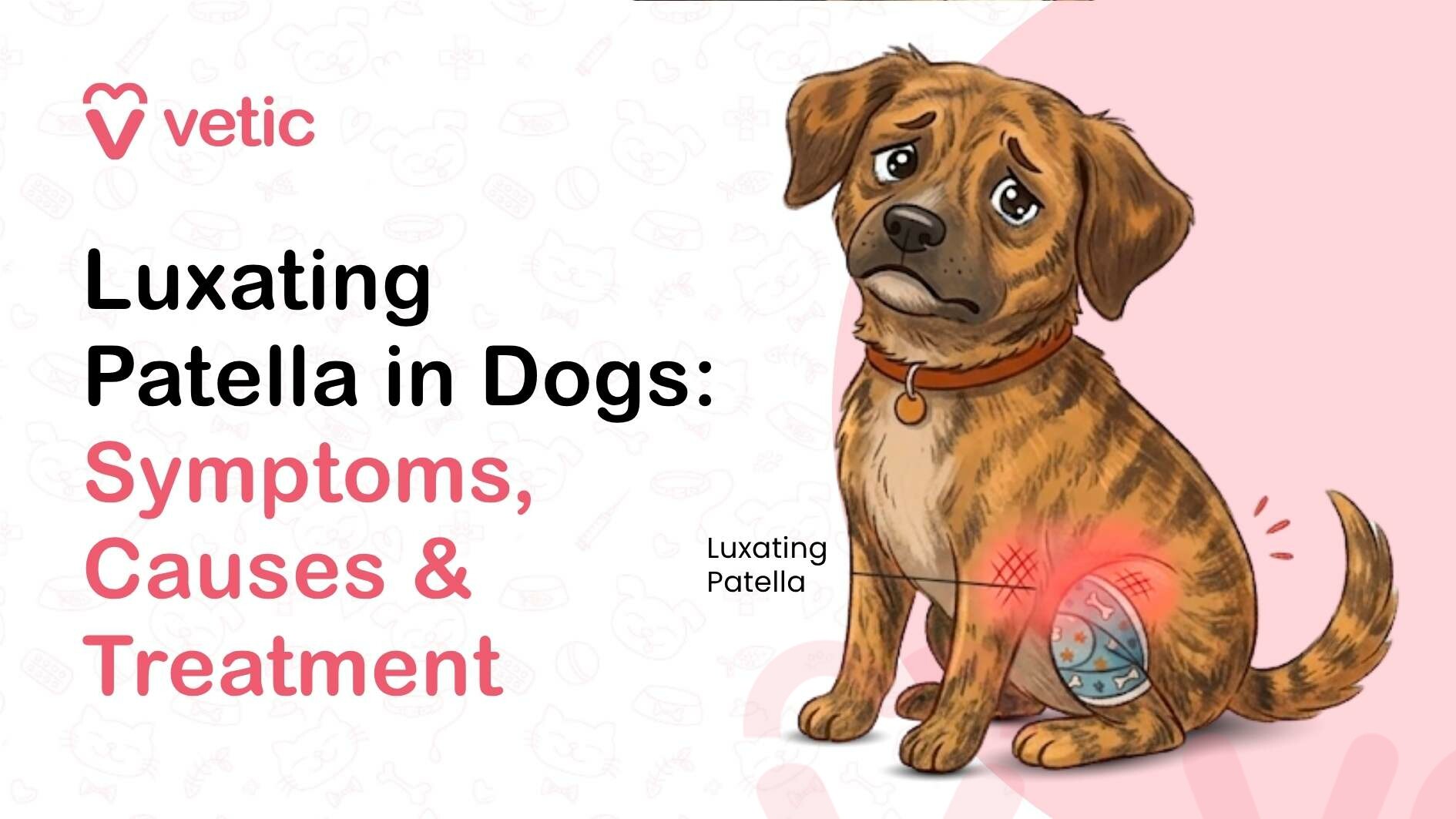
If your dog suddenly skips a step, holds up a hind leg for a few seconds, or limps intermittently, one possible cause is a luxating patella. It is a condition where the kneecap (patella) slips out of its normal position.
This is one of the most common orthopaedic issues seen in dogs, especially smaller breeds, such as the Chihuahua. With early recognition and proper care, many dogs can live comfortably and stay active.
What a Luxating Patella Is and How It Affects Your Dog’s Knee Joint
The patella, or kneecap, is a small bone that sits in a groove at the end of the femur (thigh bone). It moves up and down as your dog bends and straightens its leg, helping maintain proper alignment and function of the knee joint.
In a lux patella dog, the kneecap slips out of this groove, either toward the inside (medial luxating patella in dogs) or outside (lateral luxation) of the knee. When the patella moves out of place, it disrupts the joint’s smooth motion. This causes discomfort, instability, and, in some cases, long-term joint damage in dogs.
The severity of this condition is often graded from I to IV:
- Grade I: Mild, occasional slipping with minimal symptoms
- Grade II: More frequent dislocation, sometimes causing limping
- Grade III: Patella is out most of the time but can be manually repositioned
- Grade IV: Permanently dislocated and cannot be manually corrected
Common Signs and Symptoms of Canine Patellar Luxation
Dogs are often good at hiding pain, so subtle signs can easily go unnoticed. However, several indicators may suggest a luxating patella in dogs:
- Intermittent limping or skipping on one leg
- Sudden yelping or signs of discomfort during movement
- Holding one hind leg up for a few steps before resuming normal walking
- Difficulty jumping or climbing stairs
- Stiffness, especially after rest
- Bow-legged or knock-kneed posture in severe cases
One classic symptom is the “skip and hop” gait, in which a dog briefly lifts its leg and then resumes walking normally once the kneecap returns to its place.
Causes of Luxation of the Patella in Dogs
Several factors contribute to this luxating patella in dogs.
Why Small-Breed Dogs Are More Prone to Patellar Luxation
Small breeds are most commonly affected, including Pomeranians, Chihuahuas, Shih Tzus, and Toy Poodles. In these dogs, the alignment of the femur, tibia, and patella may naturally be slightly off, making dislocation more likely even during normal activity.
How Large-Breed Dogs Can Also Develop Patellar Luxation
Though less common, large breeds such as Labradors and Great Danes can also be affected. Causes may include:
- Trauma or injury
- Developmental abnormalities
- Muscular imbalances
In large dogs, the condition may be more severe or associated with other orthopaedic issues.
How Vets Diagnose Luxating Patella in Dogs
Diagnosis of canine patellar luxation typically begins with a thorough physical examination. A pet health expert will manipulate your dog’s knee to feel whether the patella moves out of place and assess its severity.
Additional diagnostic tools may include:
- X-rays (radiographs): To evaluate bone structure and joint alignment
- CT scans or advanced imaging: In complex cases, to assess detailed anatomy
- Gait analysis: Observing how your dog walks and runs
These tests help determine the grade of luxation and guide treatment decisions.
Treatment Options for Dogs With a Luxating Patella
Treatment of a dog with patellar luxation depends on the severity of the problem.
Non-Surgical Management
For mild cases (Grade I or II), conservative treatment may be sufficient:
- Weight management to reduce joint stress
- Physical therapy and controlled exercise
- Joint supplements such as glucosamine and chondroitin
- Anti-inflammatory medications prescribed by a veterinarian
- Activity modification to avoid excessive jumping or strain
This approach focuses on strengthening muscles and reducing strain on the dog’s knee.
Surgical Correction: When It’s Recommended
Surgery for a luxating patella in dogs is recommended when:
- The dog experiences persistent pain or lameness
- The patella frequently dislocates
- There is a risk of arthritis or permanent joint damage
- Non-surgical treatments have failed
- Higher-grade luxation (Grade III or IV) is present
Surgical procedures at the trusted dog hospitals may include:
- Deepening the groove where the patella sits
- Repositioning the tibial tuberosity (attachment point of the patellar ligament)
- Tightening or loosening surrounding soft tissues
The goal is to stabilise the kneecap and restore normal movement in dogs. The procedure is performed under general anaesthesia. Most dogs recover well with proper post-operative care. Success rates are generally high, especially when addressed early.
Recovery and Long-Term Management After Patella Surgery
Recovery typically takes 6 to 12 weeks, depending on severity. Post-surgery care includes:
- Restricted activity
- Gradual return to exercise
- Physiotherapy or rehabilitation exercises
At home:
- Prevent jumping or running
- Use non-slip flooring
- Follow medication schedules
Long-term management may involve:
- Maintaining a healthy weight
- Regular vet check-ups
- Joint support supplements
Most dogs recover well and regain good mobility.
How to Reduce The Risk of Luxating Patella in Dogs
While not all cases can be prevented, you can reduce risk by:
- Maintaining a healthy body weight
- Providing balanced nutrition for proper growth
- Use ramps or steps instead of allowing frequent jumping from heights
- Supporting joint health early
For breeders: Avoid breeding dogs with known patellar issues. Choose responsible breeders who screen for genetic conditions. Early detection is key to preventing progression.
Final Takeaway: About Luxating Patella in Dogs
Luxating patella is a common but manageable condition in dogs. Early signs, such as skipping or limping, should not be ignored, as timely diagnosis can prevent worsening joint damage. While mild cases can often be managed conservatively, more severe cases may require surgery for long-term relief. With proper care, most dogs can lead active, comfortable lives.
Frequently Asked Questions: About Luxating Patella in Dogs
How long can a dog live comfortably with a luxating patella?
Many dogs, especially with mild cases (Grade I or II), can live normal, pain-free lives with proper management. Severe cases may require intervention to maintain comfort.
Is surgery always necessary, or can dogs recover without it?
Not always. Mild cases of luxating patella in puppies and dogs can be managed without surgery. But severe cases often require surgical correction for lasting relief.
What are the typical costs of luxating patella surgery in dogs?
In India, surgery costs may vary based on severity, clinic facilities, and location. Advanced procedures or complications may increase the cost.
References
Brooks, W. (2024). Medial Luxating Patella in Dogs. VIN. https://veterinarypartner.vin.com/default.aspx?pid=19239&id=4952566
DiGiovanni, L. C., Roush, J. K., & Berke, K. (2023). Preoperative and postoperative stance analysis in dogs with patellar luxation confirms lameness improvement after surgery. AVMA. https://avmajournals.avma.org/downloadpdf/view/journals/ajvr/84/3/ajvr.22.10.0186.pdf
Kim, H.-W., Kim, Y.-S., Kim, W. K., Kang, K.-W., & Kang, B.-J. (2024). Medial patellar luxation induces cartilage erosion in dogs: a retrospective study of prevalence and risk factors. American Journal of Veterinary Research, 1–8. https://avmajournals.avma.org/view/journals/ajvr/85/11/ajvr.24.07.0190.xml
Lundgren, B. (2024). Patellar Luxation in Dogs Ranges in Severity. VIN. https://veterinarypartner.vin.com/default.aspx?pid=19239&catId=254100&Id=4952398 Mathews, K., Kronen, P. W., Lascelles, D., Nolan, A., Robertson, S., Steagall, P. V., Wright, B., & Yamashita, K. (2014). Guidelines for Recognition, Assessment and Treatment of Pain. Journal of Small Animal Practice, 55(6), E10–E68. https://www.wsava.org/WSAVA/media/Documents/Guidelines/Recognition-Assessment-and-Treatment-of-Pain-Guidelines.pdf