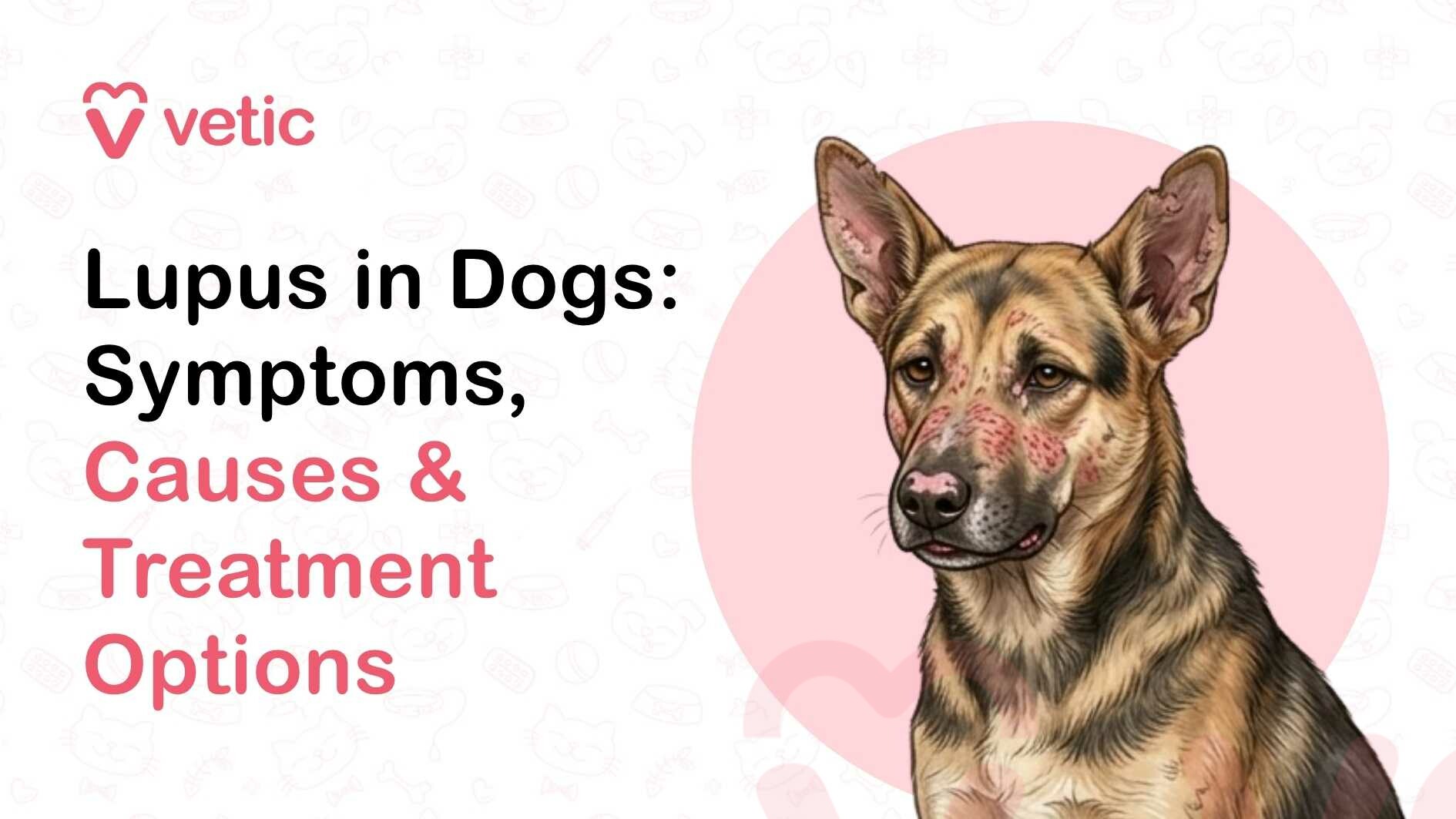
Lupus in dogs is a complex and often misunderstood condition. While not very common, it can significantly affect a dog’s comfort, mobility, and overall quality of life if left unrecognised. However, with early diagnosis, appropriate treatment, and long-term management, many dogs with lupus can live comfortable, meaningful lives.
This blog explains what lupus in dogs is, how it affects the immune system, the emergency signs pet parents should watch for, how veterinarians diagnose it, and the treatment and care strategies that help dogs manage this lifelong condition.
What Is Lupus in Dogs and How Does It Affect Your Dog’s Immune System
Lupus is an autoimmune disease, meaning the immune system loses its ability to distinguish between foreign invaders and healthy body tissues. Instead of protecting the body, it begins attacking it.
Overview of Autoimmune Diseases in Dogs
In a healthy dog, the immune system:
- Recognises bacteria, viruses, and parasites as threats
- Leaves normal tissues alone
In autoimmune disease:
- The immune system becomes dysregulated
- The immune response is misdirected against the body’s own proteins and tissues
In dogs, autoimmune diseases may affect:
- Skin
- Joints
- Blood cells
- Kidneys
- Muscles
- Nervous system
Lupus is one of the more complex autoimmune conditions because it can affect multiple body systems at once.
Suggested Read: Normal Body Temperature of Dogs and Signs of Fever in Dogs
Differences Between Systemic Lupus Erythematosus (SLE) and Discoid Lupus Erythematosus (DLE)
There are two main forms of lupus seen in dogs:
Systemic Lupus Erythematosus (SLE)
- The more serious and widespread form
- Can affect joints, kidneys, blood cells, skin, heart, and nervous system
- Symptoms often fluctuate, with periods of flare-ups and remission
Discoid Lupus Erythematosus (DLE)
Discoid lupus erythematosus (DLE), sometimes called “collie nose.”
- Considered a milder, skin-limited form
- Primarily affects the nose, lips, face, and sometimes the ears
- Does not usually involve internal organs
Understanding which form a dog has is essential, as treatment intensity and long-term outlook differ.
How Lupus Triggers Inflammation and Tissue Damage
In lupus:
- Immune complexes form and deposit in tissues
- Inflammatory chemicals are released
- Normal repair mechanisms become overwhelmed
Over time, this ongoing inflammation can lead to pain, tissue breakdown, organ dysfunction, and recurring symptoms.
Common Signs and Symptoms of Lupus in Dogs That Pet Parents Should Watch For
Lupus does not look the same in every dog. Symptoms of lupus in dogs may appear gradually, come and go, or worsen suddenly during flare-ups.
Skin and Coat Changes, Including Rashes and Hair Loss
Skin involvement is common, especially in canine discoid lupus erythematosus:
- Hair loss around the nose, eyes, or ears
- Redness, sores, ulcers, or scabbing
- Loss of normal nose pigment (often turning pink or pale)
- Crusting or cracking of the nasal planum
Sun exposure often makes skin symptoms worse.
Joint Pain, Stiffness, and Lameness
Many dogs with lupus show signs similar to arthritis:
- Limping that shifts from one leg to another
- Stiffness after rest
- Reluctance to climb stairs or exercise
- Swollen or painful joints
Unlike typical arthritis, lupus-related joint pain may come and go. This joint pain in dogs is caused by immune-mediated inflammation rather than wear-and-tear alone.
Fever, Fatigue, and Lethargy
SLE lupus in dogs often causes:
- Recurrent or unexplained fevers
- Low energy levels
- Reduced interest in play or walks
- General weakness
These signs may be subtle at first, but often worsen during flare-ups.
Kidney or Organ Involvement in Advanced Cases
In SLE lupus in dogs, immune damage may affect internal organs:
- Kidney inflammation leading to increased thirst or urination
- Protein loss in urine
- Weight loss or poor appetite
- In severe cases, organ failure
Organ involvement significantly worsens the prognosis and requires close monitoring.
Behavioural Changes and Reduced Activity
Chronic pain and fatigue can lead to:
- Irritability or withdrawal
- Changes in sleep patterns
- Reduced tolerance for handling
Behavioural changes are often overlooked but can be early indicators of discomfort.
Suggested Read: Lethargy in Dogs: Symptoms, Causes, and Treatment
What Causes Lupus in Dogs: Genetic, Environmental, and Immune System Factors
There is no single cause of lupus disease in dogs. It develops due to a combination of risk factors.
Genetic Predisposition in Certain Dog Breeds
Some breeds appear more susceptible, including:
- German Shepherds
- Irish Setters
- Shetland Sheepdogs
- Rough Collies
- Poodles
- Afghan Hounds
- Beagles
Genetics may influence how the immune system regulates itself.
Environmental Triggers Such as Sunlight and Stress
External factors can trigger or worsen lupus symptoms in dogs:
- Ultraviolet (UV) light exposure
- Physical or emotional stress
- Hormonal changes
Dogs with DLE are especially sensitive to sunlight.
How Immune Dysregulation Leads to Autoimmunity
In lupus:
- Immune tolerance breaks down
- The body produces autoantibodies
- Normal inflammatory controls fail
Why this happens is still not fully understood.
Role of Medications or Infections in Triggering Symptoms
Certain medications or infections do not directly “cause” lupus but may play a role in triggering immune responses or worsening symptoms in susceptible dogs. In some cases, they can also mimic lupus-like signs, making diagnosis more challenging.
These factors may:
- Stimulate immune system activity in predisposed dogs
- Lead to symptoms that resemble lupus (such as joint pain or skin lesions)
- Contribute to flare-ups in dogs already diagnosed with lupus
Consult a dog doctor to review recent medications and medical history when diagnosing lupus.
Diagnosing Lupus in Dogs: How Veterinarians Identify Canine Lupus
Because lupus disease in dogs mimics many other diseases, diagnosis often takes time and multiple tests.
Physical Examination and Symptom Evaluation
Veterinarians assess:
- Skin lesions and distribution
- Joint pain or swelling
- Fever patterns
- Weight loss
- Overall health history
Blood Tests, Including Complete Blood Count and ANA Test
Common findings in blood tests may include:
- Anaemia or low platelet counts
- Elevated inflammatory markers
- Positive antinuclear antibody (ANA) test in many SLE cases
No single blood test confirms lupus on its own.
Urinalysis to Check Kidney Involvement
Urine tests help detect:
- Protein loss
- Early kidney inflammation
- Changes that require urgent treatment
Biopsies for Skin Lesions in DLE Cases
Skin biopsies can:
- Confirm discoid lupus
- Rule out infections or cancers
- Guide treatment choices
Imaging Studies for Internal Organ Assessment
X-rays or ultrasound may be used to evaluate:
- Joint damage
- Organ enlargement
- Fluid accumulation
Book imaging tests at the nearest dog diagnostics to rule out other conditions.
Treatment Options for Dogs With Lupus
There is no cure for canine lupus. But treatment aims to control symptoms and prevent flare-ups.
Medications: Corticosteroids, Immunosuppressants, and Pain Relief
Common medications include:
- Corticosteroids to suppress immune activity
- Immunosuppressive drugs for severe cases
- Pain relief for joint discomfort
Dosages are adjusted carefully to balance benefits and side effects.
Topical Treatments for Skin Lesions in DLE
Skin-focused therapy may involve:
- Medicated creams or ointments
- Topical antibiotics for secondary infections
- Sun-protective measures
Lifestyle Modifications, Including Sun Protection and Diet
Supportive care plays a big role:
- Limiting sun exposure
- Using protective clothing or shade
- Feeding a balanced, anti-inflammatory diet, if recommended
Monitoring and Managing Flare-Ups
Canine lupus often follows a cycle:
- Periods of stability
- Sudden symptom flare-ups
Early intervention helps shorten flare duration and reduce severity.
When Hospitalisation or Advanced Care Is Necessary
Severe cases of lupus may require:
- IV fluids
- Blood transfusions
- Intensive monitoring
Recovery and Long-Term Management for Dogs Diagnosed With Lupus
Lupus is usually a lifelong condition. But many dogs do well with proper care.
Home Care Tips to Improve Comfort and Quality of Life
Long-term success depends on:
- Consistent medication schedules
- Regular veterinary checkups
- Stress reduction
- Monitoring for new or worsening symptoms
Can Lupus in Dogs Be Prevented or Minimised Through Early Detection
Lupus in dogs cannot be fully prevented, but:
- Early diagnosis reduces complications
- Prompt treatment limits organ damage
- Avoiding known triggers helps reduce flare-ups
Awareness is the most powerful tool pet parents have.
Final Takeaway: About Lupus in Dogs
Lupus in dogs is a serious but manageable autoimmune condition. While systemic lupus erythematosus can be life-threatening if untreated, early diagnosis and proper medical management significantly improve outcomes. Discoid lupus, though primarily affecting the skin, still requires consistent care to prevent discomfort and complications.
If your dog develops unexplained lameness, recurring fever, persistent skin lesions, or unusual fatigue, consult your veterinarian promptly. Early intervention may prevent long-term organ damage and greatly enhance your dog’s quality of life.
With attentive care, regular monitoring, and veterinary partnership, many dogs with lupus continue to enjoy happy, active lives.
Frequently Asked Questions: About Canine Lupus
Is lupus contagious to other pets or humans?
No. Canine lupus is an autoimmune disease and is not contagious. It cannot spread between animals or from pets to humans.
How long can a dog live with lupus?
Life expectancy depends on the type of lupus (SLE vs DLE), organ involvement, treatment response, and early diagnosis. Dogs with DLE often live normal lifespans. SLE prognosis varies, but many dogs live several years with proper management.
Can lupus be cured, or only managed?
There is no cure for lupus in dogs. Treatment focuses on controlling immune activity, reducing inflammation, and preventing organ damage. Some dogs enter remission but remain at risk for future flare-ups.
What is the cost of treating lupus in dogs?
Costs vary based on severity and location. But it may also include diagnostic testing, long-term medications, routine blood monitoring, and emergency care (if needed). Initial diagnosis may cost several hundred to over a thousand dollars. Ongoing monthly medication and monitoring costs can range widely.
Are there lifestyle adjustments needed for dogs with lupus?
Yes. Sun avoidance, stress management, medication compliance, joint support, hydration, and regular vet visits are essential parts of care. Consistency and observation are key.
References
Brooks, W. (2026). Discoid Lupus Erythematosus (DLE) in Dogs. Vin.com. https://veterinarypartner.vin.com/doc/?id=4952581&pid=19239
French, S. (2026). Autoimmune Disease with Oral Components. Vin.com. https://www.vin.com/apputil/content/defaultadv1.aspx?id=3843713&pid=8708
Lundgren, B. (2017). Systemic Lupus Erythematosus (SLE) in Dogs. VIN.com. https://veterinarypartner.vin.com/default.aspx?pid=19239&id=4952585
Shull, R. M., Miller , H. A., & Chilina, A. R. (n.d.). Investigation of the nature and specificity of antinuclear antibody in dogs. https://avmajournals.avma.org/view/journals/ajvr/44/11/ajvr.1983.44.11.2004.xml Tizard, I. R. (n.d.). Disorders Involving Immune Complexes (Type III Reactions) in Dogs. MSD Veterinary Manual. https://www.msdvetmanual.com/dog-owners/immune-disorders-of-dogs/disorders-involving-immune-complexes-type-iii-reactions-in-dogs