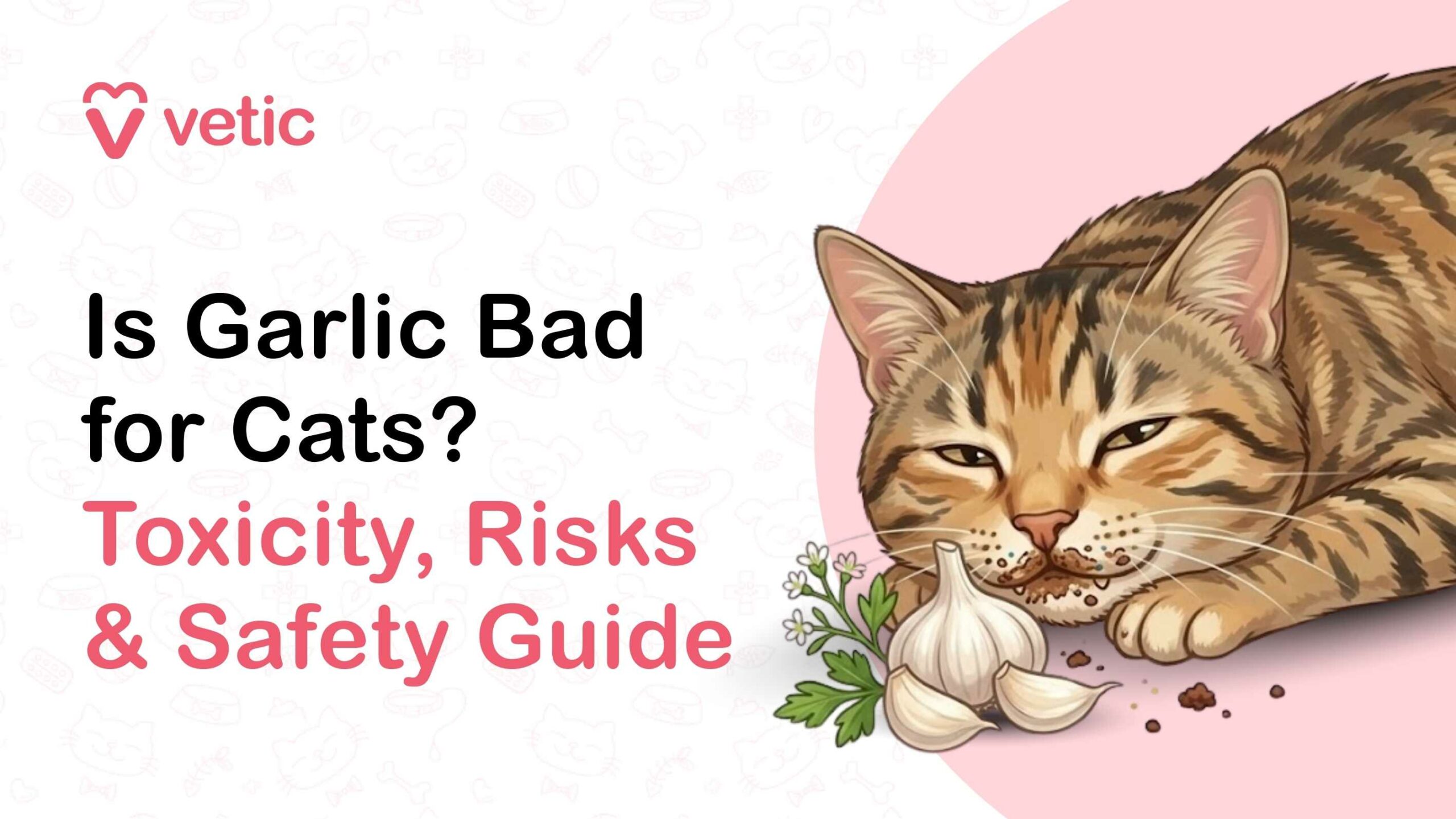
If you’re asking if garlic is bad for cats, the answer is yes, garlic is considered harmful for cats and should be kept out of their diet. Even when a cat seems to tolerate a tiny lick of food that contains garlic, the risk isn’t “zero,” because garlic can damage red blood cells and trigger a type of anaemia that may not show up immediately.
For pet parents, the most practical rule is simple: treat garlic like a toxin, not a seasoning.
Why Garlic Is Considered Toxic for Cats and How It Affects Their Health
Garlic belongs to the Allium family (along with onions, leeks, chives, and shallots). In cats, Allium exposure is linked to oxidative damage that weakens and destroys red blood cells, potentially leading to Heinz body haemolytic anaemia and other complications.
Compounds in garlic that damage red blood cells
Garlic contains organosulfur compounds that can become reactive oxidants after the plant is crushed/chopped/chewed, and processed in the gut. These oxidants can overwhelm a cat’s red blood cell defence systems, causing oxidative injury to haemoglobin and the red cell membrane.
A key result of this oxidative injury is Heinz body formation, i.e. little “inclusion bodies” made of damaged, denatured haemoglobin. Heinz bodies, along with eccentrocytes (another oxidative red cell change), are important clues veterinarians use to recognise oxidative toxicity, including toxicity from garlic and other Allium plants.
Suggested Read: Veterinarian Recommended Cat Food Across Life Stages: Newborn, Kitten, Adult and More
Acute vs chronic garlic ingestion risks
Garlic exposure can be acute (a single larger accidental ingestion, such as a clove or a mouthful of garlicky food) or chronic (small, repeated exposures, such as tastes of leftovers, broths, or foods seasoned with garlic).
In both situations, the red blood cell injury may not look dramatic right away. Heinz bodies and methemoglobin changes can begin within about 24 hours, but noticeable anaemia and weakness may take several days to appear (often around 3–5 days after exposure). This “delay” is part of what makes garlic so risky; cats can look fine initially, even while damage is developing.
Why even small amounts can be harmful over time
Cats are among the most susceptible companion animal species to Allium toxicity. Garlic is also repeatedly described as more potent than onion (often estimated at roughly 3–5 times more toxic), meaning smaller amounts may carry greater risk than pet parents expect.
On top of that, concentrated forms like powders, granules, dehydrated flakes, or seasoning mixes are commonly associated with toxicosis because they can deliver a high “dose” of toxic compounds in a small volume. So even if a cat only gets “a little bit” each time, repeated exposure can add up and keep oxidative stress on red blood cells high enough to cause clinically important anaemia.
How Much Garlic Is Dangerous for Cats? Safe Limits and Risk Factors
Because individual sensitivity and product concentration vary, veterinarians generally do not recommend trying to find a “safe” threshold at home. Many pet-focused veterinary references emphasise that garlic is not safe for cats and that even small amounts can be harmful.
Toxic doses by cat weight and garlic form
Dose matters, and body weight matters. Smaller cats can reach risky exposure levels faster. For an average 4.5 — 5.4 kg cat, a single clove (about 4–7 g) could approach potentially harmful exposure levels for an average 4–5 kg cat, depending on the cat’s sensitivity and the garlic’s concentration.
Differences between raw, cooked, powdered, or processed garlic
A common myth is that “cooking makes garlic safe.” Veterinary toxicology references disagree: Allium toxicity can occur with raw or cooked products, and cooking/drying/processing does not reliably eliminate the toxic effect.
In fact, processing may increase practical risk because it can concentrate garlic (powders, granules, seasoning blends). These concentrated forms are frequently implicated in pet exposures and may cause significant toxicity from relatively small ingestions.
Individual sensitivity: why some cats react worse than others
Not every cat reacts the same way, and several factors can increase the risk. Cats, as a species, are particularly sensitive to oxidative damage from Allium compounds like garlic because their red blood cells are more vulnerable than those of many other animals. This means even relatively small amounts can cause harm.
A cat’s overall health also plays a role. Conditions that already stress the body can make red blood cells more prone to damage, which is why veterinarians recommend early evaluation instead of waiting for symptoms to worsen at home. Individual sensitivity may vary, but the safest approach for all cats, regardless of breed or health status, is complete avoidance of garlic.
Suggested Read: What Fruits and Vegetables Can Cats Safely Eat?
Recognising Symptoms of Garlic Poisoning in Cats Before It Becomes Severe
Garlic poisoning may start with stomach upset and later progress to anaemia as red blood cells become damaged.
Early signs: drooling, vomiting, diarrhoea, reduced appetite, and abdominal discomfort.
More serious signs include lethargy, pale or yellow gums, rapid breathing or heart rate, weakness, collapse, and red or brown urine.
Symptoms may appear within 24 hours of a large ingestion but often develop several days later, so a cat that seems “fine” initially does not rule out risk.
What to Do If Your Cat Ate Garlic: Immediate Steps and Veterinary Advice
If your cat has eaten garlic:
- Remove access to any remaining food immediately.
- Identify the form and amount (clove, minced, powder, seasoning in food) and estimate how much was consumed.
- Keep packaging or ingredient labels to show your veterinarian.
- Contact your veterinarian or an emergency clinic promptly, especially if garlic powder or an unknown quantity was involved. Do not wait for symptoms.
- Do not attempt home remedies or induce vomiting unless specifically instructed by a veterinarian.
Veterinary care may include decontamination (if recent ingestion), activated charcoal in some cases, IV fluids, oxygen support, and close monitoring. Severe anaemia may require a blood transfusion.
Can Cats Eat Foods Cooked With Garlic, and Are There Hidden Risks in Human Foods?
Many exposures occur indirectly, when cats lick plates, sneak bites from unattended food, or are given “just a small taste” of a human meal. Pet parents often wonder whether cats seek out garlic on their own. While many cats are deterred by strong odours, curiosity or attraction to meat-based gravies and sauces can still result in accidental ingestion, especially when garlic is mixed into something flavorful.
Garlic in sauces, soups, or baked goods
Foods “cooked with garlic” are still risky, because cooking doesn’t reliably remove Allium toxicity. Sauces, soups, curries, stir-fries, and roasted dishes may contain garlic in amounts that are hard to estimate once mixed, and even small amounts may be harmful in cats.
Packaged foods containing garlic powder
Garlic powder and seasoning blends are common hidden risks because they are highly concentrated and more likely to cause toxicity. Many packaged foods, such as instant soups, spice mixes, flavoured snacks, marinades, stock cubes, and some ready-to-eat meals, may contain garlic powder. They should be kept away from cats.
How to read labels to protect your cat
When checking labels, look for:
- “Garlic”, “garlic powder”, “garlic salt”, “dehydrated garlic”, “granulated garlic”
- Mixed terms like “seasoning”, “spice blend”, or “flavouring” where garlic may be part of the mix (if unclear, assume it may contain Allium and avoid sharing)
If you’re ever unsure, the safest approach is to feed only cat food and cat-formulated treats, rather than sharing human food.
Long-Term Effects of Garlic Ingestion in Cats and How to Prevent Them
Chronic exposure and anaemia
Repeated small exposures can keep oxidative stress on red blood cells high and may contribute to ongoing or worsening anaemia over time. Veterinary toxicology descriptions note that Allium toxicosis may follow a single large ingestion or repeated smaller ingestions.
When haemolysis becomes significant, it can also stress the kidneys, potentially contributing to secondary kidney injury after haemolysis.
Safe diet planning to avoid accidental garlic ingestion
Because cats are obligate carnivores and rely on nutrients found in animal products, there is no nutritional need to add garlic (or any seasoning) to a cat’s diet.
To reduce accidental exposure:
- Keep prep scraps (skins, crushed cloves) and dishes out of reach.
- Secure bins, especially after cooking.
- Avoid feeding table scraps, gravies, broth “sips,” or leftover meat that was cooked with garlic/onion.
Using cat-safe herbs instead of garlic for flavouring
Some common herbs, such as basil, rosemary, and thyme, are listed as non-toxic to cats. However, “non-toxic” does not mean beneficial, and large amounts of any plant material can still cause stomach upset. Even plants that cats are attracted to, like catnip, may trigger vomiting or diarrhoea if overconsumed.
Frequently Asked Questions About Garlic and Cats
Can cats eat garlic occasionally without harm?
No. Even in small amounts, garlic can be harmful, with serious outcomes possible if exposure is significant.
Is garlic powder less dangerous than raw garlic for cats?
Garlic powder is generally considered more concerning, not less, because it’s concentrated; small amounts can represent a large amount of garlic. This is one reason seasoned foods and packaged foods are such common “hidden” exposure sources.
My cat ate garlic, but she seems fine: what should I do?
If your cat ate garlic and seems fine, don’t assume everything is okay because symptoms can be delayed for several days. Contact your veterinarian promptly, explain what was consumed, and follow their guidance. Do not attempt home remedies or induce vomiting unless specifically instructed by a veterinarian.
Can garlic affect kittens, pregnant cats, or senior cats differently?
A major practical difference is body weight: kittens and smaller cats can reach higher mg/kg exposure levels faster, even from tiny amounts. Beyond dose, any cat in a vulnerable physiological state (very young, older, or already unwell) has less margin for complications if anaemia develops.
Are there any health benefits of garlic for cats at very low doses?
Despite popular internet claims, pet-focused veterinary guidance does not recommend garlic for cats, and it’s not considered a safe “supplement.” Since cats are obligate carnivores and meet nutritional needs through complete and balanced cat diets, there is no dietary requirement for garlic, and the toxicity risk outweighs any theorised benefit.
References
Hayes, C. (2024). Garlic and onion (Allium spp) toxicosis in animals. In MSD Veterinary Manual. https://www.msdvetmanual.com/toxicology/food-hazards/garlic-and-onion-allium-spp-toxicosis-in-animals
Cope, R. B. (2005). Toxicology brief: Allium species poisoning in dogs and cats. dvm360. https://www.dvm360.com/view/toxicology-brief-allium-species-poisoning-dogs-and-cats
Cortinovis, C., & Caloni, F. (2016). Household food items toxic to dogs and cats. Frontiers in Veterinary Science, 3, 26. https://doi.org/10.3389/fvets.2016.00026
PDSA. (n.d.). Onion and garlic poisoning in cats. https://www.pdsa.org.uk/pet-help-and-advice/pet-health-hub/other-veterinary-advice/onion-and-garlic-poisoning-in-cats