
Food-related health issues in dogs are becoming more visible as dog parents pay closer attention to what goes into their pet’s bowl. One such concern is gluten allergy in dogs. Though not very common, gluten-related problems can cause long-term discomfort if ignored.
This blog explains gluten allergies in dogs in a clear, practical way, so pet parents can understand when gluten is actually a problem and when it is not.
Is Gluten Harmful for Dogs? Brief Overview
Gluten is a group of proteins mainly found in wheat, barley, rye, and some forms of oats. In commercial dog food, gluten usually comes from ingredients like wheat flour, wheat gluten meal, barley, or brewer’s yeast. These ingredients are often added as binding agents or carbohydrate sources.
Dogs do not require gluten for nutrition. Their bodies are designed to digest animal-based proteins and fats efficiently. However, most dogs can digest gluten without any issue. Problems arise only when a dog’s immune system or digestive tract reacts abnormally to gluten-containing ingredients.
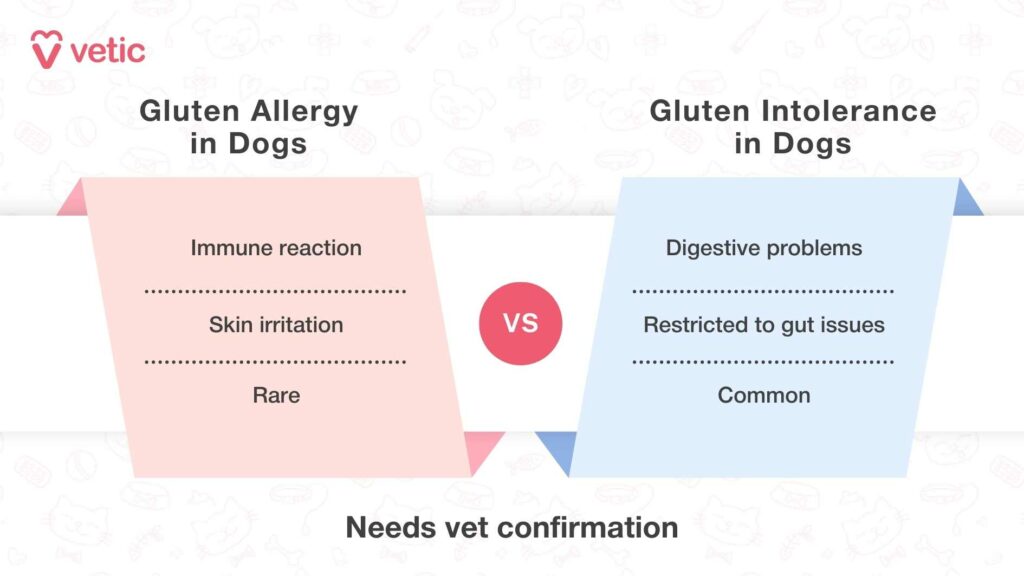
What is Gluten Sensitivity in Dogs? Gluten Allergy vs Intolerance Explained
Many dog parents use gluten “allergy” and “intolerance” as the same term, but medically, they are different. Understanding this difference is important before making any dietary changes.
How Gluten Affects a Dog’s Immune System vs Digestion
Gluten Allergy: Wheat allergies in dogs involve the immune system. When a dog with a gluten allergy consumes gluten, the immune system mistakenly treats it as a harmful substance. This triggers inflammation, skin issues, ear infections, or gastrointestinal wheat allergy symptoms in dogs.
Gluten Intolerance: Gluten intolerance, on the other hand, does not involve the immune system. It is mainly a digestive issue in which the dog’s gut struggles to properly break down gluten. This leads to symptoms like loose stools, gas, or bloating, but without severe immune reactions.
Why Gluten Sensitivities Are Rare in Dogs: Key Insights
Compared to protein allergies (such as chicken or dairy), gluten sensitivity is rare in dogs. Most cases reported are breed-specific (e.g., Irish Setters, German Shepherds and Retrievers) or linked to inherited digestive disorders. In many situations, dog gluten allergy symptoms blamed on gluten are actually caused by poor-quality grains, additives, or an overall imbalance in the diet.

What are the Root Causes of Gluten Allergies in Dogs: What You Should Know?
The exact cause of gluten allergy in dogs is not fully known, but certain factors are observed:
- Genetic predisposition, especially in specific breeds
- Repeated exposure to low-quality wheat-based dog food
- An abnormal immune response, where the dog’s immune system overreacts to dietary proteins like gluten
- Underlying gut inflammation makes the intestine more reactive
In rare cases, long-term intestinal damage due to gluten can affect nutrient absorption, leading to weight loss and coat problems.
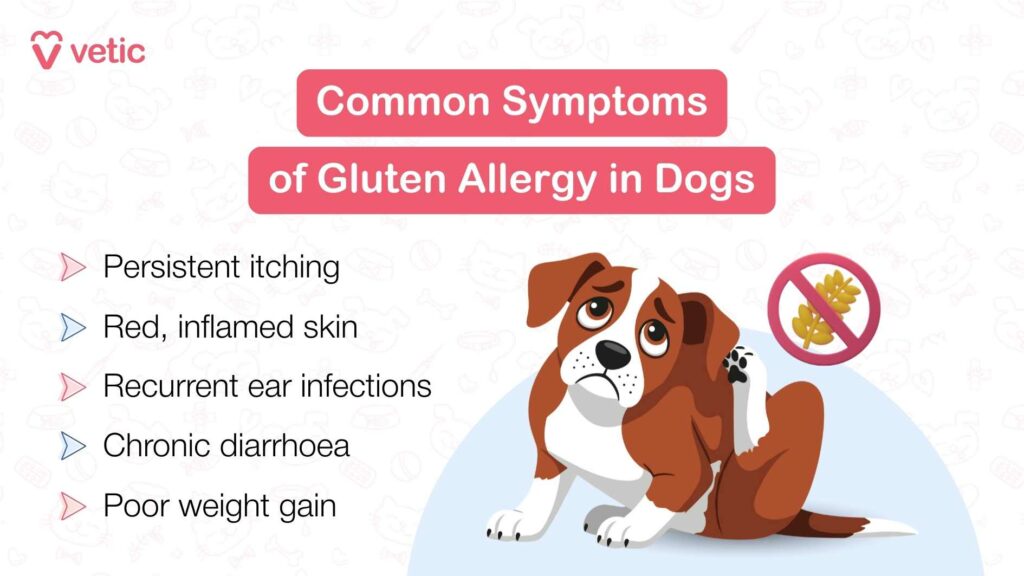
What are the Symptoms of Gluten Allergy in Dogs?
Gluten allergy symptoms in dogs often appear slowly and may worsen over time. Common signs of dog gluten allergy include:
- Persistent itching without fleas
- Red, inflamed skin, especially around paws and ears
- Recurrent ear infections
- Hair thinning or patchy hair loss
- Chronic diarrhoea or soft stools
- Vomiting after meals
- Poor weight gain despite normal eating
These symptoms do not confirm wheat allergies in dogs on their own. They overlap with many other food-related conditions.
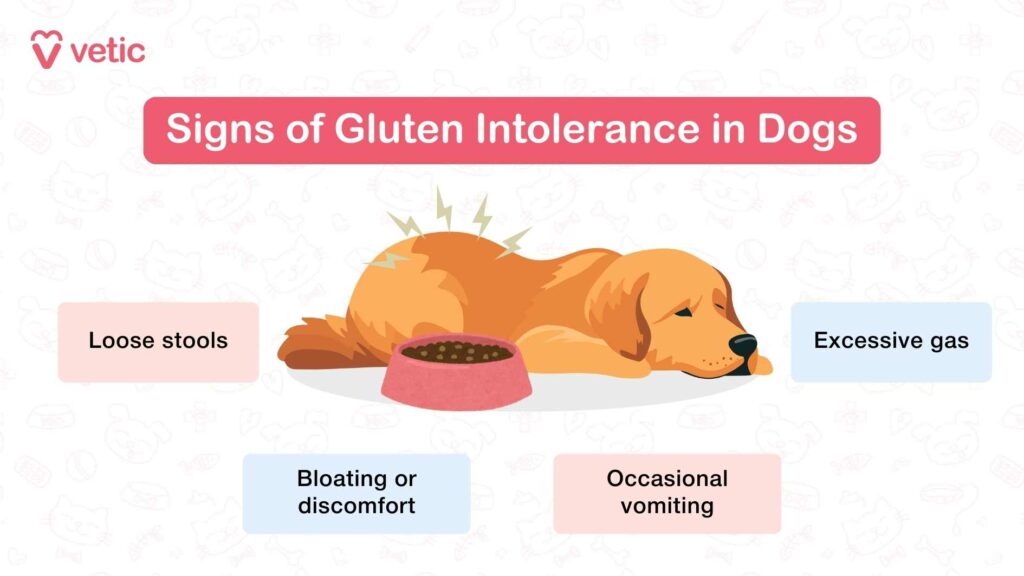
What are the Symptoms of Gluten Intolerance in Dogs: What to Look For?
Dogs with gluten intolerance mainly show digestive symptoms, such as:
- Frequent loose motions
- Excessive gas and flatulence
- Abdominal discomfort
- Reduced appetite
- Occasional vomiting
Skin issues are usually mild or absent in intolerance cases. Apart from these signs of gluten intolerance in dogs, the dog may otherwise appear healthy and active.
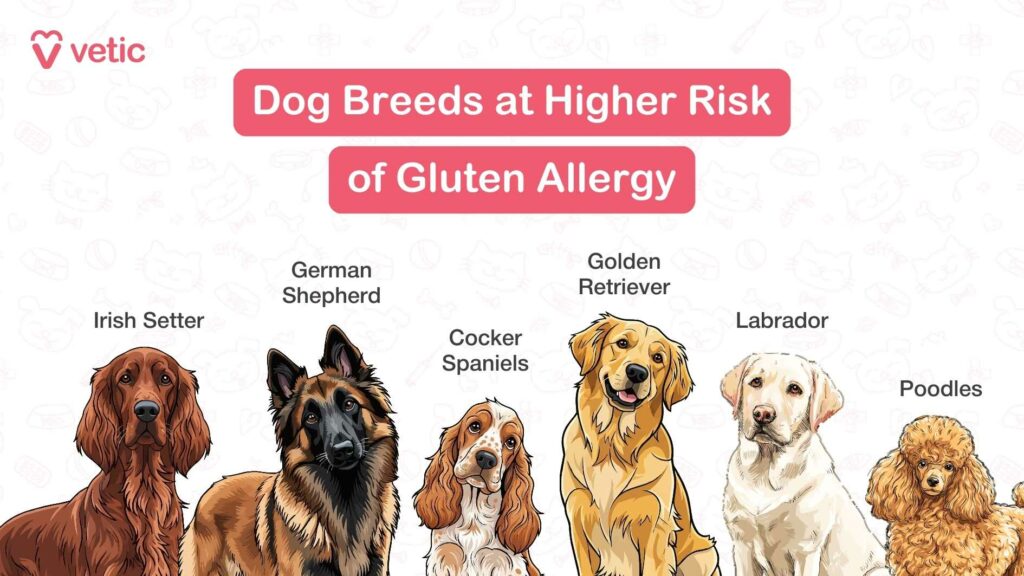
Which Dog Breeds Are Prone to Gluten Sensitivity and Allergy?
Some breeds are known to have a higher risk of gluten-related disorders:
- Irish Setter – strongly linked to inherited gluten-sensitive enteropathy
- German Shepherd – sensitive digestive system in general
For these breeds, early dietary management is often advised under veterinary supervision.

Which Foods to Avoid for Dogs with Gluten Sensitivities? A Complete Guide
If gluten sensitivity or allergy is confirmed, the following ingredients should be strictly avoided:
- Wheat and wheat by-products
- Barley
- Rye
- Brewer’s yeast
- Semolina
- Couscous
- Malt
- Commercial treats using wheat flour
Always check ingredient labels carefully, as gluten may appear under different names.

What is a Gluten-Free Diet for Dogs? Safe and Nutritious Alternatives
A gluten-free diet does not mean grain-free by default. Safe carbohydrate alternatives include:
- Rice (white or brown)
- Sweet potato
- Potato
- Millet
- Quinoa
Protein sources like chicken, fish, lamb, and eggs are naturally gluten-free. The diet must remain balanced, with proper vitamins and minerals. Sudden food changes should be avoided to prevent digestive upset.
Celiac Disease vs. Gluten Intolerance: Is there a difference?
Celiac disease, as seen in humans, is extremely rare in dogs. While some dogs show gluten-sensitive enteropathy, it is not the same condition. Dogs do not typically develop the same autoimmune intestinal damage pattern seen in human celiac disease. Most canine cases fall under gluten intolerance or breed-linked sensitivity.
How to Manage Gluten Allergies in Dogs? Tips for Long-Term Health
Effective management depends on accuracy. Key steps include:
- Veterinary diagnosis using elimination diet trials
- Avoiding self-diagnosis based on internet trends
- Feeding consistent, high-quality gluten-free food
- Monitoring stool quality, skin condition, and weight
- Regular follow-ups to ensure nutritional balance
Once gluten is removed, most dogs show steady improvement.
Overall, gluten allergy in dogs is uncommon but real. Accurate diagnosis, careful food selection, and professional guidance make all the difference in managing the condition and maintaining long-term health.
PSA on Grain-Free Diet in Dogs
Gluten-free does not automatically mean grain-free. Grain-free diets have become popular, but research shows they may carry potential health risks for dogs, particularly an association with canine dilated cardiomyopathy (a serious heart condition) when diets are high in legumes or potatoes without balanced nutrients.
A peer-review published in Animals noted that grain-free dog foods may be linked to dilated cardiomyopathy in dogs if not formulated properly.
Before choosing a grain-free diet, consult your veterinarian to ensure the food meets your dog’s nutritional needs and does not compromise long-term health.
Frequently Asked Questions About Gluten Sensitivities in Dogs
What Are the Early Warning Signs of Gluten Allergies in Dogs?
Early signs usually include chronic itching, recurring ear infections, and soft stools lasting more than a few weeks.
Is Gluten Intolerance More Common Than Gluten Allergy in Dogs?
Yes. Digestive intolerance is more common than true immune-based gluten allergy.
Can Dogs Fully Recover from Gluten Allergy After Switching to a Gluten-Free Diet?
Most dogs show clear improvement within weeks of switching to a gluten-free diet, provided gluten was the actual trigger.
Which Foods Should I Completely Avoid for Gluten-Sensitive Dogs?
All wheat-based foods, barley, rye, and processed treats containing gluten must be avoided. Read the labels closely for such ingredients if you are offering your dog packaged food or treats.
How Soon Can You See Improvement After Switching to a Gluten-Free Diet?
Digestive symptoms of gluten intolerance in dogs may improve within 2-3 weeks, while skin issues can take up to 6-8 weeks to settle fully. Some may require veterinary assistance since repeated scratching can lead to skin barrier damage and infections from dermatitis.