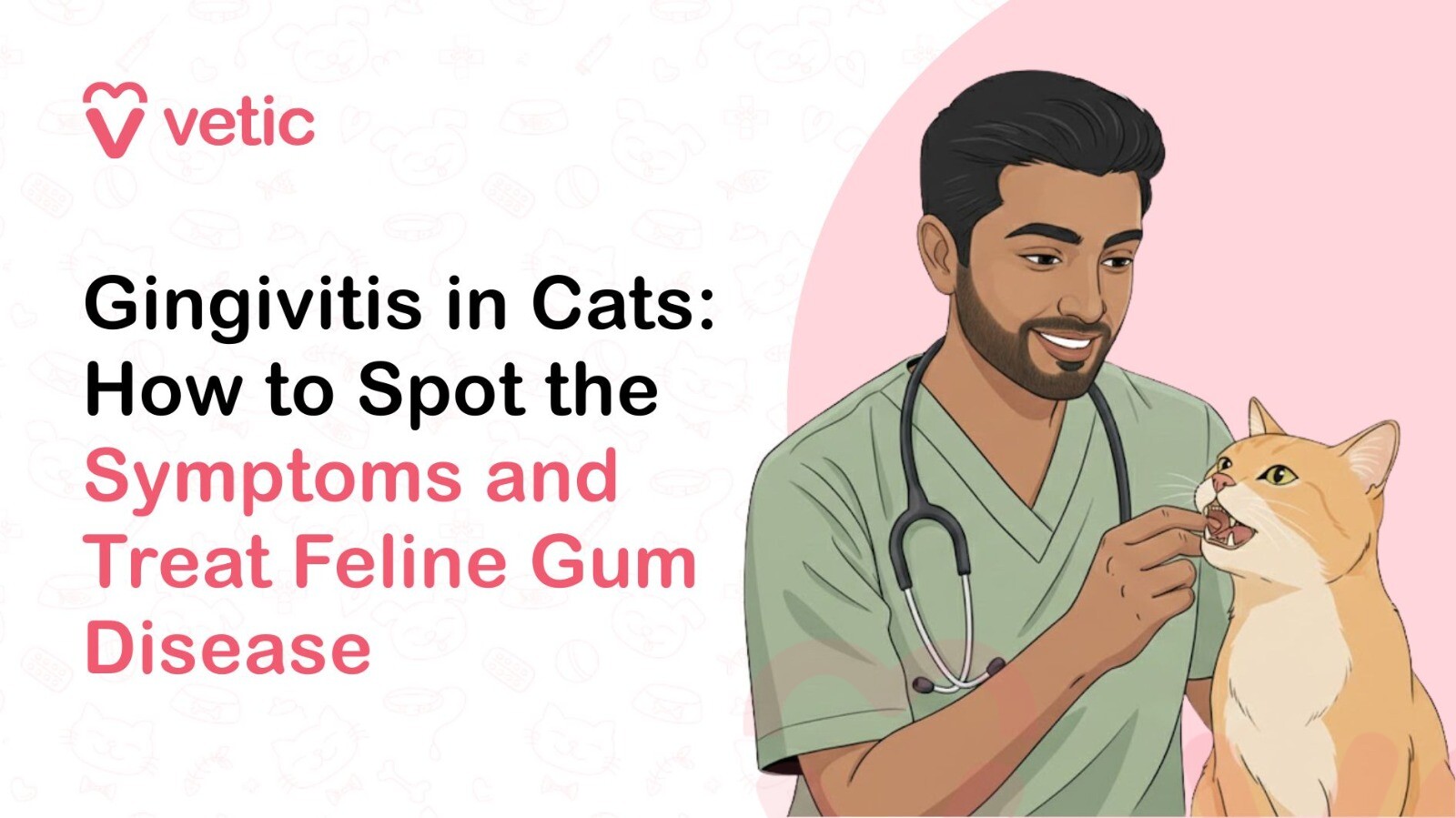
For pet parents, dealing with gingivitis in cats can be worrying. This common condition – essentially a form of cat gum disease causes inflammation of the gums and discomfort for your feline friend. Understanding cats and gum disease is important so you can spot problems early.
What is Gingivitis in Cats?
Gingivitis is an inflammation of the gingiva (gums) in cats. In simple terms, it means the gums around the teeth become red, swollen, and sore. It usually starts when sticky plaque buildup forms on the teeth and along the gum line. Plaque harbors bacteria that irritate the gums, leading to redness and swelling.
Over time, plaque can harden into tartar, further irritating the gums and allowing more bacteria to grow. Gingivitis is an early form of cat gum disease. In fact, it’s considered the first stage of periodontal disease in cats.
What are the Causes of Gingivitis in Cats?
The primary cause of gingivitis in cats is the accumulation of plaque and tartar on the teeth. When plaque (a film of bacteria and food debris) isn’t regularly cleaned away, it builds up and irritates the gums, triggering inflammation.
However, multiple factors can contribute to a cat’s development of gingivitis. Some key causes and risk factors include:
- Poor dental hygiene: No brushing means plaque and tartar build up quickly.
- Diet: Soft food tends to leave more residue than dry food.
- Tooth crowding: Especially in flat-faced breeds like Persians, which trap more plaque.
- Age: Older cats accumulate more plaque over time.
- Health issues: Diseases such as FIV, FeLV, calicivirus, diabetes, and kidney disease increase the risk.
- Genetics & immune response: Some cats naturally react more severely to oral bacteria.
What are the Main Symptoms of Gingivitis in Cats?
Recognizing the signs of gingivitis early can spare your cat a lot of pain. The condition starts with subtle symptoms that can become more obvious as it worsens. Here are some common cat gingivitis symptoms to watch for:
- Red, inflamed gums
- Bleeding or sensitivity
- Bad breath (halitosis)
- Drooling
- Difficulty eating or chewing
- Pawing at the mouth or face
- Less grooming or play
- Weight loss or poor appetite
The Connection Between Gingivitis and Periodontal Disease in Cats
Gingivitis is the early, reversible stage of periodontal disease, characterized by inflammation of the gums. If left untreated, it can progress to periodontitis, which is a deeper, irreversible infection that damages the tooth’s support structures, such as ligaments and bone. This can lead to gum recession, loose teeth, or tooth loss.
Preventing gingivitis is critical not just for dental health but also for overall health, as severe infections may affect organs such as the heart and kidneys.
Is Gingivitis in Cats Painful?
Yes, gingivitis can be painful for cats. Inflamed gums make chewing uncomfortable, and the soreness may persist even when they’re not eating.
Cats rarely show obvious pain, so signs are subtle, like chewing on one side, avoiding hard food, drooling, or becoming irritable. Even if they’re still eating, they could be coping with discomfort.
Are Certain Breeds More Likely to Suffer From Gingivitis?
Some breeds are more prone to gingivitis due to genetic and jaw-shape factors. Flat-faced cats like Persians, Himalayans, and Exotic Shorthairs often have crowded teeth, which can make plaque buildup more likely. However, any cat, purebred or not, can develop gum disease without proper dental care. If your cat is a high-risk breed, be extra consistent with brushing and checkups.
How to Treat Gingivitis in Cats
Vet dental exam along with professional cleaning (usually first step):
- Your vet may recommend PAC and anesthesia for a complete oral exam and a professional cleaning aka dental prophylaxis.
- Plaque and tartar are removed, including under the gumline, and the teeth are polished to slow future buildup.
- This targets the root cause: plaque and bacteria.
What improves after cleaning:
- Gum inflammation often settles once plaque is gone.
- Vets may also flush the gums with an antibacterial solution during the procedure.
If teeth are badly affected:
- Loose, infected, or chronically inflamed teeth may need extraction.
- It sounds drastic, but in severe cases, it can significantly improve comfort and quality of life.
Medications (supportive, not a standalone cure):
- Antibiotics are prescribed when there is a bacterial infection or abscess present. They help control infection but will not cure gingivitis unless plaque and tartar are properly removed from the teeth.
- Pain relief and anti-inflammatory medications are used to reduce gum swelling and keep your cat comfortable while the mouth heals.
- Dental antiseptics, such as chlorhexidine gels or rinses, are used to reduce harmful bacteria in the mouth and soothe inflamed gums.
Treat underlying causes when present:
- If a viral infection such as calicivirus or a medical condition such as diabetes is contributing to gum inflammation, that condition must be managed alongside dental treatment for proper recovery.
Home care after treatment (to prevent relapse):
- After professional treatment, your veterinarian will guide you on daily or regular tooth brushing, suitable dental chews or diets, and the use of oral rinses or gels to maintain gum health.
- Gingivitis is often reversible when professional dental care is combined with consistent home care and regular follow-up.
If your cat develops extreme pain or facial swelling during treatment, visit emergency pet care near you promptly.
Is Gingivitis in Cats Contagious?
No, you don’t have to worry about your cat “catching” gingivitis from another cat – gingivitis in cats is not contagious between pets. Gingivitis is an inflammatory response to plaque on that individual cat’s teeth. If one of your cats has gum disease, it doesn’t mean the other cats will get it from them. Here, it is important to note that certain viral infections like calicivirus, FIV, or FeLV can predispose cats to gingival inflammation. These viral infections can be contagious also.
Also, if one cat in a multi-cat household has poor dental health, the others might too, simply because they may have had a similar diet, lifestyle and lack of dental care. The factors that lead to gingivitis (like plaque buildup) can affect all cats in the same environment. So, it’s wise to have all your cats’ teeth checked if one has problems. This isn’t due to contagion, but instead shared lifestyle.
How to Treat Gingivitis in Cats at Home
Treating gingivitis at home revolves around improving oral hygiene and reducing inflammation. If your cat has been diagnosed with gingivitis (especially a mild case), or after a professional dental cleaning, here are steps you can take at home to help:
- Brush regularly with cat-safe toothpaste and a soft brush or finger brush. Go slow and gentle, start with a few times a week.
- Adjust the diet by adding dry food or dental treats if your cat tolerates them, to reduce plaque buildup.
- Offer dental chews or toys that encourage safe chewing for mechanical cleaning.
- Use vet-approved water additives or chlorhexidine rinses to reduce bacteria.
- Wipe teeth/gums with dental wipes or damp gauze if brushing isn’t possible.
- Keep your cat hydrated to support natural oral cleansing.
Maintaining Your Cat’s Oral Health
Prevention is better than cure, especially for dental disease. Maintaining your cat’s oral health means making dental care a routine part of your pet parenting. Here are key strategies:
- Regular Brushing
- Routine Veterinary Check-ups
- Diet and Chew Aids
- Watch for Warning Signs
- Consistent Oral Care
Regular pet consultations near you help keep your cat’s gums healthy and prevent disease.
Maintaining Optimal Cat Dental Health Through Diet and Care
1. Diet matters:
- Soft-only diets can leave more residue on teeth.
- Crunchy kibble and dental diets provide mild abrasive cleaning while chewing.
- Dental diets may contain additives (e.g., sodium polyphosphate) that reduce tartar formation.
- Diet supports oral health but does not replace brushing.
2. Choose treats wisely:
- Sticky or sugary treats can increase plaque buildup.
- Prefer vet-recommended dental treat options.
3. Hydration helps oral health:
- Good water intake supports saliva flow and the activity of natural oral enzymes.
- Water fountains may encourage cats to drink more.
4. Regular dental checks:
- Briefly check gums and teeth for bad breath, redness, growths, or broken teeth.
- Use positive reinforcement to make checks stress-free.
Key takeaway:
- Combine a balanced diet, dental chews, hydration, and routine oral hygiene—diet helps, but brushing remains essential.
Special Considerations for Different Cats
Every cat is unique, and age, health status, or other factors might affect how we approach gingivitis and dental care:
- Kittens & Young Cats: Some develop juvenile gingivitis (5–12 months) due to an overactive immune response. Breeds like Siamese, Maine Coons, and Bengals may be more prone.
- Adult Cats (1–6 years): Prevention is key. Regular brushing and occasional cleanings can stop disease before it starts.
- Senior Cats (7+ years): Age and other conditions (like chronic kidney disease or diabetes) raise risk. They may need more frequent cleanings or extractions.
- Cats with Immune Issues: FIV, FeLV, or calicivirus can worsen gum inflammation. These cats often need more intensive dental care.
- Multi-Cat Households: Consider a shared dental diet if required. Dental health varies between cats. Some may need more frequent cleanings, even with the same diet. Are There Any Studies Into Gingivitis in Cats?
Yes, veterinarians and researchers have studied gingivitis and dental disease in cats quite a bit (after all, it’s one of the most common issues cats face). Here are a few insights from studies:
Prevalence Studies:
Research shows that gingivitis is extremely common. A 2024 study in Mexico found gingival inflammation in about one-third of the pet cats they examined, and noted that gingivitis can reach very high prevalence as cats age – affecting up to 70% of young adult cats (~2 years old) and as many as 85% of cats older than 6 years. In other words, most cats will experience gum disease in their lifetime without intervention.
Another large-scale study in the UK (VetCompass study, 2019) found periodontal disease was the most frequently diagnosed health problem in cats, with an annual diagnosis rate of about 15% (likely an underestimate as not all cases are recorded). This study identified age as a major factor: cats aged 9-12 years were 6.7 times more likely to have periodontal disease than cats under 3 years old.
Progression and Risk Factors:
Studies have examined how gingivitis progresses if left untreated. The general finding is that it can progress quite quickly in some cats. The Mexico study followed cats for 6 months and found that gingivitis can lead to noticeable tooth loss, even in that short time, in susceptible cats. They found that young male cats were slightly more prone to gingivitis, while females tended to have more tooth loss. Non-neutered cats also had more dental issues in that study, suggesting that hormones or behaviors (such as less grooming or a different diet) might influence dental health.
When to Look for Experts
Knowing when to involve your vet is key to preventing mild gum inflammation from becoming serious dental disease. Gingivitis often progresses quietly, so early action makes a big difference in your cat’s comfort and long-term health. Here’s when you should reach out to your veterinarian:
- At early signs: Red gums, bad breath, or visible discomfort while eating are clear signals to book a dental exam.
- Changes in behavior or appetite: If your cat starts dropping food, prefers soft textures, cries when yawning, or avoids head touches, don’t ignore it; these are signs of oral pain.
- After diagnosis: Always attend recommended follow-up visits. Your vet may need to monitor healing, adjust treatment, or schedule another cleaning.
- Lack of improvement: If home care, such as brushing, isn’t helping and gums still look inflamed, a deeper issue may be present that requires professional treatment.
- Annual preventive checks: Even in the absence of symptoms, your cat’s mouth should be examined at least once a year as part of routine care.
Early evaluation at a pet clinic near you can prevent gingivitis from progressing into severe gum disease.
Frequently Asked Questions
What causes gingivitis in cats?
Gingivitis in cats is primarily caused by plaque build-up on the teeth and gums. Over time, plaque hardens into tartar, which further irritates the gums.
Aside from plaque, factors such as poor dental hygiene, a diet of mainly soft food, and certain illnesses (such as FIV, FeLV, or diabetes) can predispose a cat to gingivitis.
What causes gingivostomatitis in cats?
Gingivostomatitis is a severe form of oral inflammation in cats, and it’s thought to be caused by an overreaction of the cat’s immune system to oral plaque and bacteria. In many cases, cats with gingivostomatitis have underlying viral infections (such as feline calicivirus, FIV, or FeLV) that may trigger this abnormal immune response.
Can a cat recover from gingivitis?
Yes, a cat can absolutely recover from gingivitis in most cases. Gingivitis is reversible with proper care. The recovery process usually involves a thorough dental cleaning to remove plaque and tartar, followed by maintaining good oral hygiene afterward.
Does dry food cause gingivitis in cats?
No, dry food by itself does not cause gingivitis in cats. Gingivitis is caused by plaque bacteria, which can come from any food residue, wet or dry. Feeding only dry food does not guarantee a cat won’t get gingivitis; many cats on kibble diets still develop dental disease.
How early can cats get gingivitis?
Cats can get gingivitis at a relatively young age – sometimes even as kittens. Some cats develop a mild form of juvenile gingivitis when they are around 5 to 9 months old. This often coincides with the eruption of adult teeth.
References:
Bellows, J. (2020). Small animal dental equipment, materials, and techniques: A primer. Wiley Blackwell. https://books.google.co.in/books?hl=en&lr=&id=xOSRDwAAQBAJ&oi=fnd&pg=PR17&dq=Bellows,+J.+(2020).+Small+animal+dental+equipment,+materials,+and+techniques:+A+primer.+Wiley+Blackwell.&ots=AcA6OMuSxq&sig=C1UqynpcsWYv0ZPh5l1AXZV0FDc#v=onepage&q&f=false
Cornell University College of Veterinary Medicine. (n.d.). Periodontal disease. Retrieved from https://www.vet.cornell.edu/departments-centers-and-institutes/cornell-feline-health-center/health-information/feline-health-topics/feline-dental-disease
VCA Animal Hospitals. (n.d.). Dental disease in cats. Retrieved from https://vcahospitals.com/know-your-pet/dental-disease-in-cats
International Society of Feline Medicine (ISFM). (2019). Feline dental health guidelines. Retrieved from https://icatcare.org
O’Neill, D. G., et al. (2019). Epidemiology of periodontal disease in cats attending primary-care veterinary practices in England: Prevalence, risk factors, and associated disorders. Veterinary Record, 184(4), 123. https://doi.org/10.1136/vr.105040Vázquez-Sánchez, M., et al. (2024). Prevalence and severity of gingivitis in domestic cats: A clinical study in a Mexican population. Journal of Feline Oral Health, 12(1), 22–30. https://pmc.ncbi.nlm.nih.gov/articles/PMC10978086/