Overview
Feline hepatic lipidosis is one of the most common and serious liver disorders seen in cats. It develops rapidly, often following a period of reduced or absent food intake. Feline hepatic lipidosis can become life-threatening if not treated promptly.
The good news is that with early diagnosis, aggressive nutritional support, and proper medical care, many cats can recover fully.
This article explains what hepatic lipidosis is, why it occurs, how to recognise early warning signs, available treatment options, and how vet-recommended cat food plays a central role in recovery and prevention.
What Is Hepatic Lipidosis in Cats?
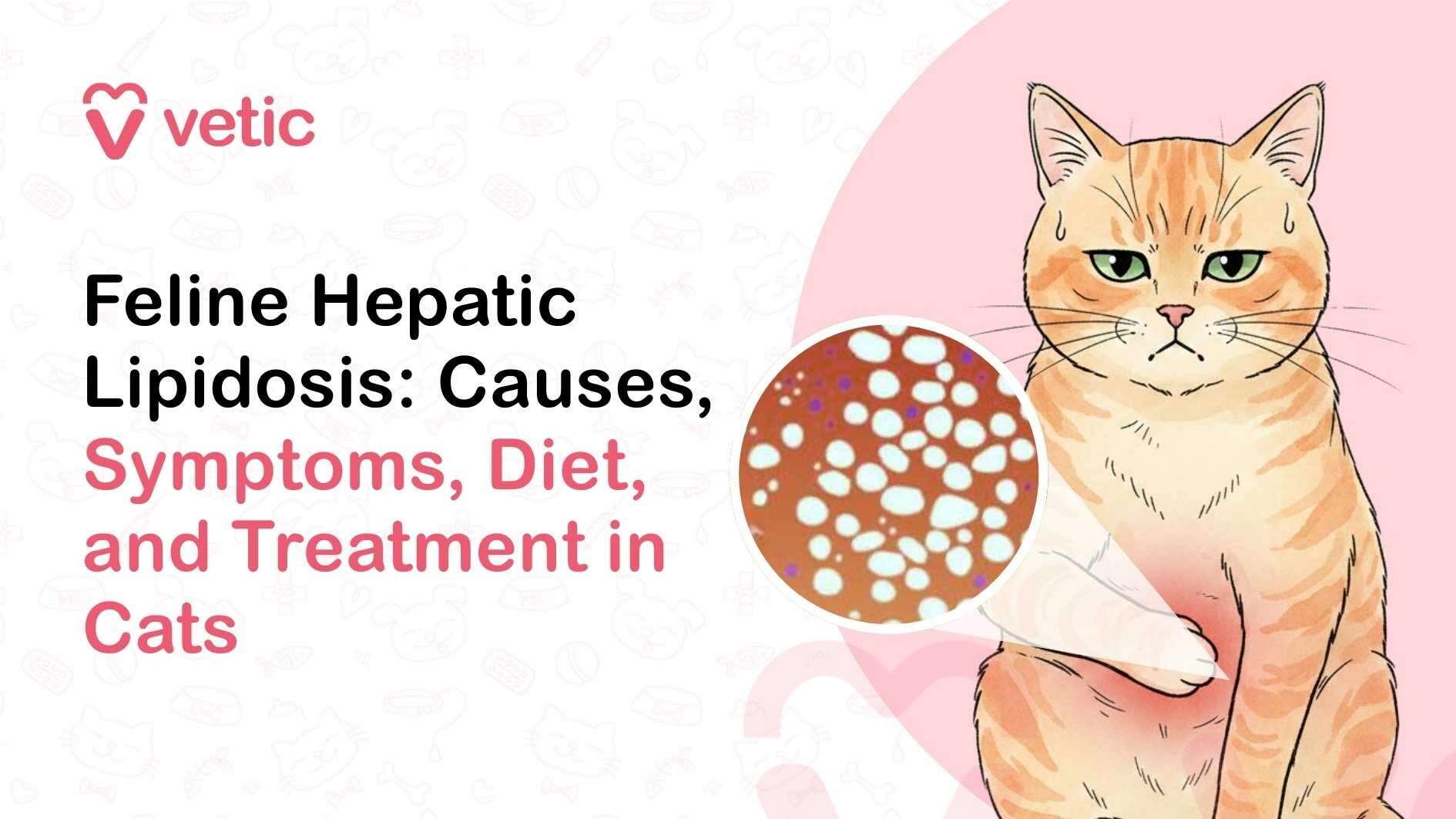
Hepatic lipidosis is a metabolic liver disorder in which excessive fat accumulates inside liver cells (hepatocytes). This fat infiltration interferes with normal liver function, including detoxification, bile production, and nutrient metabolism.
Cats are uniquely susceptible to this condition because their bodies process fat differently during periods of fasting or stress. When a cat stops eating, the body rapidly mobilises fat as an energy source. The feline liver, however, has limited capacity to process large amounts of fat efficiently. It leads to fat overload and liver dysfunction.
Is Hepatic Lipidosis the Same as Fatty Liver Disease in Cats?
Yes. Hepatic lipidosis and fatty liver disease in cats refer to the same condition. “Hepatic lipidosis” is the medical term, while “fatty liver disease” is the commonly used descriptive name. Both describe abnormal fat accumulation within the liver that disrupts its normal function.
How Common Is Hepatic Lipidosis in Cats?
Hepatic lipidosis is the most common liver disease in cats. It can affect cats of any age or breed. But it is especially common in middle-aged (median age 7 years) and older cats. Overweight cats are at particularly high risk. But the condition can also develop in cats of normal body weight if they stop eating for several days.
Is Hepatic Lipidosis Life-Threatening for Cats?
Yes. Hepatic lipidosis is a medical emergency. Without hepatic lipidosis treatment in cats, progressive liver failure can develop. It can lead to electrolyte imbalances, bleeding disorders, neurological signs, and death.
However, when treated early and aggressively, especially with nutritional support, the prognosis improves significantly.
What Causes Hepatic Lipidosis in Cats?
The primary trigger for hepatic lipidosis is prolonged anorexia (not eating), usually lasting several days. In many cases, hepatic lipidosis is secondary to another underlying problem that causes appetite loss.
Common initiating causes of hepatic lipidosis in cats include:
- Stressful events (moving house, new pets, boarding, accidental confinement, loss of family members)
- Sudden diet changes
- Underlying illnesses (kidney disease, pancreatitis, diabetes)
- Dental pain
- Gastrointestinal disease
- Inflammatory or infectious conditions
In some cats, no apparent underlying cause is identified. This is referred to as idiopathic hepatic lipidosis.
Risk Factors for Hepatic Lipidosis in Cats
Several factors increase a cat’s susceptibility:
- Obesity or recent rapid weight loss
- Prolonged fasting (even 3-5 days)
- Stress-prone or anxious temperament
- Multi-cat household competition
- Chronic illnesses
- Recent surgery or hospitalisation
Cats are metabolically different from dogs and humans and do not tolerate fasting well.
Early Signs of Hepatic Lipidosis in Cats
Early signs of feline hepatic lipidosis are often subtle and easily missed:
- Reduced appetite or selective eating
- Weight loss
- Lethargy
- Hiding or reduced interaction
- Mild vomiting
At this stage, intervention can prevent progression to severe disease.
Cat not eating? Get 24-hour cat emergency care now!
Common Symptoms of Hepatic Lipidosis in Cats
As the condition progresses, signs become more obvious:
- Complete refusal to eat
- Rapid weight loss
- Marked lethargy
- Drooling or nausea
- Vomiting
- Constipation or diarrhoea
Cat refusing food or losing weight rapidly? Get the best cat consultation now!
Advanced Symptoms of Fatty Liver Disease in Cats
In advanced cases, liver failure signs may appear:
- Jaundice (yellowing of gums, eyes, or skin)
- Neurological signs (disorientation, head pressing)
- Weakness or collapse
- Bleeding tendencies
- Dehydration
Cats showing these signs require immediate veterinary care.
Suggested Read: Pancreatitis in Cats
How Is Hepatic Lipidosis Diagnosed in Cats?
Diagnosis is based on:
- History of prolonged anorexia
- Physical examination (weight loss, jaundice)
- Blood tests showing elevated liver enzymes and bilirubin
- Ultrasound showing an enlarged, fatty liver
- Liver cytology or biopsy (in some cases)
Diagnosis often also includes ruling out underlying diseases that may have triggered appetite loss.
Suspect fatty liver in your cat? Get a prompt check-up at the most affordable cat diagnostics!
Conditions That Mimic Hepatic Lipidosis
Several diseases can present with similar signs:
- Cholangitis or cholangiohepatitis (infection of the bile ducts)
- Pancreatitis
- Intestinal lymphoma (a type of cancer)
- Diabetes mellitus
- Toxin exposure
- Severe inflammatory bowel disease
Accurate diagnosis is essential to guide hepatic lipidosis treatment in cats.
Is Hepatic Lipidosis Treatable in Cats?
Yes. Feline hepatic lipidosis is treatable, but success depends heavily on early intervention and consistent nutritional support. Treatment is usually intensive and prolonged.
Treatment Options for Hepatic Lipidosis in Cats
Hepatic lipidosis treatment in cats typically includes:
- Fluid and electrolyte correction
- Anti-nausea medications
- Appetite stimulants (supportive, not primary)
- Vitamin supplementation (especially B-complex)
- Treatment of the underlying disease
Hospitalisation is often required initially.
Nutritional Management for Hepatic Lipidosis in Cats
Nutrition is the most critical component of recovery. Most cats with hepatic lipidosis will not eat voluntarily and require assisted feeding.
The aim is to meet the full caloric needs of 50-60 kcal/kg of body weight per day, introduced gradually and adjusted as needed.
Because consistent intake is critical, feeding tubes are commonly used.
- Nasoesophageal tube (short-term)
- Oesophagostomy tube
- Gastrostomy tube
Tube feeding allows adequate calories and protein without stressing the cat.
Diet for Cats With Hepatic Lipidosis
The ideal diet for feline hepatic lipidosis is vet-recommended:
- High in protein
- Energy-dense
- Easily digestible
- Balanced with essential vitamins and minerals
Commercial cat food formulated for recovery or critical care is commonly used because it provides consistent, complete nutrition. Feeding is started gradually and increased over several days to avoid complications.
Suggested Read: Diarrhoea in Cats
Recovery Timeline for Hepatic Lipidosis in Cats
Recovery is slow and requires patience:
- Appetite may take weeks to return
- Tube feeding often continues for 4-8 weeks
- Liver enzymes may take months to normalise
Strict adherence to the feeding plan is essential.
Prognosis for Cats With Fatty Liver Disease
With early diagnosis and proper nutritional therapy, survival rates are high, often 70-90%. Prognosis worsens if the diagnosis is delayed or if a severe underlying disease is present.
How to Prevent Hepatic Lipidosis in Cats
Prevention of feline hepatic lipidosis focuses on avoiding prolonged fasting:
- Monitor appetite closely
- Address stressors early
- Avoid sudden diet changes
- Manage weight safely
- Seek veterinary advice if a cat stops eating for more than 24-48 hours.
Conclusion
Feline hepatic lipidosis is a serious but treatable condition. Early recognition of appetite changes and prompt veterinary intervention can mean the difference between recovery and life-threatening liver failure. Nutrition is the cornerstone of treatment. Commitment to long-term care is essential for success.
FAQs: About Hepatic Lipidosis in Cats
How long can a cat go without eating before fatty liver develops?
Fatty liver disease can begin to develop in as little as 3-5 days of reduced or absent food intake, especially in overweight cats.
Is hepatic lipidosis painful for cats?
The condition itself is not directly painful. But nausea, weakness, and complications from liver failure can cause significant discomfort.
Can cats recover without a feeding tube?
Some cats recover with assisted hand-feeding. But most require a feeding tube to safely and consistently meet nutritional needs.
What is the survival rate for cats with hepatic lipidosis?
With early and aggressive treatment, survival rates can reach 70-90%.
Can fatty liver disease come back in cats?
Yes, recurrence is possible if the underlying cause is not addressed or if the cat stops eating again.
When should I take my cat to the vet if they aren’t eating?
If a cat eats little or nothing for 24-48 hours, veterinary evaluation is strongly recommended.
References:
Allen M. Schoen, M. S. (2015). Feline Hepatic Lipidosis: Therapeutic Considerations. VIN.com. https://www.vin.com/apputil/content/defaultadv1.aspx?pId=11343&meta=generic&catId=34572&id=5124420&ind=183&objTypeID=17
MSD Manual. (n.d.). Feline Hepatic Lipidosis – Digestive System. MSD Veterinary Manual. https://www.msdvetmanual.com/digestive-system/hepatic-diseases-of-small-animals/feline-hepatic-lipidosis Webb, C. B. (2018). Hepatic lipidosis: Clinical review drawn from collective effort. Journal of Feline Medicine and Surgery, 20(3), 217-227. https://doi.org/10.1177/1098612×18758591