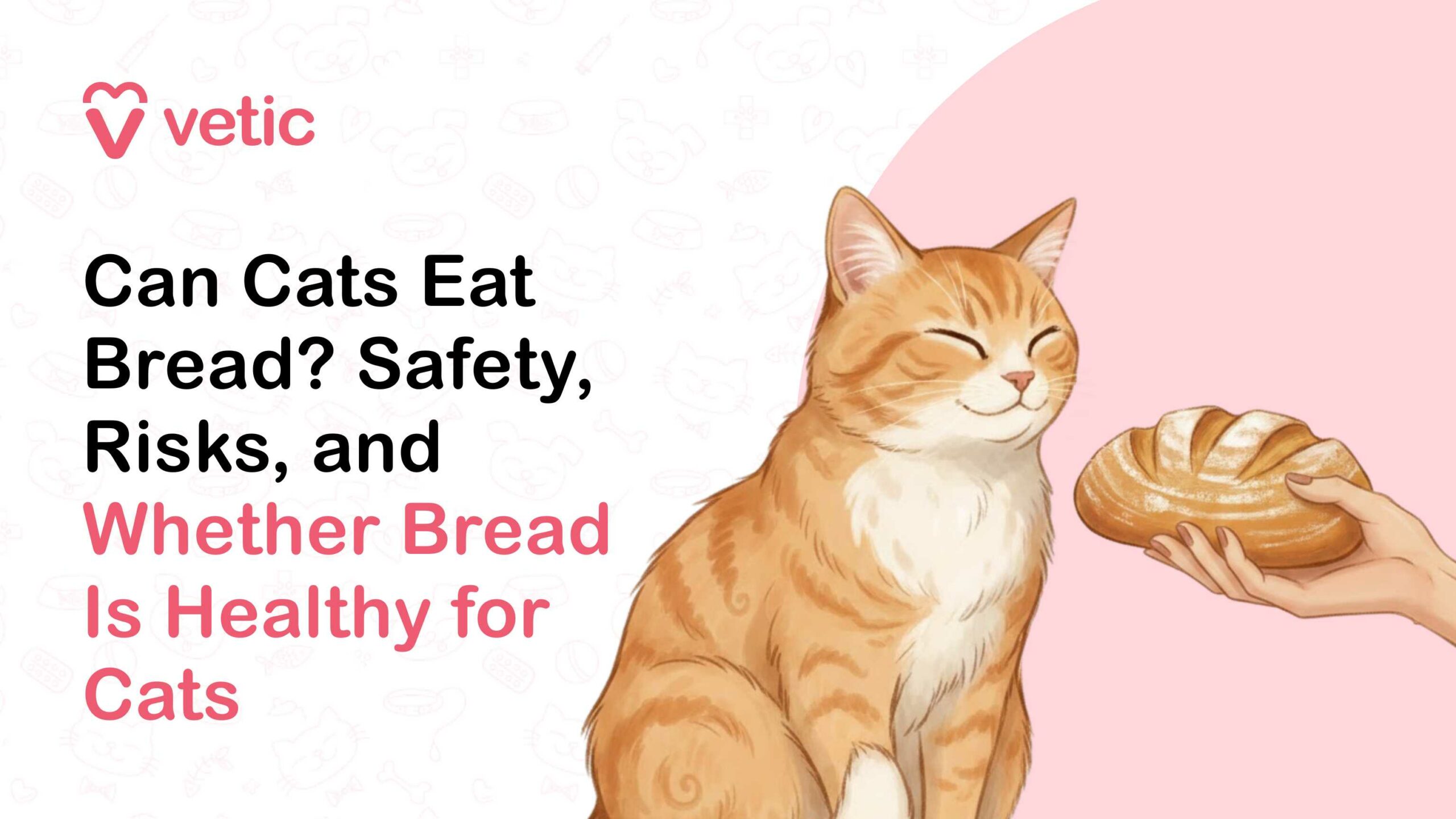
Many cat parents wonder whether sharing small amounts of human food, like bread, is safe for their pets. Because bread is a common household item, cats may become curious and try to taste it. While plain bread is not toxic, it is not nutritionally appropriate for cats. It should never be used as a substitute for vet-recommended cat food formulated for all life stages. It can pose risks depending on the type, quantity, and frequency of consumption.
This blog explains whether cats can eat bread safely, which types of bread are dangerous, the risks associated with bread dough, how much is too much, and what to do if your cat eats bread accidentally.
Is Bread Safe for Cats?
Plain, fully baked bread is not toxic to cats, but that does not mean it is healthy or beneficial. Cats are obligate carnivores. It means their bodies are designed to obtain nutrition primarily from animal protein and fat. Bread provides carbohydrates with minimal nutritional value for cats. Thus, it does not meet any essential dietary requirements.
In healthy adult cats, a tiny piece of plain bread eaten occasionally is unlikely to cause harm. However, bread should never be considered a treat, supplement, or regular food item for cats.
Different Types of Bread: Are They Safe for Cats?
Not all breads are equal in terms of safety. Many commonly consumed breads contain ingredients that are unsafe or harmful for cats.
Banana Bread for Cats
Banana bread often contains sugar, butter, and sometimes nuts or chocolate. These ingredients can upset a cat’s digestion and add unnecessary calories. Thus, banana bread is not good for cats.
Garlic Bread for Cats
Garlic is toxic to cats, even in small amounts. Garlic bread should never be given to cats, as it can damage red blood cells and lead to anaemia.
White Bread for Cats
Plain white bread contains refined flour, yeast, and water. It is not toxic once baked. But it offers no nutritional benefit and may contribute to weight gain in cats if fed repeatedly.
Wheat Bread for Cats
Whole wheat bread contains more fibre than white bread. But cats do not require dietary fibre from grains. Wheat may also trigger digestive upset or sensitivity in some cats.
Pumpkin Bread for Cats
Pumpkin itself is generally safe for cats in small amounts. But pumpkin bread usually contains sugar, spices (like nutmeg), and fats. Thus, feeding pumpkin bread to cats can be harmful due to additives.
Hawaiian Bread for Cats
Hawaiian bread is sweet and often contains sugar, honey, milk, or pineapple juice. Its sweetness and soft texture may appeal to cats. But it significantly increases the risk of digestive upset and obesity in cats.
Corn Bread for Cats
Cornbread often includes sugar, milk, and butter. Corn is not toxic to cats. But cornbread is calorie-dense and nutritionally inappropriate.
Can Cats Eat Bread Dough? Understanding the Risks
Raw bread dough is dangerous and potentially life-threatening for cats. Unbaked dough contains active yeast, which continues to ferment in the warm, moist environment of a cat’s stomach. This can cause:
- Rapid stomach expansion, leading to pain, bloat or gastric torsion
- Alcohol production from fermentation, which can result in alcohol poisoning
This can lead to:
- Severe abdominal bloating and pain
- Alcohol toxicity
- Vomiting and disorientation
- Life-threatening stomach expansion
So, cats should not eat raw bread dough. Accidental ingestion requires urgent veterinary care.
Potential Health Risks of Feeding Bread to Cats
Feeding bread to cats, especially repeatedly or in larger amounts, can lead to several health concerns.
- First, bread is high in carbohydrates, which cats are not metabolically designed to process efficiently. Over time, this can contribute to weight gain and obesity.
- Second, bread can cause digestive upset, including vomiting, diarrhoea, gas, or constipation. This is particularly true in cats with sensitive stomachs.
- Third, flavoured or enriched breads may contain toxic ingredients such as garlic, onion, raisins, xylitol, chocolate, or artificial sweeteners.
- Finally, feeding bread to cats can encourage picky eating behaviour. It makes them less interested in balanced, nutritionally complete cat food.
Suggested Read: Managing Stress in Cats, Is My Cat in Stress or Sick?
How Much Bread Is Too Much for Cats? Guidelines for Safe Feeding
There is no recommended serving size of bread for cats because it is not a suitable cat food. If bread is consumed accidentally, the amount should be no more than a crumb-sized piece, rarely.
Bread should never:
- Replace a meal
- Be used as a regular treat
- Be fed daily or weekly
If a cat repeatedly seeks bread, this may indicate boredom, curiosity, or learned behaviour rather than nutritional need.
For concerns about inappropriate eating behaviour, visit our cat consultation.
What to Do If Your Cat Ate Bread Accidentally
If your cat eats a small amount of plain, baked bread:
- Check the ingredients for toxic additives
- Observe for vomiting, diarrhoea, or lethargy
- Ensure access to fresh water
- Resume normal feeding with regular cat food
If the bread contains toxic substances for cats, contact your veterinarian immediately, even if no symptoms are visible yet.
Signs of Digestive Issues After Eating Bread in Cats
Monitor your cat for:
- Vomiting (either shortly after eating or several hours later)
- Diarrhea or constipation
- Excessive gas or bloating
- Abdominal discomfort (this may appear as restlessness, vocalising, hiding, or reluctance to be touched)
- Loss of appetite
- Lethargy
Symptoms may appear within a few hours of bread consumption. Persistent or worsening signs require veterinary evaluation at an affordable cat diagnostic clinic near you.
Bread Alternatives: Other Safe Human Foods for Cats
If you wish to offer occasional human food under veterinary guidance, safer options (in tiny amounts) exist. These may include foods that are high in protein, low in carbohydrates, and free from seasonings or additives. Some safe options are:
- Plain cooked chicken (boneless, no salt or seasoning)
- Plain cooked fish (boneless, unseasoned)
- Small amounts of scrambled or boiled eggs
- Plain pumpkin purée (small amounts)
- Plain cooked squash or zucchini
- Small quantities of plain yoghurt or cottage cheese
- Commercial cat treats designed for feline nutrition
Protein-based snacks align with a cat’s natural dietary needs. Even these should be occasional and not habitual, as complete cat food should remain the primary diet.
Suggested Read: Mycoplasma in Cats
Key Takeaways on Feeding Bread to Cats Safely
Bread is not toxic but is nutritionally inappropriate for cats. Many types of bread contain harmful ingredients, and raw dough is especially dangerous. However, cats can eat bread occasionally, as it is unlikely to cause harm, but regular feeding increases health risks without offering benefits. Cats thrive best on diets specifically formulated for their unique nutritional needs.
Frequently Asked Questions: About Cats Eating Bread
Can kittens eat bread safely?
No. Kittens cannot eat bread. This is because they have sensitive digestive systems and higher nutritional needs.
Can cats eat gluten-free bread?
Gluten-free bread for cats is not necessarily safer. It may still contain sugar, fats, or additives unsuitable for cats.
Is whole wheat bread better than white bread for cats?
No. While whole wheat may benefit humans, cats don’t gain extra nutrition from it. They may even experience digestive sensitivity.
Can bread cause weight gain or obesity in cats?
Yes. Bread adds unnecessary calories and carbohydrates. It increases the risk of obesity over time, especially in indoor or sedentary cats.
How often is it safe to give bread to a cat?
At most, once every few months, and only in a tiny piece. Bread should never be a routine treat.
References
Cortinovis, C., & Caloni, F. (2016). Household food items toxic to dogs and cats. Frontiers in Veterinary Science, 3, 26. https://pmc.ncbi.nlm.nih.gov/articles/PMC4801869/#ref-list1 Riley, E. (n.d.). Yeast Dough Dangers in Pets. Veterinary Partner. https://veterinarypartner.vin.com/default.aspx?pid=19239&catId=254076&id=10273298&ind=1182&objTypeID=1007