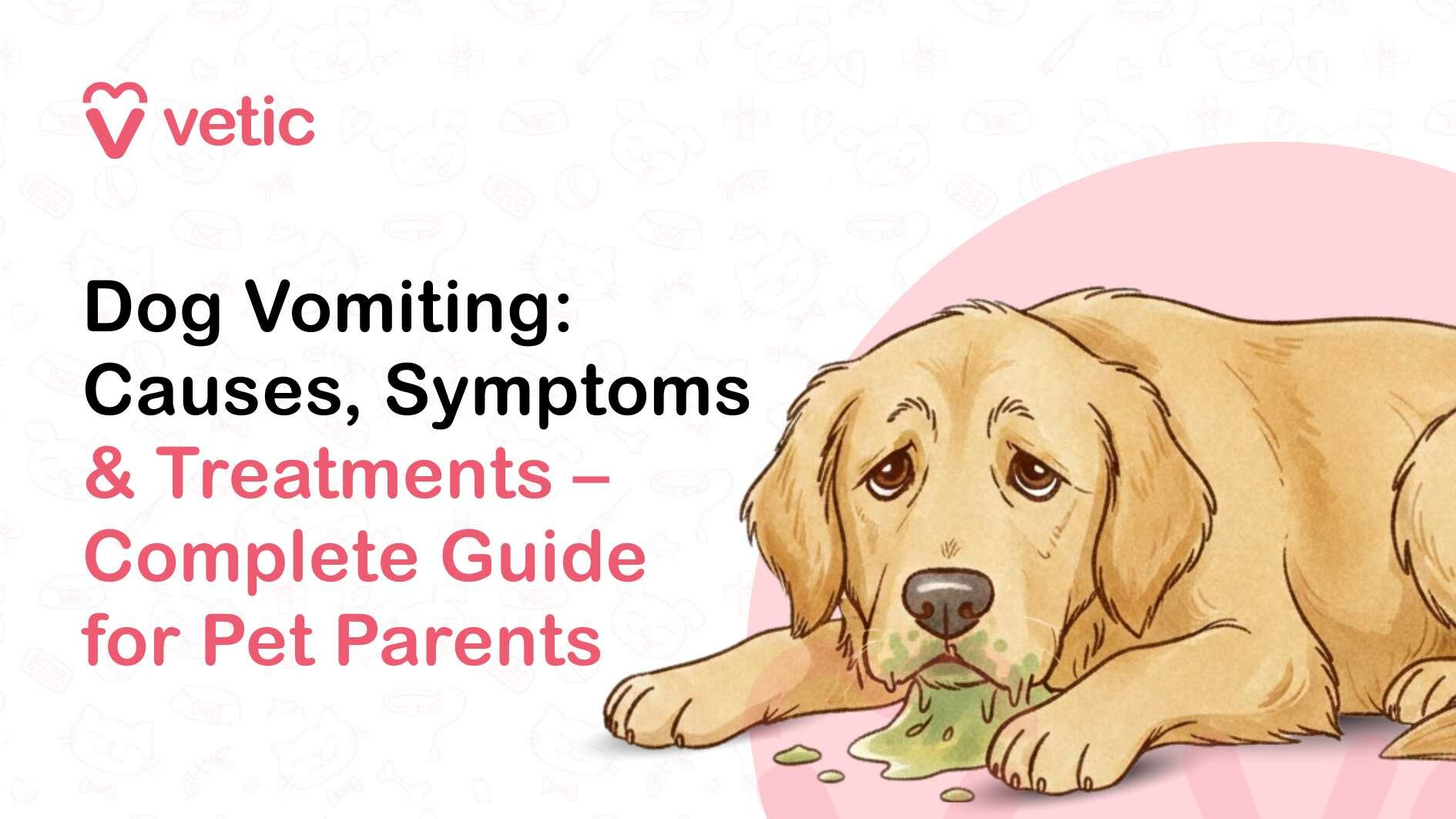
As a devoted pet parent, witnessing your dog vomit can be distressing and alarming. Vomiting in dogs is a common issue that ranges from mild, self-resolving episodes to indicators of serious health problems. While occasional vomiting might stem from something as simple as eating too quickly, persistent or severe cases warrant professional attention to prevent complications like dehydration or organ damage.
This comprehensive guide explores the possible causes, diagnostic methods, and treatment options for dog vomiting, with a focus on accessible, high-quality care at leading veterinary clinics in India’s Tier-1 cities.
At Vetic, we prioritize your furry friend’s well-being with state-of-the-art facilities, experienced veterinarians, and 24/7 emergency services in locations like Delhi, Mumbai, Bangalore, Hyderabad, and Chennai. Whether you’re in Greater Kailash (Delhi), Andheri West (Mumbai), or Koramangala (Bangalore), Vetic offers tailored solutions to get your dog back to tail-wagging health.
Understanding the Causes of Dog Vomiting
Dog vomiting occurs when the stomach forcefully expels its contents, often due to irritation, infection, or systemic issues. Differentiating it from regurgitation (passive expulsion of undigested food) is key, as true vomiting involves abdominal heaving and can signal deeper problems. Here are the most common causes, based on veterinary insights:
- Dietary Indiscretion: This is the top culprit, where dogs ingest inappropriate items like garbage, spoiled food, grass, or non-food objects such as toys or sticks. Puppies and curious breeds like Labradors are particularly prone. It irritates the stomach lining, leading to acute vomiting. At Vetic clinics in Tier-1 cities, vets often see this in urban pets scavenging during walks.
- Food Intolerances or Allergies: Sudden diet changes, sensitivities to ingredients like dairy, wheat, or proteins, or low-quality commercial foods can trigger vomiting shortly after meals. Chronic cases may include itchy skin or diarrhea. Vetic’s expert nutrition consultations help identify these through elimination diets.
- Infections and Parasites: Bacterial (e.g., Salmonella), viral (e.g., parvovirus in puppies), or parasitic infections (e.g., roundworms, hookworms) inflame the gastrointestinal tract. Symptoms include lethargy and bloody vomit. In densely populated cities like Mumbai or Delhi, parasites are common due to contaminated environments.
- Toxin Ingestion: Household dangers like chocolate, xylitol (in gum), raisins, or plants (e.g., lilies) cause rapid, severe vomiting. Other toxins include antifreeze or rodenticides. This is an emergency, as it can lead to organ failure.
- Foreign Body Obstruction or Bloat: Swallowed objects like bones, socks, or balls block the intestines, causing persistent vomiting. Gastric dilatation-volvulus (GDV or bloat) is life-threatening, common in large breeds like German Shepherds, involving stomach twisting.
- Systemic Diseases: Conditions like pancreatitis (inflammation of the pancreas), kidney or liver failure, or Addison’s disease (hormonal imbalance) manifest as chronic vomiting. These are more prevalent in older dogs and require ongoing management.
Recognizing patterns, such as frequency, vomit appearance (e.g., yellow bile for empty stomach issues or blood for ulcers), helps in early intervention. If your dog vomits more than once in 24 hours, shows weakness, or has abdominal pain, seek immediate care at a trusted clinic like Vetic, where multispecialty vets in locations such as Whitefield (Bangalore) or Banjara Hills (Hyderabad) provide rapid assessments.
Dog Vomiting vs. Regurgitation
Vomiting is an active process where dogs forcefully expel partially digested stomach contents through retching and abdominal contractions, often signaling nausea or illness. Regurgitation, however, is passive, no effort involved, and involves undigested food from the esophagus, typically right after eating, resembling a burp-up. Distinguishing them helps identify underlying issues.
Diagnosis: Pinpointing the Root Cause with Cost Analysis
Accurate diagnosis is crucial to rule out serious conditions and tailor treatment. At name-brand clinics in Tier-1 cities, the process begins with a thorough history and physical exam, followed by targeted tests. Vetic stands out with in-house diagnostics, ensuring quick results without referrals, available 24/7 at select sites like Hitec City (Hyderabad) or Powai (Mumbai).
- Initial Consultation and Exam: A vet evaluates symptoms, palpates the abdomen, and checks for dehydration. Complete physical and health checkup prices start at ₹799. During this check-up the doctor evaluates vitals, notes clinical signs and notes which tests need to be done.
- Blood Tests (CBC, Biochemistry Profile): These detect infections, organ dysfunction, or electrolyte imbalances. Essential for causes like pancreatitis or kidney issues. At Vetic, blood tests start at around ₹799 for a Complete Blood Count (CBC), depending on the panel. In contrast, at other Tier-1 clinics, costs range from ₹500-₹2,000, making Vetic a cost-effective choice for pet parents.
- Urinalysis and Fecal Exam: Identifies parasites, infections, or kidney problems. Vetic pricing is around ₹500-₹800 for fecal tests; urinalysis around ₹600. These are vital for parasitic causes and often bundled for savings.
- Imaging (X-Rays or Ultrasound): X-rays spot internal injuries, bone health, foreign bodies or bloat (₹700-₹1,300 at Vetic), while ultrasound examines organs for tumors or inflammation (₹1,500-₹2,500). Vetic’s advanced imaging in clinics like Koramangala (Bangalore) ensures precise diagnostics without high markups.
- Advanced Tests (Endoscopy or Biopsy): For chronic cases, endoscopy visualizes the stomach. Biopsies are prescribed for allergies or cancer. The cost of both tests depend on a number of factors including the overall health of the pet.
Overall, a full diagnostic workup for vomiting at Vetic Pet Clinic averages ₹3,000-₹8,000, including consultation. Factors like pet size, emergency timings and supportive care influence costs, but Vetic’s transparent pricing helps manage expenses. Early diagnosis prevents escalation, saving money long-term.
Treatment Options: Tailored Solutions for Each Cause
Treatment varies by cause, focusing on symptom relief, hydration, and addressing the root issue. Vetic’s intensive care units in Tier-1 locations like Vasant Kunj (Delhi) or Electronic City (Bangalore) offer comprehensive options, from medications to surgery, with follow-up support.
- For Dietary Indiscretion: Withhold food for 8-12 hours, then introduce a bland diet (boiled chicken and rice). Anti-nausea meds to ease symptoms. Home management works for mild cases, but Vetic provides IV fluids if dehydrated. The total cost of treatment will depend upon whether the pet has to stay overnight or can be stabilized at home after receiving treatment at Vetic.
- For Food Intolerances/Allergies: Switch to hypoallergenic diets available at Vetic’s in-house pharmacy . Antihistamines or steroids are often prescribed to dogs and cats with allergy or food-intolerance induced vomiting to reduce inflammation.
- For Infections/Parasites: Deworming, anti-emetics and antibiotics are often prescribed together to target parasites and bacteria. Vaccinations prevent viral issues (starts at ₹750). Hospitalization for severe cases includes diagnostics, fluids and 24/7 monitoring.
- For Toxin Ingestion: Immediate induction of vomiting (if safe) or activated charcoal. Supportive care like liver protectants and fluids. Vetic’s 24/7 emergency in select clinics ensures timely intervention, potentially saving lives at costs similar to or lower than urban ERs (₹5,000-₹15,000 total).
- For Foreign Body Obstruction/Bloat: Endoscopic removal or surgery at Vetic for laparotomy. Post-op care includes pain meds and wound dressing. Compared to other name-brand clinics, Vetic offers comprehensive surgery packages complete with post-op care costs with expert surgeons.
- For Systemic Diseases: Pancreatitis may require temporary hospitalization with IV fluids, pain relief, and enzyme inhibitors. Kidney and liver support involves specialized diets, regular testing and meds. Vetic’s chronic disease management programs in all 11 cities and 60+ pet clinics provide ongoing monitoring at affordable packages.
Across all causes, Vetic emphasizes preventive care, vaccinations, deworming, and check-ups, to avoid costly emergencies. Their grooming services also promote overall health, reducing stress-related vomiting.
In conclusion, dog vomiting demands prompt action to safeguard your pet’s health. With Vetic’s network of advanced clinics in Tier-1 cities, expert care is just a booking away. Don’t wait, schedule a consultation today at vetic.in and give your dog the premium treatment they deserve. Your peace of mind is our priority.