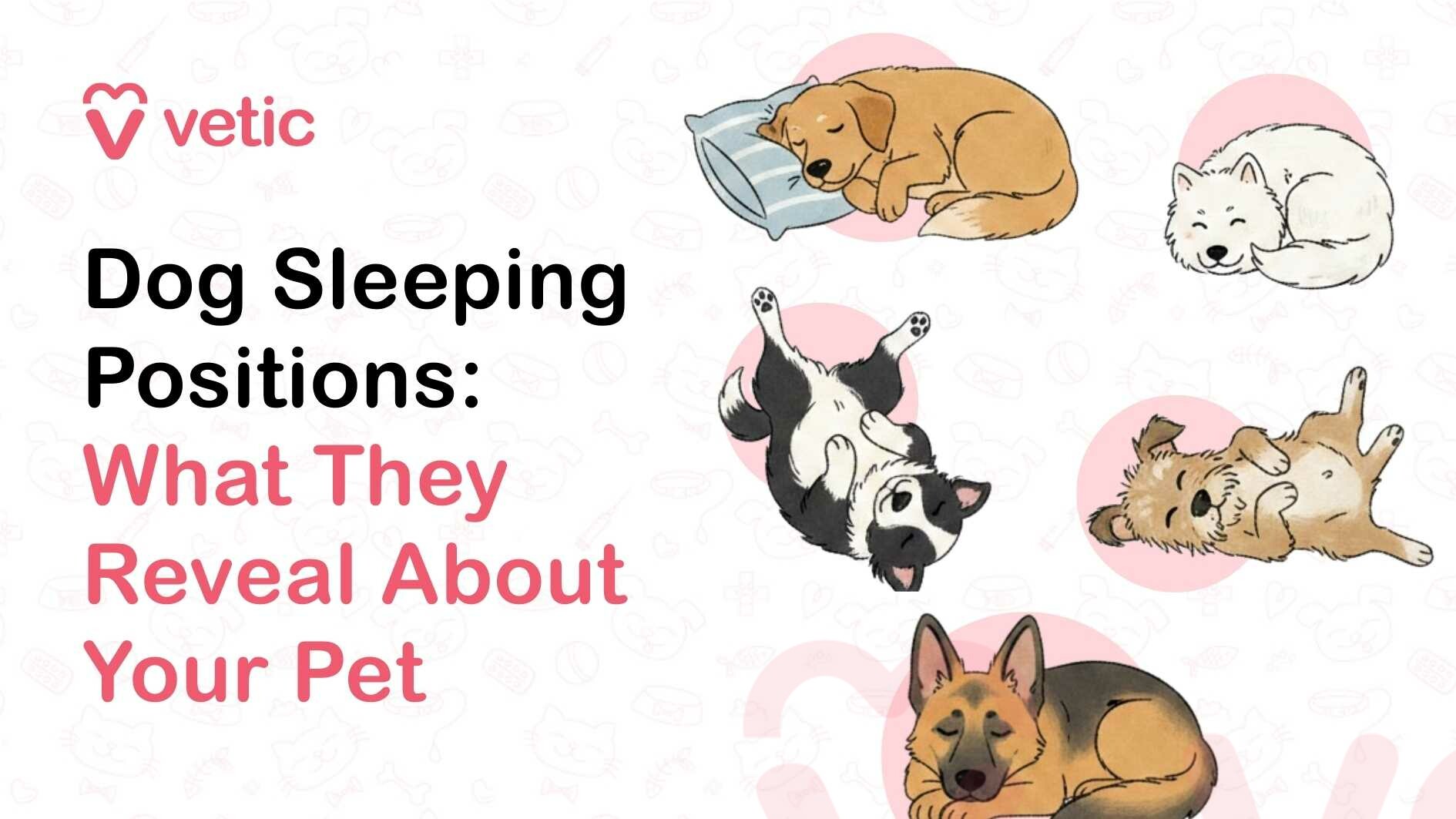
If you’ve ever watched your dog snooze, you’ve probably noticed they don’t just “lie down.” They curl, sprawl, twist, stretch, and sometimes even snore in the most unexpected ways. These dog sleeping positions aren’t random. They often reflect your dog’s comfort level, personality, emotional state, and even overall health.
Understanding what these positions mean can help you become more attuned to your dog’s behaviour and needs. From the relaxed side sleeper to the tightly curled donut, each pose tells a subtle story about how your pet feels, physically and emotionally.
Let’s break down the most common dog sleeping positions and what they reveal.
Why Dog Sleeping Positions Matter and What They Reveal About Your Pet
Dogs, like humans and even cats, cycle through different stages of sleep, including REM sleep, when dreaming occurs. However, their sleeping positions are often shaped by both instinct and comfort.
Dogs evolved to sleep in ways that protected them from predators, preserved body heat, and allowed them to react quickly if needed. Even though modern dogs live safely indoors, these instincts still influence how they rest.
A dog’s sleeping position can reflect:
- How safe and relaxed they feel
- Whether they are alert or deeply resting
- Temperature regulation needs
- Joint comfort or physical limitations
- Emotional bonds with people or other pets
- Age and developmental stage
It’s important to look at the full picture, behaviour, appetite, and energy levels, rather than relying solely on sleep posture. But when combined with other signs, your dog’s sleep style can be a valuable window into their well-being.
Side Sleeper Position: What It Means When Dogs Sleep on Their Side
Sleeping stretched out on one side, legs extended, is one of the most relaxed positions a dog can choose.
What the Side Sleeping Position Says About Trust and Relaxation
When a dog sleeps on their side:
- Vital organs (chest and abdomen) are exposed
- Muscles are fully relaxed
- The dog is likely in a deep sleep phase
This position usually indicates a high level of trust in the environment. Dogs who feel safe, secure, and emotionally settled often choose this posture. They trust people and pets around them.
Suggested Read: Understanding Dog Breed Groups: A Guide for Pet Parents
Is Side Sleeping Common in Puppies and Senior Dogs?
Yes, but for slightly different reasons.
- Puppies may collapse into a side position after intense play sessions. Their bodies simply give in to exhaustion.
- Senior dogs may choose this position because it reduces joint pressure compared to curling tightly.
However, older dogs with arthritis might switch sides frequently to stay comfortable. If you notice stiffness or difficulty rising, it may be worth discussing joint health with a pet health expert.
The Lion Pose Sleeping Position and Why Dogs Stay Alert While Resting
The lion pose, sometimes called the “sphinx” position, resembles a regal statue. In this posture, the dog lies on its stomach with its head resting on its paws, often with its ears semi-alert.
What the Lion Pose Reveals About Instinct and Awareness
This position allows dogs to:
- Spring up quickly if needed
- Remain semi-alert to sounds or movement
- Rest without entering deep sleep
Dogs in lion pose are not fully relaxed. They’re resting, but still prepared to respond to sounds, movement, or cues.
This pose often reflects natural protective instincts. Even in a safe home, many dogs maintain this alert resting style, especially breeds originally developed for guarding or working roles.
When This Dog’s Lying Position Is Completely Normal
The lion pose is common:
- In new environments
- Around visitors
- During light rest periods
- When they are waiting for something (like a walk or mealtime)
If your dog never seems to relax into deeper positions, it could suggest mild anxiety or environmental stress. Most dogs, however, rotate between this and more relaxed poses throughout the day.
The Superman Position and Its Meaning in Puppies and Active Dogs
Also called the “sploot,” this position is both adorable and practical. In this pose, your dog lies flat on their belly with both front and back legs stretched straight out, like it’s flying.
Why Puppies Often Sleep Stretched Out Like Superman
Puppies use this position because:
- Their joints are flexible
- They shift quickly between play and rest
- It allows fast movement if they wake suddenly
- It allows them to cool down quickly after play
Puppies often fall asleep wherever they land, especially after zooming around the house. Because their joints are still healthy and flexible, stretching out fully feels natural and comfortable.
Energy Levels and Comfort Behind This Dog’s Sleep Position
The Superman position is common in:
- Young dogs
- Highly active breeds
- Dogs who get plenty of exercise
It suggests physical comfort and a body free of joint pain. Older dogs may use this pose less frequently due to stiffness.
If an adult dog suddenly avoids stretching positions, it could indicate emerging discomfort worth monitoring.
Belly-Up Sleeping Position and What It Means When Dogs Expose Their Belly
Few positions signal vulnerability like belly-up sleeping. In this pose, your dog lies on their back with their stomach exposed, and their paws are often bent or flopped open.
Trust, Temperature Control, and Confidence Explained
This position usually means:
- The dog feels extremely safe
- They trust their surroundings completely
- They are cooling down, as the belly releases heat
The abdomen has less fur, so exposing it helps regulate body temperature. Dogs often roll onto their backs during warm weather.
Emotionally, this is one of the strongest signs that your dog feels safe. A dog would not expose their most vulnerable area unless they felt secure.
Suggested Read: Answering the 20 Frequently Asked Questions about Dog Behaviour
When Belly-Up Sleeping Is a Sign of Deep Comfort
Dogs who belly-sleep regularly are often:
- Emotionally secure
- Well-adjusted
- Comfortable with handling and human presence
If a dog suddenly stops sleeping belly-up, it may be worth checking for pain or environmental changes.
The Donut Sleeping Position and Why Dogs Curl Up Tightly
In this position, dogs curl into a tight ball with their nose tucked toward their tail.
Body Warmth, Security, and Self-Protection Reasons
Curling up helps dogs:
- Conserve body heat
- Protect vital organs
- Feel enclosed and secure
In outdoor or colder environments, this position helps maintain warmth. It’s also common in newly adopted dogs as they adjust to unfamiliar surroundings.
When Curling Up Could Signal Stress or Cold
Occasional curling is normal. However, frequent tight curling may suggest:
- Cold environment
- Anxiety or insecurity
- Physical discomfort
- Environmental uncertainty
If your dog curls tightly even in warm, relaxed settings and shows other signs of stress (pacing, whining, hypervigilance), consider evaluating potential stressors in their environment.
The Cuddle Bug Position and Why Some Dogs Sleep Close to Their Humans or Other Pets
Some dogs insist on sleeping pressed against you or on top of another pet. This cuddle bug position reflects social bonding behaviours.
Bonding, Pack Behaviour, and Emotional Attachment
This position reflects:
- Strong emotional bonds
- Pack-oriented instincts
- Desire for comfort and reassurance
In the wild, pack members sleep near one another for safety and comfort. Your dog may see you as part of their comfort zone.
What This Sleeping Pose Means for Anxious or Affectionate Dogs
For anxious dogs, cuddling can provide:
- Emotional regulation
- Comfort from familiar scents
- Reduced stress levels
If clinginess suddenly increases, consider emotional changes or stressors.
Dog Sleeping Positions That May Signal Discomfort or Health Issues
Certain patterns may indicate a problem, especially if new or persistent:
- Reluctance to lie down
- Frequent position shifting
- Yelping when moving
- Avoiding previously comfortable positions
- Excessive restlessness
These may suggest pain, digestive discomfort, breathing difficulty, or joint disease. Dogs with joint pain may avoid stretching out. Dogs with abdominal discomfort may avoid lying on their stomach or side.
Any ongoing change should prompt observation or veterinary advice at the best pet clinic near you.
Puppy Sleeping Positions and How They Differ From Adult Dogs
Puppies sleep significantly more than adult dogs. Their sleep tends to be:
- Deeper
- More twitch-filled
- More position-fluid
You may notice:
- Frequent position changes
- Dramatic stretching
- Rapid breathing during dreams
- Collapsing mid-play
As dogs age, their sleeping positions often become more consistent and more focused on comfort. Changes with age are normal, but sudden shifts are not.
Final Takeaway: About Dog Sleeping Positions and Their Meanings
Dog sleeping positions offer a window into your dog’s physical comfort and emotional state. While no single position defines health or happiness, patterns over time can help pet parents better understand their dogs. The key is consistency: know what’s normal for your dog, and pay attention when that normal changes.
FAQs: About Dog Sleeping Positions and Their Meanings
What is the most common dog sleeping position?
Side sleeping and curling up are the most common, depending on comfort and temperature.
Do dog sleeping positions change with age?
Yes. Puppies are flexible and restless, while senior dogs tend to assume positions that reduce joint pressure.
Can a dog’s sleeping position indicate anxiety or illness?
Sometimes. Persistent alert sleeping, tight curling, or sudden changes may indicate stress or discomfort.
Why does my dog change sleeping positions during the night?
Normal sleep cycles, temperature changes, and comfort adjustments all play a role.
Should I worry if my dog suddenly sleeps differently?
A short-term change is often harmless. If the change persists or is accompanied by other symptoms, it’s worth investigating.
References
DePorter, T. (2025). Nighttime Waking in Senior Dogs. Vin.com. https://veterinarypartner.vin.com/default.aspx?pid=19239&catId=102897&id=4952996&ind=563&objTypeID=1007
Hedden, L. (2016). Lying Down with Dogs (and Cats!). Vin.com. https://www.vin.com/vetzinsight/default.aspx?pid=756&catId=-1&id=7277391
Kinsman, R., Owczarczak-Garstecka, S., Casey, R., Knowles, T., Tasker, S., Woodward, J., Da Costa, R., & Murray, J. (2020). Sleep Duration and Behaviours: A Descriptive Analysis of a Cohort of Dogs up to 12 Months of Age. Animals, 10(7), 1172. https://pmc.ncbi.nlm.nih.gov/articles/PMC7401528/
Reisen, J. (2019, August 15). How to Make Sure Your Puppy Gets Enough Sleep. American Kennel Club; American Kennel Club. https://www.akc.org/expert-advice/health/how-much-do-puppies-sleep/
The Kennel Club. (2019). Why does my puppy sleep so much. Royalkennelclub.com. https://www.royalkennelclub.com/health-and-dog-care/health-dog-care/health/health-and-care/a-z-of-health-and-care-issues/why-does-my-puppy-sleep-so-much/