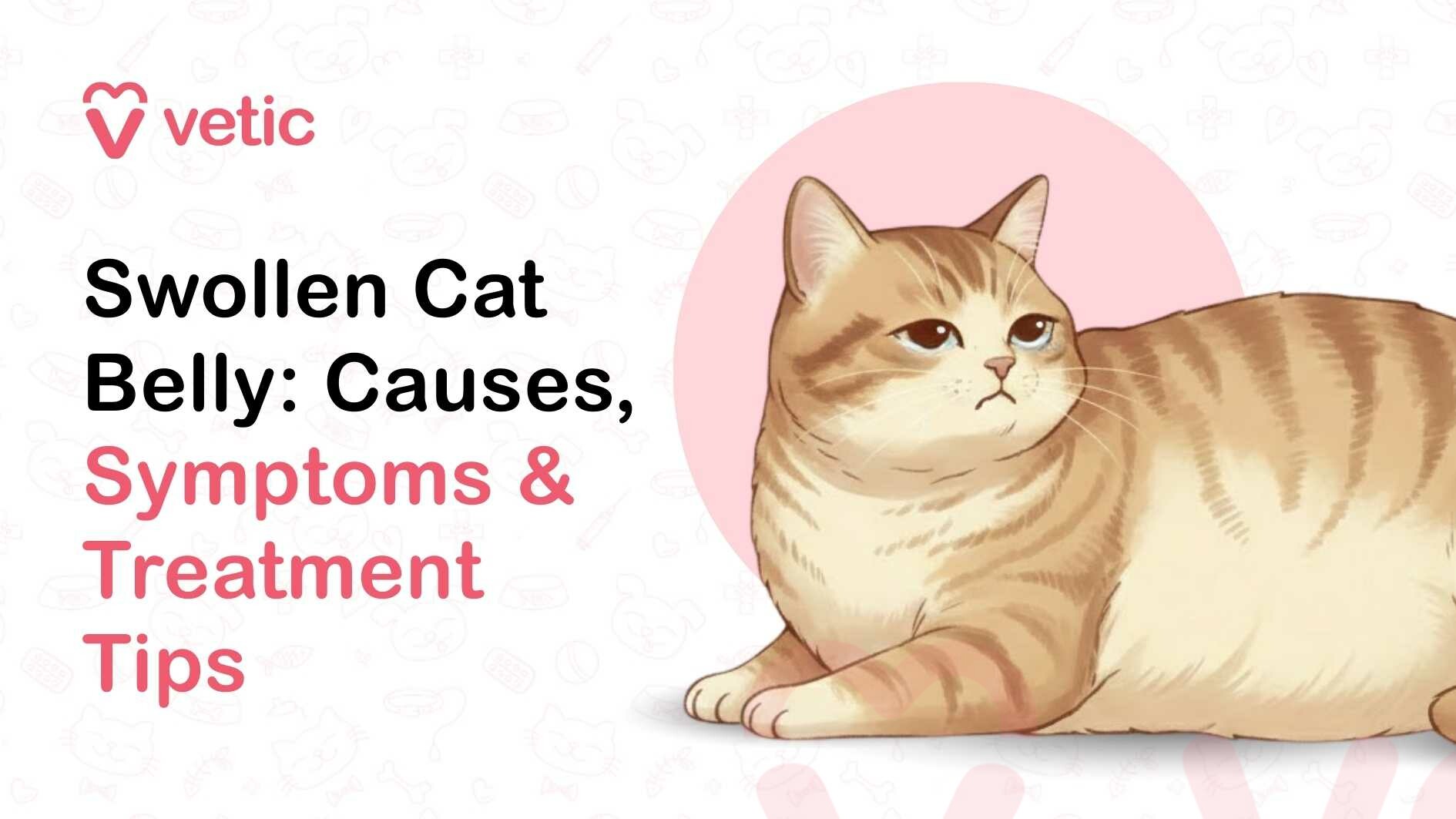
A swollen belly in a cat can look harmless at first, sometimes even “cute,” especially in kittens, but it is often a sign that something deeper is going on inside the body. In some cases, abdominal swelling is temporary and mild. In other cases, it can indicate serious, even life-threatening, conditions such as feline infectious peritonitis that require urgent veterinary care.
This blog explains what a swollen cat’s belly usually means, the most common causes in both kittens and adult cats, how to tell when it’s serious, and what treatment and prevention typically involve.
What a Cat’s Belly Swollen Usually Means for Pet Parents
A cat’s abdomen can appear swollen for different reasons, but the key question is what is filling that space. Swelling may be caused by:
- Gas or food
- Enlarged organs
- Fluid buildup
- Parasites
- Masses or tumors
- Pregnancy (in intact females)
Some causes are mild and temporary. Others require urgent veterinary attention. The key is to pay attention to the speed of onset, behavioural changes, appetite, and comfort level.
Because cats are small animals with compact abdominal cavities, even modest changes inside the abdomen can become visible quickly. Unlike weight gain, abdominal swelling often appears round, tense, or asymmetric, rather than evenly distributed over the body.
Pet parents should treat any unexplained belly swelling as a clinical sign, not a cosmetic issue.
Common Causes of a Swollen Tummy in Cats
Organ Enlargement: Liver, Spleen, Kidneys, or Bladder
Enlargement of abdominal organs can cause the belly to protrude. Common examples include:
- Liver enlargement due to fatty liver disease, inflammation, or infection
- Kidney enlargement from chronic kidney disease or obstruction
- Bladder distension caused by urinary blockage (especially in male cats)
- Spleen enlargement related to immune or blood disorders
These conditions may develop gradually or suddenly and are often accompanied by changes in appetite, urination, or energy levels.
For example, a blocked bladder can cause rapid swelling in cats. It is a life-threatening emergency, particularly in male cats. These cats often strain to urinate, vocalise in pain, and become lethargic quickly.
If left untreated, a urinary blockage can lead to acute kidney injury (AKI) due to the sudden buildup of toxins in the bloodstream, which can rapidly become fatal. In some cases, repeated urinary obstruction may also contribute to long-term kidney damage.
Suggested Read: Pica in Cats
Fluid Accumulation in the Abdomen
Fluid buildup, known medically as ascites, is a common and serious cause of abdominal swelling in cats.
Fluid may accumulate due to:
- Heart disease
- Liver failure
- Severe inflammation
- Internal bleeding
- Low blood protein levels
- Certain viral diseases (such as feline infectious peritonitis)
A fluid-filled abdomen often feels soft, heavy, or “sloshing” or “wave-like” rather than firm. Cats with abdominal fluid may also show breathing difficulty because the fluid presses on the diaphragm.
Intestinal Parasites Causing Bloated Bellies in Kittens
In kittens, a bloated belly is very commonly linked to intestinal parasites, such as Roundworms, Hookworms, Coccidia, and Giardia.
These parasites can:
- Cause a visible abdominal distension
- Interfere with digestion and nutrient absorption
- Lead to poor growth despite a good appetite
- Cause lethargy
Kittens with parasite-related bloating often look pot-bellied, with thin limbs and dull coats.
In many cases, deworming medication resolves the swelling quickly. However, severe infestations can lead to anaemia and malnutrition, making early treatment essential.
Find a cat doctor near you for prompt diagnosis and deworming treatment.
Abdominal Masses or Tumours in Cats
Abnormal growths inside the abdomen can push outward, causing visible swelling in cats.
These may include:
- Tumours of the liver, spleen, intestines, mammary gland, or lymph nodes
- Benign cysts
- Enlarged lymph tissue
Older cats are more commonly affected. Masses may grow silently for weeks or months before outward signs appear. In many cases, belly swelling is noticed only once the mass has reached a significant size.
Suggested Read: Why My Cat Is Skinny?
How to Tell If Your Cat’s Belly Swelling Is Serious
Not all swelling is an emergency, but certain signs should raise concern.
Rapid Swelling, Discomfort, or Behavioural Changes in Cats
Red flags include:
- Sudden abdominal enlargement over hours or days
- Crying, hiding, growling, aggressive, or resisting when touched
- Hunched posture or guarding the abdomen
- Reduced movement or hiding
- Restlessness
- Straining in the litter box
Rapid changes often indicate fluid accumulation, internal bleeding, or organ obstruction.
Swelling Accompanied by Vomiting, Lethargy, or Appetite Loss in Cats
A swollen belly in cats combined with systemic symptoms is never normal. Watch closely for:
- Repeated vomiting
- Loss of appetite lasting more than 24 hours
- Extreme lethargy or weakness
- Fever
- Pale or yellow gums
- Collapse
These signs suggest the body is under stress, and veterinary evaluation is essential.
What to Do at Home If Your Cat Has a Swollen Tummy
Gentle Monitoring, Diet, and Hydration Tips
If your cat is bright and behaving normally
- Observe the belly size daily
- Monitor eating, drinking, and litter box habits
- Keep meals consistent and easily digestible
- Ensure constant access to fresh water
- Reduce stress and handling
For kittens, do not assume bloating is “normal baby fat.” Early evaluation prevents complications.
Avoid Self-Medicating Without Veterinary Guidance
Never give:
- Human pain medications
- Laxatives
- Anti-gas medications
- Herbal remedies
- Over-the-counter dewormers without diagnosis
Many substances that seem harmless can worsen abdominal conditions or delay proper diagnosis.
Suggested Read: 25 Mistakes Every New Cat Owner Makes
When a Swollen Cat’s Belly Needs Veterinary Attention
Persistent or Worsening Belly Swelling in Cats
Veterinary care is needed if:
- Swelling lasts more than 24-48 hours
- The abdomen continues to enlarge
- The belly feels tense, hard, or fluid-filled
- Swelling recurs frequently
Chronic swelling is rarely “just gas.” Book a same-day pet checkup to improve treatment options and outcomes.
Severe Pain, Bloating, or Difficulty Breathing in Cats
Seek emergency care if your cat:
- Has laboured or rapid breathing
- Collapses or becomes unresponsive
- Shows severe pain
- Inability to urinate
- Has a suddenly hard, distended abdomen
- Blue or pale gums
These are medical emergencies.
How Vets Diagnose Kittens With Bloated Bellies
Physical Examination and Palpation
Veterinarians begin by:
- Assessing body condition
- Feeling the abdomen for fluid, gas, or masses
- Checking gum colour and hydration
- Evaluating heart and lung sounds
- Ask about appetite, litter habits, and timeline
In kittens, a history of parasites and deworming status are critical clues. This helps determine whether common intestinal worms may cause the swelling.
Imaging and Blood Tests to Find the Cause
Depending on findings, diagnostics may include:
- Abdominal ultrasound
- X-rays
- Blood tests to assess liver, kidney, and protein levels
- Faecal testing for parasites
- Fluid sampling if ascites is present
These tests help differentiate between benign and serious causes of a swollen tummy in cats.
How Vets Treat a Cat With a Swollen Belly
Medications, Fluid Therapy, or Surgery if Needed
Treatment of a swollen cat’s belly depends entirely on the underlying cause:
- Parasites: Deworming and nutritional support
- Fluid buildup: Draining fluid and treating the heart, liver, or inflammatory disease
- Heart disease: Cardiac medications
- Infections: Antibiotics or antiviral management
- Bladder blockage: Emergency catheterisation
- Tumours: Surgery, chemotherapy, or palliative care
- Urinary blockage: Emergency catheterisation
Supportive care often includes pain control, fluids, and dietary adjustments.
Long-Term Care and Monitoring for Recovery
Some conditions require ongoing management:
- Regular weight and abdominal measurements
- Prescription diets
- Repeat imaging or blood tests
- Medication adjustments
Early treatment significantly improves long-term outcomes.
Tips to Prevent a Swollen Belly in Cats
Parasite Prevention, Proper Diet, and Routine Check-Ups
Preventive care goes a long way:
- Routine deworming for kittens and adults
- Age-appropriate, balanced nutrition
- Avoid overfeeding
- Avoiding raw or contaminated food
- Annual or biannual veterinary exams
- Early attention to appetite or weight changes
Safe Feeding Practices for Kittens With Bloated Bellies
For kittens:
- Feed measured portions
- Avoid sudden diet changes
- Follow recommended deworming schedules
- Monitor growth and body condition weekly
Kittens grow fast, and small problems can escalate quickly if missed.
Are Some Cats More at Risk of Belly Swelling Than Others?
Age, Breed, Diet, or Pre-Existing Health Conditions
Higher-risk groups include:
- Young kittens (parasites, infections)
- Senior cats (organ disease, tumours)
- Cats with heart or liver disease
- Intact females (pregnancy-related changes)
- Cats on poor-quality or imbalanced diets
Knowing your cat’s risk factors helps you act sooner.
Final Thoughts: About a Cat’s Swollen Belly
A swollen belly in cats, especially in kittens, is a sign, not a diagnosis. While some causes are mild and treatable, others can progress rapidly without obvious warning signs.
Trust what you see. If your cat’s abdomen looks different, feels abnormal, or changes over time, seek a timely veterinary assessment. Early evaluation can make the difference between simple treatment and a serious emergency.
Frequently Asked Questions: About a Cat’s Swollen Belly
Can kittens with bloated bellies recover fully at home?
Mild parasite-related bloating may improve with veterinary-prescribed deworming. But home treatment without diagnosis is risky. Kittens should always be evaluated by vets.
Why is my adult cat’s belly suddenly swollen?
Sudden swelling often indicates fluid buildup, a urinary blockage, or an internal disease. Prompt veterinary care is strongly advised.
Can overfeeding or gas cause a cat’s belly to bloat?
Yes, mild bloating from overeating or gas can temporarily enlarge the abdomen. This usually resolves within 24 hours and does not cause significant pain or lethargy.
Is a swollen belly always painful for cats?
Not always. Fluid accumulation may not initially cause pain, but pressure buildup can become uncomfortable. Obstruction or inflammation is typically painful.
How quickly should I take my cat to the vet for a swollen tummy?
If swelling is sudden, worsening, or accompanied by other symptoms, immediate evaluation is best. When in doubt, earlier is safer.
References
Brister, J. (2024). Triaditis in Cats. Vin.com. https://veterinarypartner.vin.com/default.aspx?pid=19239&catId=102903&id=9754795
Defarges, A., Blois, S., Hall, E. J., Gibson, T. W. G., & Mitchell, K. D. (2018, August). Disorders of the Stomach and Intestines in Cats. MSD Veterinary Manual. https://www.msdvetmanual.com/cat-owners/digestive-disorders-of-cats/disorders-of-the-stomach-and-intestines-in-cats#Malabsorption_v3243976
Lee, C.-H., Tin, N. H., & Chen, K.-S. (n.d.). Abdominal distension in a 14-year-old cat. AVMA Journals. https://avmajournals.avma.org/view/journals/javma/262/8/javma.24.04.0270.xml
Tappin, S., & Dean, R. (2007). Progressive abdominal distention. Journal of Feline Medicine and Surgery, 9(5), 359–363. PubMed Central. https://pmc.ncbi.nlm.nih.gov/articles/PMC10832947/
WebMD Editorial Contributor. (2021, February 11). Cat Flatulence (Gas) Causes and Treatments. WebMD. https://www.webmd.com/pets/cats/cat-flatulence-gas