What Is Stomatitis in Cats?
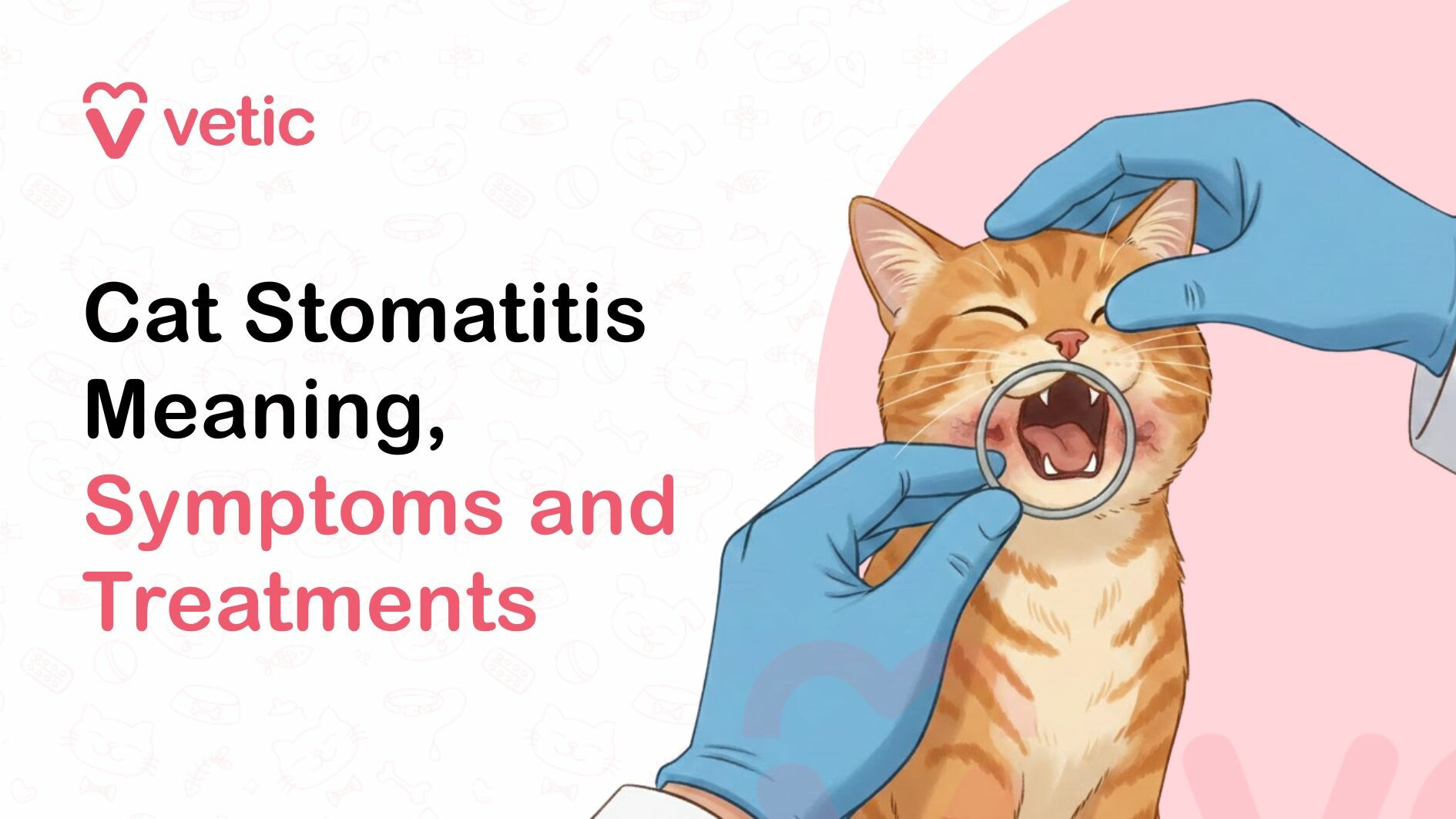
Cat stomatitis is a severe, chronic inflammation of the mouth’s soft tissues in cats. Also known as feline stomatitis or feline chronic gingivostomatitis (FCGS), this condition causes the cat’s immune system to overreact to dental plaque and other triggers, leading to painful ulcers and gum inflammation. Affected cats often have extreme oral discomfort and difficulty eating when the disease is active.
Symptoms of Stomatitis in Cats
Signs and symptoms of stomatitis in cats include:
- Excessive drooling, sometimes mixed with blood
- Strong, foul-smelling breath
- Signs of oral pain such as:
- Pawing at the mouth
- Crying or vocalising while eating or yawning
- Avoiding face or mouth contact
- Difficulty eating, chewing slowly, or dropping food
- Complete refusal to eat, which may lead to weight loss
If you notice any of these signs, consult a veterinarian promptly. Stomatitis is extremely painful, and early treatment is important to relieve discomfort and prevent further complications.
What Causes Stomatitis in Cats?
The exact cause isn’t fully understood, but stomatitis is thought to be an overreaction of the immune system to oral bacteria (plaque). Suspected contributors include viruses like feline calicivirus, FeLV, or FIV, as well as dental disease.
How Vets Diagnose Stomatitis in Cats
Stomatitis in cats can be diagnosed in the following ways:
- A detailed oral examination, often performed under anesthesia due to severe mouth pain
- Blood tests to assess overall health and rule out underlying conditions
- Dental X-rays to evaluate tooth roots, bone involvement, and hidden dental disease
- In some cases, a biopsy of oral tissue is performed to confirm stomatitis and rule out other diseases
Treatment of Stomatitis in Cats
Treatment of stomatitis in cats usually requires a multipronged approach. The primary goal is to reduce oral bacteria and calm the inappropriate immune response causing inflammation. Key treatment components include:
- Dental Extractions: Removing most or all of the teeth (partial or full-mouth extractions) is the gold-standard treatment for chronic stomatitis. This may sound drastic, but cats usually feel much better afterward.
Studies show roughly 80% or more of cats have major improvement or resolution of symptoms after tooth extractions. Cats can eat dry food once their mouths heal, as they adapt to eating without teeth.
- Pain Management and Medication: Pain and inflammation are usually managed with a combination of medications. Common options include NSAIDs (for short-term inflammation relief), opioids like buprenorphine for severe pain, gabapentin for chronic nerve pain, and corticosteroids (e.g., prednisolone) for intense oral inflammation.
Antibiotics might be prescribed for secondary infections, and in refractory cases immune-suppressing drugs such as cyclosporine can help reduce the immune reaction.
Get expert care for stomatitis from our cat doctor.
Recovery and Management of Stomatitis in Cats
Even after initial treatment, cats with stomatitis need good home care to stay comfortable. Key parts of managing this condition include:
- Dietary Strategies: Cats with stomatitis often need a modified diet to eat comfortably. Offer soft foods like canned food or kibble soaked in warm water to avoid painful chewing.
Serving food slightly warmed can enhance its aroma and encourage a reluctant cat to eat. If necessary, puree the food into a smooth consistency until the mouth heals.
Nutritionally, a high-protein, calorie-dense diet helps prevent weight loss.
- Oral Hygiene: Once your cat’s mouth has begun to heal, your vet may advise gentle oral care (such as brushing or antiseptic rinses) to reduce plaque buildup. Only attempt this if your cat tolerates it, and follow your vet’s instructions.
- Long-Term Care: Some cats may need ongoing medication (like occasional corticosteroids or immune-suppressants) after surgery to keep inflammation down.
Regular vet check-ups are important to monitor the condition and adjust treatment as needed over time.
Suggested Read: Why is My Cat Panting
Prevention of Stomatitis in Cats
While stomatitis isn’t always preventable, you can reduce the risk by keeping your cat’s mouth as healthy as possible. This means regular veterinary dental cleanings and home brushing to minimize plaque, feeding a high-quality diet (and using dental diets or treats if recommended), and keeping up with routine vet check-ups and vaccinations to address any dental or viral issues early.
Key Takeaways
- Feline stomatitis is a chronic, painful inflammation of a cat’s mouth (also called FCGS). It causes severe gum and throat ulcers and mouth pain. Signs include drooling, bad breath, obvious mouth pain (dropping food, crying when eating), and loss of appetite with weight loss.
- The most effective treatment is often full-mouth or extensive tooth extractions, which provide significant relief in most cases.
- Long-term management may require medications to control pain and inflammation (e.g., pet-safe NSAIDs, gabapentin, steroids). Some cats that don’t fully improve with surgery benefit from immune-suppressing drugs or other therapies (like laser treatment).
- Dietary adjustments are important: cats with stomatitis should be fed soft, palatable foods (warmed canned food or soaked kibble) that are easy to eat. Some cats may benefit from special diets (like hypoallergenic or high omega-3) to help reduce inflammation.
- With prompt veterinary treatment and good home care, most cats with stomatitis can regain a comfortable quality of life.
Suggested Read: Kidney Problems in Cats
Stomatitis in Cats: FAQs
Is stomatitis in cats contagious?
Stomatitis itself is not directly contagious. One cat cannot “catch” stomatitis from another. It is an individual immune reaction. However, viruses that contribute to stomatitis (such as feline calicivirus or feline leukemia virus) can spread between cats.
What should I feed a cat with stomatitis?
Feed soft foods that are easy for your cat to eat. Cats with stomatitis do best with canned food or kibble soaked in water to make it mushy. Serve it at room temperature or slightly warmed to make it more appetizing. Avoid hard kibble until the mouth heals.
What are the options for pain relief for cats with stomatitis?
Common options include cat-safe NSAIDs (to reduce inflammation), opioids such as buprenorphine (for severe pain), gabapentin (for chronic nerve pain), and corticosteroids like prednisolone (to calm oral inflammation). Some vets may also use laser therapy or acupuncture to help with pain.
How long can a cat live with stomatitis?
With proper treatment and ongoing care, cats with stomatitis can live comfortably for many years. The condition itself isn’t fatal, but if severe pain stops a cat from eating, complications like fatty liver can occur. This is why prompt pain management is critical.
Can stomatitis in cats be cured?
Full-mouth tooth extractions cure or greatly improve stomatitis in most cases. About 60–80% of cats have complete or near-complete resolution after this surgery. Others may still need some medical management, but the goal is to keep the cat pain-free and eating normally.
What is the difference between gingivitis and stomatitis in cats?
Gingivitis is a mild inflammation of the gums, often manageable with basic dental care. Stomatitis is a much more severe inflammation of all the mouth’s soft tissues, causing intense pain and usually requiring aggressive treatment (like extractions) to control.
References:
Porsani, M. Y. H., & Teixeira, F. A. (2024). The impact of a hypoallergenic diet on the control of oral lesions in cats: A case report. Animals (Basel), 14(18), 2947. Retrieved from https://pmc.ncbi.nlm.nih.gov/articles/PMC11428700/
Veterinary Dental Center of Atlanta. (2023). Stomatitis in Cats: Everything You Should Know. Retrieved from https://vdcatlanta.com/feline-stomatitis/
Stuhr, C. M. (2017). Chronic Feline Gingivostomatitis: Proven Therapeutic Approaches and New Treatment Options. Today’s Veterinary Practice. Retrieved from https://todaysveterinarypractice.com/dentistry/chronic-feline-gingivostamatitis-proven-therapeutic-approaches-new-treatment-optionsce-article/
Prairie Veterinary Dental Services. (2025). Managing Feline Stomatitis: Causes, Symptoms, and Treatments. Retrieved from https://pvds.ca/treating-feline-stomatitis/
Wooten, S. (2020). Stomatitis in Cats: Causes, Diagnosis & Treatment. Hill’s Pet Nutrition. Retrieved from https://www.hillspet.com/cat-care/healthcare/stomatitis-in-cats
Just Cats Clinic. (2023). Feline Stomatitis: What It Is and How to Treat It. Retrieved from https://justcatsclinic.com/feline-stomatitis-what-it-is-and-how-to-treat-it/
The Pet Vet. (2024). Feline Stomatitis in Cats: 5 Proven Treatments for Relief. Retrieved from https://thepetvet.com/feline-stomatitis-in-cats/