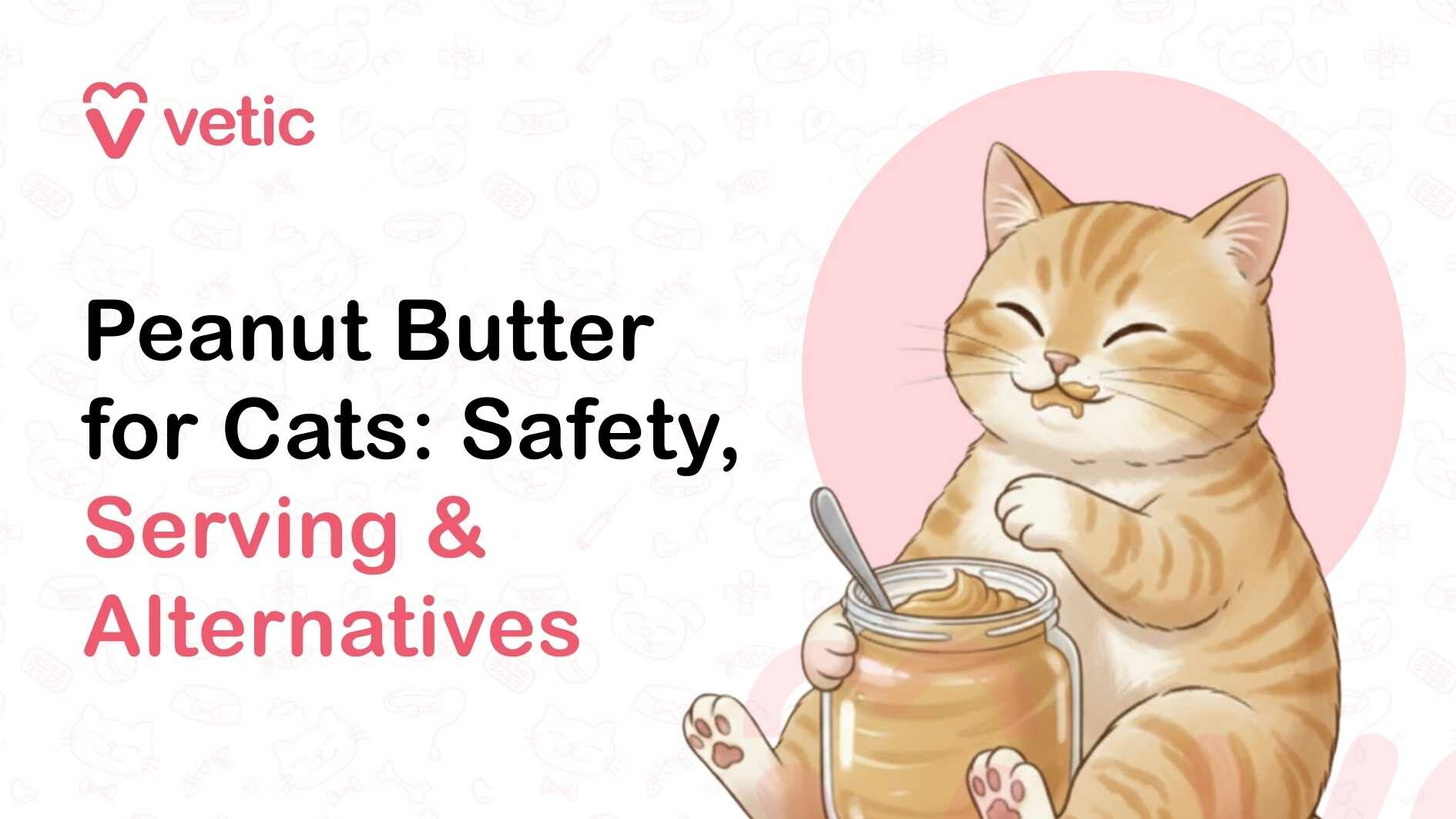
Peanut butter is a common household food and a favourite treat for many people, and even some dogs. When a cat shows interest in peanut butter, pet parents often wonder whether it is safe to share a small lick. Peanut butter is not toxic to cats in the way chocolate or onions are. But it is also not a suitable or beneficial food for them in most situations.
This blog explains how peanut butter affects cats, which ingredients can be dangerous, whether there is any scenario where it might be suitable, what to do if your cat eats peanut butter accidentally, and safer alternatives that better match a cat’s nutritional needs.
How Peanut Butter Affects Cats and When It’s Considered Safe
Cats are obligate carnivores, meaning their bodies are biologically designed to thrive on animal-based proteins and fats. They lack the enzymes to properly digest large amounts of plant material. Their digestive systems are not adapted to process plant-heavy, carbohydrate-rich foods like peanut butter.
Peanut butter is:
- High in fat
- High in calories
- Low in animal protein
- Lacking essential feline nutrients such as taurine
For most cats, peanut butter provides no nutritional benefit. It can contribute to digestive upset or long-term health issues if given repeatedly.
That said, a tiny accidental lick of plain peanut butter is unlikely to be dangerous for a healthy adult cat. “Not toxic” does not mean “good” or “recommended.”
Ingredients in Peanut Butter That Can Be Harmful or Problematic for Cats
Not all peanut butter is created equal. Some varieties contain dangerous ingredients, or even deadly ones, for cats.
Xylitol, Salt, and Sugar: Why They’re Dangerous
Xylitol
An artificial sweetener that is extremely dangerous for dogs and potentially harmful to cats. While cats appear less sensitive than dogs, xylitol exposure is still considered unsafe. It can cause:
- Rapid insulin release
- Hypoglycemia (low blood sugar)
- Seizure
- Liver failure
Always check the ingredient label. If you see “xylitol,” do not give it to your cat.
Salt (sodium)
Cats require very small amounts of sodium in their diet. High-quality packaged cat food already contains the precise sodium levels. It helps to maintain normal nerve function, muscle contraction, and fluid balance in cats. Anything beyond that can quickly become excessive for their small bodies.
Excess salt can lead to sodium ion poisoning. This can cause electrolyte imbalance, high blood pressure, dehydration, vomiting, diarrhoea, lethargy, tremors, and, in severe cases, sodium toxicity.
Added sugar
Cats do not have a biological need for sugar. Excess sugar contributes to weight gain, dental disease, and can worsen diabetes in cats.
Unlike dogs, cats don’t naturally crave sweet or nutty flavours, since they lack functional sweet taste receptors. So, cats don’t even taste sweetness the way humans do. As a result, sugar provides zero benefit.
Many commercial peanut butters contain one or more of these ingredients.
Ready to keep your cat safe? Book an affordable vet consultation with Vetic today for personalised nutritional and treat advice!
Other Additives That Make Peanut Butter Unsafe for Cats
Depending on the brand, peanut butter for cats may also contain:
- Hydrogenated oils or trans fats
- Palm oil (difficult to digest in large amounts)
- Artificial preservatives
- Emulsifiers
- Flavour enhancers
- Chocolate (in speciality spreads)
- Raisins (in flavoured varieties)
These additives increase the risk of gastrointestinal irritation and provide no health benefit to cats.
Suggested Read: Veterinarian Recommended Cat Food Across Life Stages: Newborn, Kitten, Adult and More
Should You Give Your Cat Peanut Butter?
While peanut butter isn’t toxic in its simplest form, the bigger question is: Should you? For most cats, the answer is no, because it adds calories without meaningful nutrition.
Occasional Small Amounts Versus Regular Feeding
From a veterinary nutrition perspective, peanut butter should not be part of a cat’s regular diet. In rare situations, a vet may suggest using a tiny smear of a safe, xylitol-free peanut butter:
- To help administer medication
- To encourage licking during grooming
- To distract during nail trimming
Even in these cases, the amount should be no more than a pea-sized smear, and it should not be repeated frequently.
Regular feeding is discouraged because:
- It adds unnecessary calories
- It may trigger digestive upset
- It displaces nutritionally appropriate foods
- It increases pancreatitis risk (due to high fat content)
Cats are far better off receiving treats designed specifically for feline nutritional needs.
Tips for Offering Peanut Butter More Safely (If You Must)
If peanut butter is ever used for cats:
- Choose 100% peanuts only
- Confirm it is xylitol-free
- Avoid salted or sweetened varieties
- Offer only a tiny amount
- Do not make it a habit
- Monitor your cat for any digestive issues afterwards, especially the first time
- Avoid giving directly from a spoon, prevent choking
- Avoid giving to kittens, overweight cats, or cats with diabetes or pancreatitis
If your cat turns up their nose, don’t worry. Many cats simply aren’t interested. That’s actually a good thing.
What to Do If Your Cat Ate Peanut Butter Accidentally
If your cat sneaks a lick off your toast, don’t panic. Most cases involve mild digestive upset at worst.
Signs of Digestive Upset or Allergic Reactions
After eating peanut butter, monitor your cat for:
- Vomiting
- Diarrhoea
- Lethargy
- Excessive drooling
- Reduced appetite
- Swelling or itching (rare allergic reaction)
- Difficult breathing
Symptoms typically appear within a few hours. Most mild reactions resolve on their own, but symptoms should not be ignored.
When to Contact Your Veterinarian
Contact your vet if:
- The peanut butter contained xylitol
- Your cat ate a large amount
- Vomiting or diarrhoea persists beyond 24 hours
- Your cat appears weak, disoriented, or in pain
- You notice tremors or seizures
- Your cat shows signs of low blood sugar (shaking, collapse)
- Your cat has underlying health issues (diabetes, pancreatitis)
Cats hide discomfort well, so subtle changes matter. If in doubt, contacting your vet is always the safest option.
Suspect peanut butter trouble? Contact a 24-hour cat emergency care near you now!
Can Cats Eat Peanuts? How Whole Peanuts Differ From Peanut Butter
Whole peanuts pose additional risks compared to peanut butter.
Choking Hazards and Digestive Concerns
Whole peanuts:
- Are a choking hazard
- Are difficult for cats to chew properly
- Can cause gastrointestinal blockage if swallowed whole
- Are still nutritionally inappropriate and difficult to digest
- Contain mould toxins (aflatoxins) if improperly stored
Salted peanuts are especially unsafe. Whole peanuts should not be offered to cats.
If you’re looking for crunchy treats, choose cat-specific options that are:
- Nutritionally balanced
- Appropriately sized
- Easy to digest
Avoid honey-roasted, chocolate-coated, or flavoured peanuts entirely.
Healthy Snack Alternatives to Peanut Butter for Cats
If your cat enjoys treats, there are far safer options that align with feline biology.
Cat-Safe Treat and Protein Options
Here are healthier alternatives:
High-protein options:
- Cooked plain chicken (unseasoned)
- Cooked turkey
- Small amounts of cooked salmon
- Freeze-dried meat treats
Commercial cat treats:
- Single-ingredient meat treats
- Dental treats approved for cats
- Soft training treats
Cat-safe pastes:
- Veterinary-approved hairball gels
- Lickable cat treats (meat-based purées)
These options provide animal-based protein without unnecessary plant fats or additives. Always introduce new treats gradually and keep them under 10% of your cat’s daily caloric intake.
Final Thoughts: About Cats and Peanut Butter
Peanut butter for cats is not toxic in tiny amounts. But it is neither suitable, necessary, nor beneficial for cats. Cats have highly specific nutritional needs that peanut butter simply does not meet.
If your cat accidentally licks peanut butter, there is usually no cause for panic. But it should not become a treat or a habit. For rewards, enrichment, or medication administration, cat-specific foods and treats are always the safer choice.
When it comes to feeding cats, the best rule is simple: if it doesn’t resemble what a carnivore would naturally eat, it probably doesn’t belong in their bowl.
Your cat may be curious about what’s on your spoon. But their healthiest treats will always come from choices made with their unique dietary needs in mind.
Frequently Asked Questions: About Cats and Peanut Butter
Can cats eat peanut butter and jelly?
No. Jelly contains high sugar levels and sometimes artificial sweeteners. When combined with peanut butter, it provides no nutritional value and unnecessary calories. Sugar-free jelly may contain xylitol, which is extremely dangerous.
Can cats eat peanut butter cookies?
No. Peanut butter cookies typically contain sugar, butter, flour, and sometimes chocolate. These ingredients can cause digestive upset, obesity, or toxicity. Human baked goods are not appropriate for cats.
Can cats eat peanut butter crackers?
No. Crackers are high in salt, refined carbohydrates, and preservatives. They offer no nutritional benefit for cats and may cause stomach upset. They may also contain onion or garlic powder, which is dangerous for cats.
Can I give my cat peanut butter every day?
No. Daily feeding increases the risk of obesity, digestive upset, and nutrient imbalance in cats. Peanut butter should never be a regular part of a cat’s diet.
Is peanut butter ever beneficial for cats’ nutrition?
Peanut butter contains protein, healthy fats, and vitamin E. Cats don’t efficiently utilise plant-based proteins. Their bodies are designed for animal-derived nutrients, including taurine. This is an essential amino acid not found in adequate levels in peanuts. Thus, peanut butter provides minimal benefit and unnecessary risk.
References
Agriculture Victoria. (2019). Human foods to avoid for cats and dogs. Agriculture Welfare Victoria. https://agriculture.vic.gov.au/livestock-and-animals/animal-welfare-victoria/animal-welfare/human-foods-to-avoid-for-cats-and-dogs
Purina. (2017). Can Cats Eat Human Food? A Guide to Safety. Purina.com. https://www.purina.com/articles/cat/feeding/can-cats-eat/is-human-food-safe-for-cats
Purine. (2024). Can Cats Eat Chocolate? Purina.com. https://www.purina.com/articles/cat/feeding/can-cats-eat/chocolate
Verbrugghe, A., & Hesta, M. (2017). Cats and Carbohydrates: The Carnivore Fantasy? Veterinary Sciences, 4(4), 55. PubMed Central. https://www.ncbi.nlm.nih.gov/pmc/articles/PMC5753635/
WebMed. (n.d.). Foods Your Cat Should Never Eat. https://www.webmd.com/pets/cats/ss/slideshow-foods-your-cat-should-never-eat