
The Indian monsoon brings cooler weather and greener surroundings, but it also comes with a common concern for pet parents dogs starting to smell musty, sour, or unusually strong. While some of this odor is normal, especially after getting wet, persistent smells can also signal underlying skin or ear issues.
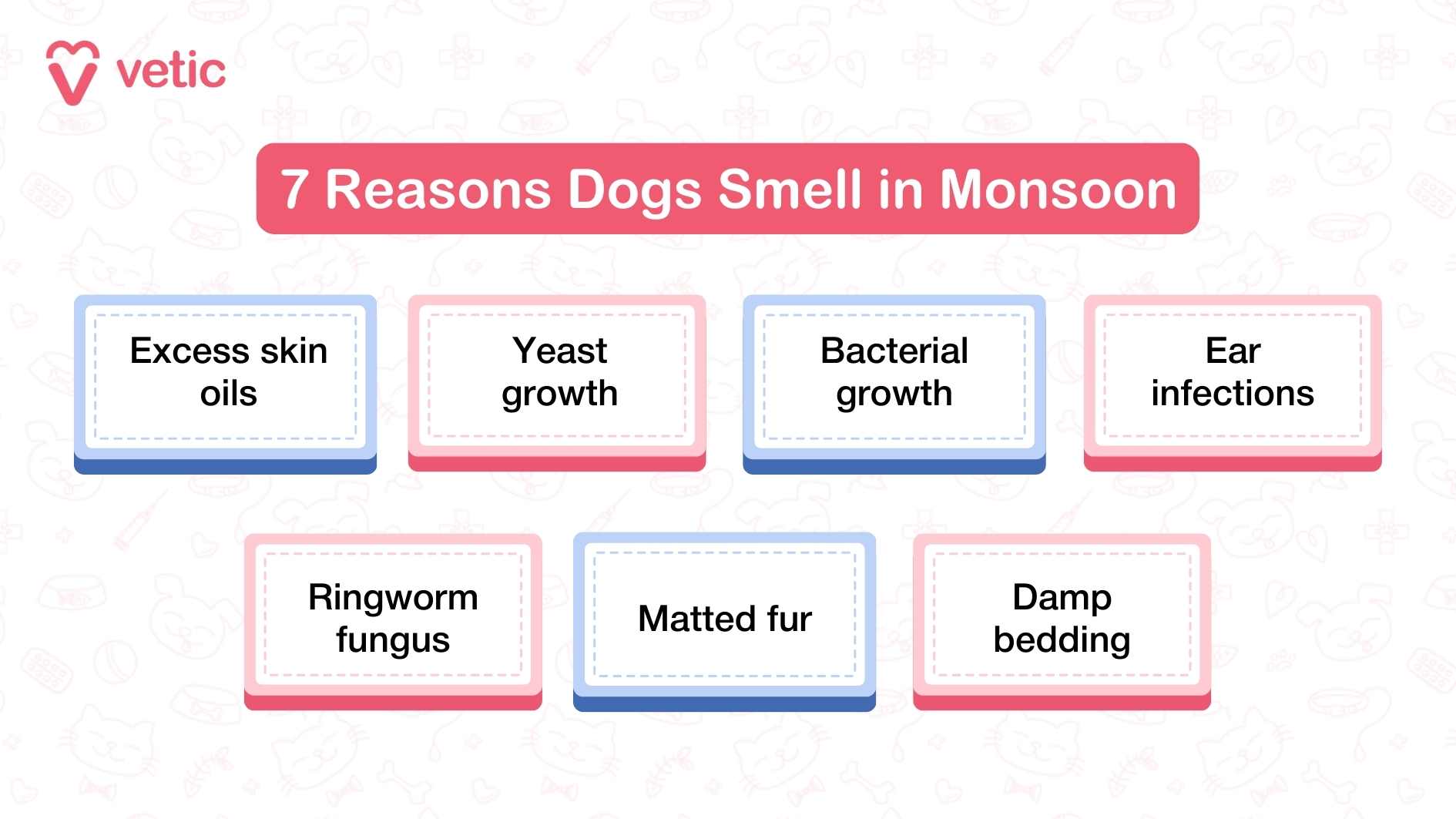
Understanding the difference between harmless “wet dog smell” and signs of infection is key to keeping your dog healthy and comfortable during the rainy season.
Understanding the Causes of Dog Odor During the Monsoon Season
Dog odor tends to become more noticeable during the monsoon due to increased humidity and damp conditions. Moisture gets trapped in your dog’s coat, skin folds, ears, and paws, creating an ideal environment for bacteria and yeast to grow.
In Indian cities where humidity levels remain high for extended periods, dogs often stay damp long after walks. This prolonged moisture not only intensifies natural odors but also increases the risk of infections. Additionally, muddy streets, polluted rainwater, and damp indoor environments further contribute to unpleasant smells.
While occasional odor is normal, persistent or strong smells should not be ignored, as they often indicate underlying health concerns.
Common Health and Environmental Reasons Your Dog Smells Bad in Humid Weather
1. The Classic “Wet Dog Smell”: Why Dogs Smell Stronger After Getting Wet in the Rain
The familiar “wet dog smell” is one of the most common reasons your dog smells during the monsoon. Dogs naturally have oils and microorganisms on their skin. When their coat gets wet, these compounds mix with water and release odor-causing molecules into the air.
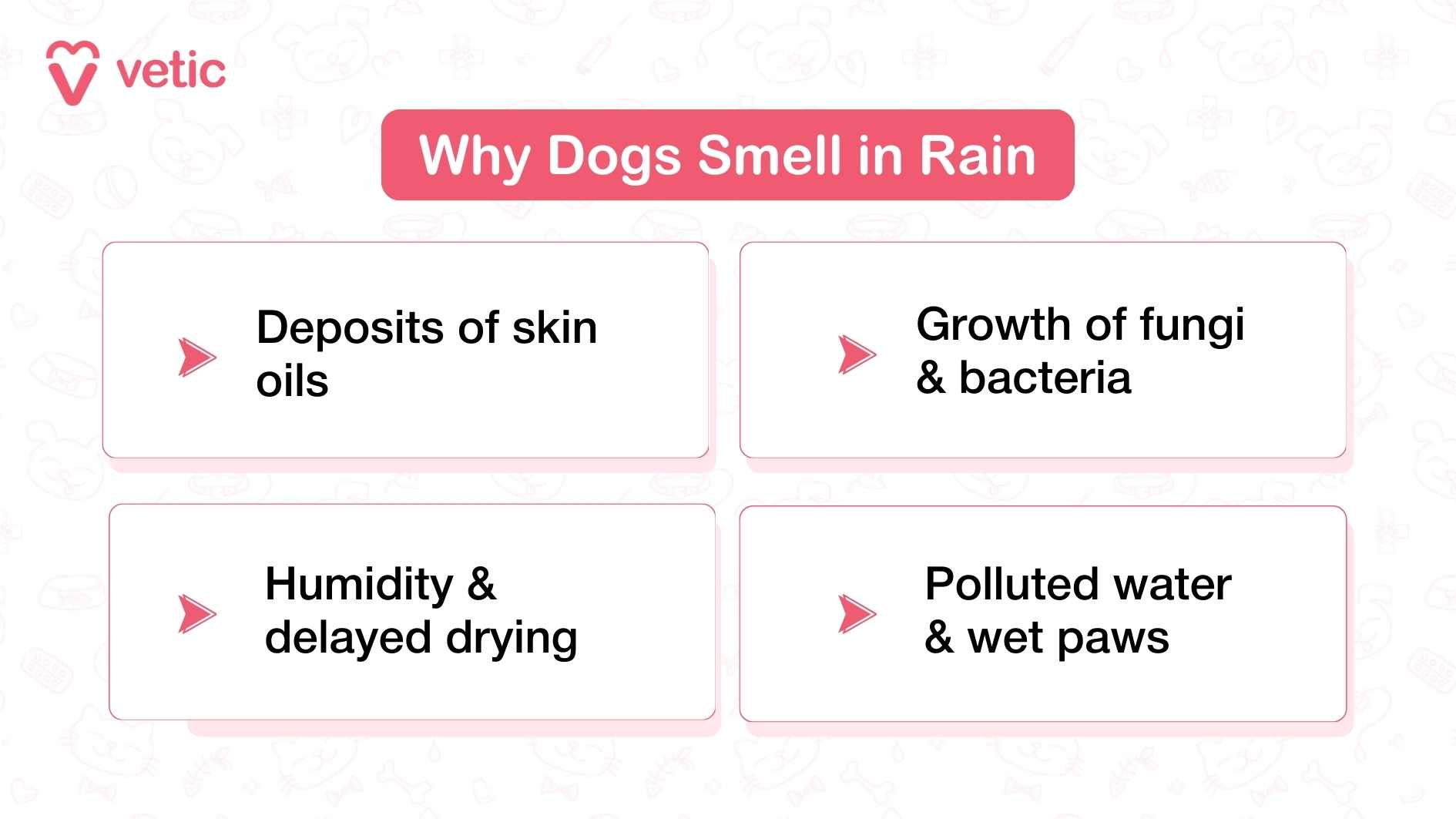
In humid weather, the drying process slows down significantly. This allows the smell to linger longer than usual. Rainwater mixed with mud and pollutants can further worsen the odor, especially in urban environments.
This type of smell is usually temporary and improves once your dog is properly dried.
2. Yeast Overgrowth in Humid Weather: Understanding the Musty or Rancid Dog Smell
Humidity creates the perfect environment for yeast (commonly Malassezia) to grow on your dog’s skin. When yeast multiplies excessively, it produces a strong, musty, or slightly sweet odor that does not go away even after drying.

This condition is often accompanied by:
- Red, itchy skin
- Greasy or flaky patches
- Odor from skin folds, armpits, groin, or neck
Breeds with skin folds or dense coats, such as Pugs, Shih Tzus, Bulldogs, and Golden Retrievers, are more prone to yeast infections, especially in Indian climates.
3. Bacterial Skin Infections (Hot Spots) That Cause Bad Odor in Dogs During the Rainy Season
Hotspots, also known as superficial bacterial infections or pyoderma, are very common during the monsoon. These occur when moisture gets trapped in the fur, allowing bacteria to grow rapidly on the skin.

Hotspots usually appear as:
- Red, inflamed, and moist patches
- Areas with hair loss or matted fur
- Foul, sharp-smelling odor
- Excessive licking or scratching
These infections can worsen quickly and are often painful, which is why they require prompt veterinary care.
4. Ear Infections in Humid Weather: A Common Cause of Strong Smell in Dogs
Moisture trapped inside the ear canal creates an ideal environment for bacterial and yeast infections. Dogs with floppy ears, such as Labradors, Beagles, and Cocker Spaniels, are especially at risk.
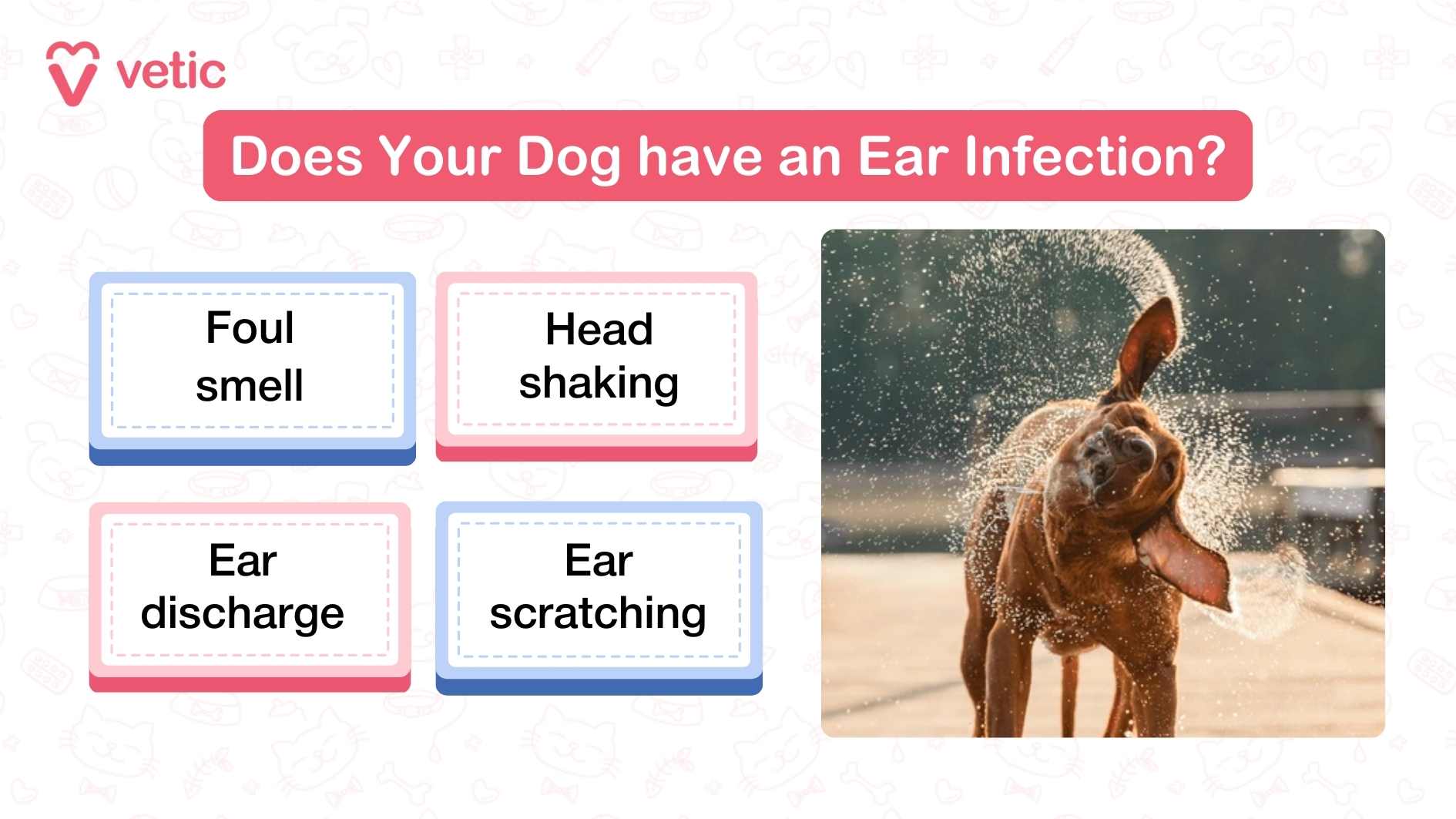
Signs of ear infections include:
- Sour or rancid smell from the ears
- Head shaking or tilting
- Scratching around the ears
- Redness or dark discharge
If left untreated, ear infections can become chronic and affect your dog’s comfort and hearing.
5. Ringworm in Dogs (Dermatophytosis): Fungal Skin Infection That Can Cause Odor
Ringworm is a fungal infection that becomes more common during humid weather. While it may not always produce a strong odor on its own, it can contribute to unpleasant smells when combined with bacterial or yeast infections.
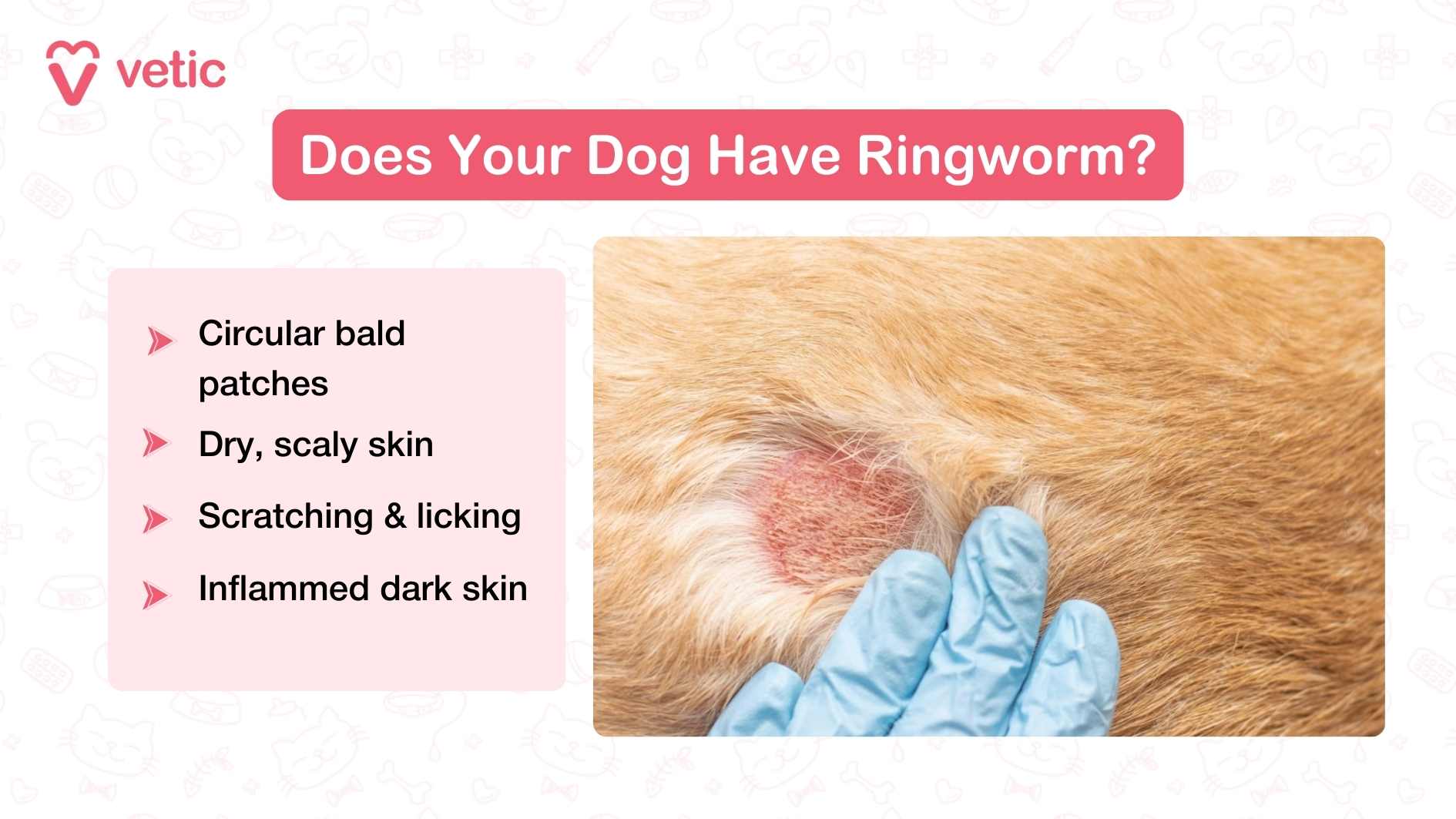
Typical signs include:
- Circular bald patches
- Red, scaly skin
- Mild itching
Ringworm is also contagious and can spread to humans and other pets, making early diagnosis and treatment important.
6. Matted Fur and Trapped Dirt That Leads to Persistent Dog Odor
Dogs with thick or long coats are more likely to develop mats during the monsoon. These mats trap moisture, dirt, and debris close to the skin, creating an ideal environment for microbial growth.
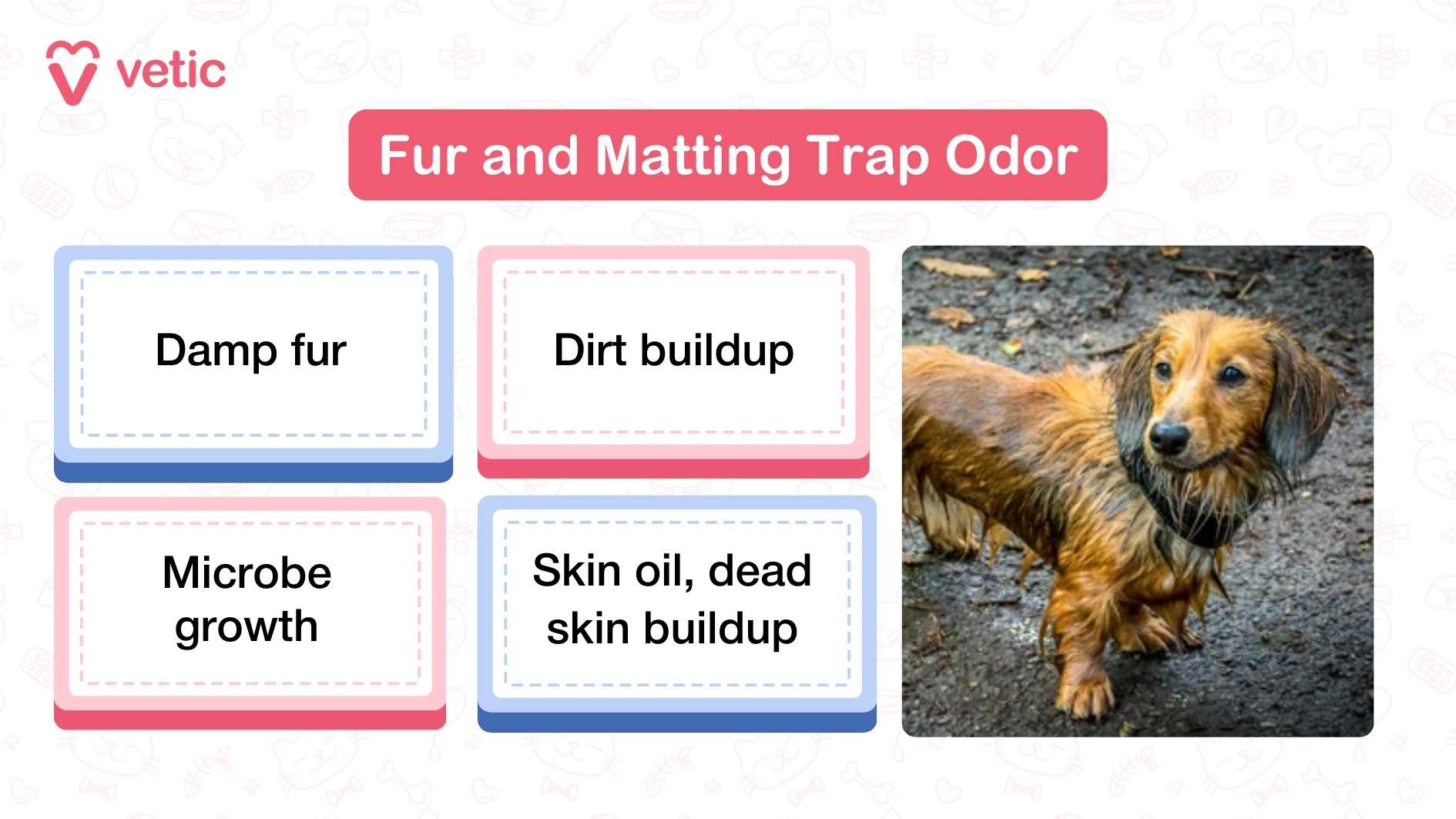
Over time, this leads to a dull, persistent odor that does not go away easily. Regular brushing and grooming are essential to prevent matting and maintain coat hygiene, especially in polluted and dusty urban environments.
7. Environmental Smells from Bedding, Damp Floors, and Rainy Season Moisture
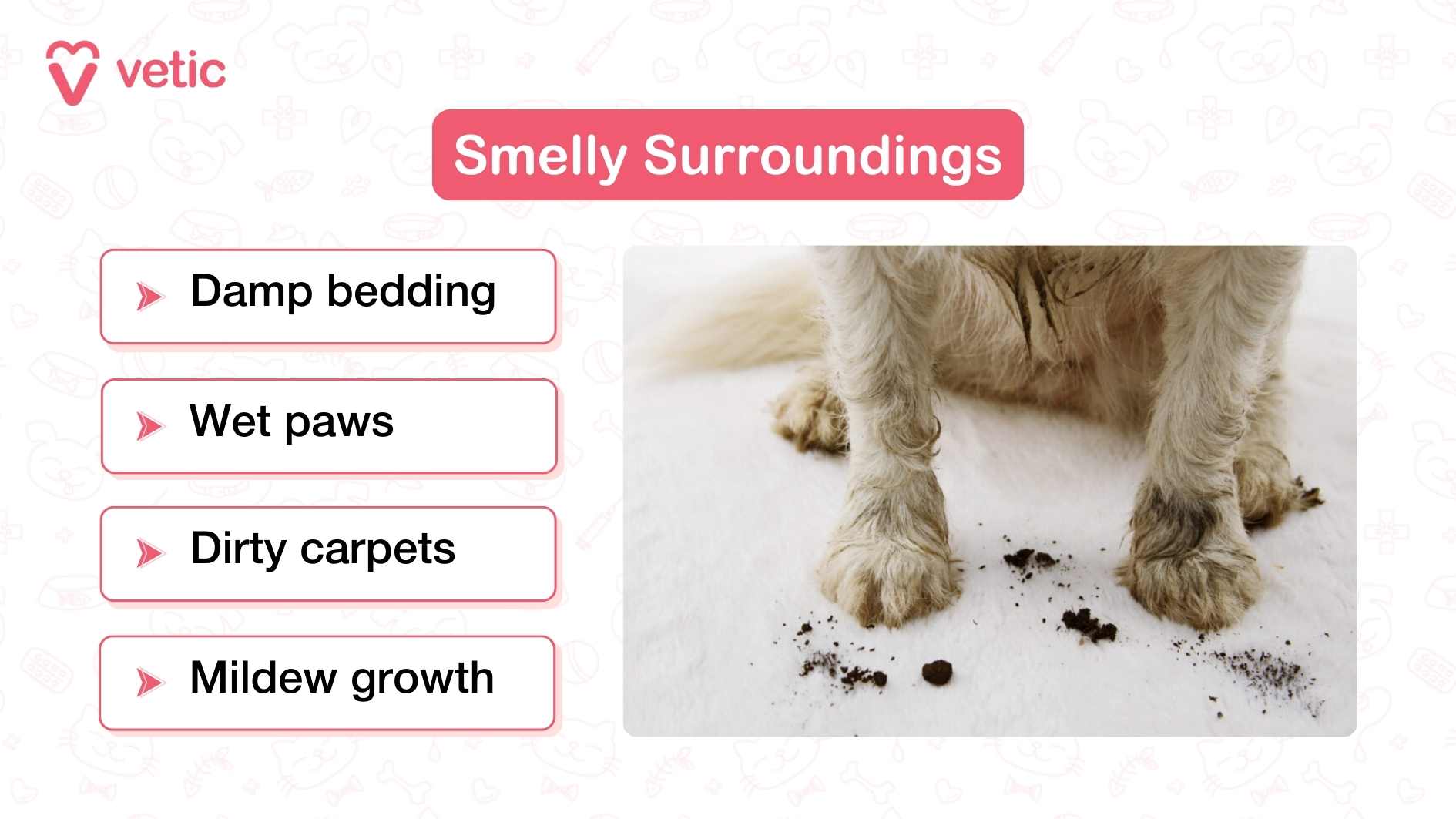
Sometimes, the smell is not just from your dog but from their surroundings. Damp bedding, carpets, and furniture can absorb moisture and develop mildew, which contributes to overall odor.
Common environmental contributors include:
- Wet bedding that is not dried properly
- Damp floors and carpets
- Mud and bacteria brought in through paws
In some cases, constant moisture around the paws can also lead to conditions like pododermatitis, which may cause additional odor and discomfort.
How to Control Dog Smell During the Rainy Season and Keep Your Dog Fresh

1. Weekly Bathing with Vet-Recommended Dog Shampoo During Monsoon
Bathing your dog regularly during the monsoon helps remove dirt, allergens, and microbes that cause odor. Use only vet-recommended shampoos, especially if your dog has sensitive skin or infections.
Avoid over-bathing, as it can strip natural oils and worsen skin problems. Always rinse thoroughly and ensure no shampoo residue is left behind.
2. Proper Drying After Walks to Prevent Moisture and Odor
Drying your dog properly after exposure to rain is one of the most important steps in preventing odor and infections.
Step-by-step drying:
- Use an absorbent towel to remove surface moisture
- Focus on hidden areas like between toes, under the belly, and tail
- Use a blow dryer on low heat for thick coats
Incomplete drying is one of the main reasons odor persists.
3. Daily Brushing to Remove Dirt, Loose Hair, and Trapped Moisture
Regular brushing improves air circulation within the coat and prevents moisture from getting trapped. It also helps remove loose hair, dirt, and debris that contribute to odor.
For long-haired dogs, brushing once or twice daily during the monsoon is ideal. This reduces matting and keeps the coat healthy.
4. Regular Ear and Paw Care to Prevent Fungal and Bacterial Growth
Cleaning your dog’s ears and paws regularly can prevent infections that cause strong smells.
- Clean ears once a week using a vet-approved solution
- Keep paw fur trimmed and dry
- Wipe paws after every walk to remove mud and bacteria
This simple routine can significantly reduce the risk of infections.
5. Keeping Your Dog’s Bedding and Home Environment Clean and Dry
Maintaining a clean environment is just as important as grooming your dog.
- Wash bedding weekly using hot water
- Dry bedding thoroughly in sunlight or under a fan
- Clean floors with pet-safe disinfectants
Reducing environmental moisture helps control overall odor in your home.
Dog Smells Funny in Monsoon: Warning Signs That Mean You Should Visit a Vet

While mild odor is normal during the monsoon, certain signs indicate a medical problem that requires veterinary attention.
Watch out for:
- Persistent odor even after bathing and grooming
- Redness, rashes, or oozing skin
- Hair loss or bald patches
- Excessive scratching or licking
- Head shaking or ear discharge
Early treatment can prevent these conditions from becoming severe and improve your dog’s comfort.
Final Thoughts: Keeping Your Dog Clean, Dry, and Odor-Free During the Monsoon
Monsoon-related odor in dogs is often a combination of moisture, environmental factors, and microbial growth. While the classic wet dog smell is harmless, persistent or strong odors can signal infections that need attention.
The key to managing this problem is consistency. Regular grooming, proper drying, clean surroundings, and timely veterinary care can help you keep your dog healthy and odor-free throughout the rainy season.
Frequently Asked Questions About Dog Smell in the Rainy Season
Why does my dog smell bad in the rainy season in India?
High humidity, damp fur, and microbial growth during the monsoon increase odor and the risk of infections.
What causes the wet dog smell and how do I get rid of it?
It is caused by natural oils and microbes reacting with water. Proper drying and regular grooming help eliminate it.
How do I know if my dog’s smell is normal or a sign of infection?
If the smell persists after grooming or is accompanied by itching, redness, or discharge, it may indicate an infection.
What are hotspots in dogs and how do I treat them in monsoon?
Hotspots are bacterial skin infections that require veterinary treatment, medicated shampoos, and proper hygiene.
How often should I bathe my dog during the monsoon season?
Once every 1–2 weeks is usually sufficient, depending on your dog’s coat and exposure to dirt.
How do I dry my dog properly after a walk in the rain?
Use towels and a low-heat dryer, focusing on areas where moisture tends to get trapped.
Why do my dog’s ears smell sour in the rainy season?
This is often due to yeast or bacterial ear infections caused by trapped moisture.
Can monsoon humidity cause yeast infections in dogs?
Yes, humid conditions promote yeast growth, especially in skin folds and dense coats.
Is ringworm in dogs contagious to humans during monsoon?
Yes, ringworm can spread to humans and other pets, so early treatment is important.
How do I keep my dog’s bedding clean and odour-free in monsoon?
Wash bedding weekly, dry it thoroughly, and maintain a clean, dry indoor environment.
References:
American Kennel Club (AKC). Why Do Wet Dogs Smell So Bad?
VCA Animal Hospitals. Yeast Dermatitis in Dogs
Cornell University College of Veterinary Medicine. Canine Ear Infections
MSD Veterinary Manual. Superficial Pyoderma in Dogs
PetMD. Ringworm in Dogs
The Hindu (India). Monsoon Care Tips for Pets