Skin health is just as important as coat care when it comes to your dog’s overall well-being. Many common skin conditions like dermatitis, scabies, and hotspots can cause significant discomfort if left unmanaged.
Regular grooming is not just about keeping your dog clean—it plays a crucial role in preventing, identifying, and managing these skin issues. When combined with medicated baths and veterinary care, grooming becomes an essential part of your dog’s treatment and recovery plan.
Why Regular Grooming Is Important for Maintaining Healthy Skin and Coat in Dogs
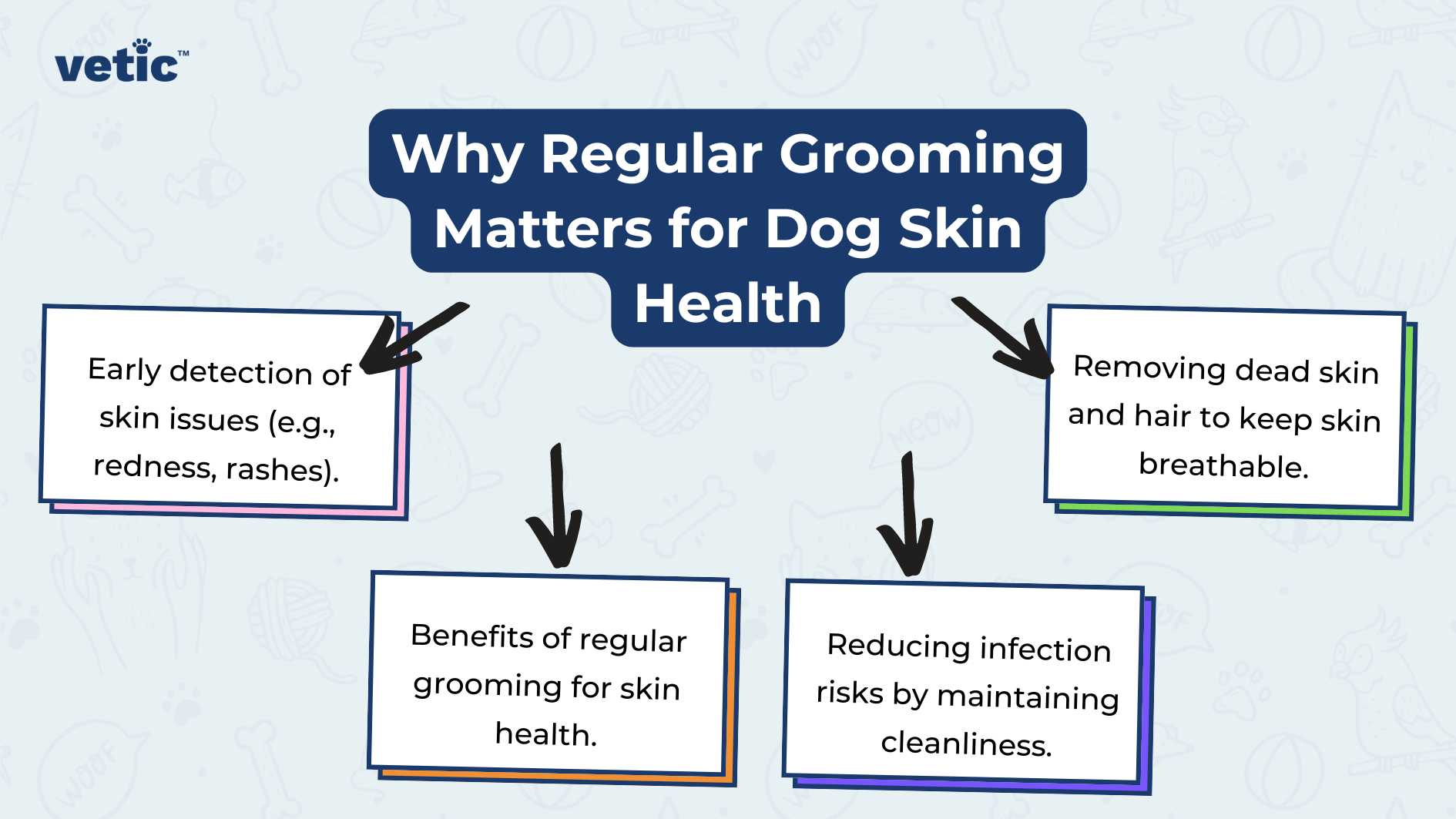
Regular grooming helps maintain the natural balance of your dog’s skin and coat. It removes dirt, allergens, and dead skin while improving air circulation to the skin. This is especially important in India’s climate, where humidity, dust, and parasites can easily trigger skin problems.
Grooming also allows pet parents to closely inspect their dog’s skin. Early signs like redness, flaking, bumps, or unusual odour can be detected before they turn into serious infections. In many cases, early detection through grooming can significantly reduce the severity and duration of treatment.
Common Skin Problems in Dogs That Grooming Can Help Manage
Dogs are prone to several skin conditions that can cause itching, inflammation, and discomfort. Regular grooming plays a key role in managing these conditions effectively.
1. Dermatitis – Causes, Symptoms, and Why Grooming Matters
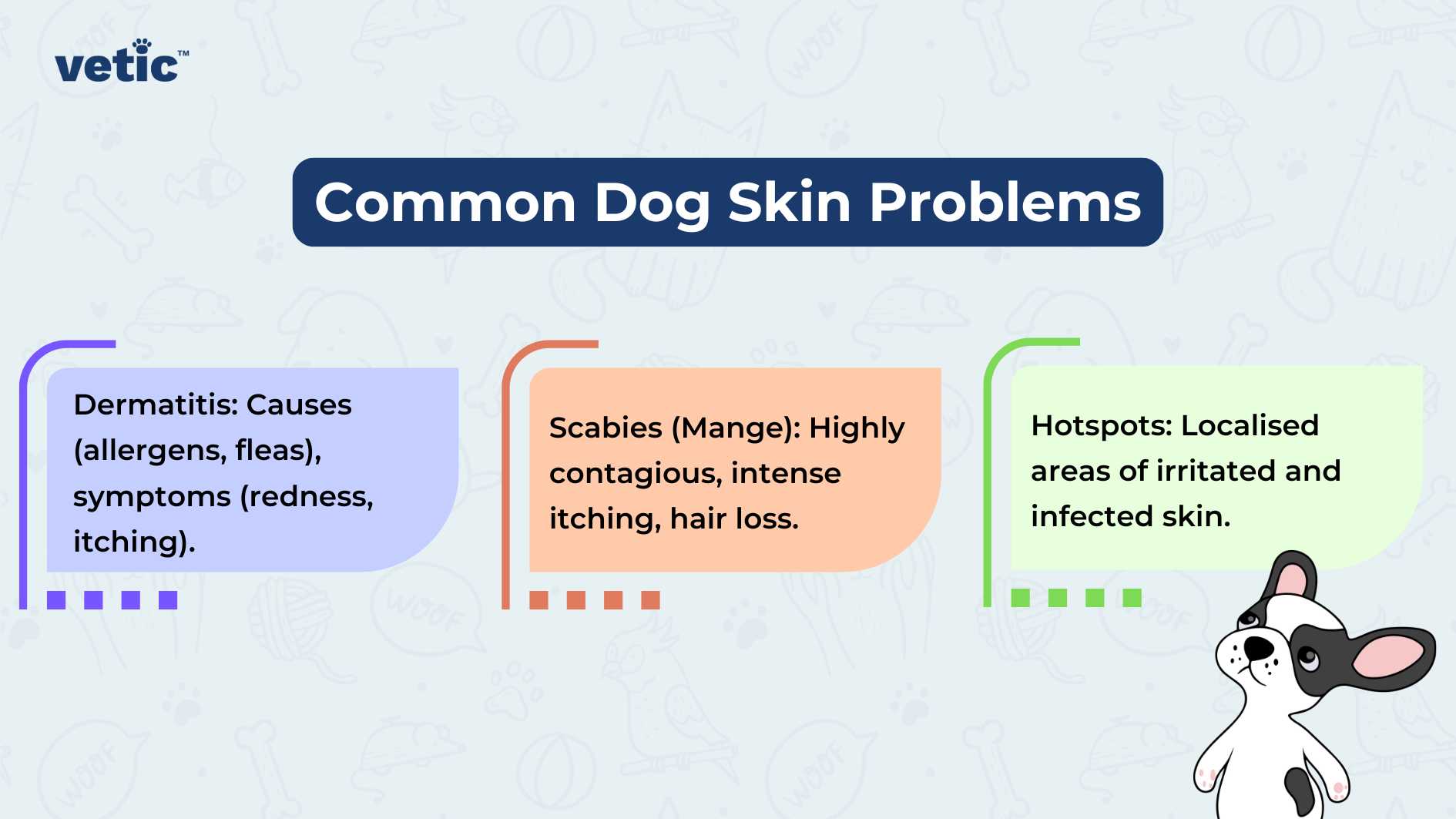
Dermatitis refers to inflammation of the skin caused by allergens, fleas, irritants, or underlying health conditions. It is one of the most common skin issues seen in dogs.
Typical symptoms include redness, itching, swelling, and crusty or flaky skin. Without proper care, dermatitis can worsen and lead to secondary infections.
Grooming helps by removing allergens such as dust, pollen, and chemical residues from the coat. It also keeps the skin clean, reducing irritation and preventing flare-ups.
2. Scabies (Mange) – How Grooming Helps Control Mite-Related Skin Issues
Scabies, also known as mange, is a highly contagious skin condition caused by mites. It spreads quickly between animals and can lead to severe discomfort.
Dogs with scabies often show intense itching, hair loss, red inflamed skin, and crusty sores. The constant scratching can further damage the skin and increase the risk of infection.
Regular grooming helps identify early signs of mite infestation. When combined with medicated baths and veterinary treatment, grooming helps remove debris and supports the effectiveness of anti-parasitic treatments.
3. Hotspots – Understanding and Managing Moist Dermatitis in Dogs
Hotspots are localised areas of inflamed, infected skin that develop due to excessive licking, scratching, or moisture buildup.
They usually appear as red, moist, and painful patches with hair loss and warmth in the affected area. Hotspots can worsen rapidly if not treated.
Grooming helps by keeping the coat clean and dry, preventing moisture from getting trapped. It also allows early detection so treatment can begin before the condition spreads.
How Regular Grooming Helps Manage and Prevent Skin Problems in Dogs
Grooming plays both a preventive and therapeutic role in managing skin conditions.
1. Prevents Skin Irritation by Removing Dirt, Allergens, and Debris
Regular brushing removes dust, pollen, loose fur, and environmental irritants that can trigger allergic reactions. It also prevents matting, which can trap moisture and bacteria, leading to infections.
By keeping the coat clean, grooming reduces the chances of skin irritation and discomfort.
2. Promotes Healing by Keeping the Skin Clean and Improving Air Circulation
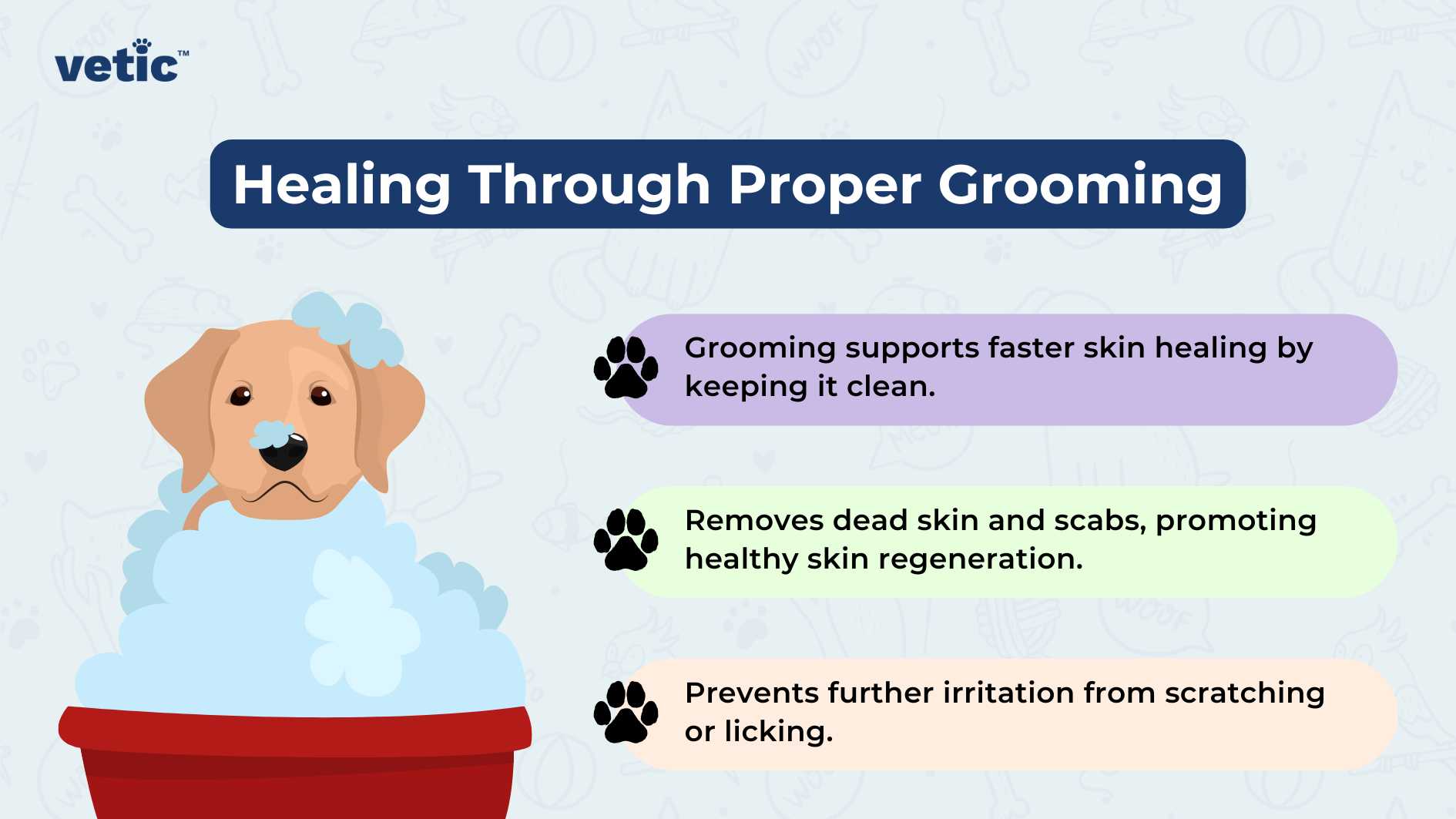
Clean skin heals faster. Grooming removes dead skin cells and scabs, allowing healthy skin to regenerate. It also improves airflow to the skin, which is essential for healing inflamed or infected areas.
Additionally, grooming helps prevent excessive licking and scratching, which can delay recovery.
3. Helps Identify Early Signs of Skin Infections and Parasites
One of the biggest advantages of regular grooming is early detection. You can quickly spot fleas, ticks, mites, rashes, or unusual skin changes.
Early identification allows timely treatment, preventing minor issues from becoming severe conditions that require intensive care.
Medicated Baths for Dogs with Skin Conditions Such as Dermatitis, Scabies, and Hotspots
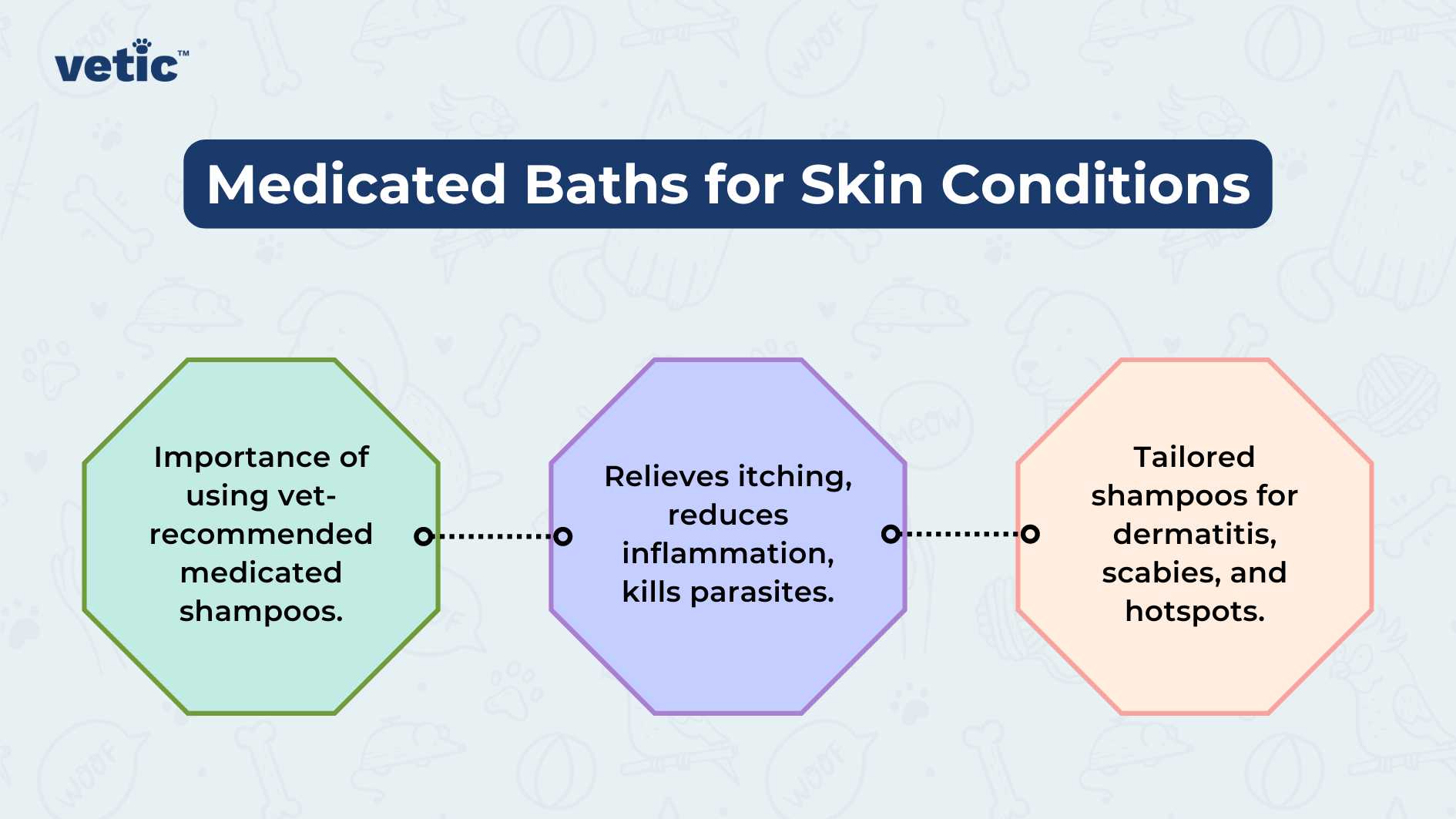
Medicated baths are a key part of managing skin conditions in dogs. They help treat the underlying cause while providing relief from itching and inflammation.
It is important to use only veterinarian-recommended shampoos. Human shampoos or over-the-counter products may worsen the condition or delay proper treatment, as many skin conditions look similar but require different treatments.
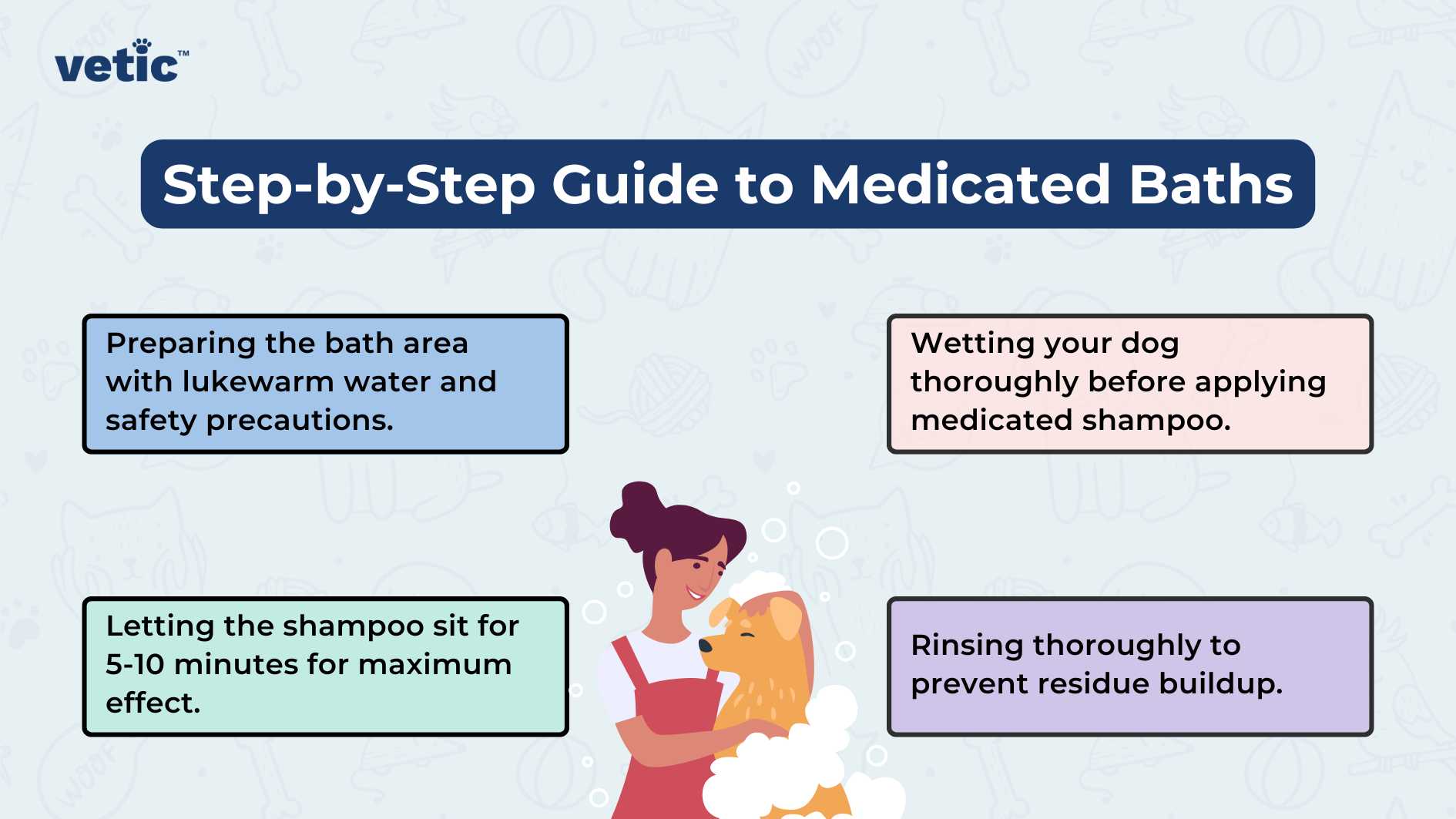 Step-by-Step Guide for Medicated Baths
A typical medicated bath includes:
- Using lukewarm water to avoid irritation
- Wetting the coat thoroughly
- Applying the prescribed shampoo and massaging it gently
- Allowing the shampoo to sit for 5–10 minutes for effective action
- Rinsing thoroughly to remove all residue
- Gently towel drying without using high heat
Medicated baths are usually recommended once or twice a week, depending on the condition and severity.
Benefits of Medicated Baths for Treating and Managing Dog Skin Problems
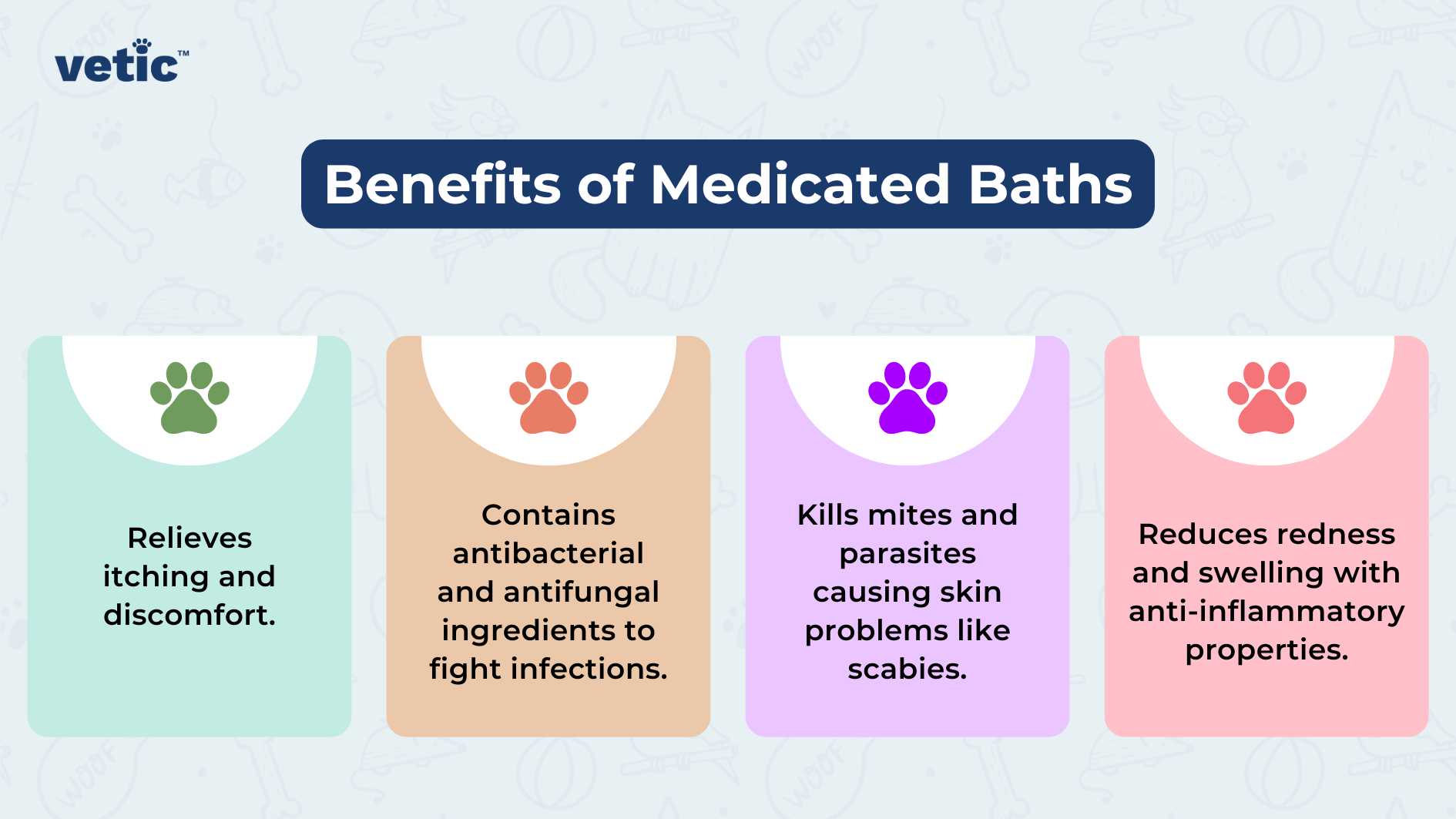
Medicated shampoos are specially formulated to target the root cause of skin problems while providing relief.
2. Helps Fight Bacterial and Fungal Infections
Many medicated shampoos contain antibacterial and antifungal ingredients such as chlorhexidine or benzoyl peroxide. These help eliminate harmful microorganisms and prevent infections from spreading.
3. Kills Parasites Such as Mites and Fleas
Anti-parasitic shampoos are effective in managing conditions like scabies. They help kill mites and reduce the risk of transmission to other pets.
4. Reduces Inflammation and Supports Skin Healing
Ingredients like oatmeal and hydrocortisone soothe irritated skin, reduce redness, and provide relief from itching. This helps improve your dog’s comfort and supports faster healing.
Additional Grooming Tips for Managing Skin Conditions in Dogs
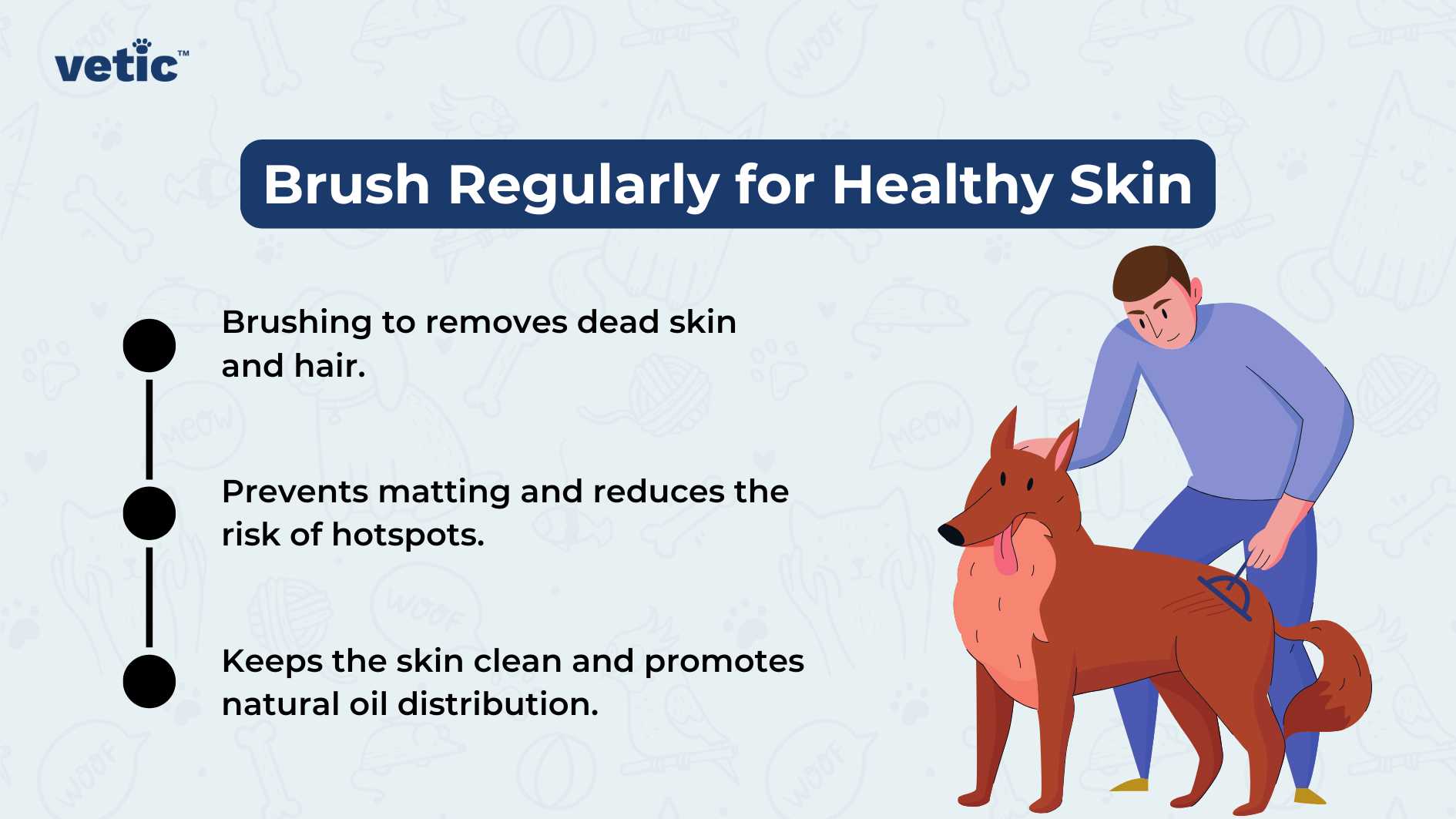
Maintaining a consistent grooming routine is essential for long-term skin health.
- Brush your dog regularly to remove dead hair and prevent matting
- Use hypoallergenic grooming products for sensitive skin
- Keep ears and paws clean, as these areas are prone to infections
- Follow a strict flea and tick prevention schedule
- Ensure your dog’s coat is completely dry after baths to avoid fungal growth
These small steps can make a significant difference in preventing recurring skin problems.
Signs Your Dog May Need Immediate Veterinary Attention for Skin Problems
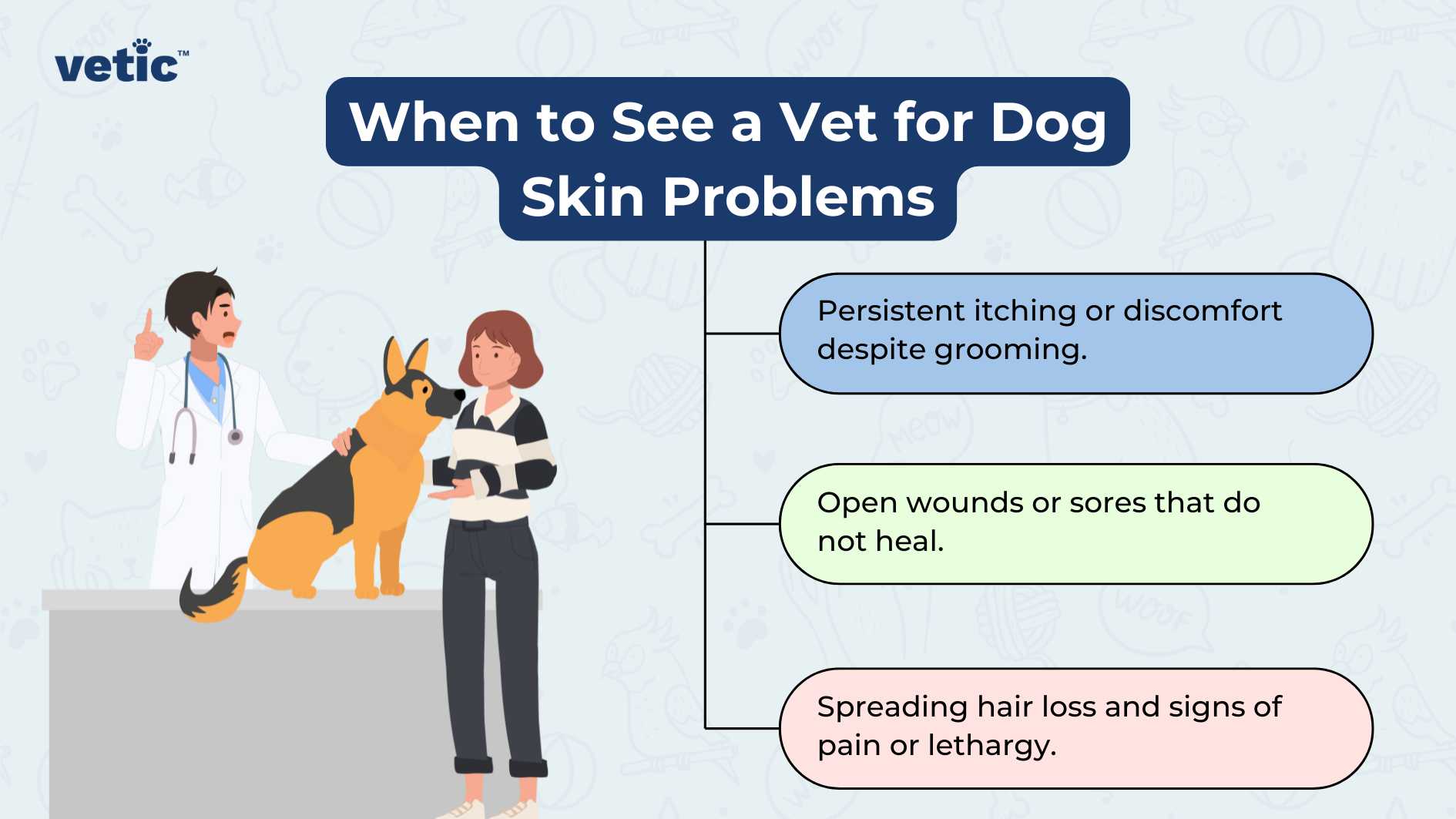
While grooming helps manage many skin issues, some signs require immediate veterinary care.
Contact a veterinarian if you notice:
- Persistent itching or discomfort
- Open wounds or sores that do not heal
- Rapid or spreading hair loss
- Bleeding, pus, or foul odour from the skin
- Signs of pain, lethargy, or behavioural changes
Professional evaluation ensures accurate diagnosis and effective treatment.
Wrap-Up: Consistent Grooming and Veterinary Care for Maintaining Healthy Dog Skin
Regular grooming is one of the most effective ways to maintain your dog’s skin health. It not only helps prevent conditions like dermatitis, scabies, and hotspots but also supports faster recovery when these issues occur.
When combined with medicated baths and timely veterinary care, grooming becomes a powerful tool to keep your dog comfortable, healthy, and free from skin-related discomfort.
Consistent care, attention, and the right grooming practices can significantly improve your dog’s quality of life.
Frequently Asked Questions About Dog Grooming and Skin Health
Can regular grooming prevent skin problems in dogs?
Yes, regular grooming helps remove allergens, dirt, and parasites, reducing the risk of skin infections and irritation.
What are the most common skin diseases in dogs in India?
Dermatitis, scabies (mange), fungal infections, and hotspots are among the most commonly seen skin conditions.
How do I know if my dog has scabies or just dry skin?
Scabies usually causes intense itching, hair loss, and red inflamed skin, while dry skin is milder and does not spread rapidly. A veterinarian can confirm the diagnosis.
What shampoo should I use for a dog with skin allergies?
You should use only vet-prescribed medicated shampoos tailored to your dog’s condition.
How do I give my dog a medicated bath at home?
Use lukewarm water, apply the prescribed shampoo, let it sit for 5–10 minutes, rinse thoroughly, and dry gently.
What causes hotspots on dogs and how do I treat them?
Hotspots are caused by excessive licking, moisture, or allergies. Treatment includes cleaning, medicated shampoos, and preventing further licking.
Can I use human shampoo on my dog with skin problems?
No, human shampoos can disrupt your dog’s skin pH and worsen irritation.
How often should I groom a dog with skin conditions?
Grooming frequency depends on the condition but usually includes regular brushing and medicated baths once or twice a week.
When should I take my dog to a vet for skin problems?
If symptoms persist, worsen, or include wounds, infections, or behavioural changes, consult a veterinarian immediately.
Is mange in dogs contagious to humans or other pets?
Yes, scabies (mange) is contagious to other animals and can sometimes cause temporary skin irritation in humans.