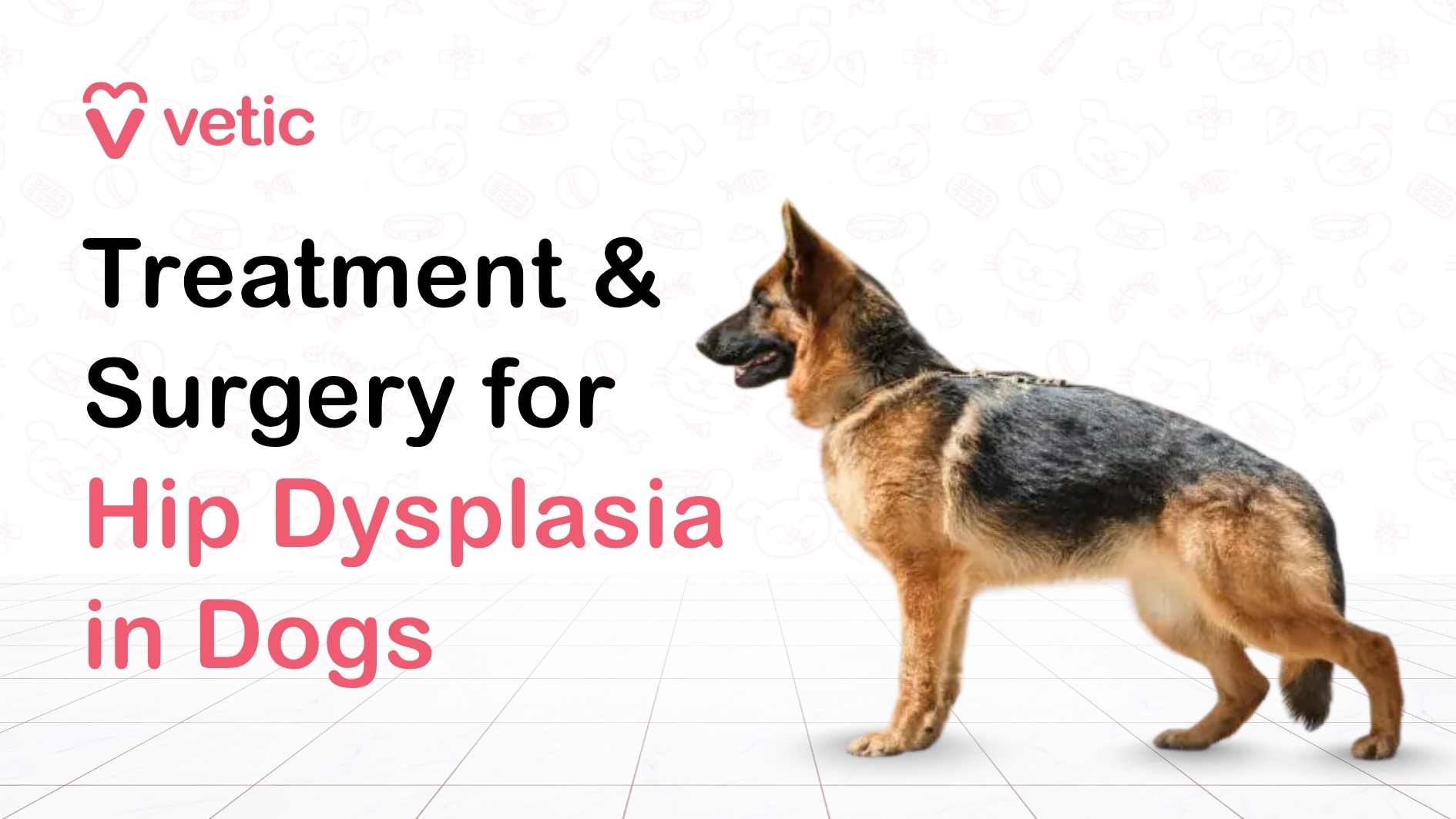
What is Hip Dysplasia in Dogs and Puppies?
Hip dysplasia in dogs is a painful orthopedic condition caused by an abnormal formation of the hip joint. Normally, the femoral head (ball) fits securely into the hip socket, but in dogs with dysplasia, this joint is loose or malformed, leading to instability, pain, inflammation, and eventually osteoarthritis.
What Causes Hip Dysplasia in Dogs and Pups?
Genetic predisposition is the primary cause, with some breeds more susceptible due to inherited factors. Environmental and nutritional influences also play a role, including rapid growth during puppyhood, obesity, and poor diet, which increase the risk and severity.
What are the Symptoms of Hip Dysplasia in Dogs?
Early Signs and Symptoms of Hip Dysplasia
Dogs may show difficulty rising, reluctance to run or jump, a “bunny-hop” gait, audible clicking in the hips, and mild stiffness after rest.
Severe and Advanced Symptoms of Hip Dysplasia in Dogs
Advanced cases present with chronic pain, muscle wasting in the hind limbs, persistent lameness, and significant mobility challenges.
Which Breeds are More Prone to Hip Dysplasia?
Breeds genetically predisposed to hip dysplasia include Labrador Retrievers, German Shepherds, Golden Retrievers, Rottweilers, Saint Bernards, Great Danes, and mixed large breeds.
How is Hip Dysplasia in Dogs Diagnosed?
- Clinical Examination: Your vet will assess gait, joint flexibility, pain response, and muscular symmetry.
- Imaging:
- X-rays remain the gold standard
- CT or MRI scans may be used in complex or surgical planning cases
What are the Treatment Options for Hip Dysplasia in Dogs (Pups and Adults)?
Oral Medication and Supplements for Hip Dysplasia in Dogs
Pain relief with NSAIDs, joint supplements like glucosamine and chondroitin, and muscle relaxants help manage symptoms medically.
Prescription Food and Special Diet for Hip Dysplasia in Dogs
Controlled diets and nutrition support weight management and reduce joint stress, complementing medical care.
When Is Surgery for Hip Dysplasia Recommended?
Surgery is typically considered when:
- Conservative treatments (pain meds, joint supplements, weight loss, physiotherapy) fail to control symptoms
- The dog shows chronic pain or increasing lameness
- There’s radiographic evidence of severe joint degeneration
- The dog is young and shows early signs of joint instability
A 2020 study published in the Journal of the American Veterinary Medical Association (JAVMA) emphasized that surgical outcomes for hip dysplasia are optimal when intervention occurs before end-stage arthritis sets in.
Types of Hip Dysplasia Surgeries in Dogs
Understanding Total Hip Replacement (THR)
The diseased hip joint is replaced with a prosthetic implant, restoring function and eliminating pain. THR is suited for medium to large dogs with severe arthritis and has a success rate over 90%.
Benefits:
- Restores near-normal joint function
- Relieves pain permanently
- Over 90% success rate in experienced hands
Drawbacks:
- High cost
- Requires extensive post-op care
- Implant-related risks like loosening or infection
What Happens During a Femoral Head Ostectomy (FHO)
The femoral head is surgically removed, allowing a false joint to form. This is a lower-cost option ideal for small to medium dogs or salvage cases but may alter gait.
Benefits:
- Pain relief without implant
- Lower cost than THR
- Can be done even in cases with existing arthritis
Drawbacks:
- Doesn’t restore full joint mechanics
- Dogs may develop a limp or altered gait
- Physical therapy is crucial for success
How Double or Triple Pelvic Osteotomy (DPO/TPO) Works
Performed in young puppies with hip laxity, this surgery repositions the pelvic bones to improve socket coverage and delay arthritis.
Benefits:
- Prevents progression of dysplasia
- Restores normal hip function
- Delays or eliminates need for future surgery
Drawbacks:
- Requires early diagnosis
- Not suitable once arthritis has developed
Early Correction with Juvenile Pubic Symphysiodesis (JPS)
An age-sensitive, minimally invasive procedure for puppies under 20 weeks that closes a growth plate to enhance hip stability and reduce future dysplasia risk.
Benefits:
- Minimally invasive
- Short surgery and recovery time
- Significantly improves joint stability
- Reduces the risk of developing hip dysplasia
- Can eliminate or delay the need for major surgery
Drawbacks:
- Extremely age-sensitive; must be performed before 20 weeks of age
What is the Cost of the Treatment for Hip Dysplasia in Dogs in India?
Costs vary by procedure and region: THR ranges from ₹1,80,000 to ₹2,50,000, FHO from ₹25,000 to ₹60,000, and DPO/TPO from ₹60,000 to ₹1,20,000, factoring in surgeon experience and post-op care.
Recovery and Rehabilitation After Hip Dysplasia Surgery in Dogs
Post-op, dogs require rest, careful wound care, restricted movement, and pain management for the first 1–2 weeks. Gradual rehab using leash walks, physical therapy, and hydrotherapy supports strength recovery over 3–6 months.
Week-by-Week Recovery Timeline
Time Frame | What to Expect | Your Role |
Week 1–2 | Rest, wound healing, no exercise | Administer medications, restrict movement, clean wound |
Week 3–6 | Begin gentle leash walks and rehab | Start rehab/physio, monitor gait and appetite |
Week 6–12 | Steady improvement, increased strength | Longer walks, introduce light play |
3–6 months | Return to near-normal function | Gradually resume daily activities |
Veterinary follow-ups are essential to monitor healing and evaluate joint function.
What to Expect After Surgery for Hip Dysplasia in Dogs?
Dogs may be groggy, swollen at the incision site, with reduced appetite initially. Pain is managed with medications, and movement should be restricted during early healing.
How to Help Your Dog Recover After Hip Dysplasia Surgery?
- Provide a Safe Recovery Space
Confine your dog to a soft, padded, and quiet area where movement is limited. Use non-slip flooring or rugs to prevent injury.
- Follow Medication and Wound Care Guidelines
Complete the full course of antibiotics and pain relief. Prevent your dog from licking or chewing the surgical site using an e-collar if needed.
- Commit to Physical Therapy
Rehabilitation is vital. Begin with passive range-of-motion exercises, then progress to hydrotherapy and controlled walking. Professional physiotherapy is recommended for optimal results.
- Nutrition and Weight Control
Excess weight puts additional strain on healing joints. Your vet may suggest a prescription diet or joint supplements to support recovery.
- Monitor Progress and Watch for Red Flags
Contact your vet if you observe:
- Excessive swelling or wound discharge
- Lethargy or persistent pain
- Loss of appetite
- Limping that worsens instead of improves
Recovery takes 8–16 weeks depending on the procedure and the individual dog. With your support, most dogs return to a pain-free, active life.
What is the Success Rate of Hip Dysplasia Surgery in Dogs?
THR has over 90% long-term success in pain relief and restoring full function. DPO/TPO offers success rates over 85% when done early, while FHO success varies from 70–90%, particularly effective in smaller dogs.
Hip Dysplasia Surgery Cost Considerations in India
Surgery costs vary widely; pet parents should consider surgeon expertise, facility quality, and additional rehab expenses as part of overall investment in treatment.
Surgery | Approx. Cost Range (INR) |
THR | ₹1,80,000 – ₹2,50,000 |
FHO | ₹25,000 – ₹60,000 |
DPO/TPO | ₹60,000 – ₹1,20,000 |
Conservative Care vs. Hip Dysplasia Surgery: When to Choose What
Choose surgery if pain persists or worsens, the dog is young with treatable joints, or restoration of mobility is a goal. Conservative care suits mild cases, older dogs with anesthetic risks, or where surgical costs and rehab commitment are constraints.
Can Hip Dysplasia in Dogs be Prevented?
While genetics can’t be changed, early screening, controlled exercise, maintaining healthy weight, and balanced nutrition during growth help reduce severity and delay onset.
FAQs about Hip Dysplasia Surgery
Will my dog walk normally again after surgery?
Most dogs recover well, especially after THR and early corrective surgeries, regaining near-normal function.
Can hip dysplasia be prevented?
Not entirely, but early screening and proper care reduce severity and improve outcomes.
Is it ever too late for surgery?
Surgery benefits dogs of various ages if they’re otherwise healthy, particularly with THR.
How long does recovery take after hip surgery?
Typically 8 to 16 weeks depending on surgery type, age, and rehab consistency.
Will my dog need surgery on both hips?
Not always; the second hip may be treated if symptoms persist.
Is surgery painful for dogs?
Mild discomfort is normal post-op, but medications manage pain effectively.
Can my dog avoid surgery with supplements and exercise?
Mild cases may benefit, but surgery is often necessary for moderate to severe dysplasia.
Are there non-surgical treatments that actually work?
Yes, including weight control, joint supplements, hydrotherapy, and pain medication in early-stage dysplasia.