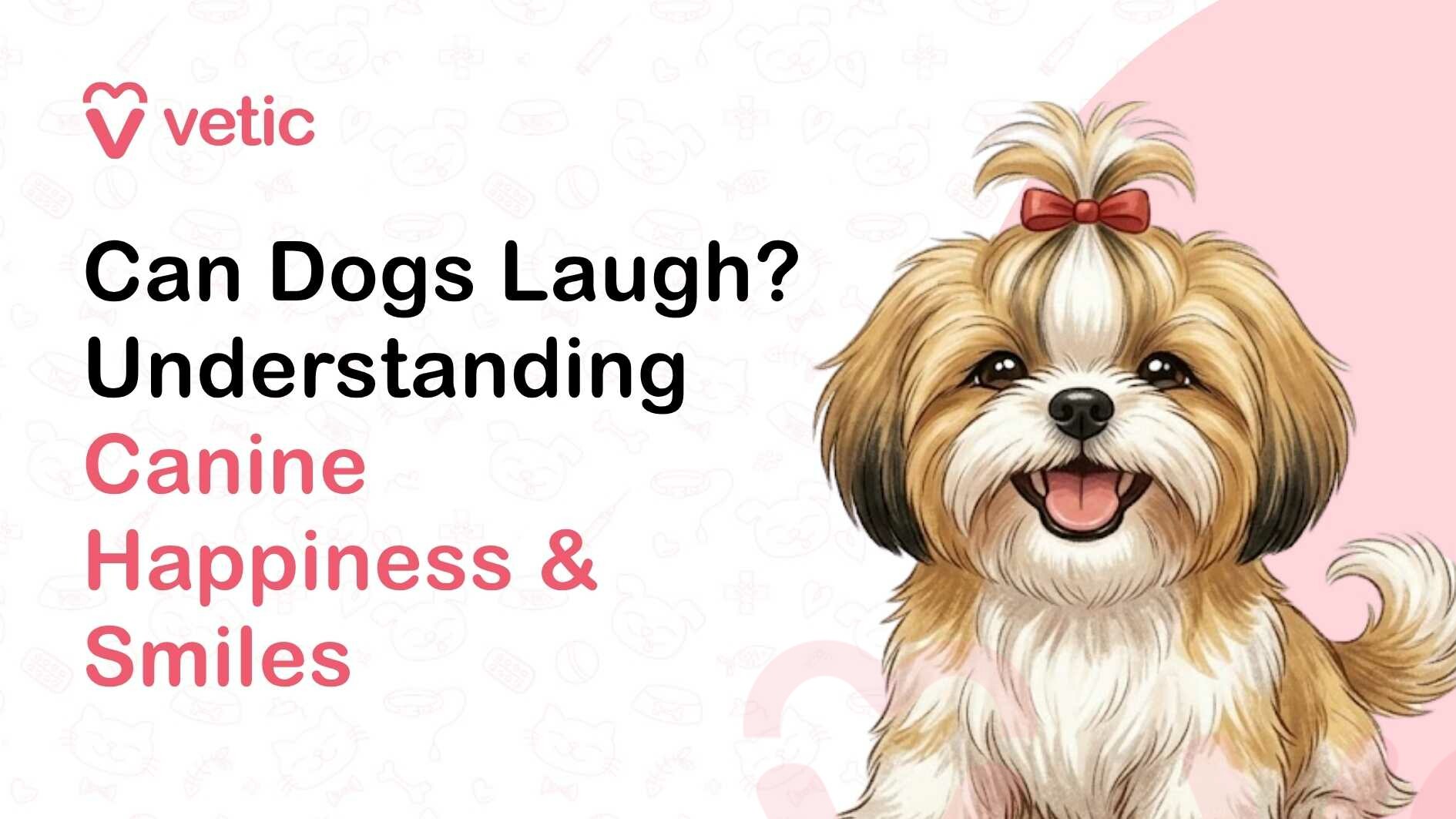
Have you ever sworn your dog was laughing while playing, or noticed a goofy grin during a happy moment? Many dog parents feel their pets laugh, smile, and share joy just like humans. But is that really true?
Dogs don’t laugh exactly the way people do. But they absolutely express happiness, joy, and playfulness in their own unique ways. Understanding these behavioural signals can deepen your bond with your dog and help you distinguish genuine happiness from stress or discomfort.
Let’s break down what canine happiness actually looks and sounds like.
What Does It Mean When a Dog Laughs?
When people talk about dogs laughing, they’re usually describing a specific combination of sounds, facial expressions, and body language that appears during play or positive social interaction.
Dogs don’t have the same vocal mechanisms as humans for laughter, but they do produce joyful, play-associated sounds and expressions that serve a similar emotional purpose.
Signs of Joy and Playfulness in Dogs
A “laughing” dog often shows several signs at once:
- A relaxed, open mouth (often mistaken for a smile)
- Soft, squinty eyes rather than wide or tense ones
- A loose, wiggly body
- Play bows (front legs lowered, rear end up)
- Bouncy, exaggerated movements
- Gentle, rhythmic tail wagging that involves the whole body
These behaviours commonly appear during:
- Play with other dogs
- Games with humans
- Exciting but safe activities like walks or training
The key difference from stress behaviours is relaxation; a happy dog looks loose, not stiff.
Differences Between Laughter, Panting, and Play Barking
It’s important not to confuse all open-mouth breathing with laughter. Here’s how they differ:
- Play panting (“dog laughter”): Short, rhythmic, breathy sounds during play; mouth relaxed
- Heat panting: Faster, heavier breathing with signs of overheating, which can lead to heatstrokes
- Stress panting: Mouth open but body tense, ears back, eyes wide
- Play barking: Higher-pitched, intermittent barks during social play
Context matters. A dog wrestling joyfully at the park is very different from a dog panting heavily after a stressful vet visit.
Book a vet consultation if you’re unsure about your dog’s breathing patterns or behaviour.
How Dogs Use Body Language to Show Happiness
Dogs rely far more on body language than vocalisation to communicate emotional states. Happiness, in particular, is shown through posture, movement, and facial expression.
Tail Wagging, Ears, and Facial Expressions
A happy dog typically shows:
- Medium-to-wide tail sweeps, often side to side
- A tail held at a neutral height (not tucked or rigidly high)
- Ears in a natural or slightly forward position, not pinned back
- A relaxed forehead without furrowing
- Soft eye contact, often with slow blinks
- A loose jaw, sometimes called a “happy face”
Not all tail wagging means happiness; speed, height, and stiffness all change the message.
Play Bow and Relaxed Posture
The play bow is one of the clearest invitations to fun in the canine world. It tells other dogs — and humans, “Everything that follows is playful.”
Happy posture includes:
- Bent front legs with the weight shifted back
- A curved spine rather than a rigid stance
- Frequent role reversals during play (chasing and being chased)
- Willingness to disengage and re-engage
- Rolling onto the back for belly rubs
- Leaning gently into a trusted person
- Gentle pawing for attention
This flexibility is a hallmark of positive emotional states.
Suggested Read: Head Tilt in Dogs: Symptoms, Causes, and Treatment Options Pet Parents Should Know
Do Dogs Actually Laugh Like Humans?
Canine “Laughter” vs Human Laughter
Dogs don’t laugh because they find something funny in the human sense. Human laughter is tied to humour and complex cognition. Dog “laughter” is more accurately:
- A play signal
- A social bonding sound
- A sign of positive emotional arousal
- Breath-based rather than vocal-cord based
It serves a similar social function, strengthening bonds, but arises from different brain processes.
Scientific Research on Dog Emotions
Research in animal behaviour has shown that dogs experience a range of emotions similar to those of young children. Studies involving brain imaging reveal that dogs respond to positive stimuli, such as familiar voices or praise, with activation in reward-related brain areas.
Behavioural experts have also identified a specific panting sound during play that differs from normal breathing. This sound:
- Occurs during relaxed play
- Can calm other dogs
- Encourages social interaction
Some animal shelters even use recordings of this sound to reduce stress in kennels. This suggests that it has a real emotional impact on dogs.
Can Dogs Smile and Show Affection?
Recognising a Canine Smile
A dog’s “smile” usually includes:
- An open, relaxed mouth
- Lips slightly pulled back
- Tongue visible but relaxed
- Eyes soft, not wide or staring
This expression usually appears during positive interactions, such as greeting a favourite person, playtime, or gentle training sessions.
Importantly, a true happy expression is never forced. It appears naturally and disappears just as easily.
Suggested Read: Why Do Dogs Pant So Much? Common Causes, Warning Signs, and When to Call the Vet
How Smiling Differs from Excitement
Excitement can look similar but has subtle differences:
- Excited dogs may jump, vocalise, or pace
- Smiling dogs are calm and content
- Excitement may involve tension; smiling does not
Learning this difference helps prevent overstimulation, which can tip joy into stress.
How Dogs Respond to Human Laughter
Understanding Emotional Contagion
Dogs are highly sensitive to human emotions. Emotional contagion refers to the tendency to “catch” the emotional state of another. Emotional contagion means they can:
- Mirror your mood
- Become more playful when you laugh
- Relax when you’re calm and happy
When you laugh during play, your dog may become more animated. Not because they understand the joke, but because they feel positive energy.
Examples from Play and Training
You may notice:
- Dogs becoming more engaged when you use a happy tone
- Faster learning during positive, joyful training sessions
- Increased playfulness when laughter is involved
- Bouncing toward you in excitement
Dogs thrive on positive emotional feedback, even if they don’t interpret it the way humans do.
Can You Encourage Your Dog to Laugh or Playfully Smile?
You can’t force happiness. But you can create conditions where joy naturally emerges.
Games and Activities That Trigger Joy
Activities that often bring out “laughing” behaviours include:
- Tug-of-war (with clear stop signs)
- Chase games with frequent pauses
- Gentle wrestling for dogs who enjoy body play
- Scent games and puzzle toys
- Training sessions using rewards and praise
Always let your dog opt in or out. Choice is essential for genuine happiness. The goal is engagement without overstimulation.
Training Positive Interactions
You can encourage joyful expression by:
- Using upbeat, calm voices
- Rewarding relaxed play
- Avoiding punishment-based training
- Keeping sessions short and upbeat
- Ending on a success
A safe, predictable environment helps dogs feel confident enough to express happiness.
Common Misinterpretations: When “Laughter” Is Not Happy
Not every open mouth or panting dog is joyful.
Panting Due to Heat or Stress
Signs, panting is not happiness:
- Heavy, rapid breathing that doesn’t slow with rest
- Mouth wide open with pulled-back lips
- Tongue stiff or extended far out
- Wide eyes or visible whites
- Drooling
- Restlessness
- Seeking cool surfaces
These indicate overheating or distress, not laughter. Book a consultation with a dog doctor right away if you notice these signs in your dog.
Whining, Growling, and Anxiety Signals
Sounds that sometimes sound like playful noise can signal fear, defensive behaviour, resource guarding, overstimulation, or anxiety in dogs.
Dogs may appear to “smile” during stress, known as a submissive grin:
- Lips pulled back tightly
- Lip licking
- Body lowered
- Avoiding eye contact
- Yawning when not tired
- Tail tucked between legs
This is a calming signal, not joy. Misreading it can lead to unsafe interactions. When in doubt, look at the whole dog, not just the sound.
Final Thoughts: About Dogs and Laughter
So, can dogs laugh? Not in the human sense of humour-driven chuckles. But they absolutely express joy in ways that resemble laughter. Through breathy panting, playful bows, wagging tails, and relaxed smiles, dogs communicate happiness clearly to those who know how to look.
Understanding these expressions allows you to respond appropriately, strengthen your bond, and ensure your dog feels safe, playful, and emotionally fulfilled. By observing body language and context, you can distinguish true joy from stress and nurture a lifetime of shared happiness.
In the end, whether it’s technically laughter or simply the pure expression of canine joy, one thing is certain: a happy dog has a way of making humans smile right back.
FAQs: About Dogs and Laughter
Can all dog breeds laugh or smile?
All breeds can express joy through body language. However, facial structure influences visible expressions. Breeds with shorter snouts may appear to “smile” more prominently. Others show happiness primarily through posture and tail movement. Personality and socialisation matter more than breed.
How do puppies show happiness differently from adult dogs?
Puppies are generally more exaggerated in their joy. They bounce and hop frequently, nip playfully, vocalise more often, and recover quickly from excitement. Adult dogs may display calmer signs of contentment, such as gentle tail wagging or relaxed leaning.
Can dogs experience embarrassment?
There’s no strong scientific evidence that dogs experience embarrassment in the complex human sense. What looks like embarrassment, such as avoiding eye contact after misbehaviour, is more likely a response to nonverbal cues and tone of voice. Dogs are highly sensitive to cues and may act submissively rather than feeling shame.
References
Arford, K. (n.d.). Why Do Dogs Bark At Each Other? American Kennel Club. https://www.akc.org/expert-advice/advice/why-do-dogs-bark-at-each-other/
Fries, W. C. (n.d.). Heavy Panting in Dogs. WebMD. https://www.webmd.com/pets/dogs/dog-panting-heavily
Johnstone, G. (2021, November 30). How Do I Know If My Dog Is Happy? American Kennel Club. https://www.akc.org/expert-advice/advice/how-do-i-know-if-my-dog-is-happy/
Patterdale, S. (2024, November 15). Do Dogs Have a Sense of Humor? American Kennel Club. https://www.akc.org/expert-advice/family-dog/do-dogs-find-things-funny/ Purina. (n.d.). Why Do Dogs Wag Their Tails. Www.purina.co.uk. https://www.purina.co.uk/articles/dogs/behaviour/common-questions/why-do-dogs-wag-their-tails