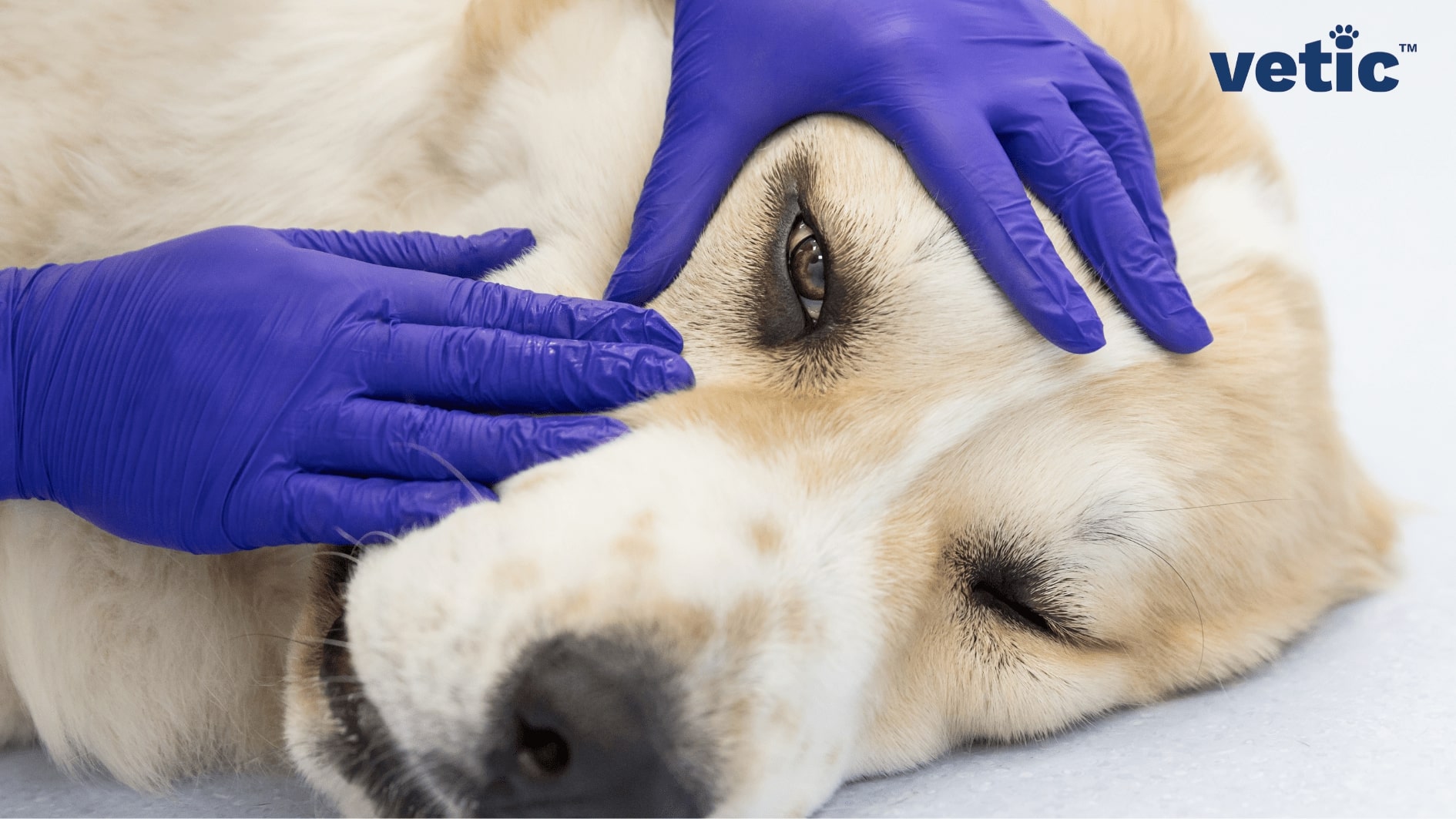
What is acute kidney injury (AKI) in dogs?
Acute Kidney Injury (AKI) in dogs is a sudden decline in kidney function that results in the buildup of wastes and toxins in the body. Unlike chronic kidney disease, which develops slowly, AKI happens quickly and can cause severe dehydration, fluid retention in the abdomen, and electrolyte imbalances. Even with significant kidney damage, early creatinine levels may appear normal; elevated creatinine often indicates a critical state of AKI. Chronic kidney disease in dogs is a related condition involving long-term kidney function loss.
How the Kidneys Function and Support a Dog’s Health
The kidneys filter blood to remove waste products and excess fluids, maintain the body’s electrolyte balance, and regulate blood pressure. When kidneys fail, waste accumulates, causing symptoms like lethargy, vomiting, and changes in urination. Persistent kidney damage leads to chronic kidney disease, impairing these vital functions over time.
Grading Acute Kidney Injury (AKI) in dogs according to IRIS
The International Renal Interest Society (IRIS) categorizes AKI severity in dogs from Grade I to V based on serum creatinine levels, urine output, and prior kidney health. Grades range from mild (Grade I, creatinine <1.6 mg/dl) to severe (Grade V, creatinine >10 mg/dl), guiding prognosis and treatment strategies.
What can cause AKI in dogs?
Dog kidney failure causes include various internal and external factors that can act singly or combined.
Common Risk Factors Leading to AKI in Dogs
- Genetic predisposition
- Infectious diseases such as leptospirosis or bacterial kidney infections
- Exposure to nephrotoxins like certain medications or toxins
- Age-related kidney degeneration and vascular issues
What are the signs of AKI in dogs?
Early Warning Signs Compared to Late-Stage Symptoms
Symptoms to watch in early AKI include:
- Increased or decreased thirst
- Lethargy and weakness
- Vomiting and nausea
- Diarrhea
- Reduced appetite or anorexia
- Changes in urination frequency or absence of urination
Diagnosis of chronic kidney disease in dogs
For diagnosis, a “dog kidney test near me” typically includes a combination of blood tests, urine analysis, and imaging studies to assess kidney function and identify damage.
Diagnostic Tests and Procedures Used for CKD in Dogs
- Complete Blood Count (CBC) to evaluate overall health and detect anemia
- Urinalysis to detect proteinuria and infections
- Serum creatinine and SDMA tests to quantify kidney function and stage disease
Veterinarians may refer to detailed diagnostics and lab tests for accurate staging and treatment plans.
What are the available treatments of AKI?
Dietary Management and Nutritional Support
Dogs recovering from AKI benefit from a renal diet low in protein and phosphorus, supplemented with omega-3 fatty acids and antioxidants. Hydration support is key to recovery.
Medications and Fluid Therapy for Recovery
IV fluid therapy is critical to correcting dehydration and electrolyte imbalances. Supportive medications may include anti-nausea drugs and kidney-protective supplements.
Home Care Practices and Follow-Up Veterinary Visits
Aftercare includes a checklist of hydration management, medication adherence, monitoring of symptoms, and regular follow-up visits to track recovery progress.
How does dialysis help with the treatment and prognosis of AKI in dogs?
Peritoneal Dialysis for Dogs with Acute Kidney Injury
Peritoneal dialysis uses the dog’s abdominal lining to filter toxins and balance electrolytes, commonly used in AKI Grades III to V.
Hemodialysis as a Treatment Option for AKI in Dogs
Hemodialysis involves an artificial kidney to purify the blood outside the body, effective for severe cases but requires specialized clinics.
What is the outcome of AKI in Dogs?
The prognosis depends heavily on early diagnosis and treatment quality. Recovery can take weeks, with some dogs fully recovering kidney function and others developing chronic kidney disease.
What is CKD in dogs?
Chronic Kidney Disease (CKD) in dogs is a long-term condition where the kidneys gradually lose their ability to function properly over at least three months. This steady decline leads to damage in the kidneys that cannot be reversed, affecting their ability to filter waste, balance fluids, and maintain healthy body functions.
Grading CKD in dogs: IRIS Staging of CKD
The International Renal Interest Society (IRIS) has developed a staging system to classify CKD severity in dogs. This system helps veterinarians decide on the best treatment by measuring blood levels of creatinine and SDMA—markers that indicate kidney function. CKD is divided into four stages, with Stage I being the mildest and Stage IV the most severe.
What can cause CKD in dogs?
CKD can be caused by:
- Genetic factors or inherited kidney problems
- Congenital defects present from birth
- Infections such as leishmaniasis and borreliosis
- Long-term exposure to toxins or other diseases affecting the kidneys
Stages of chronic kidney disease in dogs
This table shows that as CKD progresses, kidney function worsens and symptoms become more severe.
Recovery and Long-Term Care for Dogs with Kidney Disease
Managing Chronic Kidney Care at Home
- Give all prescribed medications on time
- Make sure your dog drinks plenty of water
- Keep your dog comfortable and stress-free
Tips to Prevent Kidney Problems in Dogs
- Always provide fresh water for your dog
- Feed a kidney-supportive, balanced diet
- Take your dog for regular veterinary check-ups
What are the signs of CKD in dogs?
Common signs of sickness in dogs include increased thirst, frequent urination, tiredness, loss of appetite, vomiting, diarrhea, blood in urine, and mouth ulcers. These symptoms often appear only after significant kidney damage.
What are the available treatments for CKD in dogs?
Treatment aims to slow CKD progression and manage symptoms:
- Special renal diets low in protein and phosphorus to protect kidneys
- Fluid therapy to prevent dehydration
- Medications to control complications like high blood pressure and anemia
- Regular monitoring of kidney health by a vet
When to See a Vet for Kidney Issues
Seek urgent veterinary care if your dog has persistent vomiting, blood in urine, lack of appetite, or stops urinating, as these are signs of worsening kidney function.
My dog has CKD, will he/she survive?
Survival depends on the CKD stage, how well treatment is followed, the underlying causes, and any complications. Dogs diagnosed early (Stage I or II) generally have a better prognosis.
Is CKD curable? Can dialysis help dogs with CKD?
CKD cannot be cured because kidney damage is permanent. However, dialysis (especially hemodialysis) can help remove toxins from the blood in severe cases, improving comfort and quality of life.
How do I effectively manage CKD in my dog?
Effective management includes early detection, following diet and fluid recommendations, giving medications as prescribed, regular vet visits to monitor kidney function, and watching for changes in symptoms.
FAQs
What are the common causes of acute kidney injury in dogs?
Toxins, infections, genetics, and urinary blockages can cause sudden kidney failure called acute kidney injury (AKI).
How can I tell if my dog has chronic kidney disease?
Look for signs like increased thirst and urination, lethargy, loss of appetite, vomiting; lab tests confirm CKD.
What are the symptoms of acute kidney injury in dogs?
Symptoms appear suddenly: vomiting, loss of appetite, weakness, and changes in urination.
What is the difference between acute kidney injury and chronic kidney disease in dogs?
AKI is rapid kidney failure, often reversible; CKD is slow, permanent kidney damage.
Can chronic kidney disease in dogs be reversed or cured?
No, CKD cannot be cured but its progression can be slowed with treatment.
How is acute kidney injury diagnosed in dogs?
Through blood creatinine tests, urine analysis, and sometimes imaging.
What are the treatment options for chronic kidney disease in dogs?
Renal diet, fluid therapy, medications, and monitoring.
Can I prevent kidney disease in my dog?
Maintain hydration, avoid toxins, provide a balanced diet, and have regular vet check-ups.
What are the stages of chronic kidney disease in dogs?
CKD has four stages determined by creatinine and SDMA levels, ranging from mild to severe.
How can diet help manage kidney disease in dogs?
A low-protein, low-phosphorus kidney-supportive diet helps reduce kidney workload and slows disease progression.