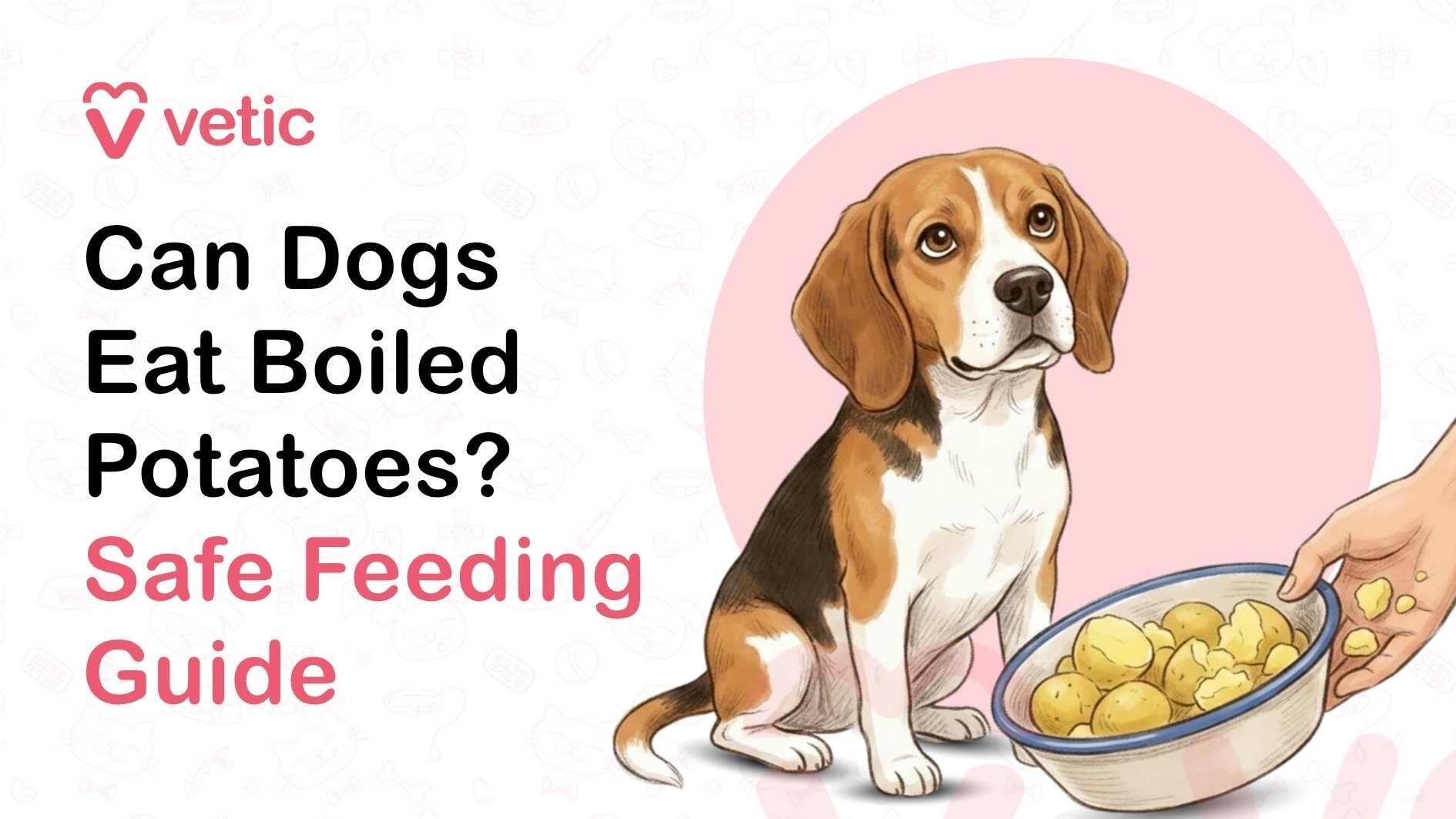
If you’ve ever found yourself asking, “Can dogs eat boiled potatoes,” it’s a practical and reasonable question. Potatoes are simple, affordable, and often sit right on your plate, so it’s natural to wonder whether they can be shared safely. While potatoes (and some other vegetables) are not toxic when properly cooked, their suitability for dogs depends on correct preparation, portion control, and your dog’s individual health status.
This guide explains when boiled potatoes are safe, how to serve them responsibly, and when they may be best avoided.
Understanding Whether Dogs Can Safely Eat Boiled Potatoes
In short, can dogs eat boiled potatoes safely? Yes, provided the potato is thoroughly cooked, served plain, and given in moderation. The safety difference lies primarily between raw and cooked forms.
Raw potatoes contain glycoalkaloids such as solanine, compounds that can cause digestive upset and toxicity in dogs if consumed in sufficient quantities. However, even cooked potatoes should remain an occasional addition rather than a dietary staple.
Suggested Read: 15 Good Vegetables for Dogs: A Nutritional Guide for Dog Parents
Differences Between Raw and Boiled Potatoes for Dogs
Raw potatoes contain solanine, a naturally occurring compound found in the nightshade family. Solanine is concentrated in green or sprouted potatoes and can be toxic to dogs in sufficient amounts.
Boiling significantly reduces solanine levels and improves digestibility.
Why Raw Potatoes Can Be Toxic to Dogs
Raw potatoes, particularly those that are green, sprouted, or stored improperly, contain higher levels of solanine, a naturally occurring compound that can be toxic to dogs when ingested in significant amounts.
Consumption may lead to gastrointestinal upset such as vomiting, diarrhoea, and abdominal discomfort.
In more serious cases, dogs may show weakness, lethargy, tremors, or other neurological signs. Because the concentration of these compounds is unpredictable and the risk is avoidable, raw potatoes should never be offered to dogs.
How Boiling Potatoes Changes Their Safety and Digestibility
Boiling:
- Reduces solanine levels
- Softens starches
- Makes potatoes easier to digest
This is why plain boiling is the safest preparation method when you choose to feed potatoes to your dogs.
Are Boiled Potatoes Nutritionally Beneficial for Dogs or Just an Occasional Treat?
You may wonder, is boiled potato good for dogs, or is it simply filler without any meaningful benefit? The answer depends on moderation and overall dietary balance.
While boiled potatoes can provide small amounts of vitamins, minerals, and energy, they are not essential to a dog’s nutritional needs. When offered occasionally and in appropriate portions, they can be a safe addition, but they should never replace a complete and balanced, protein-focused diet.
Key Nutrients in Potatoes: Vitamins, Minerals, and Fiber
Boiled potatoes contain:
- Vitamin C
- Vitamin B6
- Potassium
- Small amounts of fiber
Boiled potatoes contain vitamin C, vitamin B6, potassium, and small amounts of fiber. However, dogs already synthesize vitamin C and typically obtain adequate nutrients from balanced commercial diets.
These nutrients can contribute mildly to overall health, but they are not essential if your dog is already on a complete and balanced commercial diet.
Calories and Carbohydrate Content Considerations
Potatoes are carbohydrate-rich. While dogs can digest carbohydrates more efficiently than cats, excessive intake can contribute to weight gain.
How Potatoes Fit Into a Balanced Dog Diet
Dogs are omnivorous and can tolerate moderate carbohydrates. However, their primary nutritional needs are met through:
- Quality protein
- Healthy fats
- Essential vitamins and minerals
Boiled potatoes should remain a supplemental treat rather than a dietary staple.
Suggested Read: Vitamins and Nutrition: Does my dog need supplements?
How to Prepare and Serve Boiled Potatoes Safely to Your Dog
Proper preparation makes all the difference when offering human foods to dogs. Even ingredients that are generally considered safe can become harmful if cooked incorrectly or combined with unsuitable additives. The method of cooking, the removal of potentially problematic parts, and the portion size all influence how well your dog can tolerate the food. Paying attention to these details helps reduce risks such as choking, digestive upset, or unnecessary calorie intake.
Proper Cooking Methods: Plain Boiled, No Seasoning or Oil
If you’re thinking about offering boiled potatoes to your dog, keep the following points in mind:
- Use plain water to boil
- No salt
- No butter
- No oil
- No garlic or onion
Seasonings that are safe for humans may be harmful to dogs.
Cutting Potatoes Into Small, Manageable Pieces
Cut potatoes into:
- Small cubes
- Bite-sized pieces
- Soft textures
This reduces choking risk, especially in small breeds.
Mixing Potatoes With Regular Dog Food
You can:
- Mash a small amount into regular food
- Offer as a standalone treat
- Combine with lean protein
Keep portions small to prevent calorie overload.
Avoiding Additives Like Butter, Salt, or Spices
Butter and oils add unnecessary fat. Salt can contribute to dehydration and sodium imbalance. Garlic and onion are toxic to dogs.
Plain is always safest.
How Much Boiled Potato Can a Dog Eat Without Risking Health Issues?
Portion control plays a central role in deciding whether boiled potatoes are appropriate for your dog. Even foods that are generally safe can become problematic if fed in excessive amounts. Because potatoes are calorie-dense and rich in carbohydrates, overfeeding may contribute to weight gain, digestive upset, or dietary imbalance. Offering small, measured portions ensures they remain an occasional treat rather than a nutritional concern.
Portion Control Based on Dog Size and Weight
As a general guideline:
- Small dogs: 1–2 teaspoons occasionally (10-25 g)
- Medium dogs: 1–2 tablespoons (30-45 g)
- Large dogs: a few small chunks (up to 60 g)
Treats, including potatoes, should not exceed 10% of your dog’s daily caloric intake.
If your dog gains weight easily, reduce frequency.
Are There Specific Types of Potatoes or Dog Health Conditions to Avoid?
Not all potatoes and not all dogs are the same.
Sweet Potatoes vs. Regular Potatoes
Sweet potatoes are often considered more nutrient-dense than white potatoes because they contain more fiber and beta-carotene. However, both can be fed safely when properly cooked and served plain.
Dogs With Diabetes or Obesity
Potatoes have a relatively high glycemic index. Dogs with diabetes may experience blood sugar fluctuations after consuming them.
If your dog is diabetic or overweight and you’re wondering if you should give potatoes to them, consult your veterinarian before offering any.
Allergies or Digestive Sensitivities
While many dogs tolerate small amounts of boiled potato without issue, some may show signs of digestive sensitivity, particularly if the food is introduced suddenly or given in larger portions. Because potatoes are carbohydrate-rich and not a natural staple in every dog’s routine diet, the gastrointestinal system may react while adjusting. Introducing new foods gradually allows you to assess individual tolerance and reduce the risk of discomfort.
Possible signs of intolerance include:
- Loose stools or diarrhea
- Increased gas or bloating
- Vomiting
- Reduced appetite or mild abdominal discomfort
Start with a very small quantity and observe your dog over 24 hours before offering more.
Key Takeaways
- Can dogs eat boiled potatoes? Yes, if plain and fully cooked.
- Never feed raw or green potatoes.
- Avoid salt, butter, oils, garlic, and spices.
- Serve in small portions appropriate to your dog’s size.
- Do not replace a balanced diet with potatoes.
- Dogs with diabetes or obesity should avoid or limit intake.
FAQs: About Feeding Boiled Potatoes to Dogs
Can Dogs Eat Potato Skins?
Potato skins may contain higher levels of glycoalkaloids, particularly if the potato is green or sprouted. They can also be harder for some dogs to digest.
Can Puppies Safely Eat Boiled Potatoes?
Puppies have higher protein requirements for growth. Small amounts of plain boiled potato may be tolerated, but they should not replace nutrient-dense puppy food.
Is It Safe to Feed Potatoes to Dogs With Health Problems?
Dogs with diabetes, obesity, pancreatitis, or gastrointestinal disease may need stricter dietary control. Always consult your veterinarian before introducing new foods.
Can Boiled Potatoes Replace Part of a Dog’s Regular Diet?
No. Boiled potatoes lack essential amino acids and nutrients required for balanced canine nutrition. They should remain an occasional treat.
How Do I Know if My Dog Likes Potatoes?
Dogs may respond differently when offered potatoes. Some may eat them eagerly, while others may sniff the food and walk away without interest. A few dogs may experience mild digestive upset after trying them. Individual preference and tolerance vary, so it is important to observe your dog’s response carefully whenever introducing any new food.
References
Purina India. (n.d.). Can dogs eat potatoes? Purina India. https://www.purina.in/care-and-advice/dog/feeding-and-nutrition/can-dogs-eat-potatoes
The Spruce Pets. (2023, August 31). Can dogs eat potatoes? https://www.thesprucepets.com/can-dogs-eat-potatoes-4775846Ripley, K. (2023, November 13). Can dogs eat potatoes?American Kennel Club. https://www.akc.org/expert-advice/nutrition/can-dogs-eat-potatoes/