Key takeaways:
- Puppies can start learning simple things, like their name, from 8 weeks old.
- Positive reinforcement outperforms punishment-based methods in nearly every study on dog behaviour.
- Sessions should be short, just 3 to 5 minutes, several times a day.
- Socialisation matters as much as commands, but should follow your vet’s vaccine guidance.
- Your puppy just came home, and you’re already wondering if you’re doing this right. Should training start today? Tomorrow? Next week?
- The short answer: start now, but keep it light. Puppy training in the first few days is less about obedience and more about building trust and good habits. It also helps prevent dog behavioural problems.
- The good news is that puppies are wired to learn fast. A few minutes here and there, done consistently, beats one long session a week. This guide walks through when to start, what methods work, and how to build skills week by week.
When Should You Start Puppy Training?
The honest answer is: as soon as your puppy is home, usually around 8 weeks old. Learning how to train puppies early sets the tone for everything that follows.
What Puppies Can Learn at 8 Weeks
At 8 weeks, puppies can already learn their names, simple cues like “sit,” and basic potty routines. Keep expectations realistic and sessions playful. Attention spans are genuinely short at this age.
What Do You Need Before Puppy Training Starts?
A few basics make everything else easier, and most of them cost very little to set up.
Rewards
Small, high-value treats work best, something your puppy genuinely loves and doesn’t get every day. Cheese, cooked chicken, or freeze-dried liver are common favourites.
Markers
A clicker or a consistent word like “yes” tells your puppy exactly what earned the reward. It works best right at the moment the behaviour happens.
Timing
Reward within a second or two of the behaviour, or the connection between action and reward gets lost.
Crate
A crate gives your puppy a safe, den-like space for rest and structured downtime, away from constant stimulation.
Leash
A well-fitted leash and collar or harness make early walks safer and calmer for both of you.
Safe Space Basics
A quiet, puppy-proofed area limits chaos and accidents while your puppy settles into the household routine.
What Puppy Training Methods Work Best?
Among the many approaches out there, positive reinforcement consistently comes out ahead. It’s also one of the simplest techniques for training puppies to start using from day one.
Positive Reinforcement vs Why Punishment Backfires
Rewarding good behaviour builds confidence and speeds up learning, especially in a young, impressionable puppy. Punishment, by contrast, often creates fear and can damage trust without teaching the puppy what to do instead.
How Do You Train a Puppy in Short Sessions?
Keep sessions to 3 to 5 minutes, several times a day, rather than one long block. Puppies lose focus fast, and short bursts keep the experience fun rather than tiring.
The First Week Home Plan and Daily Schedule
Focus the first week on name recognition, potty routine, and calm settling, nothing more. Short, frequent sessions beat one exhausting hour every time, for both of you.
What Skills Should You Teach a Puppy First?
A handful of core skills form the foundation for everything else your dog will ever learn.
Potty Training and Basic Commands
Consistent potty breaks and simple cues like sit and stay come first, well before anything more advanced. These build the routine that everything else relies on.
Recall
Coming when called is one of the most important safety skills a puppy can learn, and it’s worth practising often.
Leash Walking
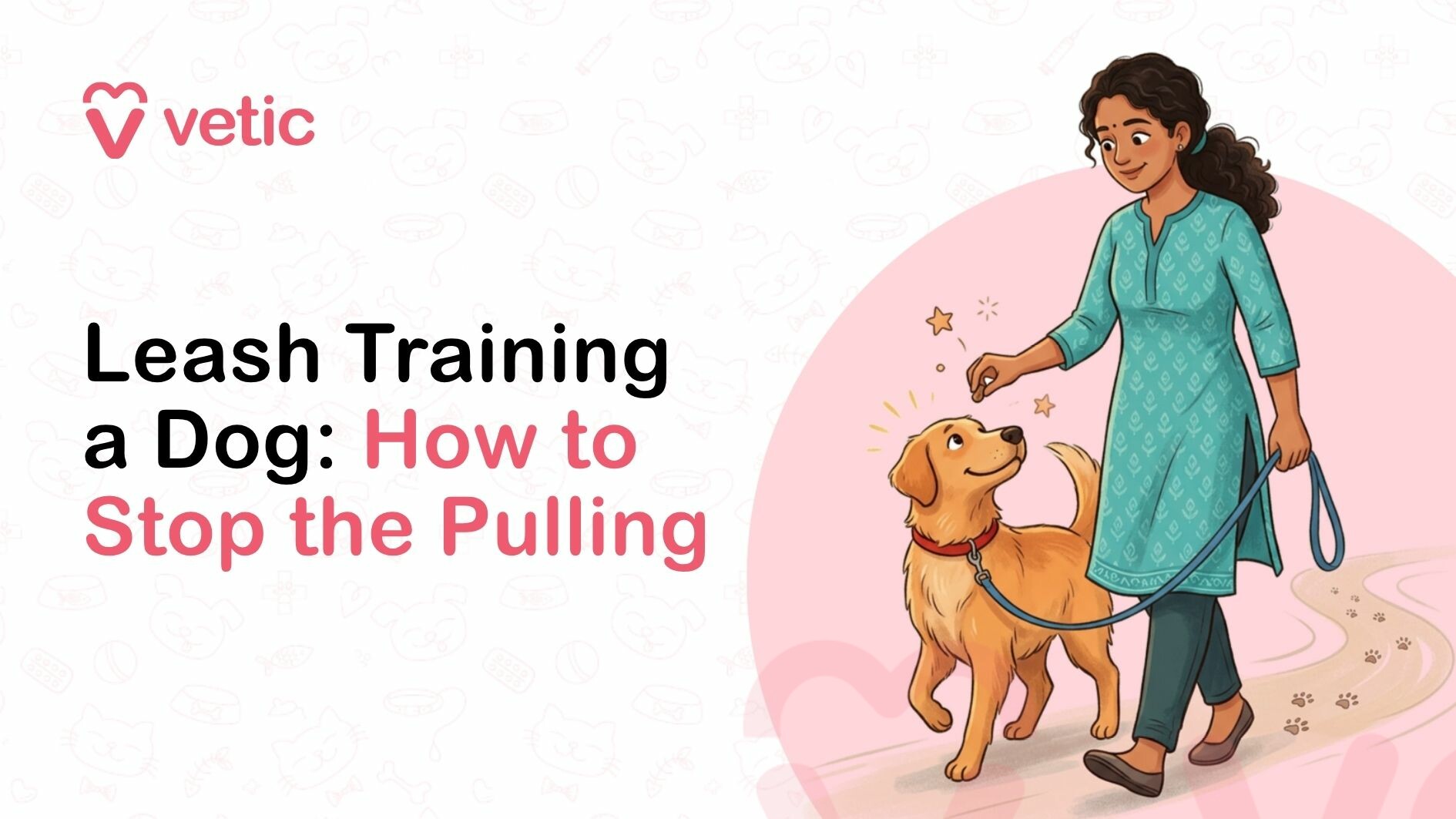
Loose-leash walking takes patience, but it makes every future walk far more enjoyable for you both.
Crate Comfort
A puppy that’s comfortable in a crate settles more easily during vet visits, travel, and time alone. Building this comfort early pays off for years to come.
What Is the Puppy Training Timeline by Age?
Expectations should shift as your puppy grows, both physically and mentally.
8 to 12 Weeks
Focus on name recognition, potty training, gentle handling, and early, positive socialisation experiences.
3 to 6 Months
Build on basic commands, start loose-leash walking, and gradually introduce longer, more focused sessions.
How Do You Socialise a Puppy Safely?
Positive exposure to new people, sounds, and safe environments matters enormously during this window. A calm, well-managed introduction beats a rushed or overwhelming one every time.
Vet-Approved Safety During Vaccine Windows
Full vaccination isn’t complete until several months in, but current guidance favours starting socialisation early rather than waiting. Most puppies can start about a week after their first vaccine, avoiding high-risk areas like dog parks until fully vaccinated. Delaying all socialisation until full vaccination can do more harm than good. Ask a vet at the nearest dog vaccination clinic for guidance specific to your puppy.
What Puppy Training Mistakes Should You Avoid?
The biggest mistakes are usually about consistency, not effort or intention.
Inconsistency and Expecting Too Much Too Fast
Mixed signals from different family members confuse puppies fast, since cues and rules need to stay consistent. Expecting adult-level focus from an 8-week-old sets everyone up for frustration.
When Should You Teach Puppy Tricks?
Save tricks for once the basics are solid, usually a few weeks into training. Fun tricks to teach dogs, like paw or spin, work well as a bonding bonus rather than a priority. They’re also a great way to keep sessions interesting.
When Do You Need Professional Puppy Training Help?
Some puppies need more support than a home routine alone can offer, and that’s completely normal.
Signs Your Puppy Needs a Trainer or Vet
Persistent fear, aggression, or extreme anxiety are signs that it’s time to bring in a professional trainer or an experienced vet for dogs. These behaviours rarely resolve on their own, and waiting can make them harder to address.
Conclusion: About Puppy Training
Puppy training doesn’t need to be complicated or rigid. Short, consistent, reward-based sessions build a confident, well-mannered dog over time.
If you’re ever unsure whether something is normal puppy behaviour, a vet can help. Book a vet consultation now.
FAQs: About Puppy Training
What Is the 7-7-7 Rule for Puppies?
It’s a socialisation guideline suggesting puppies meet 7 new people, surfaces, sounds, and experiences by 7 weeks old. It’s a helpful framework to aim for, not a strict requirement to stress over.
What Is the 3-3-3 Rule for Dog Training?
It describes a rescue dog’s adjustment period. Three days to decompress, three weeks to settle in, and three months to feel at home.
What Is the 10-10-10 Rule for Puppies?
This one is less standardised than the others. It generally refers to short, repeated socialisation exposures spread across many situations.
What Are the 7 Steps of Puppy Training?
There’s no single official list, but most trainers cover name recognition, potty training, basic commands, leash skills, and socialisation.
What Is a Cool Trick to Teach a Dog?
Spin, high-five, and “find it” are all fun, easy tricks most dogs pick up quickly with a bit of patience.
References
Kearl, M. (2024, September 5). Puppy Training Timeline: Teaching Good Behavior Before It’s Too Late. American Kennel Club. https://www.akc.org/expert-advice/training/puppy-training-timeline-teaching-good-behavior-before-its-too-late/
Purina. (n.d.). Puppy Training: Basic Puppy Training 101. Retrieved July 16, 2026, from https://www.purina.com/articles/dog/puppy/training/puppy-training
Purina. (2024). Basic Puppy Training: When & How to Train Your Puppy. https://www.purina.com/articles/dog/puppy/training/basic-puppy-training